
The thing about identity is, it changes over space and time.
I like homes and gardens. I just don’t want to be forced to always frame myself that way. I don’t always want to lead with it.I’ve always had a gender-neutral nickname, which became my legal name when I realized it made a lot of difference to people whether my words were “hers” or “his.
.” More than once, I arrived for a panel or talk and was asked, “When is your husband arriving?” The disappointment on learning that “he” was a she was palpable.wrote an op-ed titled “Why Does ‘CEO’ Mean ‘White Male’?” It was all about how easily we slide into default modes. A reader shared in an email that she loved the piece but admitted her husband had noted: “You remember KC Cole! He used to write for theAs we know by now, assumptions about identity change how people see you. “John” on a résumé rakes in more offers at higher salaries than “Jane” does, even if everything else is identical. Donald does better than Darnell.A clue to what happens when you can’t tell a Jane from a John comes from looking at what happened when symphony orchestras started conducting blind auditions. With the performer behind a curtain, no one could tell whether the musician was a he or a she or anything else. I can remember when the philharmonic was almost exclusively male. That has changed. A conservative friend suggests banning all adjectives—eliminate identifiers entirely. “Conservative,” for example. Adjectives signal our opinion of a person, and sometimes that’s all. Relying on them exaggerates differences, shrink-wraps complexity, slaps on labels instead. Maybe that’s why during the Ketanji Brown Jackson hearings, I found myself miffed at how the media identified her almost exclusively as First Black Woman—true, but also, in a way, generic. First Black Woman: Those are all important milestones, identities that really matter, of course. It’s just that sometimes they seemed to drown out so much else about her. Some people never got past First Black Woman . As a “senior,” my identity gets established at a glance. Clerks at the co-op can’t tell me apart from other white-haired women waiting to get their orders. To twentysomethings, seventysomethings all look alike. me to grapple with identity. Students ask: How should we address you? A friend gave her students two options: first name or Your Majesty. I liked that. But these days I find most of my students prefer to use “professor,” because that’s my identity to them. I don’t really identify as “professor,” but that’s OK. That’s the thing about identity. It changes over space and time. “Hers” doesn’t mean what it did 30 years ago. At the same time, I have a hard time identifying with the reckless fortysomething me who rollerbladed around Manhattan. A friend sent a photo of me from a few years back, giving a talk at some event. “That’s when I used to be someone,” I wrote back. “That’s when you used to be someone else,” he answered.primary identity has been “mom.” My cat, not incorrectly, probably identifies me as “can opener.” Even so, my identity doesn’t mean I’m identical to other “can openers,” like the cat sitter—or that I identify with “can opener” myself. Even identical twins might not identify as identical. One might identify as “Olympic athlete”; the other, “felon.” In math, an identity is something very specific. Euler’s identity is undoubtedly the best known: I once saw it engraved on the license plate of a pickup in Anchorage. It has appeared onPart of the appeal is that Euler’s identity has a star-studded cast—all the cool numbers!pi: ratio of circumference to diameter, irrational and never-ending. : imaginary, the square root of minus one: √.
United States Latest News, United States Headlines
Similar News:You can also read news stories similar to this one that we have collected from other news sources.
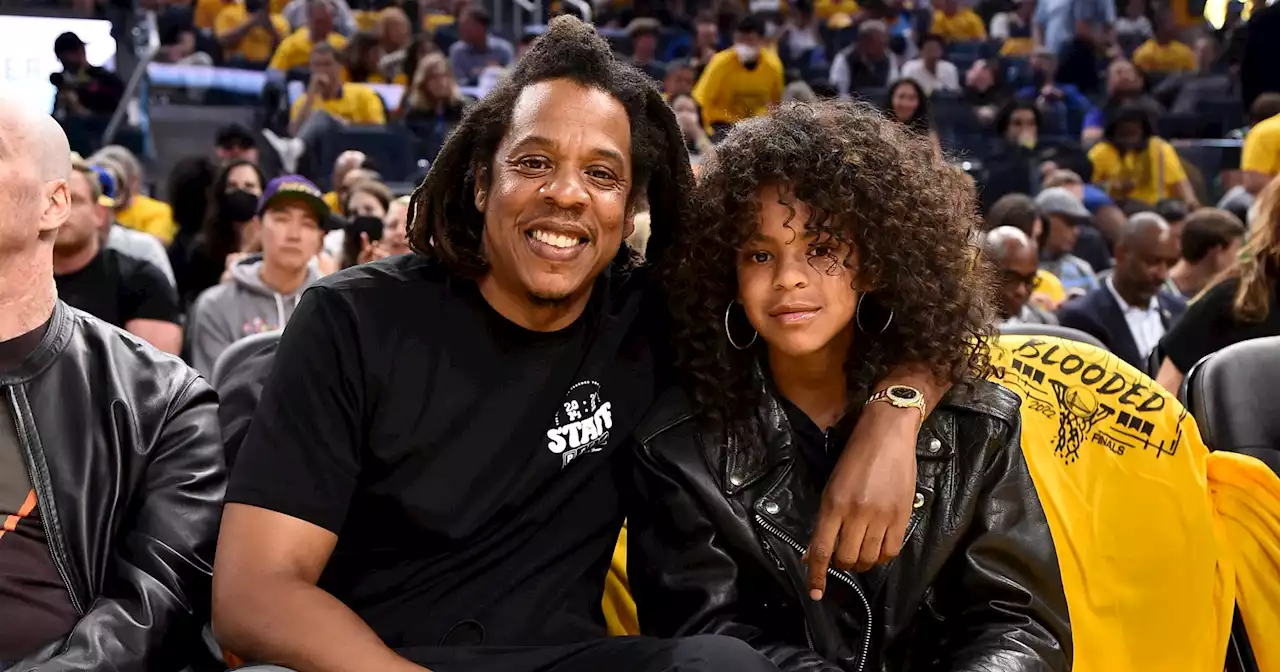 The Internet’s Obsession With Blue Ivy’s Hair Reveals A Deeper Problem Within The Black Community“Blue Ivy’s hair is no stranger to Internet commentary; people have been commenting on her hair since she was a baby, though the response has usually never been positive.”
Read more »
 5 quick fixes for your connectivity problemsConnectivity woes are among some of the most common and frustrating tech problems. Use these suggestions to fix most connection problems.
Read more »
 Poll: 92 Percent of New Yorkers Say Crime Is a 'Serious Problem'Almost all New Yorkers, 92 percent, say crime is a “serious problem” in the state, including 63 percent who say it is a “very serious problem,” a new Siena College poll found.
Read more »
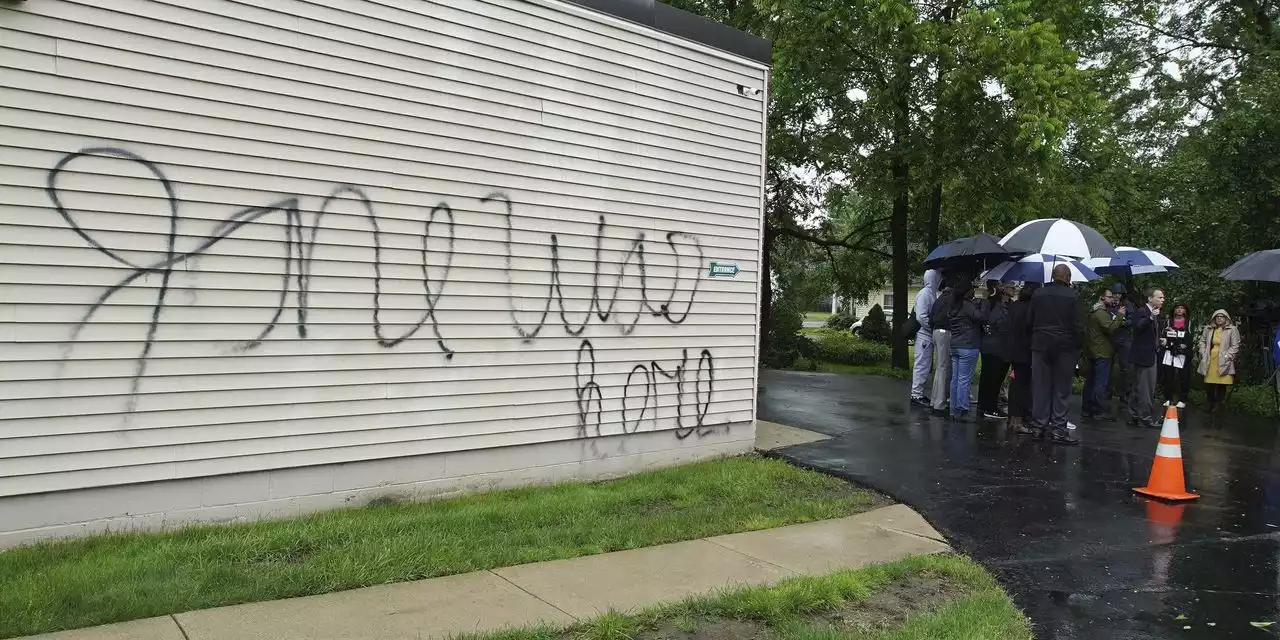 Opinion | The Forest for the Jan. 6 TreesFrom WSJopinion: The January 6 riot was a dreadful day. But the real story is the explosion of political violence on all sides--and the committee is missing the forest for the trees, writes KimStrassel
Read more »