
This article explores the concept of modularity in fashion as a solution to the industry's environmental impact. It discusses the unsustainable practices of fast fashion, the growing demand for transparency and sustainability, and how modularity allows for more thoughtful and versatile designs, ultimately reducing waste and promoting a more conscious approach to clothing.
Santiago on November 12, 2024. Ultra-cheap Chinese online shops are causing concern in Latin America because of the unfair competition they pose to traditional commerce. Environmental sustainability is increasingly critical.
It permeates many sectors of society. An increasingly unexpected place is the world of fashion. Clothing production and associated textile industries are no strangers to environmental impacts. The concept of modularity has emerged, and the CEO ofis here for it. Here’s an extensive discussion with Pamela James, and why she believes modularity is the solution for the fashion sustainability problem.Before diving into the world of modularity, let’s establish some context. According to Katie Curtis-Smith, “fast fashion” has led to a doubling of clothing production in recent decades.I am a climate scientist, but my understanding is that it is rooted in low-cost production, short-lived clothing, and cheap prices. According to Curtis-Smith, the trend exploded in the 1990s and has been accelerated by social media platforms, influencers, and easy access. Curtis-Smith went on to say at the, “Between 2000 and 2015, clothing production doubled from ~50 billion units to over 100 billion units. This trend is driven by an increasing middle-class population globally and rising per capita sales in mature economies.” Production of clothing, like many industrial activities, have significant impacts on the environment. Such impacts include water consumption and chemical contamination. According to recentby the Ellen MacArthur Foundation estimates that the fashion industry could produce roughly one-fourth of the global carbon budget by 2050. Here is whereBianca Inyang, Southeastern photographer, founder of Rare Love Stories via Pamela James I recently spoke with Pamela Morris James, the CEO of the company. During a conversation related to our mutual association with the University of Georgia, she mentioned the concept of modularity in the fashion industry. I was instantly intrigued even though it was a foreign concept to me. I spoke with the CEO about her company and its concepts.“Sustainability is doing more with less. I translate this into the business by working with what we have and finding opportunities in challenges. At Paloma St. James, this philosophy has shaped everything we do. Every setback we’ve faced has been a chance to innovate, and that’s how we've embraced modularity. It’s about doing more with less—creating more thoughtful, more versatile designs that make a real impact. Take our seasonal collections, for instance. We’ve chosen to produce only eight core pieces per season, but each one can be styled endlessly to suit your personal preferences.”“ Sustainability isn’t just a business decision for us. It’s a commitment to do better. For the planet, for our customers and for the future of fashion. The world is shaped by those willing to make bold choices. Modularity is a bold choice in a fast-fashion environment driven by overproduction and overconsumption. It’s a bold choice that encourages us to step away from the cycle of excess and embrace something more intentional. Modularity is one of the most intelligent design tools we have for sustainability.” Proponents of modularity, like James, argue that modularity maximizes potential while “contributing to a future where less is more.”across the globe. We also saw several multi-billion dollar weather or climate disasters in the U.S. alone. James reflected on how climate change is affecting her industry. Citing Cornell University’s Global Labor Institute, she told me that within five years nations in the global apparel production chain could see up to a million lost jobs and a $65 billion dollar reduction in earnings because of climate disruptions. Workers in countries like Vietnam and Bangladesh are increasingly vulnerable to A 2024 United Nation report affirms that Asia continues to be at greatest risk from climate change. Their press release noted, “The report shows that from 1970 to 2021, there were 3,612 disasters attributed to weather, climate and water extremes, with 984,263 deaths and $1.4 trillion in economic losses. The region accounted for 47 percent of all reported deaths caused by natural disasters worldwide.”“The changing climate is challenging the fashion industry to adapt. Subtler effects, like the growing consumer demand for transparency and sustainability, are reshaping brand strategies. At Paloma St James, our care for the planet compelled us to innovate and seek out alternative materials in the form of biodegradable fibers. We’ve never viewed these challenges as obstacles but as opportunities to design more intentionally and mindfully through modular design.” The global and American South are critical suppliers of workforce and consumers for the fashion industry. However, my own scholarly studies, among many others, show that such communities can bear a disproportionate burden from climate extremes as well as lag behind in recovery. James is sensitive to these realities. She told me, “Paloma St. James helps close these gaps by emphasizing ethical production practices, working only with partners who provide fair wages and safe environments. These are small steps, but they aim to disrupt the harmful norms in fashion manufacturing.” She also prioritizes inclusivity in design and storytelling to mitigate lack of representation in fashion.“As sustainability becomes a crucial part of the fashion industry, here are some up-and-coming eco-conscious trends that can help reduce the environmental hazards and pollution: Modular Fashion, Color Analysis, Digital Fashion and NFTs, Regenerative Agriculture Partnerships, Circular Fashion, Smart Materials, Recycling Material, and Upcycling Fashion”in the fashion industry, her final thoughts to me were powerful. She stated, “In my design work, I marry the two design approaches. This creates a cultural shift in how we wear clothes—not just for today, but for the future. I’m modernizing how we design, wear, and value our wardrobes….Our community is about connecting people through open and thoughtful conversations. We want our readers to share their views and exchange ideas and facts in a safe space.Insults, profanity, incoherent, obscene or inflammatory language or threats of any kindContinuous attempts to re-post comments that have been previously moderated/rejectedAttempts or tactics that put the site security at riskProtect your community.
MODULARITY FASHION SUSTAINABILITY FAST FASHION ENVIRONMENTAL IMPACT
United States Latest News, United States Headlines
Similar News:You can also read news stories similar to this one that we have collected from other news sources.
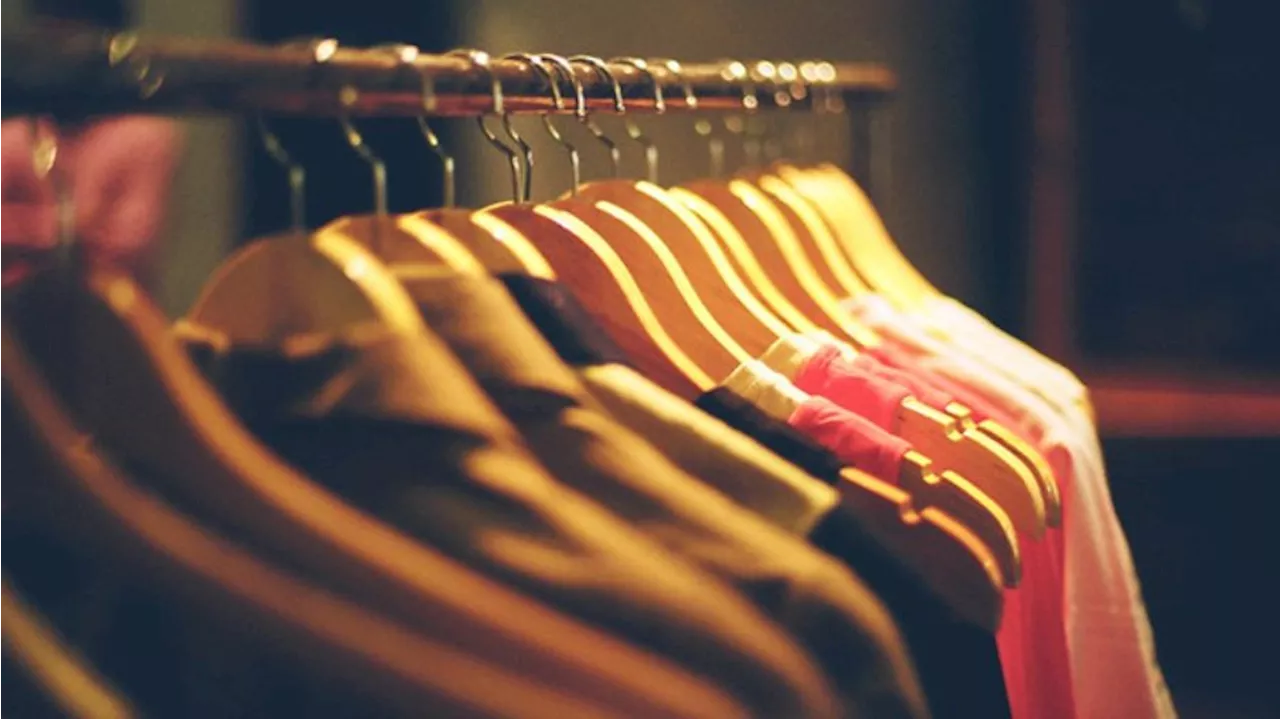 Washington Lawmakers Propose Bill for Fashion Industry SustainabilityWashington state lawmakers have introduced the Washington Fashion Sustainability Accountability Act, aiming to increase transparency and reduce the environmental impact of the fashion and footwear industry. The bill requires companies to disclose information about harmful chemicals, inventory management, and efforts to minimize environmental damage. Larger companies would also need to report on greenhouse gas emissions, recycled content, and working conditions.
Read more »
 British Fashion Council Adopts Copenhagen Fashion Week’s Sustainable ApproachThe BFC is partnering with Copenhagen Fashion Week, and drawing up mandatory sustainability criteria for brands that want to join the London calendar.
Read more »
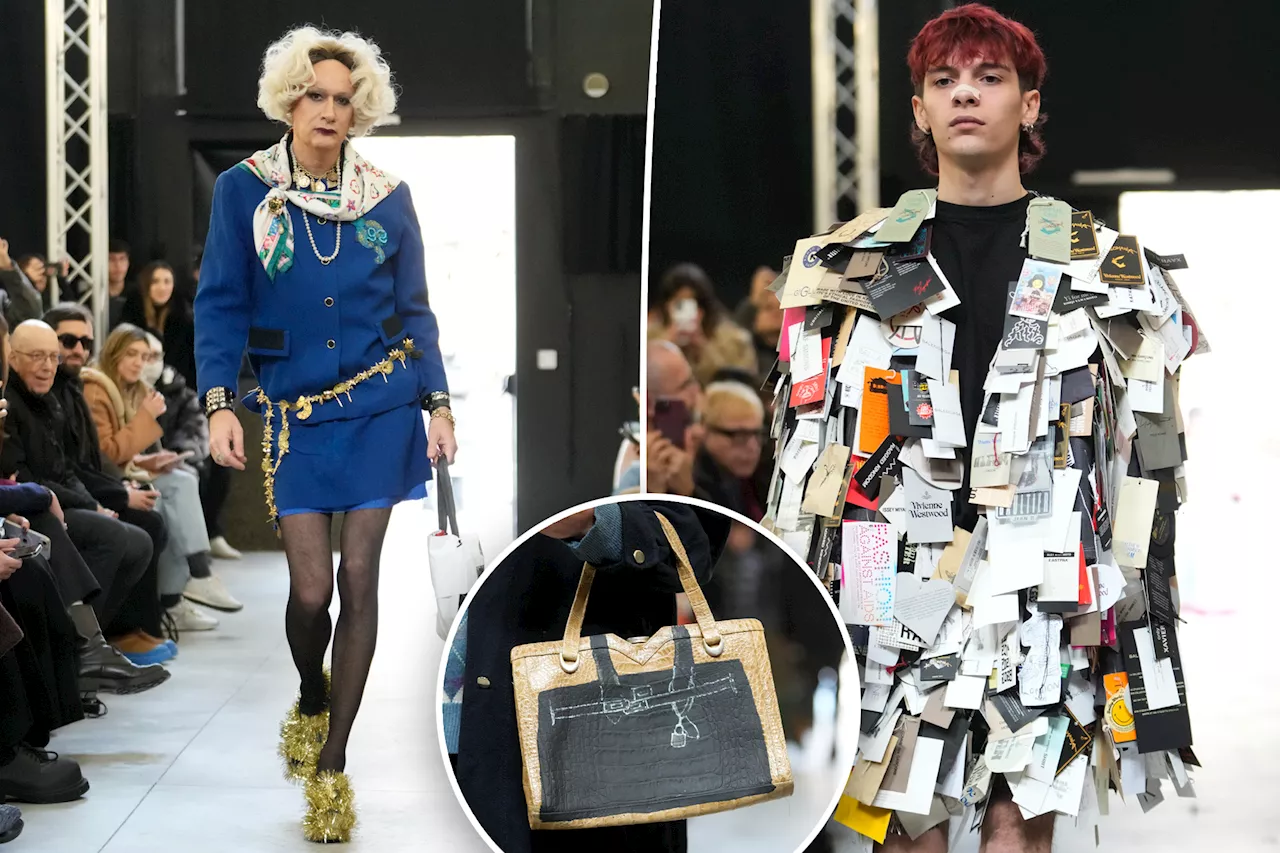 Simon Cracker Upcycles Luxury Fashion System Critique at Milan Fashion WeekItalian fashion brand Simon Cracker presented an upcycled collection during Milan Fashion Week, playfully critiquing the current luxury fashion system. The collection, made from recovered and deadstock materials, included tongue-in-cheek nods to the Hermès Birkin bag and the typical Milanese signora.
Read more »
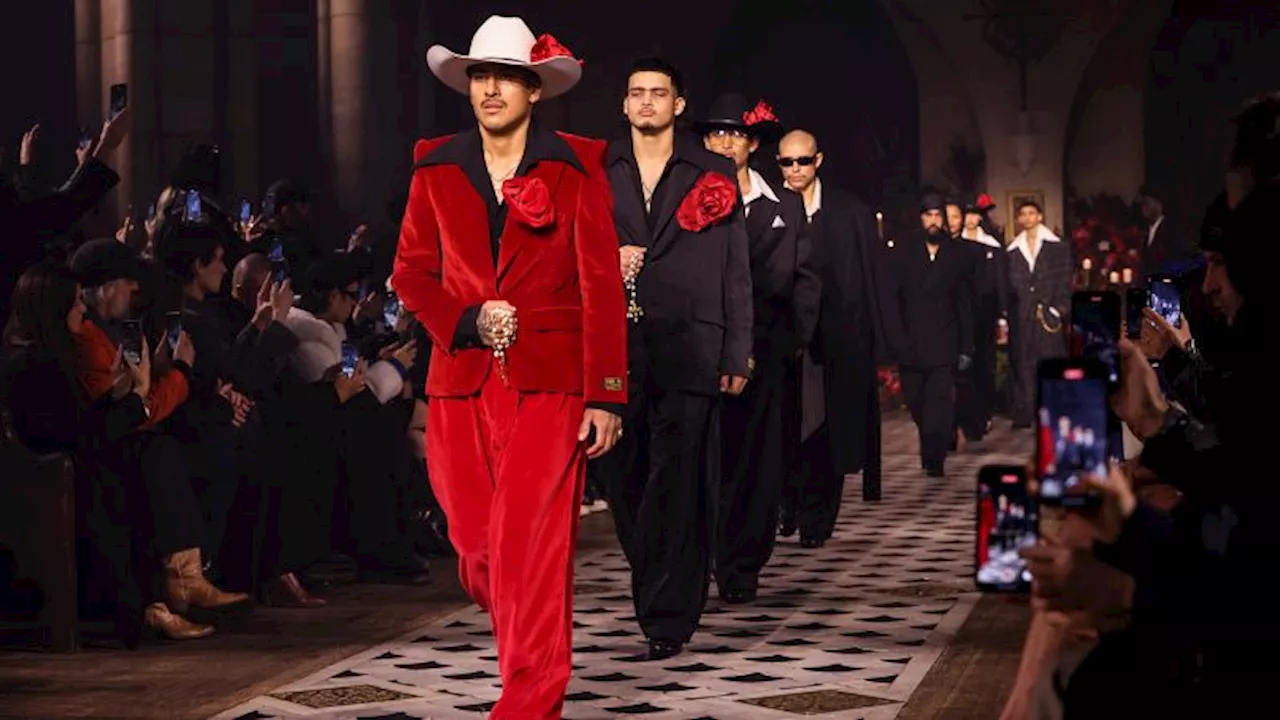 Fashion mixes with politics at Paris Men’s Fashion WeekAmid an uncertain political climate, designers at the latest menswear show in Paris sent messages of resilience and resistance down the runway. Among the key looks was a reimagined “hipster” for 2025.
Read more »
 Kering and the Saudi Fashion Commission Reveal Inaugural Sustainability Award WinnersAsteri, Amused and Darah Solutions Lab received the Kering Generation Award X Saudi Arabia.
Read more »
 Copenhagen Fashion Week: A Celebration of Creativity and SustainabilityCopenhagen Fashion Week (CPHFW) showcased a fusion of established trends and innovative designs, highlighting the city's prominence in the global fashion industry. The event emphasized sustainability with many designers using eco-conscious practices and recycled materials. CPHFW also fostered a strong community through panels, workshops, and networking events, solidifying its position as a leading platform for fashion innovation and dialogue.
Read more »