
A team of researchers at MIT has successfully developed and demonstrated the first fully 3D-printed electrospray engine, a breakthrough that could revolutionize CubeSat propulsion and space research.
Researchers have demonstrated the first fully 3D-printed, droplet-emitting electrospray engine . This low-cost device can be fabricated more quickly than traditional thrusters, potentially even on board a spacecraft, and could enable CubeSats to perform precise, in-orbit maneuvers, aiding space research projects. An electrospray engine works by applying an electric field to a conductive liquid, generating a high-speed jet of tiny droplets that can propel a spacecraft.
These miniature engines are ideal for small satellites called CubeSats, often used in academic research. Since electrospray engines utilize propellant more efficiently than powerful chemical rockets used on launchpads, they are better suited for precise, in-orbit maneuvers.However, traditional multiplexed electrospray thrusters are typically made via expensive and time-consuming semiconductor cleanroom fabrication, limiting their accessibility and applications. To overcome these barriers, MIT engineers have developed a fully 3D-printed electrospray engine using commercially accessible 3D printing materials and techniques. This device can be produced rapidly at a fraction of the cost of traditional thrusters and could even be manufactured entirely in orbit as 3D printing is compatible with in-space manufacturing. The researchers achieved this by developing a modular process that combines two different vat photopolymerization (VPP) printing methods. VPP involves shining light onto a photosensitive resin, which solidifies to form 3D structures with smooth, high-resolution features. Two-photon printing, a specific VPP method, utilizes a highly focused laser beam to solidify resin in a precisely defined area, building 3D structures one tiny voxel at a time. This enabled the creation of extremely sharp emitter tips and narrow, uniform capillaries for propellant flow. The emitter modules are then fitted into a rectangular manifold block that holds them in place and supplies propellant. The manifold block also integrates the modules with the extractor electrode that triggers propellant ejection from the emitter tips when a suitable voltage is applied. The 3D-printed device generated as much or more thrust than existing droplet-emitting electrospray engines. With this technology, astronauts might quickly print an engine for a satellite without needing to wait for one to be sent up from Earth, democratizing space hardware and enabling more accessible space exploration
3D Printing Electrospray Engine Cubesat Space Exploration Space Research
United States Latest News, United States Headlines
Similar News:You can also read news stories similar to this one that we have collected from other news sources.
 Trump Supports 'Competent' Immigration, From Waiters to EngineersPresident Donald Trump expressed his support for allowing 'competent' individuals from various sectors, including waiters and engineers, to enter the U.S. He acknowledged the debate surrounding H-1B visas while emphasizing the need for skilled workers. Trump contrasted his stance on legal immigration with his opposition to illegal immigration across the southern border.
Read more »
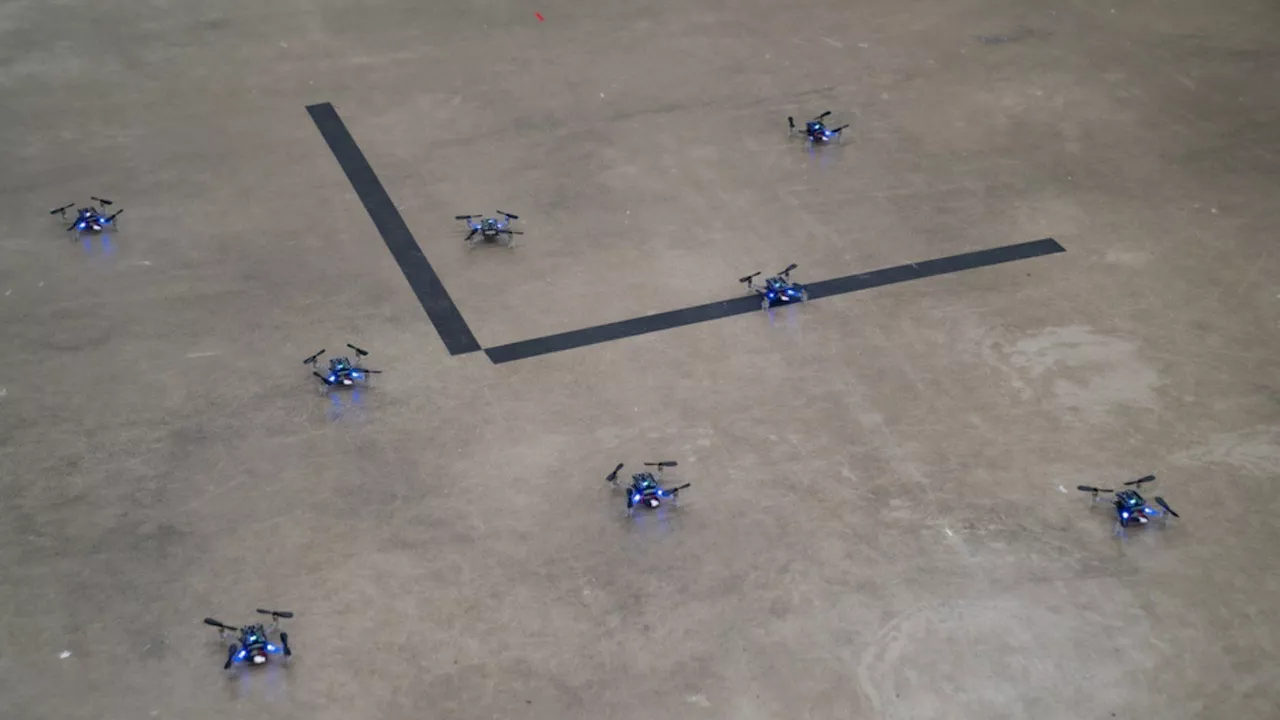 MIT Engineers Develop Training Method to Ensure Safety in Multiagent SystemsMIT engineers have created a groundbreaking training method that guarantees the safe operation of multiagent systems, such as robots, drones, and self-driving cars, even in crowded environments. The method, tested successfully with small drones performing complex tasks, utilizes continuous mapping of safety margins and a reactive controller, enabling agents to navigate safely and adapt to changing situations.
Read more »
 Japanese Startup Captures High-Resolution Earth Images with CubeSatArkEdge Space, a Japanese startup, claims to have captured the highest quality Earth images ever taken by a CubeSat. The ONGLAISAT satellite, roughly the size of a suitcase, can capture 2.5-meter resolution images from 410 kilometers above Earth's surface. The images, showcasing Camano Island and Patagonia, reveal discernible features like trees and buildings.
Read more »
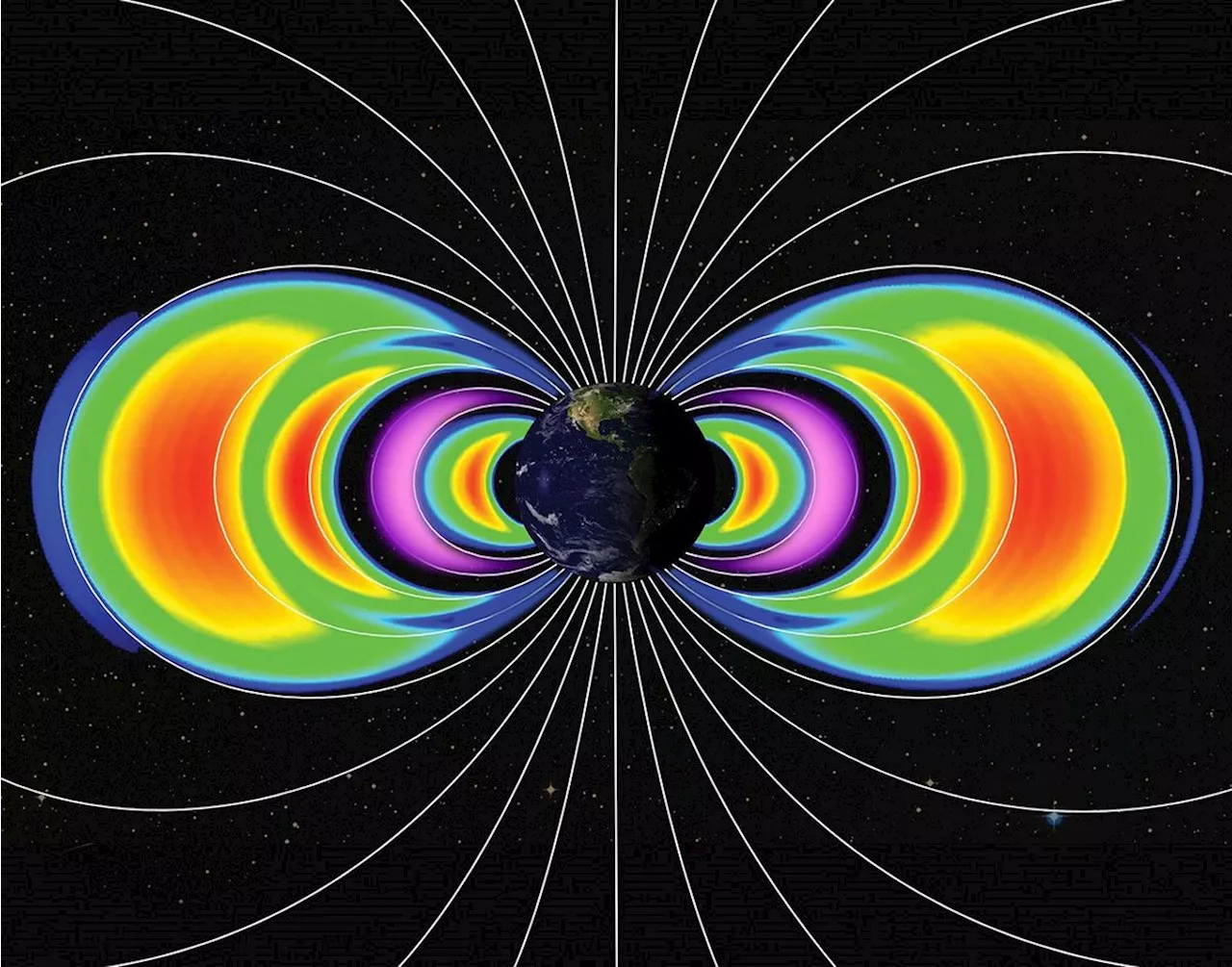 NASA CubeSat Discovers Two New Radiation Belts After Powerful Solar StormA NASA CubeSat has detected two new radiation belts surrounding Earth following a powerful solar storm in May 2024, reshaping our understanding of how solar activity interacts with Earth's magnetic field. This discovery has significant implications for satellite operations, astronaut safety, and future space missions.
Read more »
 NASA CubeSat Discovers New Radiation Belts After Intense Solar StormSpace and astronomy news
Read more »
 The Ghostly Revival of CIRBE: A CubeSat's Unexpected Second LifeCIRBE, a small satellite dedicated to studying Earth's magnetic field, mysteriously went silent in 2018. Despite being declared dead, it unexpectedly rebooted, sending signals back to its mission team. This remarkable event showcased the resilience of technology in the face of adversity.
Read more »