


 +34

This article argues against the continued celebration of Robert E. Lee in Mississippi, highlighting his role as a slave owner and Confederate general who fought to preserve slavery.
Today, Mississippi commemorates Martin Luther King Jr. and Robert E. Lee, together. For this son of a Mississippi an, whose grandparents and great grandparents are buried in Biloxi, commemorating a Confederate is just wrong. Honoring King is right. His non-violent protests, including his “March Against Fear” from Memphis to Jackson in 1966, worked to bring the American dream to all U.S. citizens.
Felled by an assassin’s bullet in 1968, King’s life is worthy of commemoration, and by law the entire nation celebrates his life. His values are our values. Lee and the Confederates, on the other hand, refused to accept the results of a democratic election and chose armed rebellion to destroy the country we love to create a new nation based on human bondage. Lee deserted the U.S. Army, abrogated his oath, and killed more U.S. Army soldiers than any other enemy in our history.Before the Civil War, Lee was a cruel enslaver of 200 men, women and children, the most of any active-duty officer. Lee separated families for profit and had enslaved men and women whipped. Lee chose to fight for the Confederacy because he profited from slavery and believed in slavery.During the Civil War, Lee’s army kidnapped free Black people in Pennsylvania and brought them to Virginia for sale and enslavement. His soldiers slaughtered African American prisoners of war. In 1866, after the war, Lee testified before Congress that if it was up to him, he would remove every African American from the state of Virginia Lee is unworthy of commemoration because his values don’t reflect our values today. He does, however, reflect the values of the white supremacists who created the Robert E. Lee Holiday in 1910. Commemoration has more to do with the people who created the holiday than the man himself. Forty years after his death, when Mississippi created the Lee holiday, white citizens celebrated the return of an apartheid state. The Mississippi Constitution of 1890 overturned the previous constitution that provided African Americans with equal rights. Before 1890, Black Mississippians voted and served in elected office, including two U.S. senators. Let’s tell the truth if it bursts the bottom of the universe. We came here to exclude the Negro. Nothing short of this will answer In 1910, the year the legislature created a Lee holiday, Mississippi’s population was 56% African American but almost no Black men voted, and none held elected office. A terror campaign of lynching enforced this apartheid state. In 1908, the former Mississippi U.S. Sen. W.V. Sullivan proudly told reporters about an extrajudicial killing of a Black man in Oxford, “ In 1910, the year Lee’s holiday was created, white Mississippi mobs lynched at least six men, including Nick Thompson.that changed the meaning of the Civil War. The Lost Cause insisted the war was fought for states’ rights, not slavery. Untrue. Mississippi’s 1861 Declaration of Secession stated, “Our position is thoroughly identified with the institution of slavery – the greatest material interest of the world.” The Lost Cause declared that enslaved people were happy and well cared for. No! Slavery was a moral abomination, which featured legal rape, separating mother from child and husband from wife. The period after the war, Reconstruction, was a failure, insisted Lost Causers, because the formerly enslaved weren’t prepared for citizenship. More lies. More than 2,000 Black men served in elected office in the South before the 20th century. The Lost Cause’s protagonist was Confederate Gen. Robert E. Lee, the sainted figure of the white South. While he did win several battles in 1862 and early 1863, U.S. Gen. Ulysses S. Grant destroyed his army. Lee lost more completely than any other enemy in U.S. history. (UDC), a Lost Cause advocacy group, organized the raising of stone monuments to Confederates across Mississippi and the South in the early 20th century. They also worked to ensure that the Vicksburg Chapter of the UDC requested that the Warren County delegates to the Mississippi Legislature make Lee’s birthday a holiday . Bill 165 passed in March of that year, and on Jan. 19, 1911, the state celebrated the new holiday and continues to celebrate it 114 years later. The Jim Crow period of racial violence and Lost Cause mythology that created the Lee holiday should be studied, not honored. If we stop celebrating Lee, we aren’t changing history. Students will continue to study the Civil War
Scratch the next story
Robert E. Lee Civil War Slavery Mississippi Jim Crow Lost Cause Mythology
United States Latest News, United States Headlines
Similar News: You can also read news stories similar to this one that we have collected from other news sources.
 Robert Kirkman Spotlights His 'Stan Lee Moment' in The Walking DeadThe Walking Dead creator Robert Kirkman acknowledges a repeated line of dialogue from iconic villain Negan in a recent deluxe edition, comparing it to Stan Lee's famous memory lapses.
Read more »
 Blue Alert: Search for suspect Robert Lee Davis III in shooting of Brazoria Co. deputyLaw enforcement are searching for Robert Lee Davis III, who police say shot and killed a Brazoria County deputy in Houston on Wednesday.
Read more »
 Alabama and Mississippi will also honor Robert E. Lee on Martin Luther King, Jr. DayThe U.S. is set to mark Martin Luther King Jr. Day, the federal holiday set aside to honor the life of the civil rights icon. But in two states, Monday is also Robert E. Lee Day in honor of the Confederate general. Alabama and Mississippi recognize both King and Lee on the third Monday in January.
Read more »
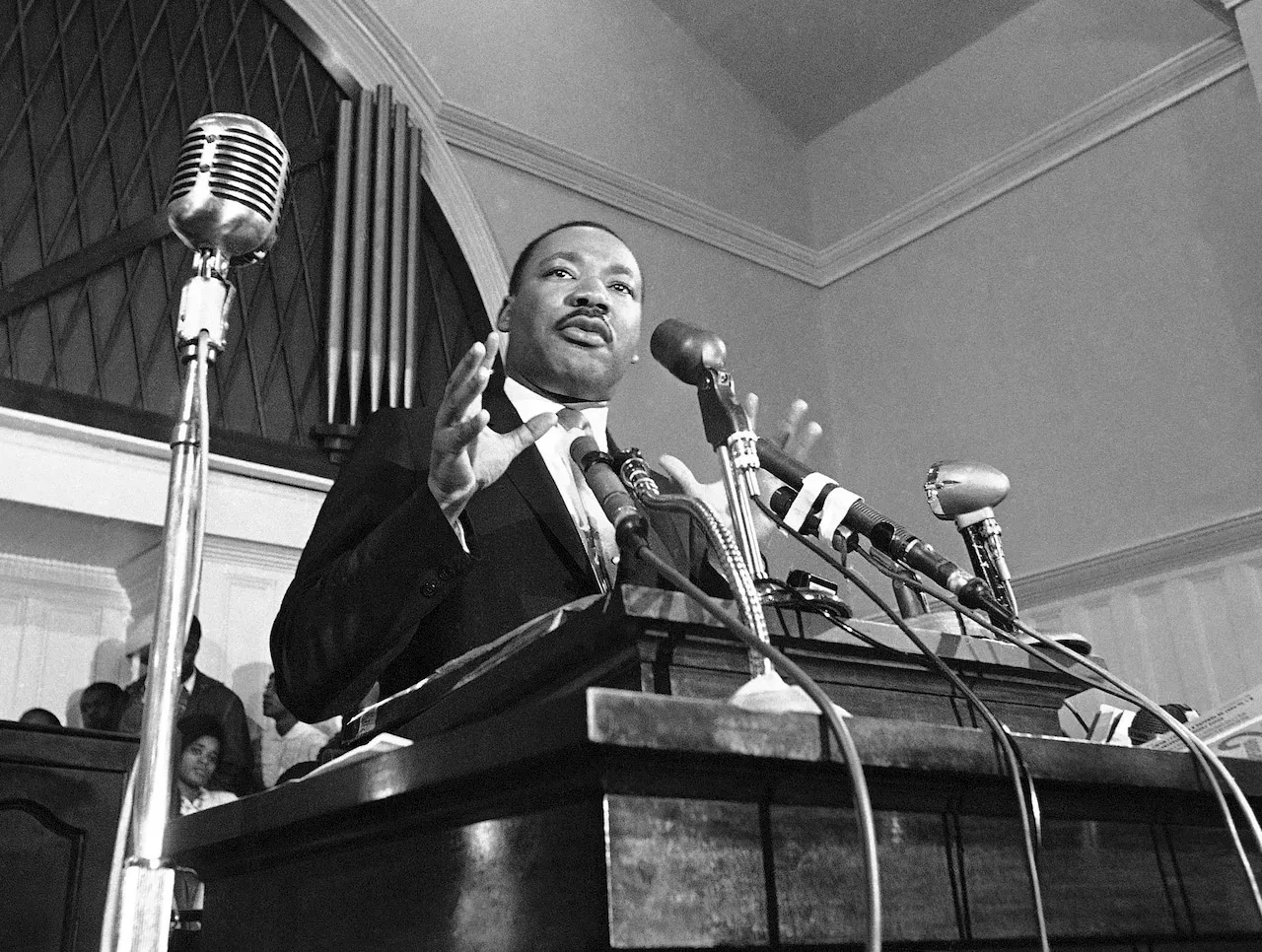 Alabama and Mississippi will also honor Robert E. Lee on Martin Luther King Jr. DayAlabama and Mississippi recognize both King and Lee on the third Monday in January.
Read more »
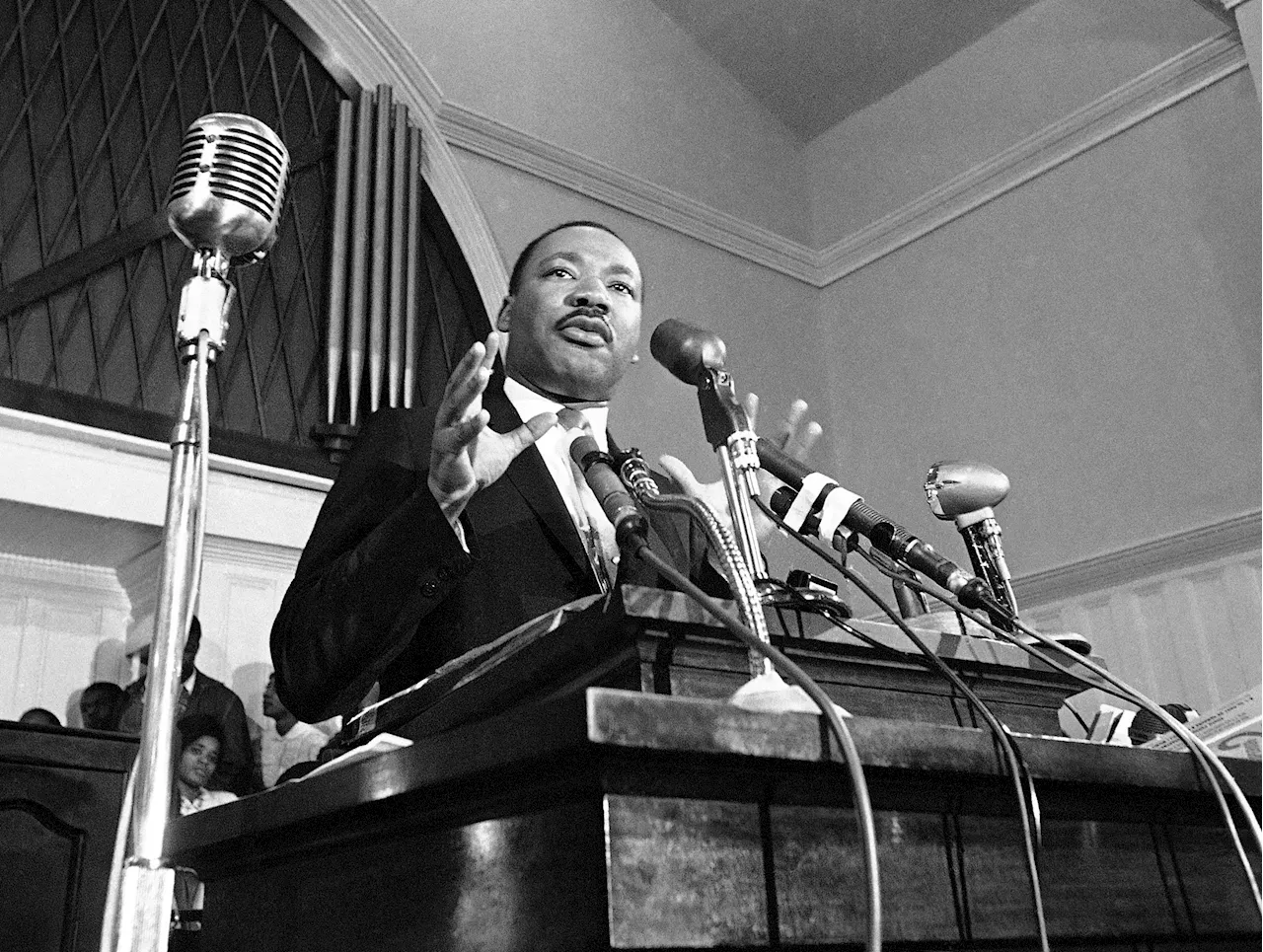 Alabama and Mississippi will also honor Robert E. Lee on Martin Luther King Jr. DayThe U.S. is set to mark Martin Luther King Jr. Day, the federal holiday set aside to honor the life of the civil rights icon.
Read more »