
Millie, a tech-enabled maternity clinic, provides comprehensive care and education from pregnancy through postpartum, including midwives, OB-GYNs, doulas, and clinics.
When Anu Sharma experienced serious complications during her pregnancy—despite having access to top-tier care—she realized the $50 billion United Statesthat provides comprehensive care and education from pregnancy through postpartum and beyond.
Millie’s innovative model integrates midwives, OB-GYNs, doulas, technology, and education to address a critical gap in access to quality maternal healthcare and achieving significantly improved outcomes for mothers and babies and much higher patient satisfaction. But Sharma's journey to build Millie wasn't without its challenges, from securing funding in an industry that often overlooks women's health to overcoming the stigma surrounding alternative birthing options.Sharma experienced the flawed U.S. maternity care system firsthand during her daughter's birth in 2019. Despite resources like insurance, a top hospital, and a midwife, Sharma developed gestational hypertension and postpartum preeclampsia, underscoring the reactive and incomplete nature of current care. As Sharma herself explains, "Inspired by a near-miss following the birth of my daughter, I set out to build a better maternity model that provides more complete, right-sized, and proactive care." This experience, her healthcare consulting background, and knowledge of successful midwife-led models in other countries inspired her inventive solution. In 2020, Sharma launched Millie, which provides comprehensive and personalized maternity care. Millie integrates midwives, OB-GYNs, doulas, technology, and education to deliver a new standard of care. This model directly addresses the growing crisis in maternity care access, highlighted in the March of Dimes' report, which identifies over 35% of U.S. counties as ""—lacking essential birthing facilities and qualified clinicians. This vacuum leaves millions vulnerable to poor outcomes due to inadequate prenatal care, higher preterm birth rates, and limited access to emergency care.Millie's commitment to accessibility is evident in its acceptance of all major insurance plans, including Medicaid, ensuring their services reach diverse populations. The company's innovative care model has achieved impressive results, demonstrating significant improvements in maternal and infant health outcomes. Compared to national averages, Millie boasts 17.5% better NTSV C-section rates for all mothers and 64.2% better for Black mothers, 71.3% better preterm birth rates, and remarkably high patient satisfaction scores . These achievements underscore theToday’s NYT Mini Crossword Clues And Answers For Wednesday, March 5thThe company's success has attracted significant attention and investment. Erin Harkless Moore, managing director of investments at Pivotal Ventures, recognizes Millie's potential for large-scale change, explaining that the company’s "inclusive approach, focus on overlooked markets... is purpose-built to address critical access gaps in maternity care." With $19 million in funding, including a recent $12 million Series A round, Millie is poised for expansion. The company plans to broaden its technology platform, enhance service offerings, and increase market reach with new clinics scheduled for 2025 and beyond. Patrick Rohan, CEO of Good Samaritan Hospital, enthusiastically endorses Millie's innovative model: "Our community deserves exceptional, compassionate care, and Millie is bringing just that to Good Samaritan Hospital. Their innovative approach to maternity care is inspiring, and we’re proud to partner with them to ensure that every family’s birthing experience is as safe, supported, and empowering as it can be." This partnership with Good Samaritan Hospital exemplifies Millie's collaborative approach and its potential to transform maternity care within established healthcare systems.Building a successful startup in the women's health sector presents unique challenges. One of the biggest hurdles was securing funding.Moreover, building clinics doesn’t fit into the traditional VC model. Sharma had to identify investors who understood the complexities of women's healthcare and pregnancy, consumer experience, branding, technology, operations, and care delivery. This was especially critical during the venture investing slowdown of 2023 and 2024. Sharma's network, built during her time at Stanford and her connections in San Francisco, played a crucial role in finding the right investors. She also credits Millie's success to building a "women-powered cap table," with women-led funds recognizing the urgent need for innovative solutions in maternal health. As Sharma notes, "I'm proud that Millie is not only a women-powered team but is also backed by an all-star women-powered cap table—evidence that women are creating and funding their own solutions to create a better system for themselves." TMV and Foreground Capital led the Series A round, with significant participation from Pivotal Ventures and the March of Dimes Innovation Fund. The round also saw participation from current and new investors, including Ingeborg Investments, BBG Ventures, Joyance, LearnStart, Amboy Street Ventures, Mother Ventures, Coyote Ventures, and Chai Ventures. Beyond funding, Millie had to overcome the stigma surrounding midwives and doulas. Many people still view traditional hospital births as the safest option. Millie's model, which integrates midwives, OB-GYNs, doulas, and technology, challenges this perception by offering a more comprehensive and personalized approach to care. Getting the word out about Millie's unique approach was another challenge. The company relies on a multi-channel approach, including referrals from primary care physicians and fertility clinics, media coverage, and paid SEO and social media marketing. Sharma also had to balance the need to scale quickly, which most VCs require, with maintaining operational efficiency. Rapid growth can strain resources and compromise the quality of care. Millie's focus on technology and health system partnerships has allowed it to expand strategically without sacrificing its commitment to patient-centered care. Looking ahead, Millie plans to expand to other states and add perimenopause and menopause services. Sharma's vision for Millie extends beyond maternity care to encompass a holistic approach to women's health as they age. Millie's innovative approach to maternity care is transforming the landscape of maternal health in the U.S. By offering a comprehensive and personalized model that integrates midwives, OB-GYNs, doulas, and technology, Millie is achieving significantly better outcomes for mothers and babies. Its commitment to accessibility, patient-centric care, and strategic partnerships has positioned them as leaders in the evolving maternity care industry. As Millie expands to new markets and adds services to support women throughout their lifespan, the company is poised to impact maternal health and redefine the pregnancy experience for families across the country.
Maternal Care Pregnancy Midwives OB-Gyns Doulas Millie Clinics
United States Latest News, United States Headlines
Similar News:You can also read news stories similar to this one that we have collected from other news sources.
 New York Attorney General Warns Health Care Centers Against Ending Gender-Affirming CareNew York Attorney General Letitia James issued a warning to health care centers in the state considering ending gender-affirming care programs due to a recent executive order from President Trump. James stated that doing so would violate state law barring discrimination against transgender individuals.
Read more »
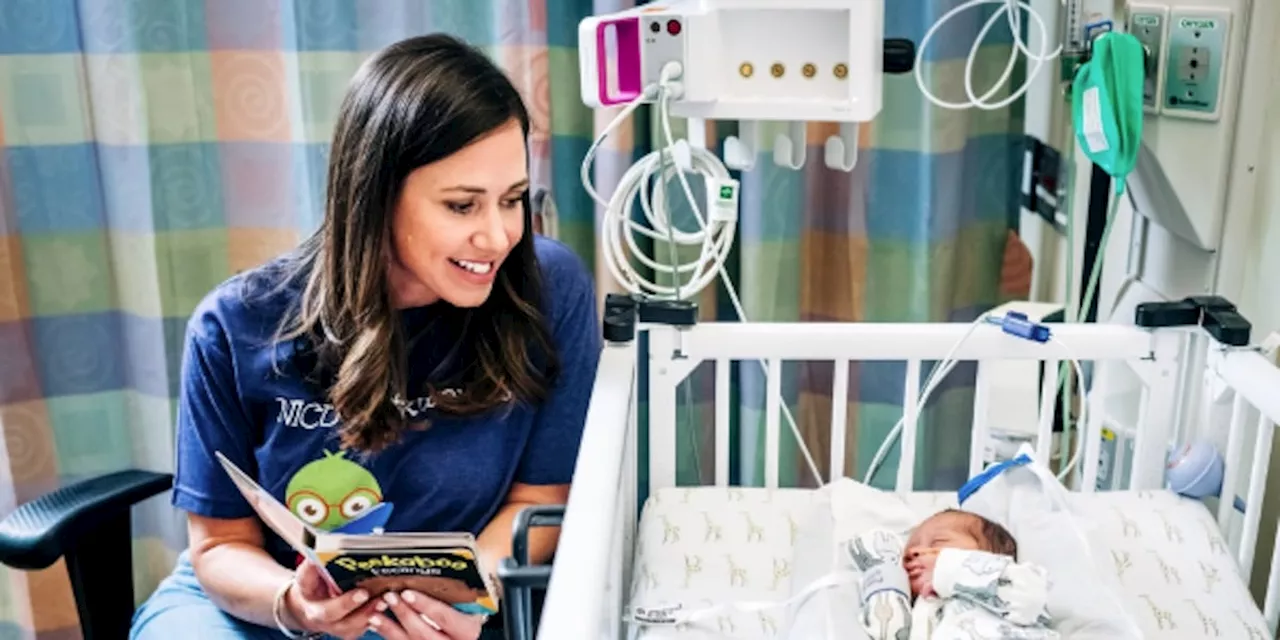 Bipartisan Bill Aims to Improve Rural Maternity CareThe Rural Obstetrics Readiness Act, introduced by a bipartisan group of senators, seeks to address the shortage of obstetric care in rural areas. The bill would provide rural hospitals with resources, training, and tools to deliver urgent obstetric care.
Read more »
 Millie Bobby Brown Is Now Millie Bobby BlondeMillie Bobby Brown is doing nothing to dispel rumors she’s set to play Britney Spears in a forthcoming project. The star just revealed her new hair—a specifically Noughties shade of ice blonde—on Instagram.
Read more »
 Urgent Care Surge: Long Wait Times as Primary Care Doctor Shortage GrowsThe increasing reliance on urgent care facilities due to long wait times at primary care doctor offices is a growing concern. A shortage of primary care physicians, exacerbated by the pandemic, is a major contributing factor. Experts advise that seeking primary care when possible offers better value and that many common illnesses can be managed through rest, hydration, and self-care.
Read more »
 Navigate Maternity: Using Tech to Fight the Maternal Care CrisisNavigate Maternity, a maternal health tech company, uses data and remote patient monitoring to improve maternal health outcomes, particularly in underserved communities. Founded by CEO Tiffany McGee, the company addresses the critical shortage of maternal care providers and high maternal mortality rates in the US, especially among Black women.
Read more »
 Improving Adult ADHD Diagnosis and Care with a Stepped-Care ModelThis article discusses the challenges of diagnosing ADHD in adults and proposes a stepped-care model to improve access to care. It highlights the limitations of relying solely on symptomology designed for children and advocates for incorporating objective measurements in the assessment process. The stepped-care model combines subjective and objective assessments to ensure a comprehensive evaluation and reduce wait times for patients.
Read more »