
A new simulation study suggests that individuals with asthma and COPD are more vulnerable to epithelial cell changes caused by microplastics exposure than healthy controls. The study found that microplastic fibers, present in the ambient air, can promote oxidative stress, local injury, and cytotoxicity in the lungs.
Individuals with asthma and chronic obstructive pulmonary disease were more vulnerable than healthy controls to epithelial cell changes caused by microplastics exposure, based on data from a new simulation study.
Microplastic fibers present in the ambient air can be inhaled into the lungs and promote a range of complications including oxidative stress, local injury, and cytotoxicity, but data on the effects of microplastic fibers on individuals with obstructive lung diseases are limited, wrote Magdalena Poplinska-Goryca, MD, of the Medical University of Warsaw, Warsaw, Poland, and colleagues. , the researchers identified 10 adults aged ≥ 18 years with asthma, 8 adults aged ≥ 40 years with COPD, and 11 healthy adult controls. Individuals with more serious conditions such as severe asthma or COPD, unstable or uncontrolled disease, concomitant malignancies, or chronic or acute lung disease were excluded. The researchers obtained nasal epithelial cells from all participants, and exposed these cells to microplastic fibers created by the researchers in a laboratory setting. Overall, asthmatic and COPD airway epithelial cells showed a different reaction to microplastic fibers stimulation compared to healthy epithelial cells. The most significant response was associated with Th2 inflammation, modulation of stress response, and carcinogenesis. No differences in cytotoxic or minor inflammatory effects on epithelial cells of patients with asthma or COPD were noted compared with healthy controls. In addition, flow cytometric analysis showed increased CD24+ epithelial cells in asthma patients compared to controls after microplastics exposure. “Many of the gene candidates selected from RNA-Seq analysis are related to cancer , and the activation of CD24 on primarily ciliated asthmatic epithelial cells after microplastic stimulation further supports this theory,” the researchers wrote. The findings were limited by several factors including the use of nasal rather than bronchial epithelial cells, which would have yielded more information, the researchers noted. Also, patients with severe asthma and COPD were excluded, they said, because of the impact of oral steroid and antibiotic use by this patient group on epithelial cell immunology that could bias the results of epithelial response to microplastic fiber exposure. However, the results suggest that “the structural impairment of the airway epithelium in obstructive diseases enhances the impact of microplastic particles compared to healthy epithelium,” the researchers concluded.The current study is important in addressing the increasing environmental presence of microplastics and their potential impact on respiratory health, said Seyedmohammad Pourshahid, MD, assistant professor of thoracic medicine and surgery at the Lewis Katz School of Medicine at Temple University, Philadelphia, in an interview. “By examining how microplastics interact with airway epithelial cells, particularly in individuals with asthma and COPD, the research aims to elucidate mechanisms that could contribute to disease progression or exacerbation,” he said. The study's findings that microplastics did not induce a strong inflammatory response, unlike other pollutants such as PM, were unexpected; instead, microplastics appeared to influence pathways related to airway remodeling and oxidative stress,” Pourshahid noted. “This suggests that microplastics may affect respiratory health through mechanisms distinct from traditional pollutants,” he said.While preliminary, this research highlights the potential role of environmental microplastic exposure in respiratory diseases,” Pourshahid told. “Clinicians should be aware of emerging environmental factors that could impact patient health, especially in individuals with asthma and COPD. This awareness may inform patient education and advocacy for reducing exposure to airborne microplastics,” he said. More studies are needed to explore the long-term effects of microplastic exposure on respiratory health, particularly in vulnerable populations, said Pourshahid. Research with in vivo models is necessary to confirm the findings and assess potential clinical implications to confirm these findings and assess potential clinical implications, he said. “Understanding the prevalence and sources of daily microplastic exposure can inform public health strategies to mitigate risks,” he added. The study was supported by the Jakub Potocki Foundation. Paplińska-Goryca and Pourshahid had no financial conflicts to disclose.
MICROPLASTICS ASTHMA COPD RESPIRATORY HEALTH ENVIRONMENTAL POLLUTION
United States Latest News, United States Headlines
Similar News:You can also read news stories similar to this one that we have collected from other news sources.
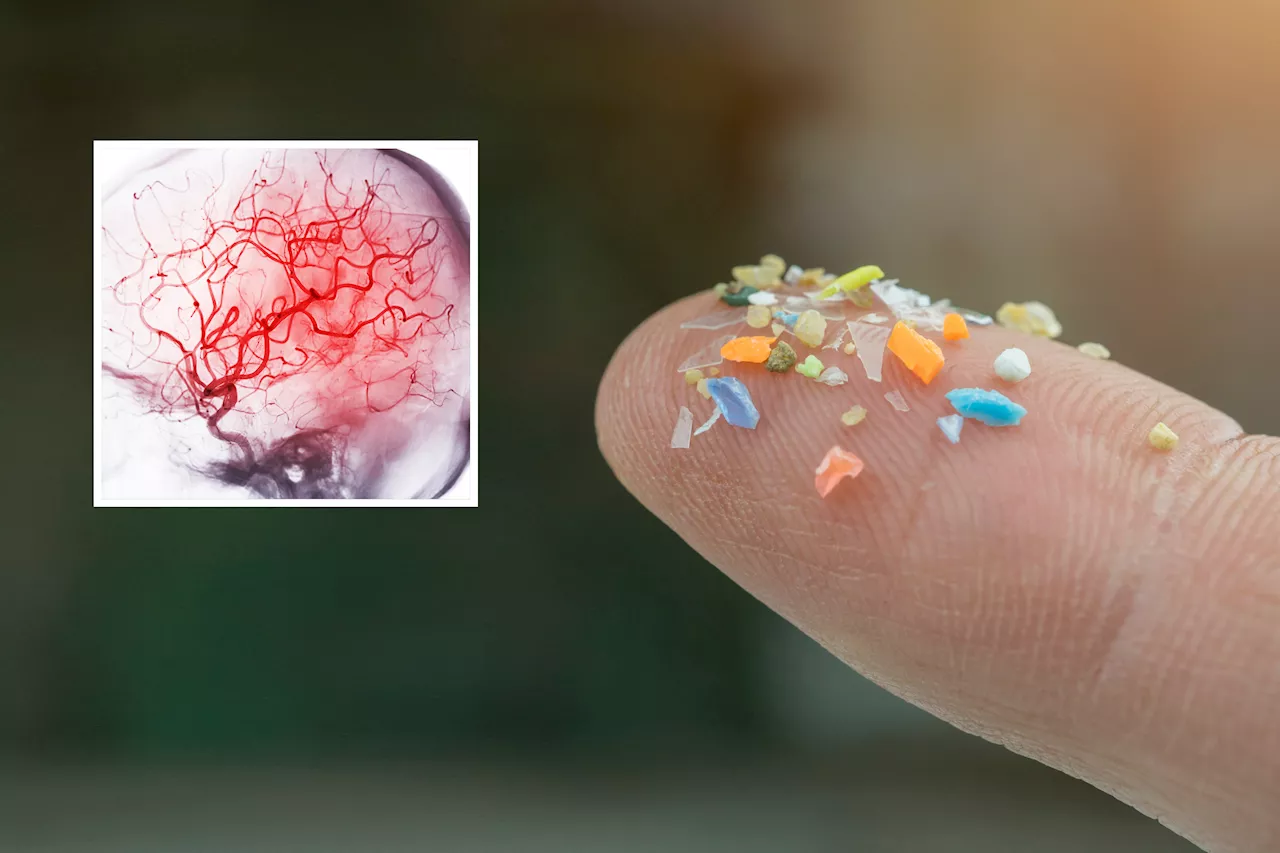 Microplastics May Block Blood Flow in the BrainMicroplastics may cause blockages in blood vessels in the brain and affect behavior, according to a study on mice.
Read more »
 Human brains contain an entire spoonful of microplastics, study findsMicroplastics are everywhere. Now, a new study says the average human brain may contain a spoonful of plastic.
Read more »
 Brain tissue may have higher amounts of microplastics than other organs, study findsBrain samples contained 10 times more microplastics than other organs.
Read more »
 Microplastics Found in High Concentrations in Human Brains: New StudyA new study reveals alarming levels of microplastics in the human brain, raising concerns about the potential health impacts of plastic pollution.
Read more »
 AI Tool DeepSeek May Pose National Security Risk by Sharing User Data with Chinese GovernmentDeepSeek, an AI platform developed by a Chinese-backed company, has raised national security concerns due to its potential to send user data directly to the Chinese government. Cybersecurity experts discovered hidden code in DeepSeek's programming that appears to facilitate data transfer to CMPassport.com, a Chinese government-owned website. This discovery fuels fears that DeepSeek, while offering advanced AI capabilities at a lower cost, may compromise user privacy and national security interests.
Read more »
 Chinese-Made Cameras May Pose Security Risk to US InfrastructureThousands of internet-connected cameras manufactured in China are raising security concerns as they may allow the Chinese government to spy on or disrupt US critical infrastructure. Cybersecurity experts warn that these cameras often lack data encryption and security settings, making them vulnerable to exploitation. The Department of Homeland Security is currently investigating the issue and urging caution in purchasing devices from overseas manufacturers.
Read more »