
A new study published in Nature Medicine reveals alarming findings about microplastic accumulation in human brains. Researchers from the University of New Mexico Health Sciences discovered significantly higher concentrations of microplastics in brain tissue compared to other organs, with a 50% increase observed over the past eight years. Moreover, individuals diagnosed with dementia showed up to 10 times more plastic particles in their brains. The study raises serious concerns about the potential long-term health implications of microplastic exposure.
Human brains contain higher concentrations of microplastics than other organs, according to a new study, and the amount appears to be increasing over time. The study, published Monday in the journal Nature Medicine, University of New Mexico Health Sciences researchers found microplastics in human brains have increased 50% over the past 8 years. They also found that people with dementia had up to 10 times as much plastic in their brains as everyone else.
Microplastics are tiny fragments of degraded polymers that are found in the environment, including our air, water and soil. Previous studies have already shown these substances have made their way into the human body. The lead researcher, toxicologist Matthew Campen, said the rate of accumulation they found mirrors the increasing amounts of plastics waste on the planet. And he said in the news release that their findings should trigger alarm about the potential impact on human health. 'I have yet to encounter a single human being who says, 'There's a bunch of plastic in my brain and I'm totally cool with that,'' he said. The study compared liver, kidney and brain tissue samples from autopsies conducted in 2016 and 2024, and found 'substantially higher concentrations' in the 2024 brain tissue. The researchers also conducted similar analysis on older and more recent autopsies for people who died with confirmed dementia diagnoses, and found 'far greater' concentrations. While it's unclear how particles are actually being transported into the brain, Campen said the size of the micro- and nanoplastics, measuring 200 nanometers or less, are not much larger than viruses and therefore small enough to cross the blood-brain barrier. In the study, researchers detected 12 different polymers, the most common of which was polyethylene, widely used for packaging and containers, including bottles and cups, the release noted. Campen suspects most microplastics in the body are ingested through food, particularly meat. 'The way we irrigate fields with plastic-contaminated water, we postulate that the plastics build up there,' he said. 'We feed those crops to our livestock. We take the manure and put it back on the field, so there may be a sort of feed-forward biomagnification.' The team also found high concentrations of plastic in meat bought at grocery stores. As for the higher levels found in the brains of dementia patients, the researchers noted the study was not designed to prove whether that was the cause of symptoms — it may be the reverse, that the disease process allows more accumulation to happen. 'Atrophy of brain tissue, impaired blood–brain barrier integrity and poor clearance mechanisms are hallmarks of dementia and would be anticipated to increase concentrations,' they wrote
Microplastics Brain Dementia Health Pollution Environment
United States Latest News, United States Headlines
Similar News:You can also read news stories similar to this one that we have collected from other news sources.
 Moss Landing battery fire: Unusually high concentrations of toxic metals found in wetlands near plantNickel, cobalt and manganese, found in lithium-ion batteries, increased dramatically at Elkhorn Slough after the fire
Read more »
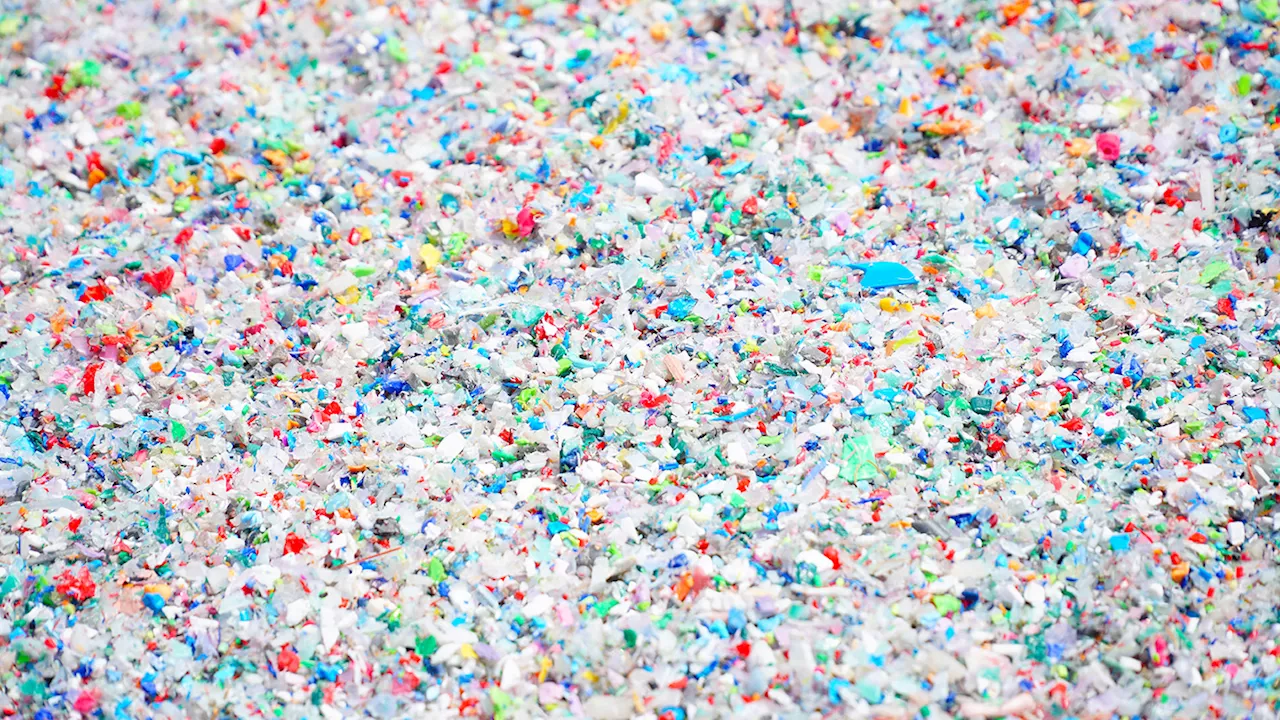 Microplastics and Nanoplastics Found in High Concentrations in Human Brain TissueA new study published in February 2023 reveals the alarming presence of microplastics and nanoplastics in human brain tissue, raising concerns about the potential health implications of these tiny plastic particles. Researchers found significantly higher concentrations of MNPs in brain tissue compared to other organs, challenging the notion that the blood-brain barrier effectively protects the brain from these pollutants. The study also highlights the unexpected shapes and types of plastic found in the brain, suggesting that the long-term effects of microplastic exposure remain largely unknown.
Read more »
 Microplastics and Nanoplastics Found at Higher Levels in Human BrainsA new study reveals alarming findings about the accumulation of microplastics and nanoplastics in the human brain, surpassing concentrations in the liver and kidneys. The study also highlights a potential link between these plastics and dementia, emphasizing the need for further research.
Read more »
 Microplastics Found in High Concentrations in Human BrainsA new study published in Nature Medicine reveals alarming levels of microplastic pollution in the human brain. Researchers found that brain samples contained significantly higher amounts of microplastics and nanoplastics compared to other organs, raising concerns about potential neurological impacts.
Read more »
 Microplastics Found in Higher Concentrations in Human BrainsA recent study reveals a concerning increase in microplastic concentrations in human brains compared to eight years ago. The research suggests a potential link between dementia and elevated microplastics levels, but further investigation is needed to determine the cause-and-effect relationship. The findings highlight the urgent need to address plastic pollution and its impact on human health.
Read more »
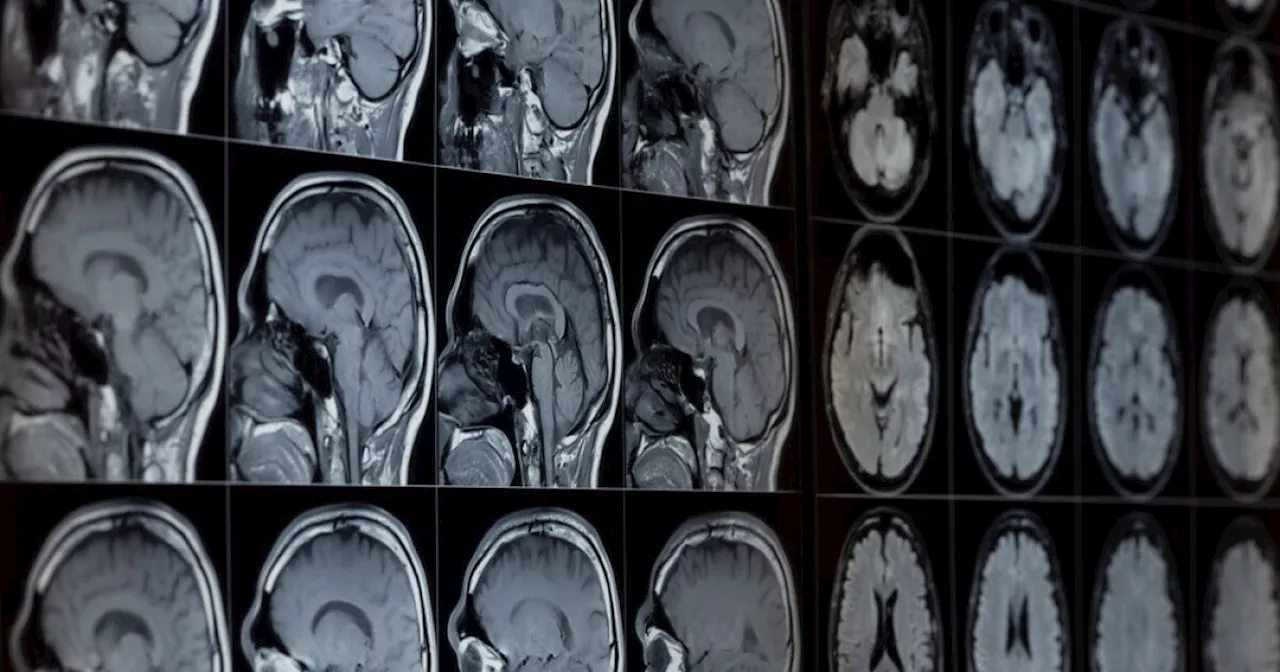 Average Human Brain May Contain Spoonful of Plastic, Study FindsA new study published in Nature Medicine found that the average human brain may contain about seven grams of microplastics, a 50% increase from samples collected nearly a decade ago. The research, which analyzed brain tissue from autopsies, also found higher concentrations of polyethylene, commonly used in bottles and films, in brain microplastics compared to those found in liver and kidney samples.
Read more »