
The most important stories for you to know today
Mayor Karen Bass, LAPD Chief Michel Moore, and DA George Gascón hosted a news conference to get the message out about the shootings last December.Jerrid Joseph Powell, the Los Angeles man charged with the shooting deaths of three unhoused men and an L.
A. County employee over a four-day span in November, pleaded not guilty in a downtown L.A courtroom on Monday.Powell, 33, has been held without bail at the Twin Towers Correctional Facility on four counts of murder, one count of residential robbery, and one count of being a felon with a firearm. He’s also facing special circumstances allegations of committing multiple murders, murder in the course of a robbery, and personal use of a firearm, according to the L.A. County District Attorney’s Office.Powell was arrested on Nov. 30 and is accused of shooting and killing four people — three unhoused men while they were sleeping alone in different parts of the city, and Nicholas Simbolon, a county chief executive office employee, in a follow-home robbery in San Dimas.Jerrid Joseph Powell, the Los Angeles man charged with the shooting deaths of three unhoused men and an L.A. County employee over a four-day span in November, pleaded not guilty on Monday.Powell, 33, has been held without bail at the Twin Towers Correctional Facility on four counts of murder, one count of residential robbery, and one count of being a felon with a firearm. He’s also facing special circumstances allegations of committing multiple murders, murder in the course of a robbery, and personal use of a firearm, according to the L.A. County District Attorney’s Office.Powell was arrested on Nov. 30 and is accused of shooting and killing four people — three unhoused men while they were sleeping alone in different parts of the city, and Nicholas Simbolon, a county chief executive office employee, in a follow-home robbery in San Dimas.Extreme wildfires have destroyed about one-fifth of all giant sequoia trees. To safeguard their future, the National Park Service is planting seedlings that could better survive a hotter climate.The numbers shocked ecologists, since the enormous trees can live more than 2,000 years and have evolved to live with frequent, low-intensity fires in the Sierra Nevada. Recent fires have burned bigger and more intensely than sequoias are accustomed to, a result of the way humans have changed the forest. After the 2020 and 2021 fires, scientists watched the sequoia groves to see if the next generation of trees is emerging to replace their lost parents. In some places, seedlings are filling the forest floor. In others, fewer are emerging from the burned soil.On a late autumn day, a team of forestry workers spreads out among the burned trunks of giant sequoia trees. The 1,000-year-old trees in the grove are dead but still standing, killed in an extreme wildfire that raced through Sequoia and Kings Canyon National Parks. In the shadow of one of the trees, the crew gets to work, pulling tiny, 4-inch seedlings out of bags clipped to their belts and tucking them into the dirt. "Wish it some luck and that's it," says Micah Craig of the Eastern Sierra Conservation Corps, standing back to look at the young sequoia. He then grabs another seedling, part of a historic planting effort that the National Park Service hopes will be enough to preserve one of the world's most iconic species. Ecologists estimate that up to 14,000 sequoias have been killed in recent wildfires, a shocking number for a species that was thought to survive most fires.Over only two years, about one-fifth of all giant sequoias have been killed in extreme wildfires in California. The numbers shocked ecologists, since the enormous trees can live more than 2,000 years and have evolved to live with frequent, low-intensity fires in the Sierra Nevada. Recent fires have burned bigger and more intensely than sequoias are accustomed to, a result of the way humans have changed the forest. After the 2020 and 2021 fires, scientists watched the sequoia groves to see if the next generation of trees is emerging to replace their lost parents. In some places, seedlings are filling the forest floor. In others, fewer are emerging from the burned soil. The smaller numbers of seedlings concerned scientists and the National Park Service. So in a historic step, the agency for the first time has begun replanting some severely burned areas. With a life span of thousands of years, the new seedlings will grow up in a climate that's rapidly changing. So, park officials are bringing in seedlings from other sequoia groves, ones that may have the genetic tools to handle a more hostile future. With so many ancient trees killed, the National Park Service has sprouted hundreds of sequoia seedlings to replant the severely burned areas, along with other species normally found there like white fir and sugar pines.The project has run into opposition. A handful of conservation groups are suing to halt the effort, arguing that such intervention shouldn't occur in an area designated as federal wilderness and that the sequoia trees could possibly regenerate adequately on their own. The debate is one occurring on public lands across the country as the impacts of climate change get worse. Land managers face a key question: As humans take an increasing toll on natural landscapes, how far should we go to fix it? Sequoia National Park was created in 1890 to protect the mammoth trees for the public. Along with Kings Canyon National Park, the two parks are home to about 40% of all sequoias.Hopeful signs have emerged in the wake of the KNP Complex Fire, which tore through Sequoia National Park in 2021. The forest floor is still scorched black, but in some areas, thousands of lime-green sequoia seedlings have sprung up, a few inches high. "It's awesome," says Christy Brigham, chief of resources management and science at Sequoia and Kings Canyon National Parks."This is what has happened for millennia." The lifecycle of sequoias is bound to fire. The massive trees, often 15 feet around, are protected from the heat by a thick, shaggy bark. Their lowest branches are far from the forest floor, reducing the chances they'll ignite when smaller trees burn. And when a fire's heat rises, the sequoias' cones open up, releasing thousands of seeds. Those seeds sprout quickly in the newly cleared soil below their parent trees. Most of the seedlings will die, eventually leaving only one or two giant trees centuries from now. Some areas of Sequoia and Kings Canyon National Parks show a carpet of green — thousands of sequoia seedlings poking a few inches above the ground. In more severely burned areas, there are fewer emerging from the soil."Lots of bad things are going to happen to these," Brigham says, looking down at the carpet of green."Another fire, fire after fire, before they get that big. Dead trees are going to fall on them. So they make a lot. A lot, a lot, a lot." High above, the thousand-year-old sequoias in this part of Redwood Mountain Grove are still alive, their broccoli-shaped tops still green. The fire burned at low or moderate intensity here because the forest floor was relatively clear of brush and other vegetation that could burn. National Park Service crews had previously done prescribed burns, purposely using fire to remove the dry, dead fuels. Sequoia trees are susceptible to heat and drought, conditions that are expected to get more extreme as the climate keeps changing.Farther down the trail, it's a different story. Many of the giant sequoias have little or no green foliage left, their bare, jagged branches rising high above the rest of the forest. "We have now arrived at the location we call the Gates of Mordor," Brigham says."These trees are not coming back." The KNP Complex Fire roared up this sequoia grove in less than a day. Fire crews made a last-ditch effort to save some of the enormous trees, clearing the vegetation around them as the flames moved in.Smaller pines and other trees, killed in California's extreme droughts, acted as kindling in recent wildfires, fueling the intense burning.The forest here was primed to burn. Historically, the Sierra Nevada saw regular low-grade wildfires, caused by lightning strikes and set by Native American tribes. But for the last century, humans have extinguished wildfires, allowing dead and dry vegetation to build up on the forest floor.in recent years. Water-stressed pines and other trees were more vulnerable to attacks from bark beetles. Researchers found that the"We have never seen anything like this in giant sequoia," Brigham says."Large giant sequoias, before now, survived wildfire." With so many giant trees gone, teams from several federal agencies turned to another key issue: the next generation of sequoias. They surveyed how many seedlings are growing below the burned trees.from scientists at the U.S. Geological Survey found that some of the severely burned areas have lower densities of sequoia seedlings, compared to the numbers found after previous fires. Brigham says it's possible that too many sequoia cones and their seeds burned up in the fire. But with fewer adult trees left alive to make seeds in the future, there's a risk some of this sequoia grove won't come back. "These parks were in part established to conserve sequoias," Brigham says."What would it mean for that mission if we did nothing here?"In the late afternoon, a line of mules winds its way through the burned sequoia grove. On their backs, they carry boxes of sequoia seedlings deep into the backcountry. A crew from the Eastern Sierra Conservation Corps takes the seedlings on the last steps of their journey, searching for planting spots that offer some protection from the upcoming summer heat. "Planting sequoias, that's a legacy thing. Something we were all stoked to do that will transcend after us," says crew member Micah Craig. Micah Craig and a team from the Eastern Sierra Conservation Corps replant sequoia seedlings. Some are from groves already experiencing hotter, drier conditions, which could give them a better shot at withstanding climate change.Most of these sequoia seedlings were grown from seeds collected from this same grove. But 20% come from seeds collected from other groves. Sequoia seedlings are vulnerable to heat and drought, conditions that will get more extreme as the climate keeps changing. With that in mind, managers selected seeds from groves at lower elevations that already naturally live in hotter conditions. The idea is to increase the genetic diversity, in case those trees are better adapted to a hotter, drier future. "We have the ability to give this grove a little bit of a bigger toolkit for adapting to changing conditions, and that's what we're trying to do," Brigham says."We're asking a lot of these trees to survive for 400 years, 1,000 years, and they can do it, but let's give them a little help." A mule train delivers boxes of sequoia seedlings through shrubs that have sprung up in the wake of the KNP Complex Fire. Sequoia seedlings do best in the first few years after a fire, when there's little vegetation to shade them out.. It's part of a larger toolkit land managers are beginning to consider as ecosystems struggle to keep up with climate change. The National Park Service has developed a new framework for considering when to intervene, known as, contending that because the sequoia groves are protected under the federal Wilderness Act, a higher level of intervention isn't appropriate. They argue that having wilderness protection means the land should remain untouched, even if that means losing sequoias there. "We need to allow nature some places where human beings aren't trying to be the managers, aren't trying to be the gardeners," says George Nickas, executive director of Wilderness Watch, one of the groups that filed suit."Because we're the ones that messed it up, it doesn't flow that we're the ones to fix it. That's that sort of arrogance of humanism, if you will. That's when we need to learn to step back."The Wilderness Act specifies that protected areas should be"untrammeled by man." That framing has frustrated Native American tribes in California, which shaped the landscape for millennia with cultural, or prescribed, burning., it responded that language in the Wilderness Act mandates that the land be"protected and managed so as to preserve its natural conditions," and the act doesn't infringe on the agency's responsibility to preserve the ecosystem. The conservation groups' lawsuit also contends that sequoias in severely burned areas could regenerate on their own. Sequoia seedlings tend to do best in places that have burned more intensely, since it clears out vegetation that shades the forest floor. "I'm not worried about it because the system is massively and redundantly resilient to these sorts of disturbances," says Chad Hanson, director of the John Muir Project, another group that joined the lawsuit. "These parks were in part established to conserve sequoias," says Christy Brigham of the National Park Service. "What would it mean for that mission if we did nothing here?"Hanson contends that any number of sequoia seedlings, no matter how low, is adequate for the groves to endure into the future. However, numerous scientific studies show that sequoia seedlings have high rates of mortality over the first few centuries of life, with more than In proposing the project, the National Park Service says climate change poses an even greater risk that sequoia seedlings will struggle to get established. Hanson says he'd prefer that the park service monitor the seedlings' survival before making a decision to replant. "What I would say is if they start dying at high levels, which is inconsistent with the data we've had up until this point, then I would have to evaluate my assumptions and maybe would need to do something there," Hanson says.The debate is a sign of the increasingly complex decisions land managers are facing in a hotter climate. In the face of unprecedented impacts, the risk of losing species only gets worse. Managers are having to weigh bigger and bigger human interventions, if they're seeking to preserve what's left. Brigham says that as one of the largest and longest-living species on the planet, giant sequoia trees are forcing that conversation to happen. "You cannot look at them without thinking about 1,000 years in the future," Brigham says."They demand better of us. And I think we need that. We need those species that are being impacted by climate change that we love to be, like, hey, I think you can do better."Fires. Mudslides. Heat waves. What questions do you need answered as you prepare for the effects of the climate emergency?Warnings and advisories:Happy Monday! It'll be a slightly cool and wet start to the work week as a Pacific storm system brings scattered showers and mountain snow to the Southland later today through early tomorrow. Rainfall is predicted to begin this afternoon with only about a quarter-inch expected. Temperatures will be relatively mild, but a bit chilly. Along the coasts temperatures will hover around the mid-to-high 60s, lower temperatures should hit the mid-50s. Meanwhile, the mountains should reach peak highs in the upper 50s, while the low temperatures will vary between the high 30s and the high 40s.It'll be a mostly cloudy day, with the best chances for light rain later tonight and into Tuesday. Rain amounts with this system are forecasted to be light, ranging from a few hundredths of an inch in the lowlands to a maximum of a 1/4 to 1/2 inch in some mountain areas. Looking ahead, a stronger and colder storm system originating from the Gulf of Alaska is expected to arrive in the area Friday through the weekend. The snow levels will start out at 7,000 feet tonight and lower to 6,000 feet by tomorrow, but forecasters don't expect more than about an inch of snow. There are wind advisories posted for tonight through Tuesday in the Inland Empire and high desert where you can expect prevailing winds of 25 mph, and gusts up to 45 mph across the desert. In the mountain desert slopes and through the San Gorgonio Pass, winds will vary between 35 and 55 mph.On this day in 1986, the thermometer hit 99 degrees in Palm Springs, the highest temperature on record for February. This also happened the following day.— Join this 21+ taco Tuesday event! Enjoy karaoke, music videos, drinks and, of course, all the tasty tacos you can handle. Entry is free and new karaoke songs added weekly. Read moreL.A. County's Ballot Processing Center Is In An Old Fry's, 'Oppenheimer' Dominates SAG Awards & An Update On Stormwater Capture — The AM EditionA selfie style image from NASA’s Perseverance Mars rover shows the rover to the right with the Martian landscape in the background.Later this week, we will experience the rarest day in the Gregorian calendar. Thursday will be February 29th, a date that only comes around during leap years. Where did this quadrennial tradition come from? What does it have to do with our solar system? And what could it mean for billionaires hoping to colonize Mars? Read this guide to find out.Leap years exist because the number of days it takes Earth to revolve around the sun is not perfectly even. If our planet’s orbit lasted exactly 365 days, we would have no need for leap years. But that revolution actually takes about 365.2422 days. February 29th marks the day our calendar uses every four years or so to make up for that additional time.If we wiped leap days off the calendar, you probably wouldn’t notice major changes right away. But over time, important seasonal markers — like solstices and equinoxes — would start to wander toward other parts of the year. The summer solstice would creep into July, August and even later. Over many years, the result would be frigid Julys and warm Januarys.Later this week, we will experience the rarest day in the Gregorian calendar. Thursday will be Feb. 29, a date that only comes around during leap years. Where did this quadrennial tradition come from? What does it have to do with our solar system? And what could it mean for billionaires hoping to colonize Mars? Read on to find out.Leap years exist because the number of days it takes Earth to revolve around the sun is not perfectly even. If our planet’s orbit lasted exactly 365 days, we would have no need for leap years. But that revolution actually takes about 365.2422 days. “There's a mismatch of about six hours,” said Lyle Tavernier, an educational technology specialist at NASA’s Jet Propulsion Laboratory in Pasadena whoFebruary 29th marks the day our calendar uses to make up for that additional time. This leap day occurs about every four years .If we wiped leap days off the calendar, you probably wouldn’t notice major changes right away. But over time, important seasonal markers — like solstices and equinoxes — would start to wander toward other parts of the year. “The summer solstice would slowly drift into July and September, and then eventually into later in the year as well,” Tavernier said. “You could have a snowy July if we didn't do this.”Generally speaking, leap years happen every four years. But sometimes, they don’t. Remember when we said Earth takes about 365.2422 days to orbit around the sun? Well, if you take that extra bit of time — 5 hours, 48 minutes and 46 seconds — and multiply it by four, you can see that it still doesn’t quite add up to 24 hours., our calendar skips a leap year every so often. For example, 1896 was a leap year, and so was 1904 — but 1900 was not. Youngsters today might grow up to experience the next skipped leap year in 2100.Here’s some easy math you can use to figure out if any given year will be a leap year. Leap years happen every four years, unless the year is divisible by 100. However, if a year divisible by 100 is also divisible by 400, it will feature a leap year. That’s why the year 2000 featured a February 29th. “You can do the math going forward and see that in the year 2400, we'll also have a leap year,” Tavernier said.in 46 B.C. However, the Julian Calendar “overcorrected” for leap years by failing to account for the math we discussed above.under Pope Gregory XIII that we started to skip a leap year every century or so. This is the system we continue to use today.Cultures that use other calendar systems also account for leap years, in slightly different ways. Chinese and Hindu calendars featurein use from 1793 to 1805 following the French Revolution featured 12 months made up of three 10-day weeks. Five extra days were tacked onto the end of each year. But leap years featured a sixth extra day known as jour de la Révolution .ever comes to fruition, humanity would still have to observe leap years. In fact, Martian leap years would happen a lot more often. It takes about 668.6 Martian days for the Red Planet to revolve around the sun. Correcting for that imbalance would require more frequent leap years. “In a 10-year span, Mars would have four non-leap years and six leap years,” Tavernier said. “Quite a bit different from the way that we insert a leap day into our calendar every four years.”US actor Adam Sandler waves as he steps on stage during the 24th Annual Mark Twain Prize For American Humor at the John F. Kennedy Center for the Performing Arts in Washington, DC, on March 19, 2023. - This year's award is honoring US actor and comedian Adam Sandler. - Adam Sandler is recording his next comedy special, and you have a chance to be part of the audience., but Hudson is so much more. Join him for a Q&A about the legacy of the Inner City Cultural Center and his career.- Take a break this week and catch some fresh air on the sea. Go whale and dolphin watching at Newport Landing.star Ernie Hudson tell you all about the influences in his life, career, and favorite films during an intimate sit-down presentation in Inglewood. Kids can make new friends while enjoying free story time and crafting in Huntington Beach. And if you're feeling adventurous, try whale-watching down in Newport Beach.. See the works of Jean-Michel Basquiat, Keith Haring, David Hockney, and many more captured on Ferris wheels, in mirror rooms and other art pieces. In addition to your ticket, parking costs $15.US actor Adam Sandler waves as he steps on stage during the 24th Annual Mark Twain Prize For American Humor at the John F. Kennedy Center for the Performing Arts in Washington, DC, on March 19, 2023. - This year's award is honoring US actor and comedian Adam Sandler.Adam Sandler is recording his next comedy special, and you have a chance to be part of the audience. See the longtime comedian perform live at The Nocturne Theatre with two shows at 6:00 p.m. and at 8:30 p.m.The avant-garde Felix Art Fair returns to the Hollywood Roosevelt Hotel. With artwork from more than 60 galleries around the world, the fair will also showcase a fashion-meets-art exhibition. Buy a single-day pass for $75 or for $100, get unlimited visits.Join this 21+ taco Tuesday event! Enjoy karaoke, music videos, drinks and, of course, all the tasty tacos you can handle.In this image released on January 27, Ernie Hudson speaks onstage during the 26th Annual Family Film And TV Awards in Los Angeles, California. The 26th Annual Family Film And TV Awards airs on Saturday, Jan. 27 , exclusively on the CBS Television Network and available for live and on-demand streaming via Paramount., but Ernie Hudson has done so much more. Join Hudson for a conversation and Q&A about the legacy of the Inner City Cultural Center, his favorite movies, all the projects he's worked on, and other unique experiences he’s had in Hollywood.Enjoy free story time and crafts every month! Bring a gently-loved book to swap out with another book at The Reading Reef. Take a stroll around Pacific City and enjoy the views and food!Attention outdoor lovers and makeup lovers! Want free skincare goodies from ONE/SIZE while meeting new people during a free group hike? Then you don’t want to miss this!Your child will have a wonderful time singing, dancing and playing games with some brand new friends, including meeting special guest Princess Belle! There will be balloon animals and a chance for photos, too.Take a break this week and catch some fresh air on the sea. Go whale and dolphin watching at Newport Landing. The two-hour experience has different times throughout the day, so be sure to use the WHALEWATCH22DEAL special offer promo to lock in the best deal.at The Hollywood Roosevelt Cinegrill Theater. This event will be hosted by José Ignacio Cuenca, renowned film critic and wine maker.Come hungry and leave happy! Indulge in a variety of delectable dishes, from street food to gourmet delicacies. You can also enjoy live cooking demonstrations, interactive workshops, and exciting food competitions.Vegan vendors are making a stop at Trademark Brewing. The brewery and tap room is opening its doors and hosting a variety of delicious vegan food. And while you’re dining, try out one of the brewery’s many lagers, pilsners of IPAs.In collaboration with Spearance Cellars Wine and Honeybird LA, visit Mama’s Kitchen for a special wine dinner. For $95 per person, indulge in a four-course meal and plenty of wine. And don’t wait to reserve your table.Join one of the most popular classes at the Saute Culinary Academy! You’ll learn the rich and healthy benefits of Mediterranean cuisine and, of course, how to make delicious and nourishing recipes.A new California Assembly bill would require state departments, agencies and commissions that collect demographic data to include an ethnic category for Californians of Middle East and North African descent.Americans of Middle East and North African descent are counted on census and other forms simply as"white." For years, advocates from these communities have lobbied for an individual census category. An attempt to include a MENA category in the 2020 census was nixed by the Trump administration.Proponents of the new state bill say that identifying and counting Californians of MENA descent as a distinct population will help public agencies better serve them in terms of health care, education and social service needs.A new California Assembly bill would require state departments, agencies and commissions that collect demographic data to include an ethnic category for Californians of Middle East and North African descent. Proponents say that AB 2763, known as the California MENA Inclusion Act will help state public agencies better serve a population that for now continues to be categorized as “white” on census and other forms. “It’s important because the Middle East-North African group has a very, very different experience than their white counterparts,” said Amin Nash, a policy and research coordinator for the Arab American Civic Council in Anaheim, an advocacy nonprofit. “They are perceived different, they have different health stressors, they have different traumas,” said Nash, who is Iraqi American. “A lot the times when organizations, health agencies try to collect data about the Middle East-North African group, they don’t have accurate information.” According to the bill, a category for MENA respondents would be included on state forms that offer racial or ethnic designations; the data would be included in state demographic reports. The bill was introduced in mid-February by Assemblymember Bill Essayli, a Republican from Riverside County who is Lebanese American. Essayli said in a statement that the bill “will ensure that state agencies and legislators will have the necessary data to make informed decisions about policy priorities and resource allocation.”That plan was nixed by the Trump administration. However, the 2020 census did allow a write-in response area to the “white” racial category, which yielded a glimpse, if incomplete, of how the nation’s MENA population breaks down.The 2020 Census did not include a distinct MENA category. But it allowed write-in responses in the “white” racial category thatfound that more than 3.5 million people self-identified as being of MENA descent, either alone or in combination with another group. The largest self-identified national origin groups were Lebanese, Iranian and Egyptian. And the state with the largest MENA population is California, with a self-identified MENA population of more than 740,000. Southern California is home to long-established enclaves like Anaheim’s Little Arabia and Westwood’s Iranian American community, known lovingly as Tehrangeles. The California bill’s broader definition of MENA also includes several “major transnational” groups, including Armenians; Los Angeles, Glendale and Burbank haveof a MENA category for the 2030 census, along with other proposed changes. And last year, the governor of IllinoisThe California bill is expected to be heard in an Assembly committee next month.People view the Los Angeles River swollen by storm runoff as a powerful long-duration atmospheric river storm, the second in less than a week, continues to impact Southern California on Feb. 5, 2024 in Los Angeles.Stormwater in L.A. and Orange Counties is captured via spreading grounds, or large open areas of gravel and sand that allow pools of water to form and percolate deep into underground reservoirs. Since we’ve largely run out of room for spreading grounds, other solutions are being explored.Before we paved over our cities, water used to percolate through soil across the region. Water agencies use dams to capture and slowly release water over time to utilize spreading grounds even during hot months.The majority of L.A. is private property, meaning there's a big opportunity for owners to implement water features like swales, which can capture water and allow it to sink into the soil, rather than run out into the street.: LADWP is looking to install subterranean stormwater capture areas to more than a dozen parks, in an effort to utilize open space already owned by the city.On average, L.A. County captures 200,000 acre-feet of water per year. So far, it’s captured a little more than 100,000. Last year, it captured 600,000 after a heavy and long rainy season.From January to February, Southern California went from quite dry to overwhelmingly wet, as a series of storms dropped more than a year’s worth of water in just a few weeks, loading up the L.A. River. Given that our dry months are coming up, just how much of that stormwater were we able to hold on to? And could we be doing better?The main way that we capture stormwater is by letting it soak into the Earth and travel through the soil into underground reservoirs. Back in the day, this would happen all across places like the L.A. Basin, but as we paved over much of the area, we lost much of our ability to sequester rainfall.They're huge open areas of gravel and sand where we divert stormwater without destroying nearby neighborhoods. That water then sits in giant pools and percolates downward over time. Given that roughly a third of L.A. County’s water comes from underground reservoirs each year, it’s important that we keep on filling them. “We have two missions. One is to protect communities and to capture as much of that water and keep it from being wasted in the ocean,” said Sterling Klippel, assistant deputy director of L.A. County’s Department of Public Works. There are 27 spreading grounds throughout the county and 14 major dams that can hold water back and slowly release it during dry periods onto those same grounds when our flood channels aren’t being inundated.How fast the water percolates depends on both the media it’s flowing through and how much sediment is in the water. Brown-looking stormwater has a lot of silt in it, which can slow down absorption rates. Crews go in with heavy equipment during the spring and summer to scrape the spreading grounds clean ahead of the next rainy season. This year L.A. County has sequestered roughly 100,000 acre-feet of stormwater, about half of what they typically capture during an average year. Last year they captured more than 600,000 acre-feet, or roughly enough water for half of the population of the county. For reference, one acre foot is about the equivalent of a football field flooded with about a foot of water. L.A. County is able to capture more than 90% of the water that falls in the San Gabriel watershed above the spreading grounds.The Orange County Water District utilizes a similar system. Drive down the 91 Freeway and you’ll see what looks like a bunch of lakes. They’re actually part of their portfolio of 26 recharge facilities that’ve been built across 1,500 acres over the past 70 years. They’re able to capture about 220 million gallons of water a day, according to John Kennedy, general manager of the water district.Building additional spreading grounds is tough, as we're quite limited on space here. “The L.A. Basin is very dense and property values are sky high. So unfortunately, doing the spreading grounds and dams around the city is going to be nearly impossible just because of the high price tag,” said Art Castro, manager of the Watershed Management Group at the Los Angeles Department of Water and Power. Some spreading grounds, like those in Pacoima, are being dug out — but there’s a limit to how deep you can go. LADWP is considering other options as it works towards the goal of capturing 150,000 acre-feet per year by 2035. They currently capture roughly 83,700 acre-feet. Vertical storm drains are one consideration. They are 150-foot-deep holes lined with permeable pipe that are allowed to fill with water and drain into the surrounding soil.Yes, you can help fill our underground aquifers from your front yard. A key feature of the lawn elimination programs here in California is making sure that you put in some sort of water retention feature, like a swale. It's basically a trough that slows down water and lets it soak into the ground, rather than running into the street. We might no longer have tens of thousands of acres of unpaved farmland throughout the region, but given that 70% of land use is private property here in L.A., widespread use of swales in our yards could make a difference.Jacob Margolis helps Southern Californians understand the science shaping our imperfect paradise and gets us prepared for what’s next.A new report finds that one in four people in the U.S. are breathing unhealthy air as rising temperatures and bigger fires create a"climate penalty."... for extra insight into the report's methodology, as well as perspectives from experts on the problems being put in the spotlight.of pollution-laced fog settled over Minneapolis last month, blanketing the city in its worst air quality since 2005. A temperature inversion acted like a ceiling, trapping small particles emitted from sluggish engines and overworked heaters in a gauze that shrouded the skyline. That haze arrived amid theon record for the Midwest. Warmer temperatures melted what little snow had fallen, releasing moisture that helped further trap pollution.improvements made over four decades. On the West Coast, this inflection point was passed about 10 years ago; air quality across the region has consistently worsened since 2010. Now, a broader swath of the country is starting to see deteriorating conditions. During Canada’s boreal wildfires last summer, for example, millions of people from Chicago to New York experienced some of the. It was a precedent-breaking spate that saw the average person exposed to more small particulate matter than at any time since tracking, federal law has regulated all sources of emissions, successfully reducing pollution. Between 1990 and 2017, the number of particles smaller than 2.5 micrometers, known as PM2.5, fellBut a stricter standard isn’t likely to resolve the problem, said Marissa Childs, a post-doctoral researcher at Harvard University’s Center for the Environment. That’s because the agency considers wildfires an “exceptional event,” and therefore. “The Clean Air Act is challenged by smoke,” she said, both because wildfires defy the EPA’s traditional enforcement mechanisms, and because of itsTo get a better sense of how a growing exposure to air pollution might impact the public, First Street used wildfire and climate models to estimate what the skies might look like in the future. “If aerosol emissions drop drastically over the next few decades and greenhouse gasses don’t, a lot of those unanticipated climate hazards could be revealed,” added Persad. The paper uses data from thousands of rain gauges to tease out how aerosols and greenhouse gasses have influenced rainfall averages and the frequency of extreme rain events. The use of rain gauges allowed researchers to trace how the two types of human-caused pollution balance each other out in different regions of the country. Greenhouse gasses have been stacking up in the atmosphere for more than a century, and they have a pretty simple impact on rainfall. The more carbon dioxide is in the atmosphere, the hotter it gets; the hotter it gets, the more moisture the atmosphere can hold. Aerosols are more complicated: They react differently with different types of clouds, and as a result their impact on rainfall varies from region to region and from season to season. In most of the U.S., they made things drier. The passage of the landmark Clean Air Act in 1970 caused a rapid decline in aerosol pollution as factories installed “scrubber” devices toand automakers updated their cars to comply with emission limits. The disappearance of these aerosols left greenhouse gasses to dominate in the atmosphere, which started to ratchet up rainfall totals. If those aerosols hadn’t been there, the paper argues, rainfall and flooding might have started worsening in the United States several decades earlier. Separating out the effect of these aerosols also allows the researchers to make predictions about how flood risk will change over the next decade. It’s not good news: Now that there’s nothing to offset the heat-trapping effect of carbon dioxide and methane, much of the country is about to get a lot wetter and see a lot more monster storms. “This somewhat rapid intensification of rainfall extremes is the new normal, at least for the next five years,” said Mark Risser, a research scientist at Lawrence Berkeley National Lab and one of the paper’s lead authors. The effect is most pronounced in the southeastern United States, where a slew of hurricanes and rainstorms have caused billions of dollars of flood damage in recent years. The authors find that aerosol pollution tamped down summer and fall precipitation until the late twentieth century, when the effect of greenhouse gasses started to dominate in the region. That led to both an increase in annual rainfall totals and an increase in the frequency of big rainstorms. (Previous research has shown that aerosols can also The paper’s findings could have big implications for the next few decades of environmental regulation. President Biden’s Environmental Protection Agency is racing to finalizethat could slash emissions of key aerosol pollutants such as sulfur dioxide. If these regulations take effect, they would apply to numerous facilities in the Southeast, including the petrochemical facilities in theThese regulations would protect residents who live near industrial facilities from asthma, heart disease, and cancer, but a further decline in aerosols could also make hurricane season worse by allowing big storms to hold moisture — meaning more events like Hurricane Harvey, which struck in 2017 and stunned climate scientists by dropping more than 50 inches of rain over Houston, Texas. Persad, the aerosols expert, says the paper offers a grim warning about future climate risk. If air pollution declines in the United States over the next few decades, many more Americans in regions such as the Southeast could see stronger storms and more severe flooding. “We’re looking at a situation where over the next 30 years, you could either keep masking, or you could reveal 50 percent more warming,” she said. “Up until now, there has not been very much recognition of how much the evolution of this aerosol signal, over the lifetime of a mortgage of a house that somebody buys today, is going to affect the climate hazards they’re exposed to.” Grist is a nonprofit, independent media organization dedicated to telling stories of climate solutions and a just future. Learn more at Fires. Mudslides. Heat waves. What questions do you need answered as you prepare for the effects of the climate emergency?
United States Latest News, United States Headlines
Similar News:You can also read news stories similar to this one that we have collected from other news sources.
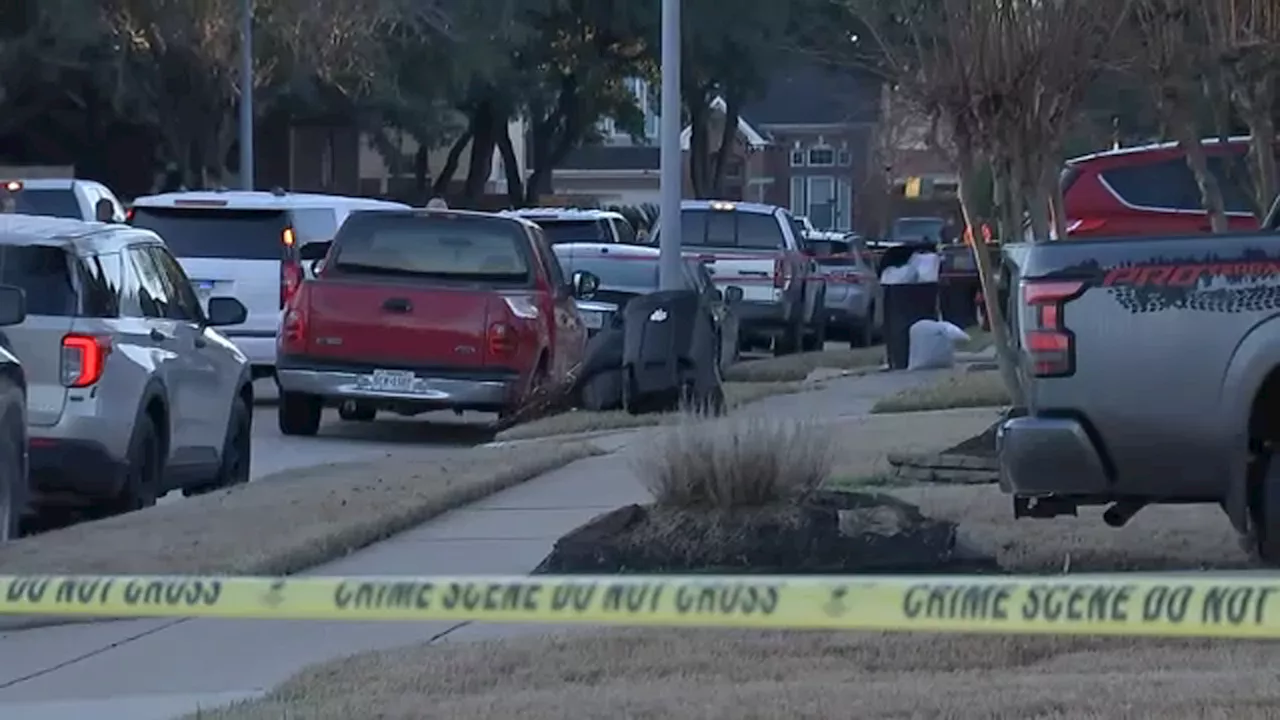 Man shot while U.S. Marshals, HCSO served warrant in E. Harris County, officials sayThe warrant involved felony drug charges, Sheriff Ed Gonzalez said, adding that no members of law enforcement were injured.
Read more »
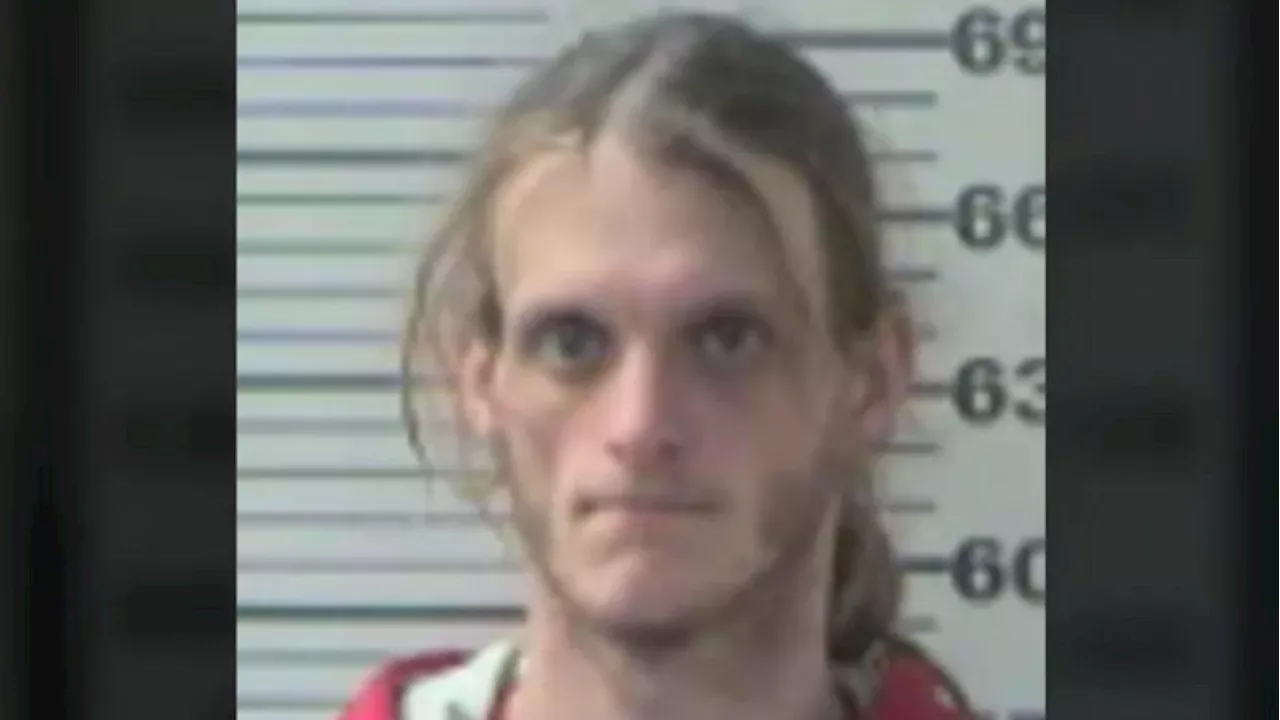 Mobile man pleads guilty to 2022 murder by hitting victim in the head with shovelA Mobile man has pled guilty to the March 2022 murder of Etienne Murray.Morgan Barnhill has pled guilty to Murder, as charged in the indictment. Evidence shows
Read more »
 Emotions run high: Convicted sex offender accused of raping 14-year-old girl arraignedA convicted sex offender who is accused of sexually assaulting a 14-year-old girl after he was released on parole will remain behind bars for now.
Read more »
 16-year-old arraigned on murder charge in Bronx subway shootingHe's charged as an adult with murder and five counts of attempted murder.
Read more »
 5 suspects in Times Square NYPD attack arraigned: 'Hold them fully accountable'Wilson Juarez, Kelvin Servita Arocha, Yohenry Brito, Yorman Reveron and Darwin Andres Gomez-Izquiel all appeared in court and were arraigned on the indictment.
Read more »
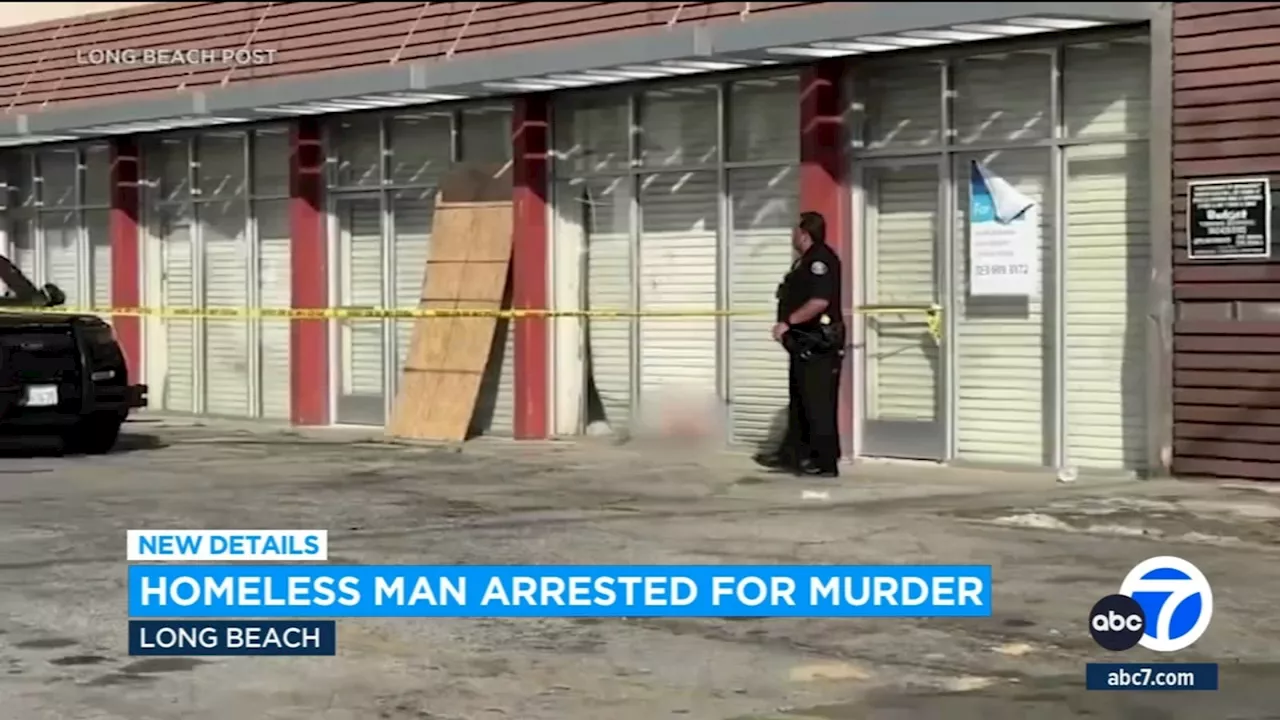 Homeless man arrested for allegedly stabbing another man to death in Long BeachA homeless man was arrested Friday for allegedly stabbing another man to death in Long Beach.
Read more »