
Our friendly neighbor protects us from stray asteroids, while gas giants in other solar systems may prevent life from forming due to their immense gravity.
While Jupiter may be our planetary guardian angel, protecting us from harm, gas giants in other solar systems might actually wreak havoc on other exoplanets nearby.In our solar system, Jupiter's huge gravitational field deflects comets and asteroids away from our delicate, rocky home planet.However, this gravitational field may put smaller planets in other solar systems at risk of being ejected from their orbits altogether.
Jupiter is the fifth planet from the sun, situated around 484 million miles from our star. At 86,900 miles in diameter, Jupiter is about 11 times wider than the Earth, and has between 80 and 95 moons.A second paper also published in The Astronomical Journal by Kane and UC Riverside colleague Tara Fetherolf, a planetary science postdoctoral scholar, reveals that one large planet in the middle of the habitable zone would have a similar effect.
United States Latest News, United States Headlines
Similar News:You can also read news stories similar to this one that we have collected from other news sources.
 Navajo sheep herding at risk from climate changeWhenever Amy Begaye's extended family butchered a sheep, she was given what she considered easy tasks — holding the legs and catching the blood with a bowl. She was never given the knife.
Read more »
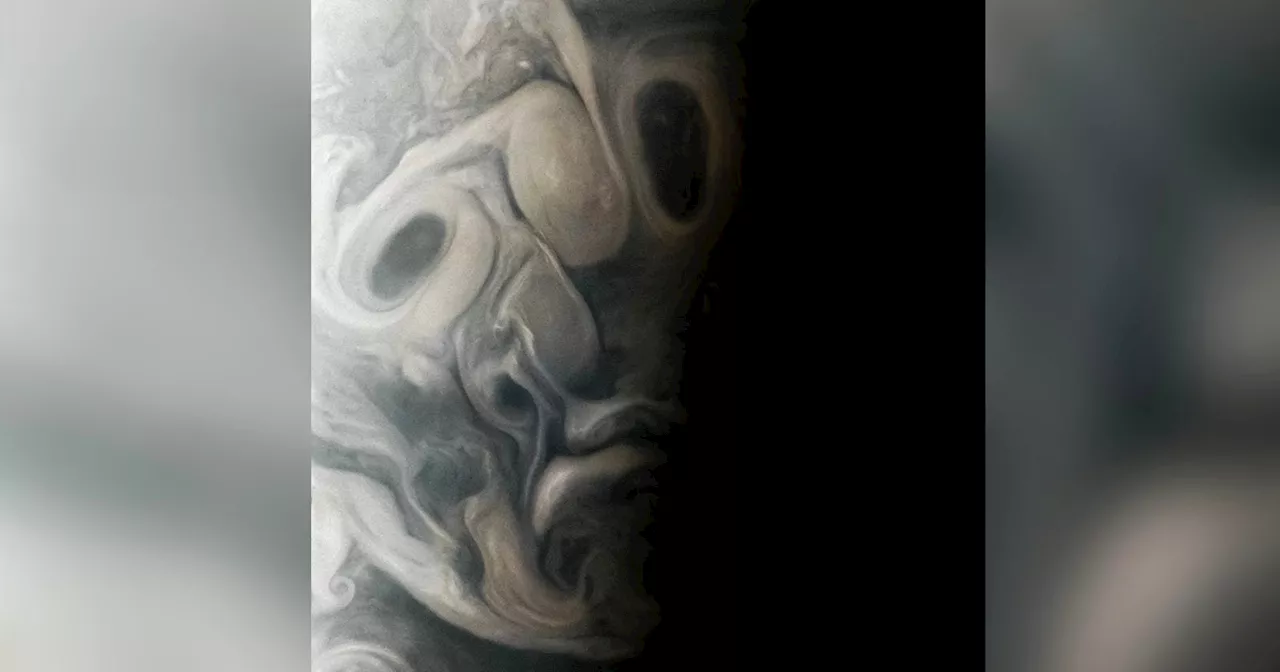 Space Probe Captures a Creepy ‘Face’ Looking Out From JupiterNASA has released an image showing Jupiter with an eerie 'face' on the surface just in time for Halloween.
Read more »
 Behold This Scary Face in the Clouds of JupiterScience and Technology News and Videos
Read more »
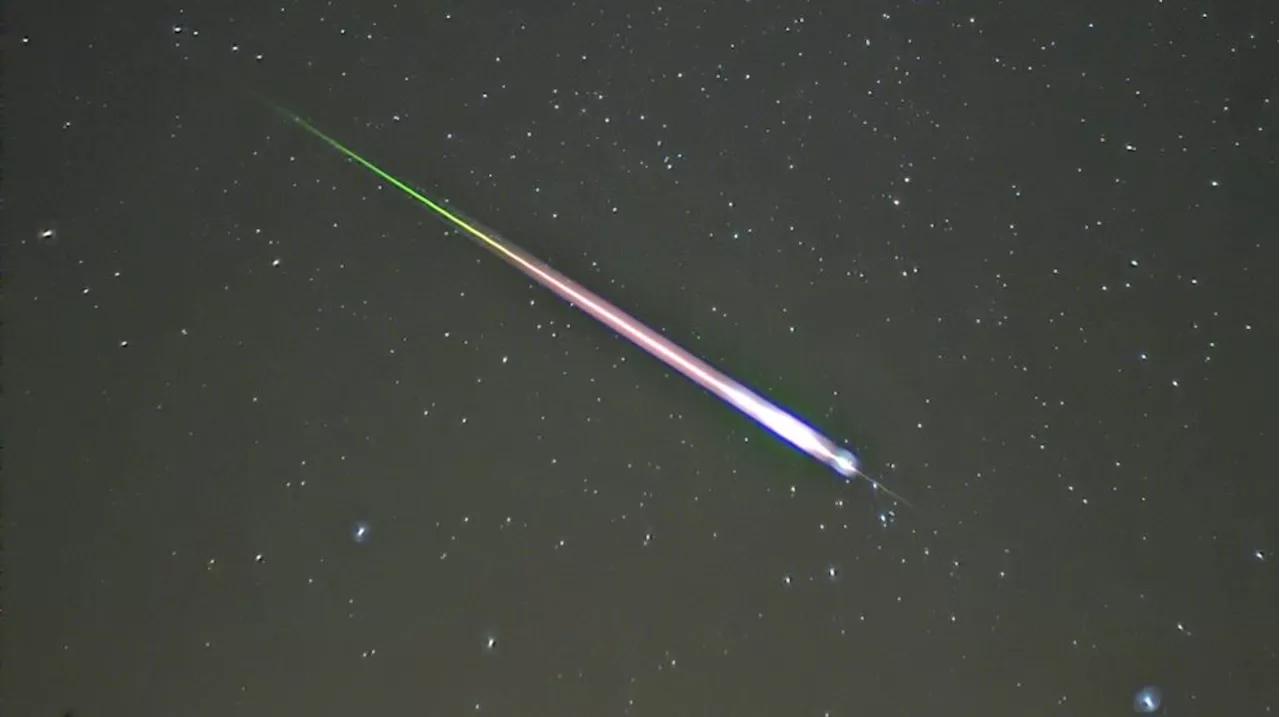 November to bring famous meteor shower, stunning views of JupiterA trio of astronomical events will grace the night sky throughout the new month, including one of the most well-known meteor showers in recent history and the final full moon of fall. Stargazers may have to bundle up to enjoy the sights of the cosmos as colder air begins to settle across North America in...
Read more »