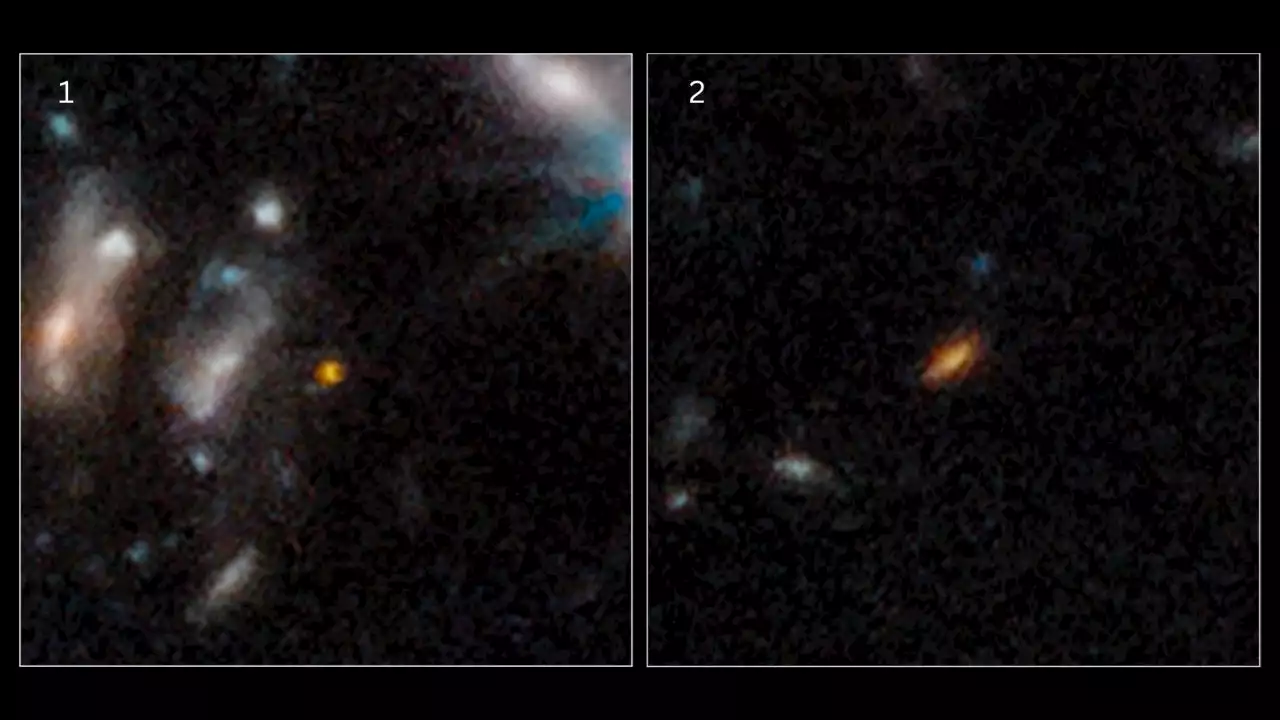
International scientists are shedding light on two of the farthest galaxies seen to date. The early galaxies were captured in James Webb Space Telescope pictures.
Theoretical physicist Dr. Michio Kaku explains the significance of new images provided by NASA's Webb Space Telescope on 'Sunday Night in America.'call a"whole new chapter in astronomy," the observatory has helped to locate two early galaxies, one of which may contain the most distant starlight ever seen.
Naidu led one paper and Marco Castellano, of the National Institute for Astrophysics in Rome, Italy, led the other.These two galaxies are thought to have existed 350 & 450 million years after the big bang . Unlike our Milky Way, these first galaxies are small and compact, with spherical or disk shapes rather than grand spirals.
NASA said, as has long been theorized, that these would be the first stars ever born, made up only of primordial hydrogen and helium.
United States Latest News, United States Headlines
Similar News:You can also read news stories similar to this one that we have collected from other news sources.
 James Webb Space Telescope captures image of cosmic chaos caused by very young starNASA's James Webb Space Telescope recently snapped images of beautiful cosmic glows, which show what the sun and solar system looked like in its infancy. Credit: NASA/ESA/CSA/STScI
Read more »
 James Webb Space Telescope spots what may be the most distant galaxy yet foundScientists say the new observations are just the tip of the iceberg of new discoveries coming in from Webb.
Read more »
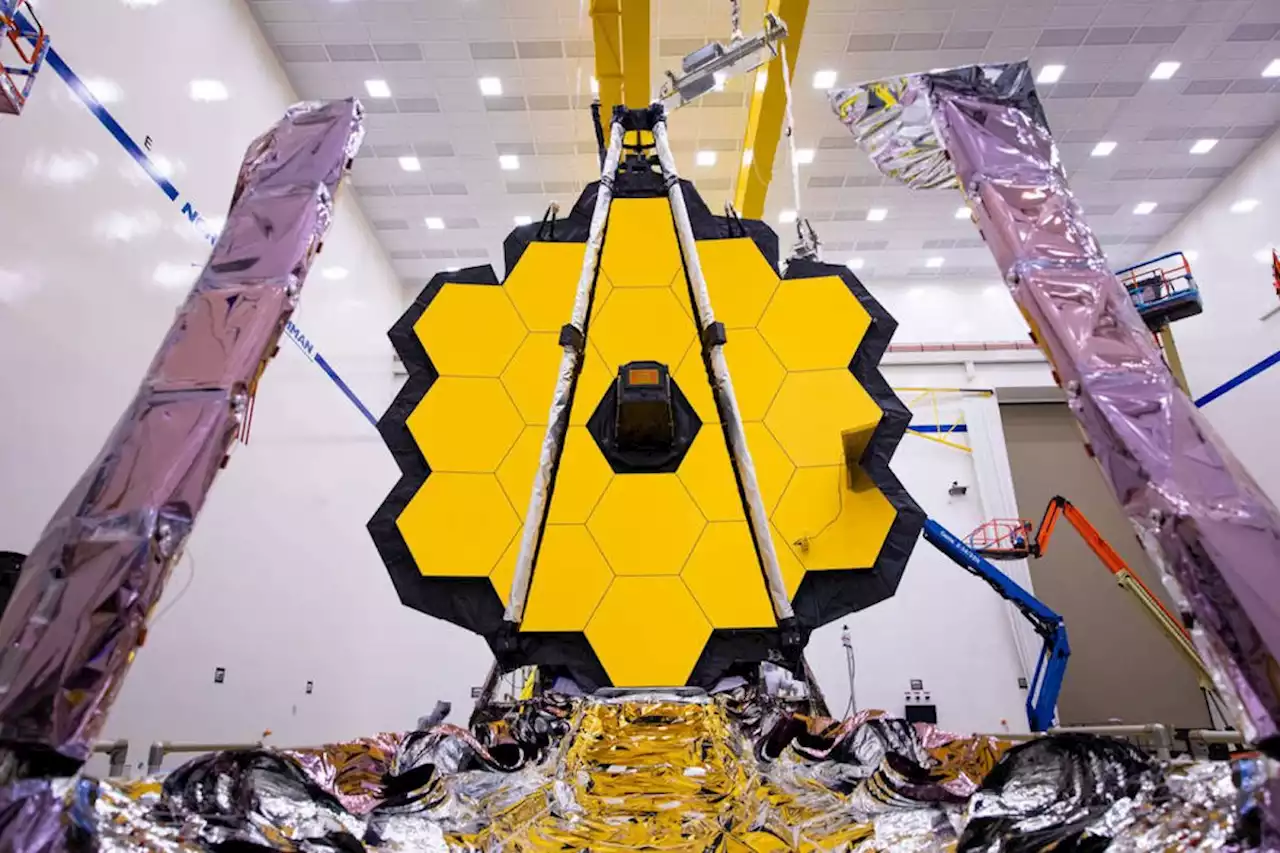 It's official: NASA won't rename James Webb Space TelescopeThe agency has cleared former NASA chief James Webb of persecuting LGBTQ+ staffers.
Read more »
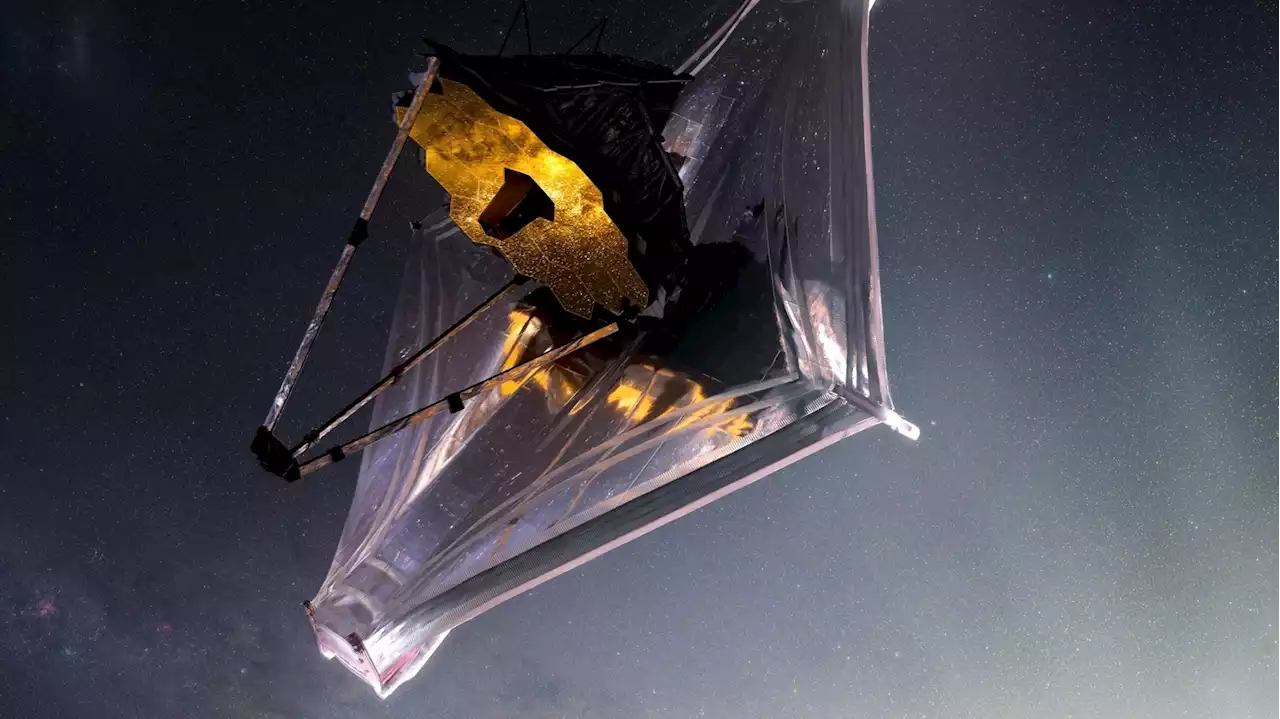 NASA once again declines to rename the James Webb Space TelescopeNASA says an extensive review of historical records found no evidence that Webb ever led or supported purges of government employees who were gay. But some astronomers think that's a pretty low bar.
Read more »
 NASA once again declines to rename the James Webb Space TelescopeNASA says an extensive review of historical records found no evidence that Webb ever led or supported purges of government employees who were gay. But some astronomers think that's a pretty low bar.
Read more »
 NASA still won't rename the James Webb Space Telescope, citing new investigation into namesake's career | CNNOfficials at NASA have released their investigation into the space telescope's namesake, the late NASA Administrator James Webb. There is no evidence linking Webb to discriminatory firings during the Lavender Scare of the 1950s, the investigation concluded.
Read more »