


 +34

A look at cancer cells: Thanks to an innovative method of super-resolution microscopy, researchers observed with molecular resolution in 3D how therapeutic antibodies attack and alter B cells, thereby inducing their destruction. Their research presents the new type of molecular 3D visualization of antibody-cell interactions.
A look at cancer cells: Thanks to an innovative method of super-resolution microscopy, researchers observed with molecular resolution in 3D how therapeutic antibodies attack and alter B cells, thereby inducing their destruction.
Their research presents the new type of molecular 3D visualization of antibody-cell interactions. The visualization of the molecular interaction between antibody and tumor cell opens up new avenues for improved immunotherapies against cancer. In blood cancers such as chronic lymphocytic leukaemia, B cells of the immune system multiply uncontrollably. One form of therapy involves labelling the CD20 protein on the surface of the B cells with customised antibodies. This triggers a chain of immunological reactions and ultimately leads to the destruction of the cancer cells. Such immunotherapeutic antibodies have been used against tumour diseases for 30 years. 'Although it is crucial for the success of the therapy, we still know very few details about how the antibodies bind to CD20 and how the subsequent reactions take place,' says Professor Markus Sauer from the Biocentre of Julius-Maximilians-Universität Würzburg in Bavaria, Germany.This is now likely to change: A team led by the JMU biophysicist has developed a new super-resolution microscopic method. It makes it possible for the first time to investigate the interactions of therapeutic antibodies with target molecules on tumour cells in 3D with molecular resolution. 'We can now observe how effectively the antibodies work and thus contribute to the development of improved therapies,' says Markus Sauer., first author Dr Arindam Ghosh and a team from Markus Sauer's chair describe how the newly developed technology works and what findings have already been obtained with it. Dr Thomas Nerreter and Professor Martin Kortüm from the Medical Clinic II at Würzburg University Hospital were also involved in the study.The Würzburg researchers carried out their studies on fixed and living Raji B cells using the new microscopy method. This cell line originates from a patient's Burkitt's lymphoma and is often used in cancer research. The researchers brought the cells into contact with one of the four therapeutic antibodies RTX, OFA, OBZ and 2H7. All four antibodies crosslink the CD20 molecules in the cell membrane, resulting in strong localised accumulations of the antibodies. This activates the so-called complement system and initiates the killing of the cells by the immune system. In contrast to the current classification of therapeutic antibodies, the results show that the concatenation of the CD20 molecules occurs independently of whether the antibodies belong to type I or II. The experiments also show that all four antibodies crosslink CD20 molecules that are located at specific sites on the membrane -- on micrometre-long protrusions of the membrane called 'microvilli'. At the same time, the binding of the therapeutic antibodies polarises the B cell and the outstretched microvilli are stabilised. As a result, the B cells take on a kind of hedgehog shape because the membrane protrusions are only located on one side of the cell.What happens next? 'The previous classification of therapeutic antibodies into types I and II can no longer be maintained,' says Dr Arindam Ghosh. Until now, research has assumed that therapeutic antibodies of type I have a different mechanism of action than those of type II. However, the Würzburg studies disprove this. 'The hedgehog shape makes the B cells appear as if they want to form an immunological synapse with another cell,' says the JMU researcher. It is conceivable that the treated B cells activate macrophages and natural killer cells of the immune system in this way. The research team now will clarify whether this assumption is correct in further studies.Arindam Ghosh, Mara Meub, Dominic A. Helmerich, Julia Weingart, Patrick Eiring, Thomas Nerreter, K. Martin Kortüm, Sören Doose, Markus Sauer.Researchers have published results that show encouraging therapeutic options for patients with the blood cancer multiple myeloma after first-line treatment with bispecific antibodies fails. ... Researchers have identified the genetic and molecular fingerprints of different cancer and immune cells in glioblastoma, the deadliest and most common type of brain cancer in adults. Their in-depth ... Researchers have used advanced electron microscopy technology to see how human viruses move in high resolution in a near-native environment. The visualization technique could lead to improved ... Scientists report they have designed and successfully tested an experimental, super small package able to deliver molecular signals that tag implanted human cancer cells in mice and make them visible ...Brain Cells Remain Healthy After a Month on the International Space Station, but Mature Faster Than Brain Cells on Earth
Scratch the next story
Immune System Stem Cells Pancreatic Cancer Bioethics Ethics Public Health World Development
United States Latest News, United States Headlines
Similar News: You can also read news stories similar to this one that we have collected from other news sources.
 New immunotherapy platform with increased potential to target cancer cellsResearchers have revealed the molecular structure of TRACeR-I, a protein platform for reprogramming immune responses.
Read more »
 Unlocking the potential to better target cancer with immunotherapyCancer immunotherapy has revolutionized treatment for patients, whereby the body's own immune system is harnessed to destroy cancer cells. Typically, several molecules restrain the ability of T cells to target cancer cells and developing approaches to limit this restraining effect can lead to improved effectiveness of cancer immunotherapy.
Read more »
 Cancer-Free Mom Credits Immunotherapy for Second Chance at LifeTina Willits, diagnosed with aggressive HER2 positive breast cancer, defied expectations and achieved remission through immunotherapy. After being told she had only 24 months to live, Willits sought alternative treatments and found success with immunotherapy, highlighting its potential as a breakthrough cancer treatment.
Read more »
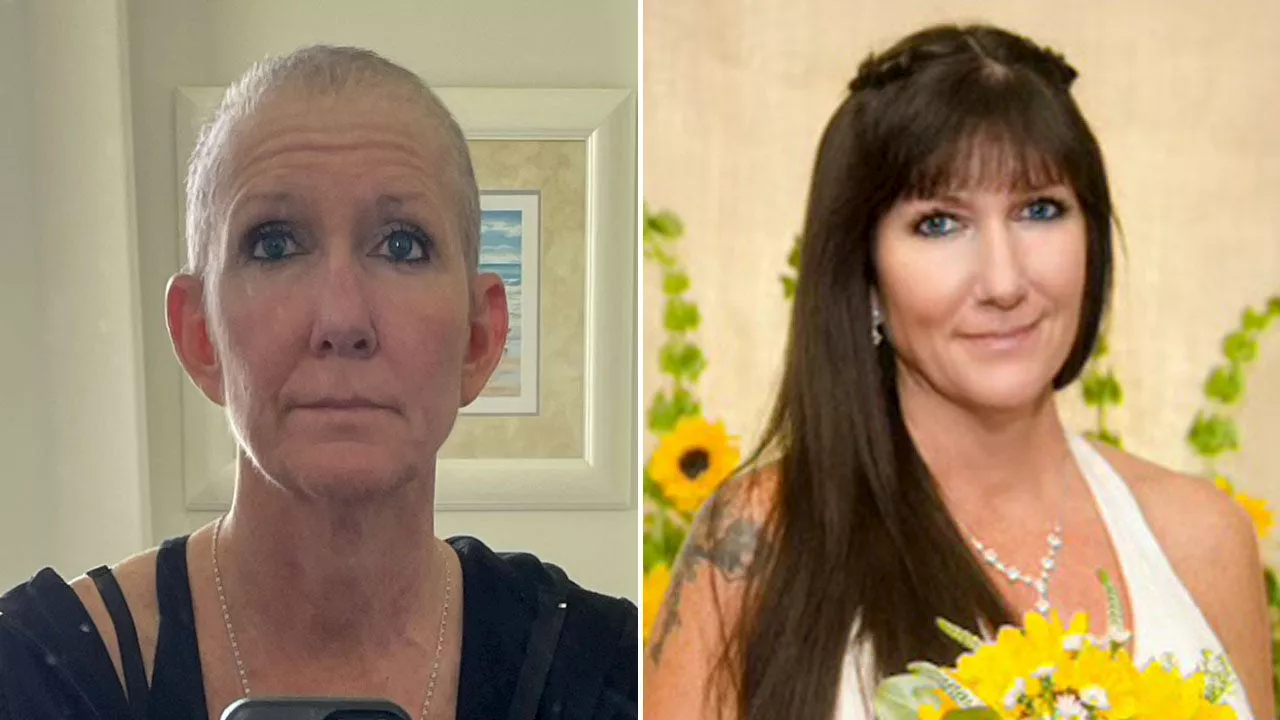 Immunotherapy Gives Cancer Patient 'About 24 Months' More to LiveTina Willits, diagnosed with aggressive HER2 positive breast cancer and given two years to live, turned to immunotherapy and is now cancer-free. She shares her story and the hope that it brings to others battling the disease.
Read more »
 The Evidence Gap: Immunotherapy Timing in Early-Stage NSCLC?Oncologists want definitive guidance on whether patients with resectable NSCLC benefit from immunotherapy before and after surgery or whether adjuvant therapy is unnecessary.
Read more »
 Jimmy Carter's Melanoma Battle Sparked Immunotherapy RevolutionFormer President Jimmy Carter's 2015 diagnosis of metastatic melanoma brought global attention to immunotherapy, a groundbreaking cancer treatment. Carter's successful treatment with pembrolizumab, known as Keytruda, offered hope to millions of cancer patients and spurred further research in this field.
Read more »