
Heavy rainfall in western Cuba could produce flooding and landslides, forecasters said, and hurricane-force winds were expected later Monday.
“Just got to prepare for these things, hope for the best, and prepare for the worst and, you know, hunker down, as they say,” said Derek Hughes as he waited to load up his car with sandbags at a city park in Tampa.
“The property — we can rebuild someone’s home,” DeSantis said during a news conference Monday. “You can’t unring the bell, though, if somebody stays in harm’s way and does battle with Mother Nature." “Once the storm surge comes in, help may not be available to reach you,” the county said in a public advisory.
MacDill Air Force Base, located on Tampa Bay, is preparing to evacuate several aircraft and began a mandatory evacuation Monday morning for personnel who live in local counties, the Air Force said in a statement.
United States Latest News, United States Headlines
Similar News:You can also read news stories similar to this one that we have collected from other news sources.
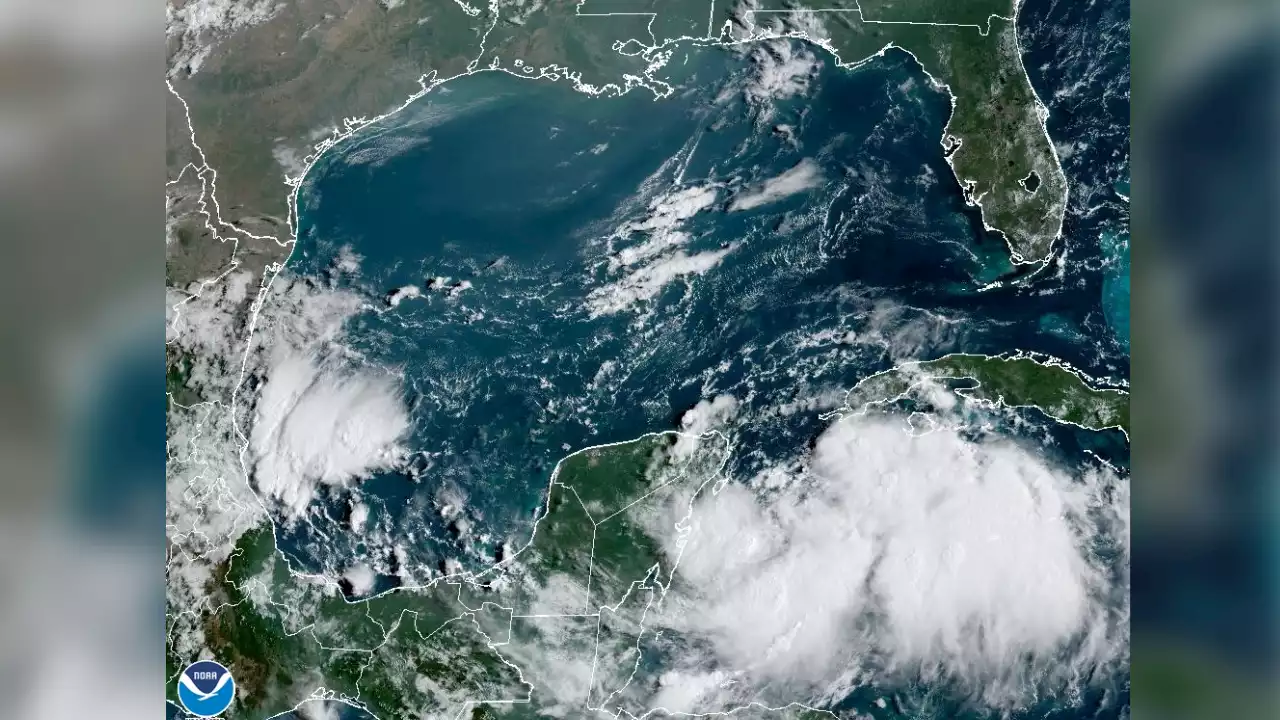 Live updates: Tropical Depression 10 likely to become Tropical Storm Idalia Sunday on path to FloridaLive updates on Tropical Depression 10 as it makes its way through the Gulf of Mexico toward Florida. Latest models, cones, direction, speed, warnings, watches, and information.
Read more »
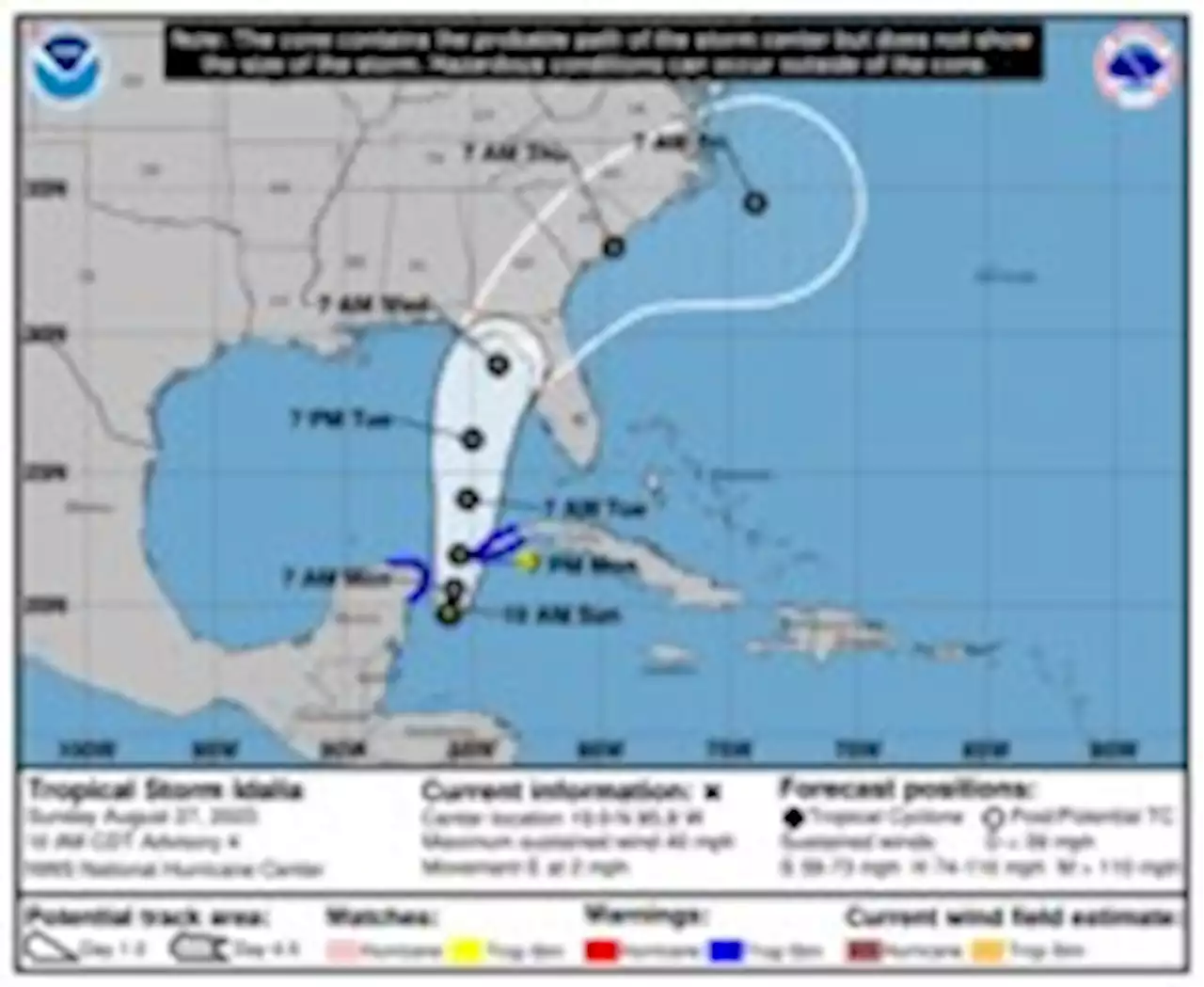 Florida faces significant hurricane threat as Tropical Storm Idalia formsThe storm could rapidly gain strength over the eastern gulf before making landfall Tuesday into Wednesday.
Read more »
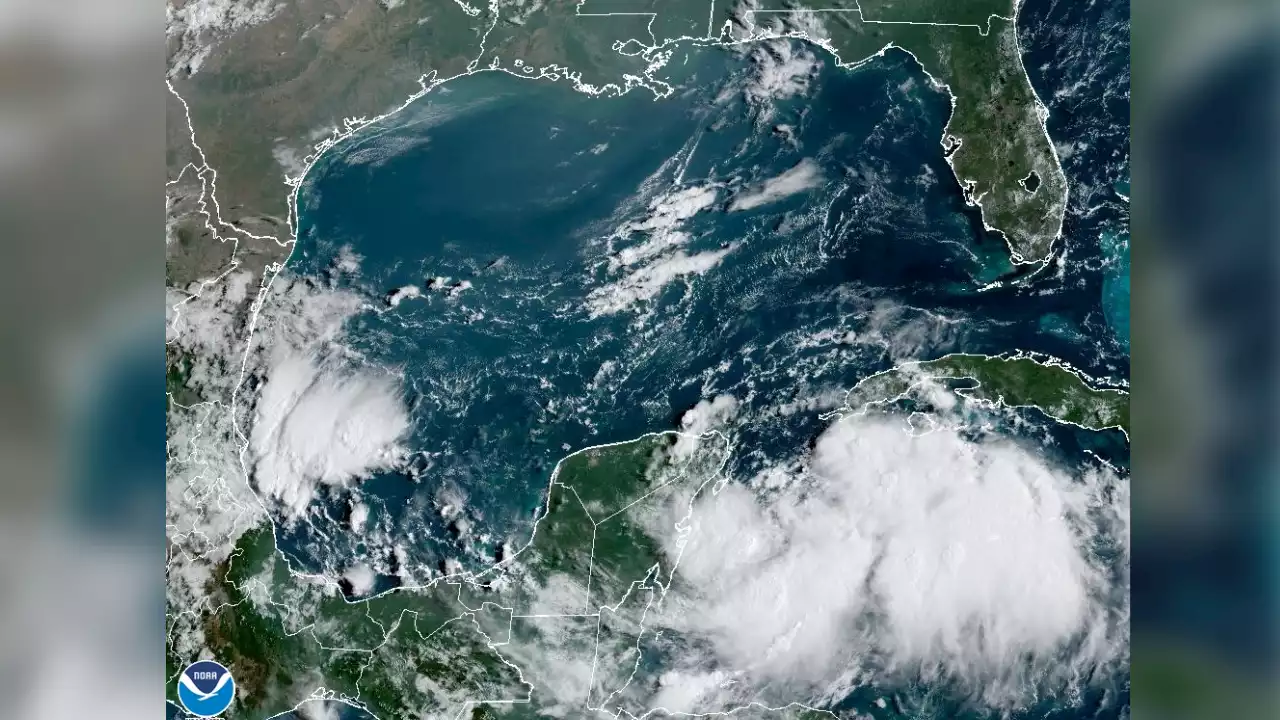 Tropical Storm Idalia forms near Gulf, expected to hit Florida as hurricaneLive updates on Tropical Depression 10 as it makes its way through the Gulf of Mexico toward Florida. Latest models, cones, direction, speed, warnings, watches, and information.
Read more »
 Tropical Storm Idalia forms, headed toward Florida likely as a hurricaneTropical Depression 10 was upgraded to Tropical Storm Idalia on Sunday morning.
Read more »
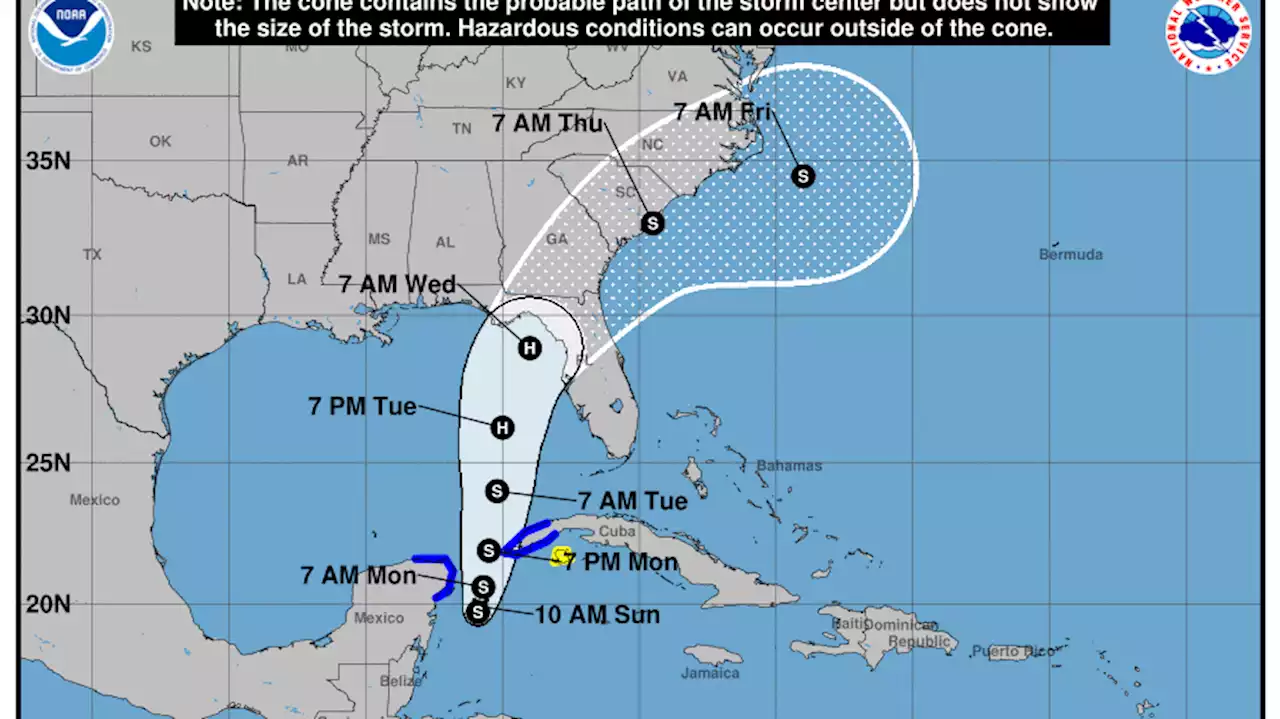 Tropical Storm Idalia could reach hurricane strength before hitting Florida this weekForecasters say the storm is expected to intensify as it moves north over the Gulf of Mexico, but it's still unclear how strong it will be and what path it will take.
Read more »