
New research has revealed that ice algae can store nutrients, a discovery that may enable them to colonize more of the ice sheet, darkening and accelerating its melting.
New research reveals that ice algae can store nutrients, a discovery that may enable them to colonize more of the ice sheet, darkening and accelerating its melting. While the sun's warmth triggers the melting of snow and the blooming of ice algae, a phenomenon traditionally observed in spring, climate change is causing earlier springs, potentially allowing the algae to expand their reach more rapidly.
These algae contain a brown pigment that darkens the ice, reducing its ability to reflect sunlight and leading to faster melting. This phenomenon has been known for some time, but the belief was that the algae had limited ability to colonize the ice due to the scarcity of nutrients in this icy environment. This new research, however, challenges that assumption. Laura Halbach, a researcher recently awarded her PhD from Aarhus University, and her team at the Max Planck Institute in Bremen, have discovered that ice algae are remarkably efficient at utilizing very limited nutrients and storing energy. This finding suggests they can colonize far larger areas of the ice sheet than previously thought. Halbach's groundbreaking research involved using innovative methods to measure the activity of individual algae cells from the Greenland Ice Sheet. This allowed her to observe their unique ability to thrive in nutrient-poor conditions and accumulate energy reserves. Ice algae are tiny, single-celled organisms found on ice surfaces worldwide, including the Greenland ice sheet, the Alps, and glaciers in the Himalayas and Alaska. Like plants, they release oxygen through photosynthesis and create organic molecules, requiring sunlight, water, CO2, and small amounts of phosphorus, nitrogen, and carbon. Recent expeditions have revealed a surprisingly diverse ecosystem thriving on the Greenland ice sheet, encompassing not just ice algae but also bacteria, fungi, and even viruses. Isolating the role of ice algae within this complex community has been a challenge, as samples typically contain a mix of microorganisms. Halbach's team addressed this issue by feeding the entire ecosystem labeled nutrients, allowing them to trace which organisms consumed them. This technique, combined with a highly precise mass spectrometer, enabled them to measure the nutrient uptake of individual algae cells. The findings revealed that ice algae efficiently absorbed the scarce nutrients available and stored phosphorus, a crucial element for their metabolism. This phosphorus storage capacity, potentially derived from local rocks containing phosphate minerals, could be a key factor enabling their colonization of nutrient-poor ice regions
ICE ALGAE CLIMATE CHANGE NUTRIENT STORAGE GREENLAND ICE SHEET ECOSYSTEM
United States Latest News, United States Headlines
Similar News:You can also read news stories similar to this one that we have collected from other news sources.
Trina Storage Releases Insightful White Paper on Advanced Battery Cell Technology for Energy Storage SystemsTrina Storage, a global leader in energy storage solutions, unveils a new White Paper examining state-of-the-art battery cell technologies and their impact on the future of energy storage. The paper explores innovations, market trends, and technical advancements, highlighting features like extended cycle life, high consistency, and enhanced safety.
Read more »
 Ice Cream Truck Mistaken for ICE Vehicle Sparks Online PanicBilly Settlemyers, owner of Las Vegas Ice Cream Patrol, found himself targeted by online accusations after his truck was mistaken for an Immigration and Customs Enforcement vehicle. A social media user falsely claimed the truck was part of a plot to round up illegal migrants, sparking fear and violent threats against Settlemyers.
Read more »
 Ancient Ice Shelf Suggests West Antarctica Might Not Collapse EntirelyA study on an Antarctic ice shelf suggests that the West Antarctic ice sheet may be more resilient to complete collapse due to climate change than previously thought. Analysis of an ice core indicated that the Ronne ice shelf persisted during a warm period over 120,000 years ago, offering hope that the ice sheet might not entirely melt. However, uncertainties remain, and sea level rise from melting ice is still a major concern.
Read more »
 WD_Black Storage Expansion Card Expands Xbox Series X/S StorageWith video game file sizes constantly increasing, the WD_Black storage expansion card offers a simple solution to boost your Xbox Series X or Series S storage capacity. This plug-and-play external SSD adds 2TB of usable space, tripling your console's storage. It's officially licensed by Xbox and Microsoft to utilize the Xbox Velocity Architecture, ensuring fast loading times and seamless Quick Resume functionality.
Read more »
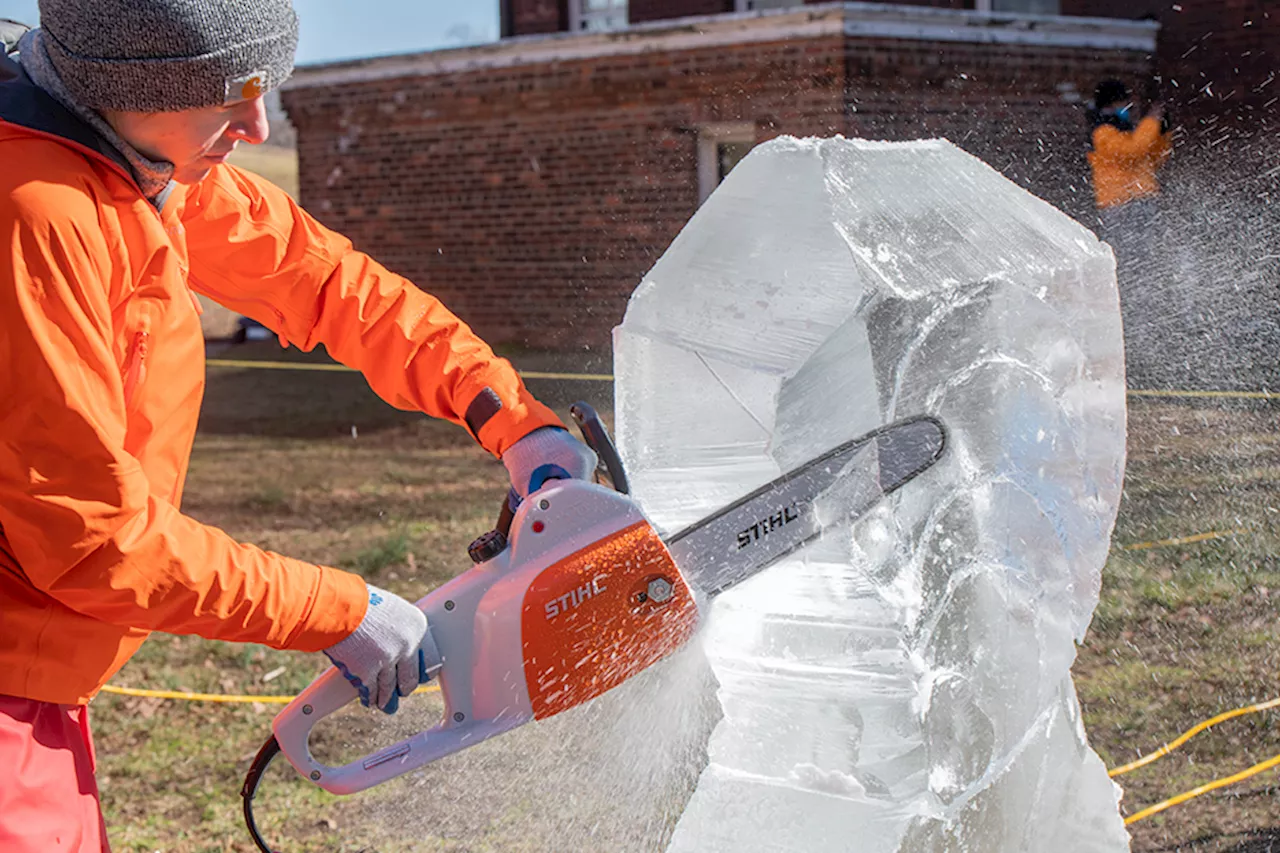 Ten Ice Sculptors to Compete in Governors Island Ice Sculpture ShowThe fourth annual Governors Island Ice Sculpture Show will feature ten ice sculptors competing to create the most impressive works. The public is invited to watch the live carving and enjoy a variety of other activities, including music, dance, and food vendors.
Read more »
 Tracking algae species interactions to help predict harmful algae bloomsBecause of climate change, harmful algal blooms are increasing in frequency and intensity. New science helps demystify the frequent harmful algal blooms in the Pacific off the coast of Chile by studying how algae species interact with each other and their environment.
Read more »