
IAEA Director-General Rafael Grossi states that while Iran's nuclear program sustained substantial damage from strikes, elements persist and knowledge cannot be eliminated through bombing. He highlights the complexity of uranium enrichment and the potential for Iran to conduct it in small-scale operations.
International Atomic Energy Agency Director-General Rafael Grossi said on Sunday that Iran ’s nuclear program has sustained “enormous damage,” but warned “elements that were not destroyed persist” in the wake of both last summer’s massive U.
S. airstrikes and the current war in Iran.“There was enormous damage, in particular during the 12-Day War last year, at Isfahan, Natanz, and Fordow,” he said, referencing Iran’s Grossi said the month-long Operation Epic Fury has included “targets and objectives that go far beyond the range of the nuclear field,” but even combined with the damage from last year’s strikes, “not everything was destroyed.” Grossi also agreed with Zakaria’s observation that one “cannot bomb the knowledge away,” or eliminate Iran’s intellectual progress toward nuclear weapons with an aerial bombing campaign. “Don’t forget that this activity of uranium enrichment, which is rather complex, is not something that is impossible to do. The methodology is quite sophisticated. The centrifuges that spin at high velocity, to separate the isotope of uranium which is interesting from the one which is not – all of these things Iran has mastered over the years,” he said. Grossi noted that uranium enrichment is “not, per se, a nuclear activity,” and if the Iranians are patient enough, it can be conducted in small-scale operations that would be difficult to hunt down and destroy. “You may have, in Iran, thousands – or perhaps more – of workshops, or small factories, where they could reproduce these capacities,” he said. Grossi agreed with U.S. intelligence estimates that the U.S. stealth-bomber strikes against Isfahan, Natanz, and Fordow inflicted “very considerable” damage, pushing Iran’s nuclear program back for years, but he said “there are things that remain.” Zakaria argued that this analysis contradicted “the administration’s current claims” that if Operation Epic Fury had not been initiated, Iran could be only a few weeks or months away from putting a nuclear bomb together. Grossi said he was not privy to the intelligence data behind those claims, but he reminded Zakaria that Iran’s “stockpile of enriched uranium” appears to have survived the 12-Day-War.with Iran’s assertions that it has a “right to enrichment,” and expressed some sympathy for the U.S. desire to restrict Tehran to “very limited enrichment activities” under IAEA supervision. “Perhaps a suspension of these activities could be agreed for a few years, without Iran resigning permanently, as part of a trust-building process,” he suggested. Grossi was reluctant to either endorse or condemn the U.S-Israeli action against Iran, restating his preference for negotiations under almost any circumstances. He spoke well of Iran’s negotiators, saying they are “extremely intelligent and defend their positions, just as the United States and Israel do,” although he hason Sunday that Iran’s heavy water plant at Khondab has “suffered severe damage and is no longer operational.” Heavy water is not itself a nuclear material, but it is vital to nuclear research and power plant construction. Khondab wasMeeks: I Don't Want ICE At Airports Even if They Do HelpPaul: '50-50' Chance of a 2028 Presidential RunComer: Department of Justice ‘Botched’ Release of Epstein FilesSec. Bessent: Treasury Could Reward Healthcare Fraud Whistleblowers Up to 30% as Tips Surpass 700Exclusive – RX Border Defense’s Patsy Writesman on CCP’s Stranglehold on Skinny: FDA’s ‘Green List’ Surrendered GLP-1 Supply Chain to ChinaBrennan: Our Allies See U.S. ‘No Longer to Be Trusted’ Under Trump
Iran Nuclear Program IAEA Uranium Enrichment Military Strikes
United States Latest News, United States Headlines
Similar News:You can also read news stories similar to this one that we have collected from other news sources.
 Uganda's Military Chief Signals Potential Military Intervention in Iran-Israel ConflictGeneral Muhoozi Kainerugaba, son of Uganda's president, has made public statements on social media indicating Uganda's support for Israel and willingness to intervene in the conflict with Iran, raising concerns about escalating tensions in the Middle East and its impact on the nation's geopolitical alignment and military readiness. This could potentially draw Uganda into the war.
Read more »
 U.S.-Israel War with Iran Escalates: Troops Wounded, Military Buildup, and Nuclear Facility AttacksThe ongoing conflict between the U.S., Israel, and Iran enters its 29th day with escalating attacks and military deployments. Iranian missile attacks have wounded U.S. troops, while Israel intensifies attacks on Iranian nuclear facilities. The U.S. is increasing its military presence in the Middle East with the arrival of the USS Tripoli and additional forces. Casualties continue to rise, and international criticism of U.S. actions emerges.
Read more »
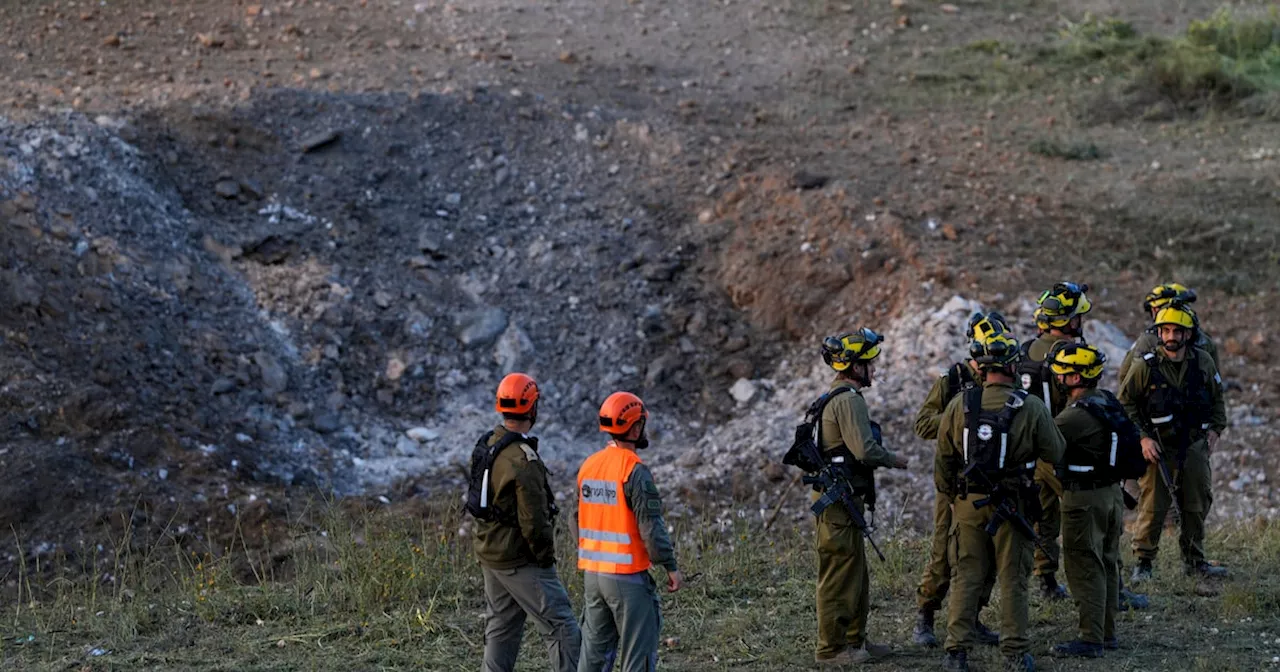 Pakistan says it will host U.S,-Iran talks as Iran warns against ground troopsPakistan announced Sunday that it will soon host talks between the U.S. and Iran.
Read more »
 Will Iran’s new supreme leader allow a nuclear weapon?Basic
Read more »
 Iran’s Khondab nuclear site inactive following US-Israel military strikes, UN confirmsIAEA says Iran’s Khondab heavy water plant was severely damaged and is now out of operation after March 27 strikes.
Read more »
 U.N. Nuclear Watchdog: Iran’s Nuclear Program Sustained ‘Enormous Damage,’ but Is Not ‘Destroyed’Source of breaking news and analysis, insightful commentary and original reporting, curated and written specifically for the new generation of independent and conservative thinkers.
Read more »