
Hurricane Milton was expected to make landfall late Wednesday night on Florida’s west coast near Tampa and St. Petersburg
Hurricane Milton was expected to make landfall late Wednesday night on Florida’s west coast near Tampa and St. PetersburgUPDATE: Just before 7 a.m. Wednesday, the National Hurricane Center released an update on the Hurricane Milton, saying it had beenwas upgraded back to a Category 5 storm as it churns toward Florida’s west coast, the National Hurricane Center said.
direct hit on Tampa and St. Petersburg , engulfing the populous region with towering storm surges and turning debris from Helene’s devastation 12 days ago into projectiles.late Wednesday night on Florida’s west coast near Tampa, but forecasters said “it is critical to remember that even at 24 hours out, it is still not possible to pinpoint an an exact landfall location.”As of early Wednesday, the hurricane, with winds of 160 miles-per-hour, was in the Gulf of Mexico, north of Cuba and southwest of Florida. A live Hurricane Milton tracker can be found below.Feeling out of the loop? We'll catch you up on the Chicago news you need to know. Sign up for the weekly came ashore some 150 miles away from Tampa in the Florida Panhandle and still managed to cause drowning deaths in the Tampa area due to surges of around 5 to 8 feet above normal tide levels. Forecasters warned of a possible 8- to 12-foot storm surge in Tampa Bay. That’s the highest ever predicted for the location and nearly double the levels reached two weeks ago during Helene, hurricane center spokesperson Maria Torres said. The storm could also bring widespread flooding. Five to 10 inches of rain was forecast for mainland Florida and the Keys, with as much as 15 inches expected in some places. According to NBC 5 Meteorologist Alicia Roman, the hurricane could downgrade to a Category 4 once it makes landfall, but was still expected to be a"catastrophic" storm."Perhaps landfall in this area, the Florida barrier islands," Roman said. By Thursday, the hurricane was expected to move through the state and into the eastern part, with winds of around 80 mph.The first alerts notifying residents of Pinellas, Manatee, Pasco, Charlotte, Citrus and Hillsborough counties in Florida of a hurricane warning and storm surge warning went out via email, text message and phone call beginning at about 5:10 p.m. EDT , according to messages received by The Associated Press. That includes popular destinations like Naples, Marco Island, Bonita Springs, Fort Myers, Punta Gorda and more.The alerts warned that sturdy buildings could suffer complete roof and wall failures, and that damage could make some areas"uninhabitable for weeks or months.”The first impacts of the storm in Florida will really be felt Wednesday morning, with some bands of rain potentially reaching the coast. More importantly,In addition, the threat of tornadoes will emerge in the forecast of parts of the Florida peninsula, with that threat increasing as the storm approaches, according to the National Weather Service. Those winds could occur up to 30 miles from the center of the storm, with tropical storm-force winds extending significantly further, up to 140 miles from the center of the hurricane. As the storm makes landfall, it is expected to bring with it devastating storm surges, depending on where tides are when it arrives.are warning of storm surges of up to 10-to-15 feet in an area stretching between the Anclote River and Englewood, including heavily populated areas around Tampa Bay and Clearwater Beach. Large and dangerous waves will also occur with the storm surge, causing even more dangerous conditions near the water. Tropical storm-force winds are expected to reach the east coast of Florida by the late evening hours, according to official forecasts.By the time the storm moves out, rainfall totals of 6-to-12 inches, with localized totals of up to 18 inches, are possible, especially in a stretch of land between Tampa and Orlando, according to the National Weather Service. Thursday could also see tropical storm conditions develop along the coasts of Georgia and South Carolina, with gusty winds and roughly 2-to-4 feet of storm surge, according to the National Hurricane Center. Milton is expected to continue moving away from the coasts of Florida into the evening hours, and will start to have greater impacts in the Bahamas, according to forecast models.What is the highest category for a hurricane?The rating categorizes hurricanes on a scale of 1 to 5 based on sustained wind speeds, according to the "This scale estimates potential property damage," the NWS reports."Hurricanes reaching Category 3 and higher are considered major hurricanes because of their potential for significant loss of life and damage. Category 1 and 2 storms are still dangerous, however, and require preventative measures."In a Category Five storm,"a high percentage of framed homes will be destroyed, with total roof failure and wall collapse," according to the scale. "Fallen trees and power poles will isolate residential areas. Power outages will last for weeks to possibly months. Most of the area will be uninhabitable for weeks or months," the description states. to the ranking for storms with winds that exceed 192 miles per hour, though no such category has been officially created so far. Several experts told The Associated Press they don't think that category is necessary. They said it could even give the wrong signal to the public because it's based on wind speed, while water is by far the deadliest killer in hurricanes. often start as tropical waves that combine with warm ocean waters, according to the National Oceanic and Atmospheric Administration. They may also be fueled by thunderstorms. The weather system moves west as warm ocean air rises into it, and that creates a low pressure area underneath it, NOAA said. Air rises and cools, and that forms clouds and thunderstorms. Hurricanes have maximum sustained winds — the highest one-minute average wind speed at a particular point in time — of 74 mph or higher. If a tropical cyclone has maximum sustained winds between 39 and 73 mph , it’s called a tropical storm. If maximum sustained winds are less than 39 mph , it’s called a tropical depression. Hurricanes typically occur during hurricane season, which in the Atlantic basin occurs each year from June 1 to Nov. 30.
United States Latest News, United States Headlines
Similar News:You can also read news stories similar to this one that we have collected from other news sources.
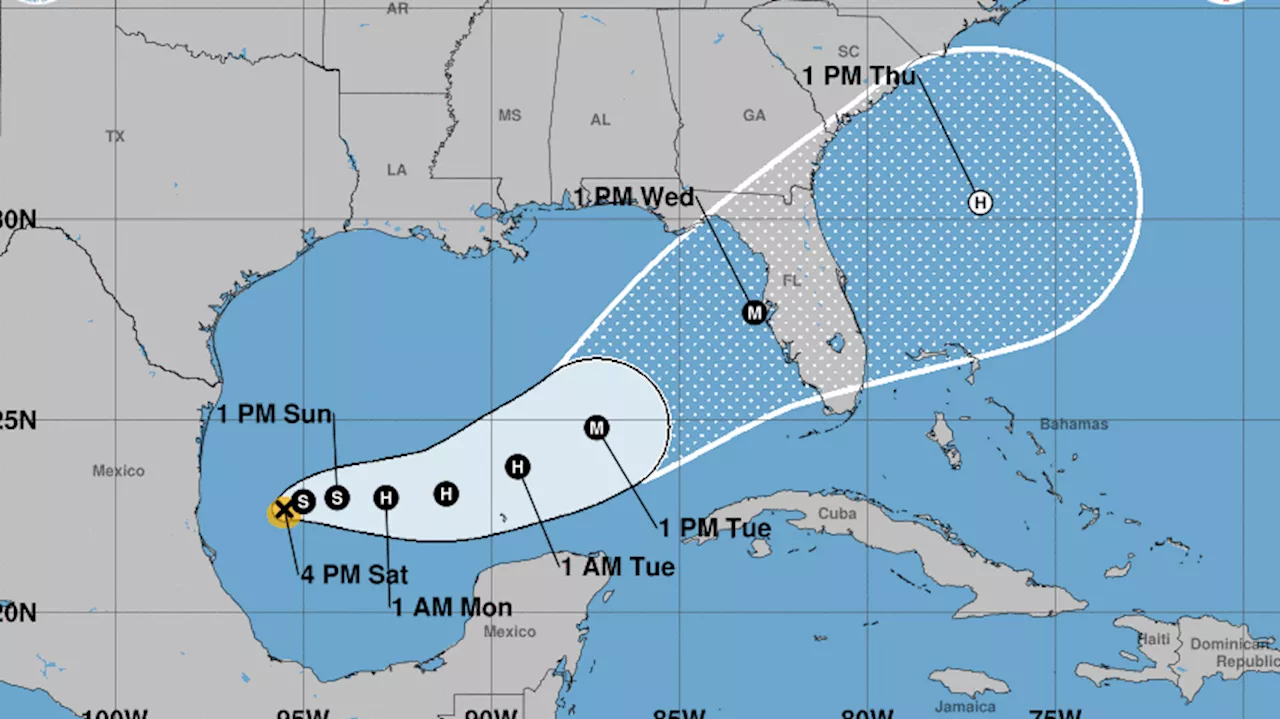 Another Possible Hurricane, Currently Tropical Storm Milton, Threatens Florida in Wake of Hurricane HeleneTropical Storm Milton is predicted to continue intensifying and could begin to affect Florida early next week.
Read more »
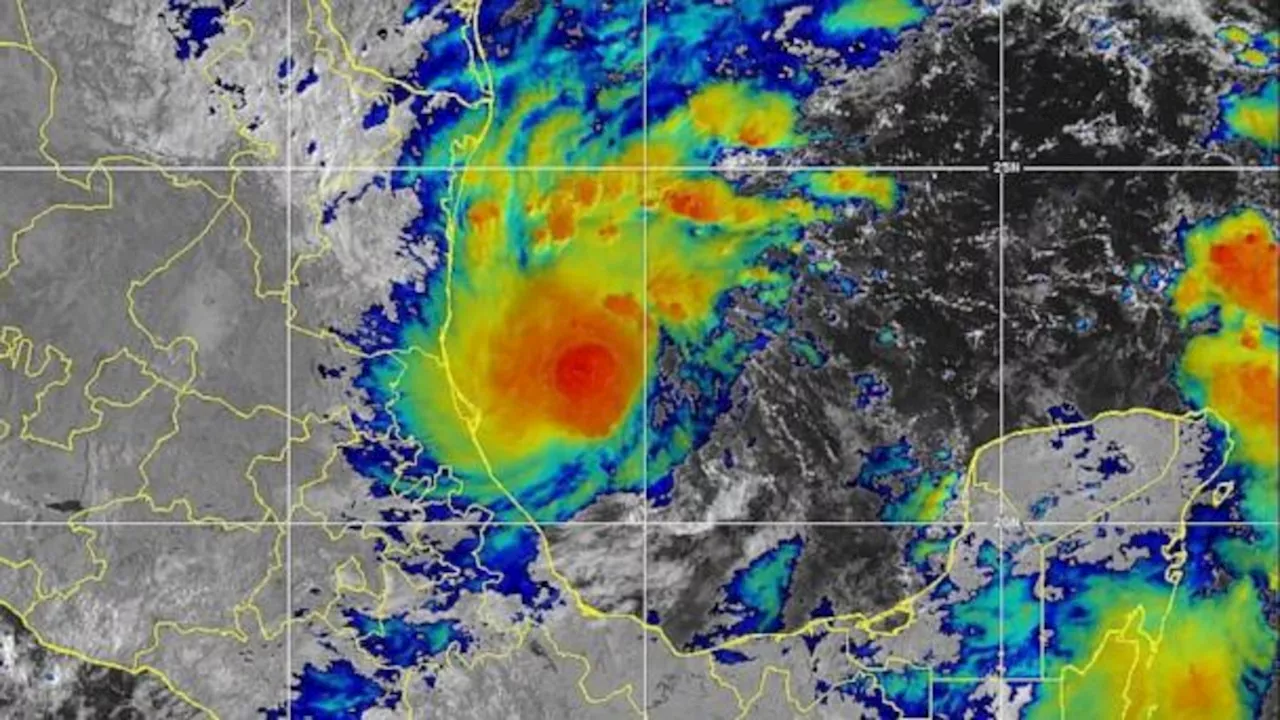 Milton forecast to be 'major hurricane' as Florida rushes to clear debris from Hurricane HeleneA new storm, Milton, is forecast to strengthen into a hurricane before making landfall in Florida this week.
Read more »
 Milton forecast to be 'major hurricane' as Florida rushes to clear debris from Hurricane HeleneA new storm, Milton, is forecast to strengthen into a hurricane before making landfall in Florida this week.
Read more »
 Milton forecast to be 'major hurricane' as Florida rushes to clear debris from Hurricane HeleneA new storm, Milton, is forecast to strengthen into a hurricane before making landfall in Florida this week.
Read more »
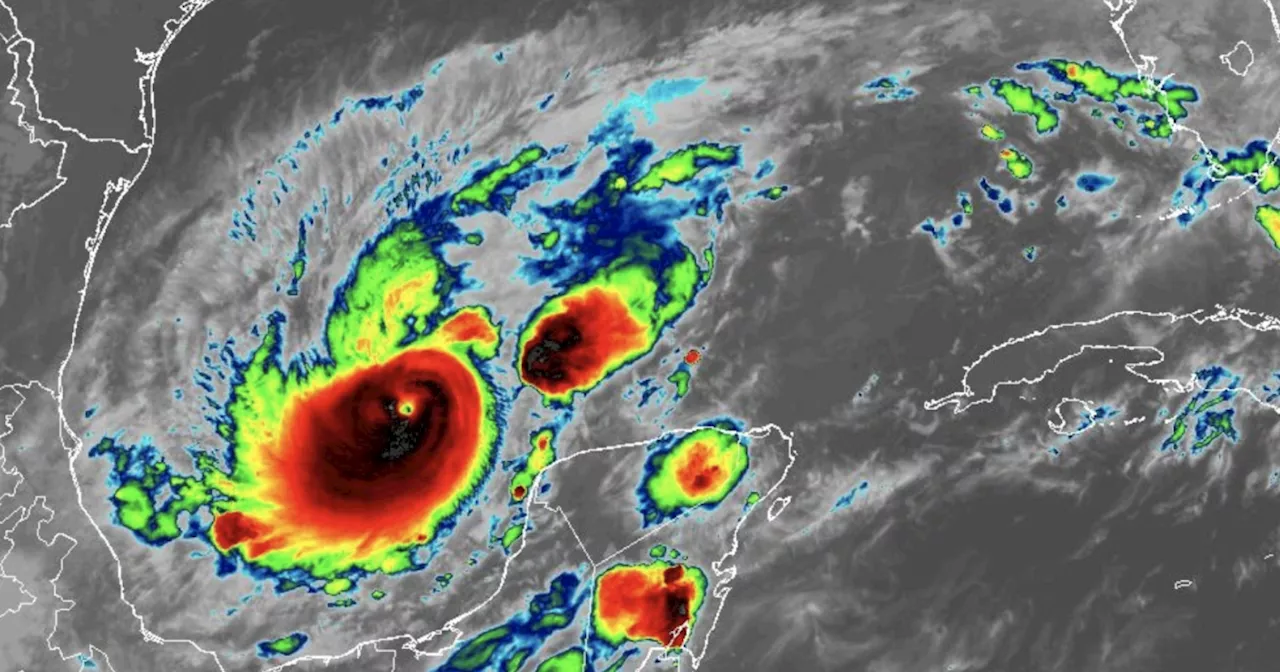 Hurricane Milton rapidly intensifies into Category 4, hurricane watches issued for Florida's Gulf CoastJustin Boggs is a writer for the E.W. Scripps company. Justin covers anything from politics to sports and entertainment.
Read more »
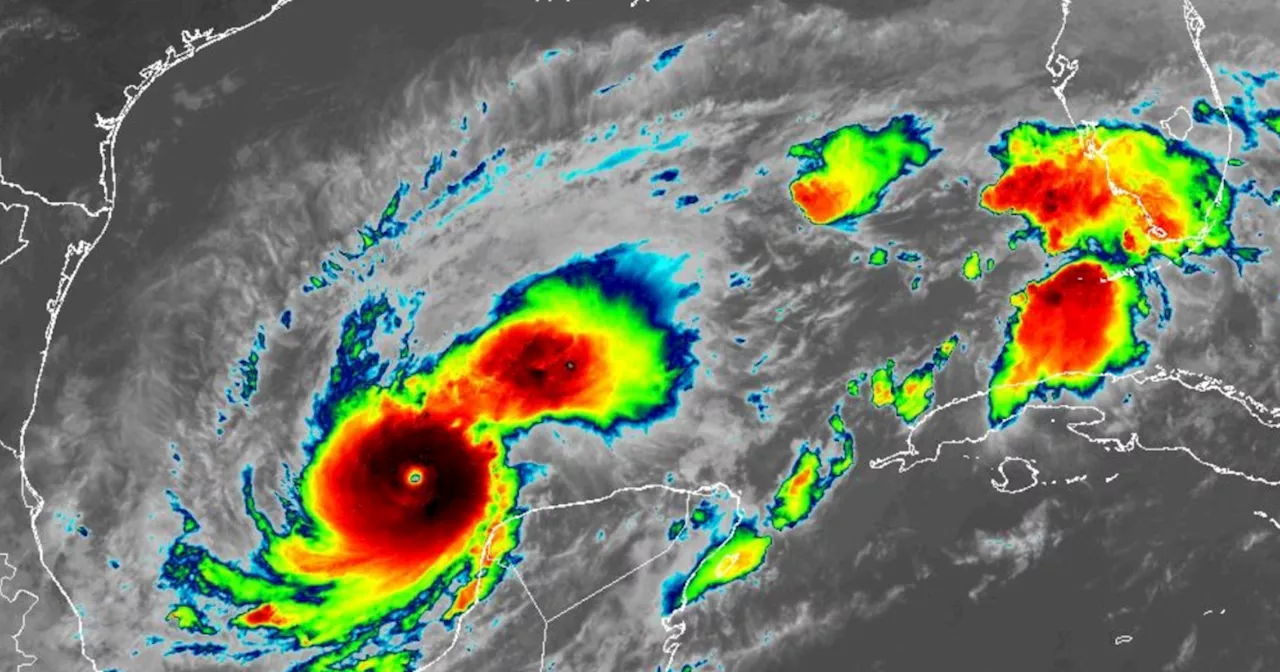 Hurricane Milton explodes into Category 5 hurricane with Florida in its sightsJustin Boggs is a writer for the E.W. Scripps company. Justin covers anything from politics to sports and entertainment.
Read more »