
Stephanie Mansour is a contributing health and fitness writer for TODAY. She is a certified personal trainer, yoga and Pilates instructor and weight-loss coach for women. She hosts “Step It Up with Steph” on PBS. Join her complimentary health and weight-loss challenge and follow her for daily inspiration on Instagram and in her new app.
Wishing to lose weight fast is a common impulse — but rapid weight loss is not typically a sustainable way to maintain good health and fitness. Fad diets and overdoing it in the gym may get results in the short term, but drastic weight loss programs can’t be maintained long-term, and may even cause harm, research shows. How long does it take to lose weight? How long it will take you to lose weight depends on your size, metabolism, goals and lifestyle, among other factors.
Try to have these foods only rarely as a treat: Sodas and other sugary drinks, including sweetened tea and coffee drinksDesserts like ice cream, cookies, cakes and piesPizza and other forms of fast foodChips and pretzels and other packaged snack foods, like chocolate chip granola barsFoods with refined grains, such as white bread, cereal and crackers Drink less alcohol More and more evidence shows that cutting out alcohol entirely can help prevent cancer, and drinking in moderation is now...
United States Latest News, United States Headlines
Similar News:You can also read news stories similar to this one that we have collected from other news sources.
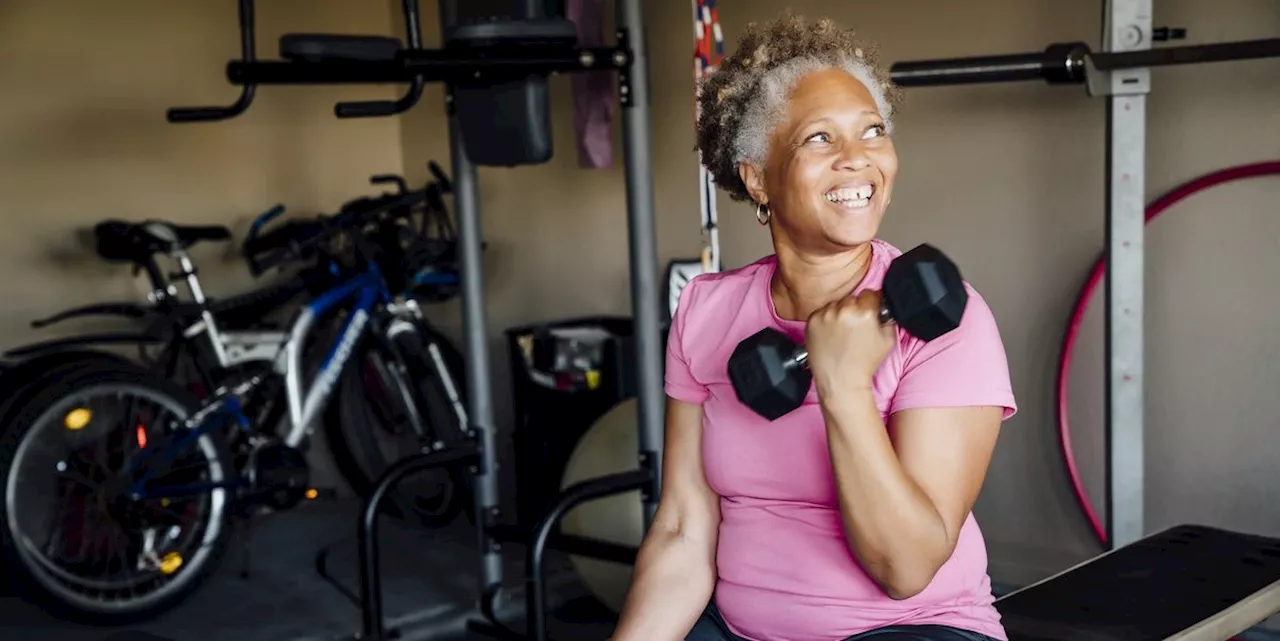 Everything to Know About Weight Training for Weight Loss, According to ExpertsCertified personal trainer, Natascha Grief, shows you how to perfect your plank.
Read more »
 Strength Training: Low Weight High Reps Vs High Weight Low Reps?Stephanie Mansour is a contributing health and fitness writer for TODAY. She is a certified personal trainer, yoga and Pilates instructor and weight-loss coach for women. She hosts “Step It Up with Steph” on PBS. Join her complimentary health and weight-loss challenge and follow her for daily inspiration on Instagram and in her new app.
Read more »
 A Dietitian's #1 Dinner Recipe to Help Her Clients Lose Weight FastYour ultimate source for expert nutrition tips and health advice, covering wellness, healthy recipes, cooking hacks, food news, style trends and shopping.
Read more »
 12 'Fake Health Foods' to Stop Eating If You Want to Lose Weight, Fitness Expert SaysDigital destination for sophisticated men & women. Live your best life with expert tips and news on health, food, sex, relationships, fashion and lifestyle.
Read more »
 How Many Days a Week Should I Workout to Lose Weight?Stephanie Mansour is a contributing health and fitness writer for TODAY. She is a certified personal trainer, yoga and Pilates instructor and weight-loss coach for women. She hosts “Step It Up with Steph” on PBS. Join her complimentary health and weight-loss challenge and follow her for daily inspiration on Instagram and in her new app.
Read more »
 If You Want to Lose Weight, 'Avoid These Foods Like the Plague,' Fitness Expert SaysDigital destination for sophisticated men & women. Live your best life with expert tips and news on health, food, sex, relationships, fashion and lifestyle.
Read more »