Clarissa Brincat is a freelance writer specializing in health and medical research. After completing an MSc in chemistry, she realized she would rather write about science than do it. She learned how to edit scientific papers in a stint as a chemistry copyeditor, before moving on to a medical writer role at a healthcare company.
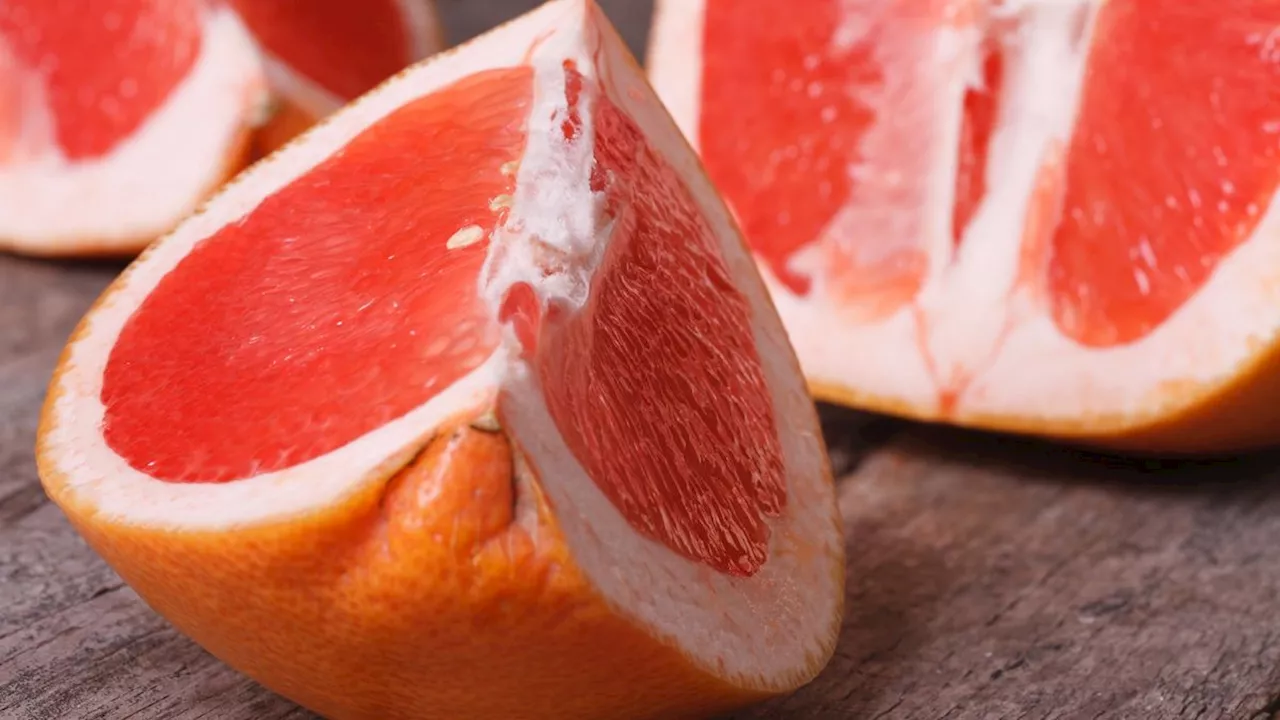
Grapefruit is considered a very healthy food because it's a good source of fiber, vitamins A and C, potassium and antioxidants — but there are times when people should avoid the sour citrus. If a person is taking certain medications, then eating whole grapefruit or drinking grapefruit juice could lead to serious side effects or make the medicine work less effectively.
But why does grapefruit interact with certain medications, and what are examples of drugs people shouldn't take with grapefruit? The primary culprit behind these drug interactions is a group of chemicals in grapefruit called furanocoumarins, Patrick McDonnell, professor of clinical pharmacy at Temple University School of Pharmacy in Pennsylvania, told Live Science in an email. Furanocoumarins can mess with some molecules and enzymes — proteins that perform chemical reactions in the body — in the small intestine. These molecules and enzymes are responsible for breaking down many drugs and carrying them into the bloodstream, but furanocoumarins throw them out of whack. In some instances, the furanocoumarins can effectively boost the dose of a drug in the body, leading to unintended effects.When medication is swallowed, it is broken down, or metabolized, by enzymes in the small intestine. One key enzyme is cytochrome P450 3A4, or CYP3A4. As the furanocoumarins in grapefruit are broken down in the body, their resulting derivatives can block the action of CYP3A4. Thus, instead of being broken down as usual, more of the drug enters the blood and also stays in the body longer, potentially leading to unwanted effects. This can happen with certain blood-pressure medications, such as nifedipine . These drugs work by relaxing blood vessels to lower blood pressure, but consuming grapefruit can increase the amount of the drug in the body, causing blood pressure to drop too low. This chain of events can also lead to a too-slow heart rate, or bradycardia, McDonnell said. Sign up for the Live Science daily newsletter nowGet the world’s most fascinating discoveries delivered straight to your inbox. By submitting your information you agree to the Terms & Conditions and Privacy Policy and are aged 16 or over.Grapefruit can also have this effect on some cholesterol-lowering statins, such as simvastatin and atorvastatin . Too-high doses of these statins can lead to muscle pain and damage. According to the Food and Drug Administration , grapefruit can also boost the levels of certain corticosteroids used to treat inflammatory bowel diseases, such as Crohn's disease. Grapefruit can also boost the levels of immunosuppressants, such as cyclosporine , which can potentially harm the kidneys. A similar effect on anxiety medications, including benzodiazepines like diazepam , can lead to excessive drowsiness, McDonnell noted. Depending on the dose of benzos a person has taken, there could be more severe effects, such as difficulty breathing. But grapefruit doesn't exert this boosting effect on all the drugs it messes with — in some cases, it can actually decrease the amount of a drug that enters the blood. This is true of the allergy medication fexofenadine . Drugs like fexofenadine are moved into cells by proteins called transporters, which move substances from one side of a cell's membrane to the other. Some of these transporters help move drugs from the intestines into the blood. Grapefruit-borne furanocoumarins block certain transporter proteins, thus causing too little of the drug to enter the bloodstream. The FDA notes that the effects of grapefruit can vary depending on the amount of the fruit or juice a person has consumed and the medication they took. But the effects can be dramatic. "Even just one grapefruit or an 8-ounce glass of grapefruit juice can change how your body processes certain drugs, especially those that rely on CYP3A4 for breakdown," McDonnell said. There are other fruits that interact with drugs,"but none really are quite as dramatic as seen with grapefruit juice," McDonnell noted. This is probably because grapefruit contains a higher concentration of furanocoumarins compared to other fruits. But other furanocoumarin-containing fruits — such as Seville oranges, tangelos and pomelos — should still be treated with caution, according to Harvard Health.—How long does it take to digest food? Besides furanocoumarins, the citric acid in fruits can pose its own issues. The osteoporosis drug alendronate interacts with various citrus juices, including orange and grapefruit. If ingested at the same time, the citric acid in the juices decreases absorption of the drug, making it less effective, McDonnell said. Interactions with grapefruit and other foods should be listed in the information leaflet that comes with a prescription or over-the-counter medication. Harvard Health also has a short list of medications that interact with grapefruit and possible alternative drugs that do not. The FDA advises asking your doctor or pharmacist to see if grapefruit juice interacts with your medication.Ever wonder why some people build muscle more easily than others or why freckles come out in the sun? Send us your questions about how the human body works to community@livescience.com with the subject line"Health Desk Q," and you may see your question answered on the website!
United States Latest News, United States Headlines
Similar News:You can also read news stories similar to this one that we have collected from other news sources.
 Warner Bros. Discovery takes $9-billion write-down from TV networks amid strugglesWarner Bros.
Read more »
 Meet Dominika Banevič, teenage breaking superstar who wants to ‘write history’ in the Olympics’ newest sportBreaking’s rising star Dominika Banevič knows all too well about believing in yourself and success from a young age.
Read more »
 What's the difference between gram-positive and gram-negative bacteria?Clarissa Brincat is a freelance writer specializing in health and medical research. After completing an MSc in chemistry, she realized she would rather write about science than do it. She learned how to edit scientific papers in a stint as a chemistry copyeditor, before moving on to a medical writer role at a healthcare company.
Read more »
 How to use Gemini AI to write anything in Google DocsDT Video
Read more »
 Did Ryan Reynolds Write It Ends With Us Rooftop Scene?'He works on everything I do,' Blake said of Ryan.
Read more »
 Melissa Joan Hart's childhood career paid for family's life: 'I wanted to be responsible'Melissa Joan Hart's money from 'Clarissa Explains It All' and 'Sabrina the Teenage Witch' put food on the table for her family, the actress claimed.
Read more »