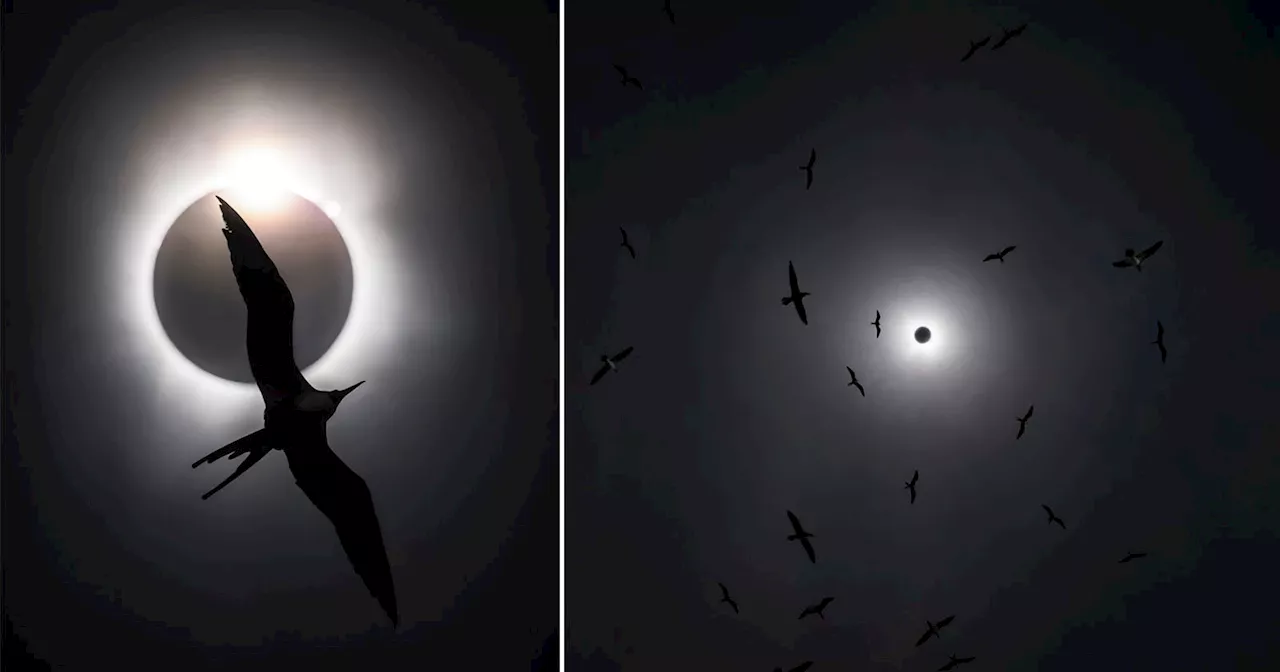
How professional nature photographer Liron Gertsman captured one of the best photos during the big solar eclipse.
, was years in the making and the culmination of research, hard work, practice, scouting, and a pinch of luck. After all, while you can control a lot, you can’t control the weather. Gertsman captured his photo on April 8th, when the great total solar eclipse carved a path across North America, northeast from Mexico to Maine and the Canadian Maritime provinces.
From a hired boat off the coast of Sinaloa, Mexico, Gertsman enjoyed four and a half minutes of totality in nearly ideal conditions and returned home to British Columbia, Canada, later that week with his dream photo.PetaPixel“When it came time to pull it off, I was looking at the upcoming solar eclipse. Obviously, it has to be a total solar eclipse rather than a partial or annular eclipse. The Moon needs to be completely covering the Sun,” Gertsman explains. “So that narrows it down, because there are only total solar eclipses every one to three years or so. And then it turned out that next one was coming up in April 2024.” Picking the April 8th, 2024, eclipse from the list, Gertsman identified some particularly appealing characteristics. Piedras Blancas off the coast of Sinaloa, Mexico. Gertsman captured this shot during one of his scouting trips a few days before the total solar eclipse. “I was looking for places that have historically good weather,” the photographer says. “This is also where my background as a biologist and bird enthusiast comes into play, because I spend a lot of time learning about and observing birds. I know that coastal regions tend to have higher chances to encountering things like bird flocks, often lots of seabirds gathering at nesting locations or roosting on an island.” “It became clear to me that coastal Mexico would be the best place to try to pull this off. And then I narrowed it down using internet resources, citizen science databases, things like eBird, Google Earth, Google Street View, blog posts, travel websites, etc.” Gertsman found his ideal location and began booking travel and lodging about a year in advance. “For the eclipse, it was very busy in town, which was amazing. It was a great atmosphere.”While the area Gertsman selected worked out, he did his due diligence. He scouted additional locations within a few hours in any direction, ensuring that if the weather at his first-choice location turned sour, there would be a chance to get a shot elsewhere. Although Gertsman could scout locations, check his angles, and dial in camera settings ahead of time, there was one thing he couldn’t plan for, at least not with certainty. What would the birds do during the eclipse?“It’s a fascinating area of research that not a lot is known about,” the photographer explains. “But I figured if we had a place where there were birds both in the day and during the nighttime, the odds would increase a lot because chances are the birds might act like it’s nighttime during the eclipse. You need a spot that doesn’t only occur in a day but also at night.” The Mazatlán Islands off the coast of Sinaloa, an ecological preserve, is a hot spot for birds. Gertsman had scouted a few close-knit islands, his plan A. “They were such a prime choice because we had been observing it in the evening as it was getting dark, and so many birds would be flying into roost on them at night.”bird that Gertsman wanted for his silhouette eclipse bird in flight photo. His dream shot was of a frigatebird, a large seabird with a remarkable forked tail. “Super long wings and a fork tail,” Gertsman says of the frigatebird. “We knew they roosted on the specific island.” Despite the scouting and planning, just minutes before totality, there weren’t many birds, maybe 40 or 50. It could have been enough, but it would require more luck in terms of bird positioning than Gertsman had hoped for. “Then all of a sudden, there were like 250 birds in the air. In a matter of minutes. I don’t even know where they came from,” Gertsman recalls. “What’s interesting is that earlier in the week, when scouting at sunset, the birds would circle a bit and then come to land on the island. However, during totality, they didn’t land on the island. They just stayed circling in the air, which was actually perfect because that was the shot I wanted — them circling in the air.”By the way, a wrinkle in this is that Gertsman was photographing from a chartered boat. “The thing I love about a boat is that it’s a real non-traditional way to shoot an eclipse,” Gertsman says. “But the reason it’s perfect for this sort of thing is because it’s a lot easier to move into the right position quickly. If the birds are somewhere else, you can just drive over there in a moment. But we ended up getting into the perfect position a few minutes before totality.” The boat was captained by Arturo and Tony from Aqua Sports Marina Mazatlán, and Gertsman can’t say enough good things about them. “They were absolutely fantastic. They were as important of a puzzle piece to putting this all together as anything else, and they were phenomenal.” He also adds that he had the crew remove the tent, usually over the boat’s helm, so that the captains and crew could enjoy the eclipse for themselves. It was paramount to Gertsman that everyone who helped him get the shot could see the spectacular event for themselves. The preparation and positioning were so good that Gertsman said they didn’t need to adjust position during totality.Gertsman is no stranger to shooting from a boat, which helped during the eclipse. He’s used to working on a moving platform and dealing with positioning. “Stably hand holding a camera from a boat is a skill that takes time to learn,” Gertsman says. “I’ve had a lot of practice because I’ve been photographing from boats from a very young age.”, and the other a second rented R5 body. Something Gertsman and nearly every pro agree on when it comes to equipment is that you must be familiar with your gear. While Gertsman floated the idea of renting something different, he decided that his best chance of success would come from shooting with a camera he knew intimately. Gertsman during one of the practice runs, armed with his trusty RF 100-500mm telephoto lens. | Photo by Jack Bailey He wanted two bodies to have different lenses without changing optics during totality. While four and a half minutes sounds like a lot, it isn’t. It goes by in the blink of an eye, and you cannot afford to waste time with swapping lenses.Because the lenses have such different focal lengths and depths of field, Gertsman’s focusing methods differed for each camera. For the wide-angle shooting, he decided to focus near infinity since the flying birds would be quite far from the camera.For the RF 100-500mm, he locked focus on the birds themselves for each burst. “I was using servo autofocus with animal detection on the RF 100-500mm,” Gertsman explains. “I was using one-shot AF on the 24-105mm.”He didn’t just practice in the days and weeks before the eclipse in Mexico; he also practiced during last fall’s annual eclipse.While Gertsman admits that it’s not a perfect substitute for a total solar eclipse, the annular eclipse proved helpful for getting a sense of how things would go when photographing birds in flight in those conditions.Of all his scouting, thinking, planning, and practicing, Gertsman says it was essential. “None of it would have been possible without all the preparation. I don’t think we were over-prepared at all. We were as prepared as we needed to be.” “I became more confident in our chance of success after the practice run two days before,” Gertsman says. During the dry run, he saw birds in the perfect spot as the Sun began to set. “Once I saw that, I was like, ‘If this is what it’s like during the eclipse, we’re going to get this shot.’ So, I was reasonably confident.” “But the main thing that was giving me nerves were the clouds,” Gertsman admits. The morning of the total solar eclipse, it was looking iffy. But, Gertsman stuck to his plan, trusted his gut, and it all worked out.As he says, “I always say in wildlife photography, luck is absolutely a factor. But you make your own luck.” “I don’t even remember how I was feeling,” Gertsman says of totality. “I think I was mostly just feeling excited and in awe.” Gertsman right after totality ended. You can see a look of relief on his face, but the photographer says he doesn’t remember how he was feeling at the time. | Photo by Jack Bailey When photographers are as experienced as Gertsman and have put in the effort to be confident and prepared, you can rely on autopilot to carry you through the nerves. I’m glad that Gertsman was treated to the weather conditions he needed to get his dream photo. He deserved it.. He runs many workshops to help other photographers get better at wildlife photography and capture great shots. You can learn more about his
United States Latest News, United States Headlines
Similar News:You can also read news stories similar to this one that we have collected from other news sources.
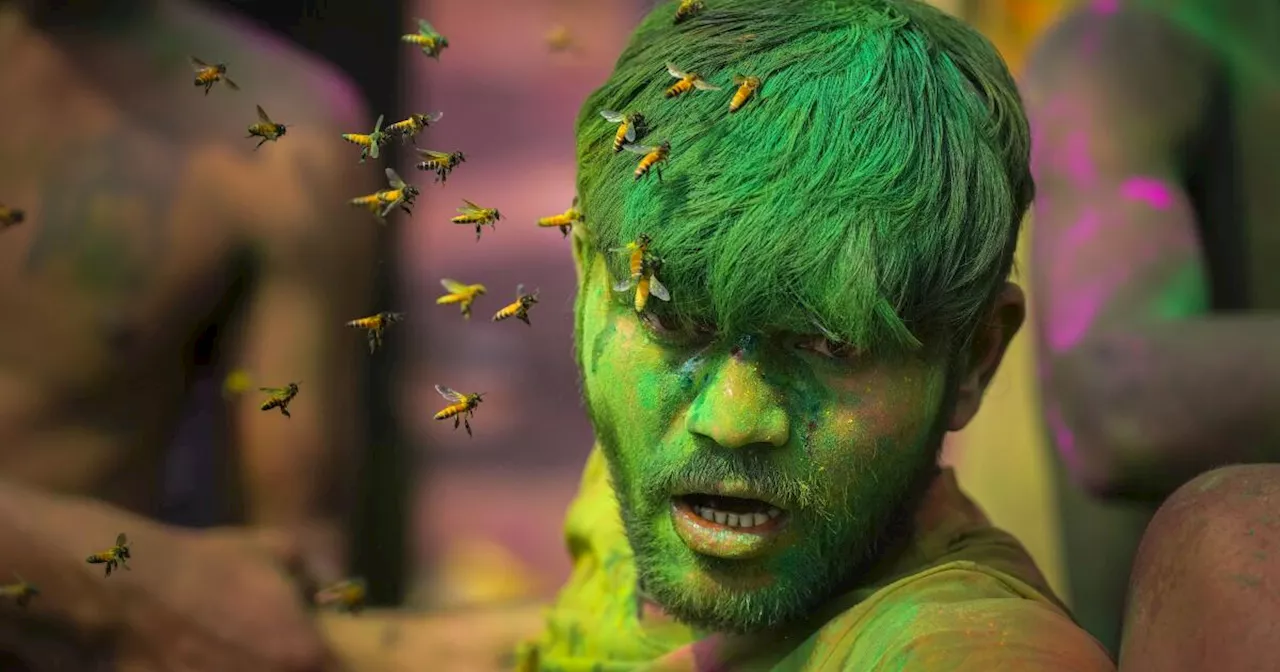 An Associated Press photographer snaps a buzzy photo by focusing on the details during HoliAnupam Nath has been covering Holi, the Hindu festival of colors, in Guwahati in northeastern India for two decades
Read more »
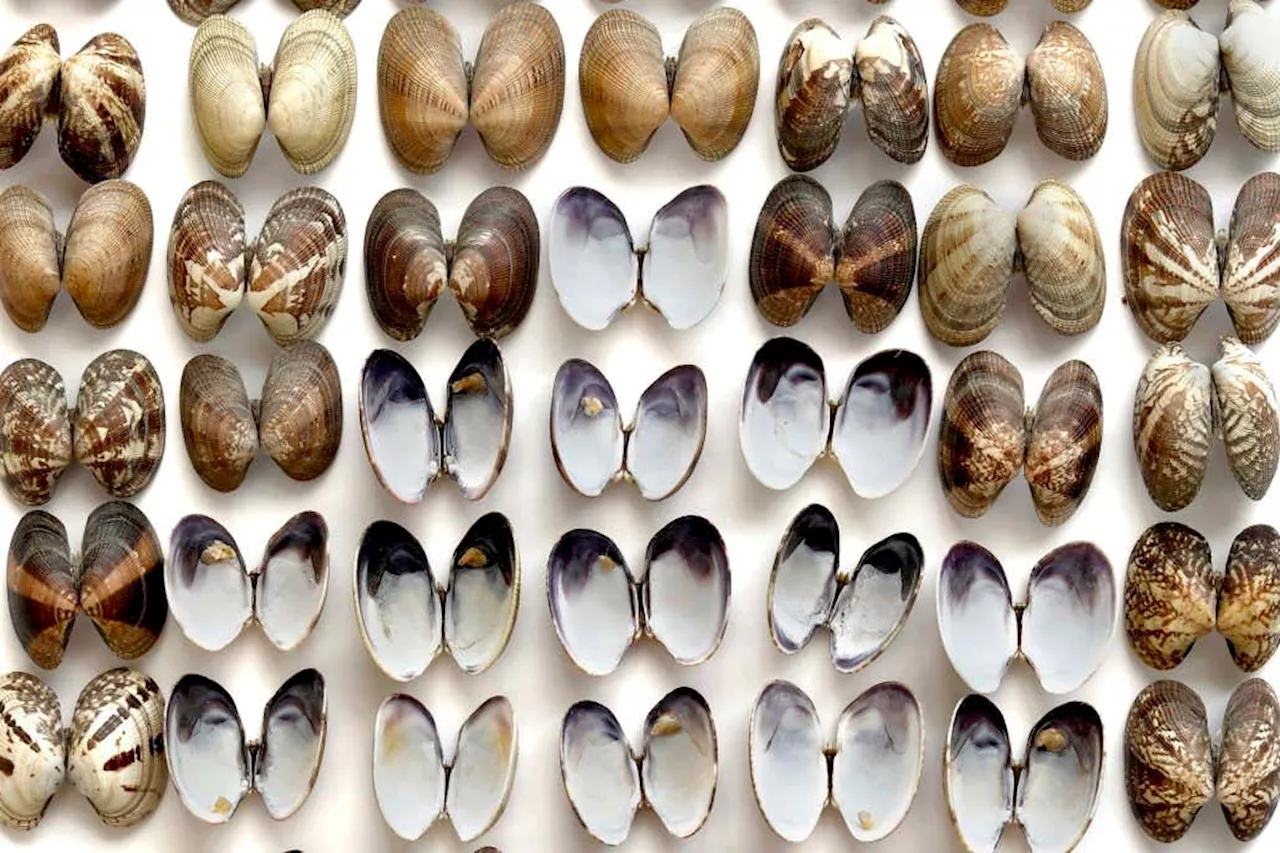 The photographer who captured shots of nature daily for over a decadeSince 2012, Mary Jo Hoffman has taken one snap a day of the natural objects around her. She explains what lies behind two of them - and what the 'art of noticing' has brought to her life
Read more »
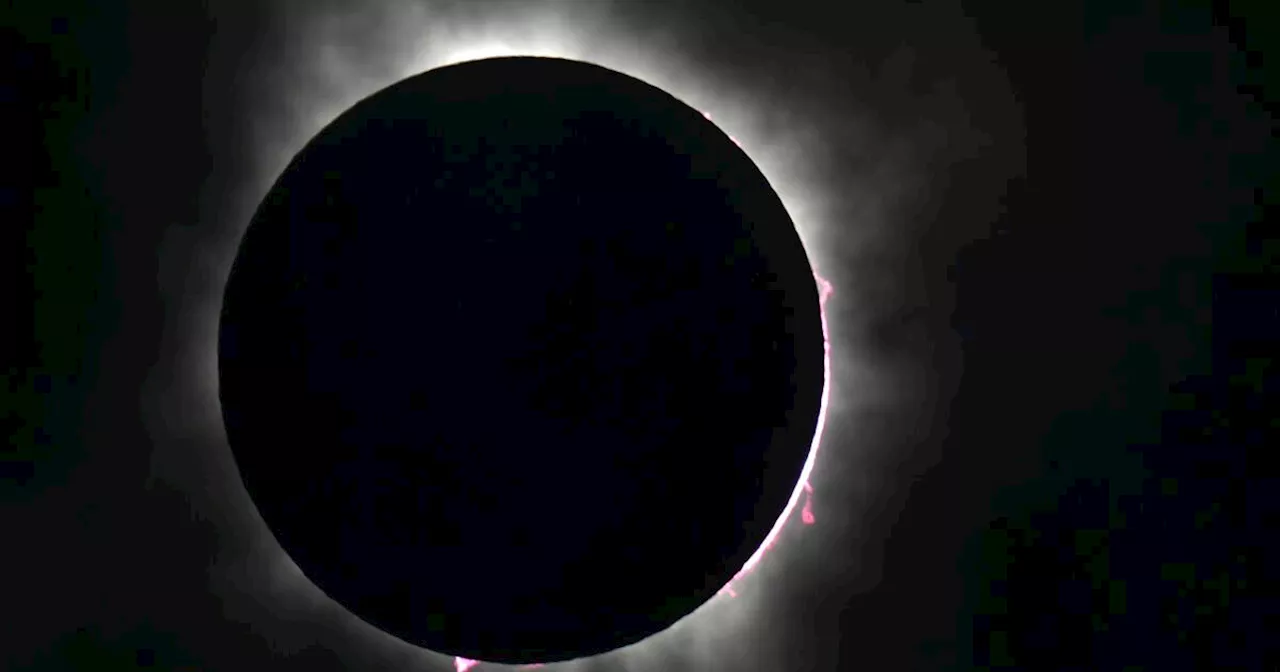 An AP photographer explains how he captured the moment of eclipse totalityPhotographer Mat Otero works for The Associated Press in Dallas, Texas, just inside the path of totality for this week's solar eclipse
Read more »
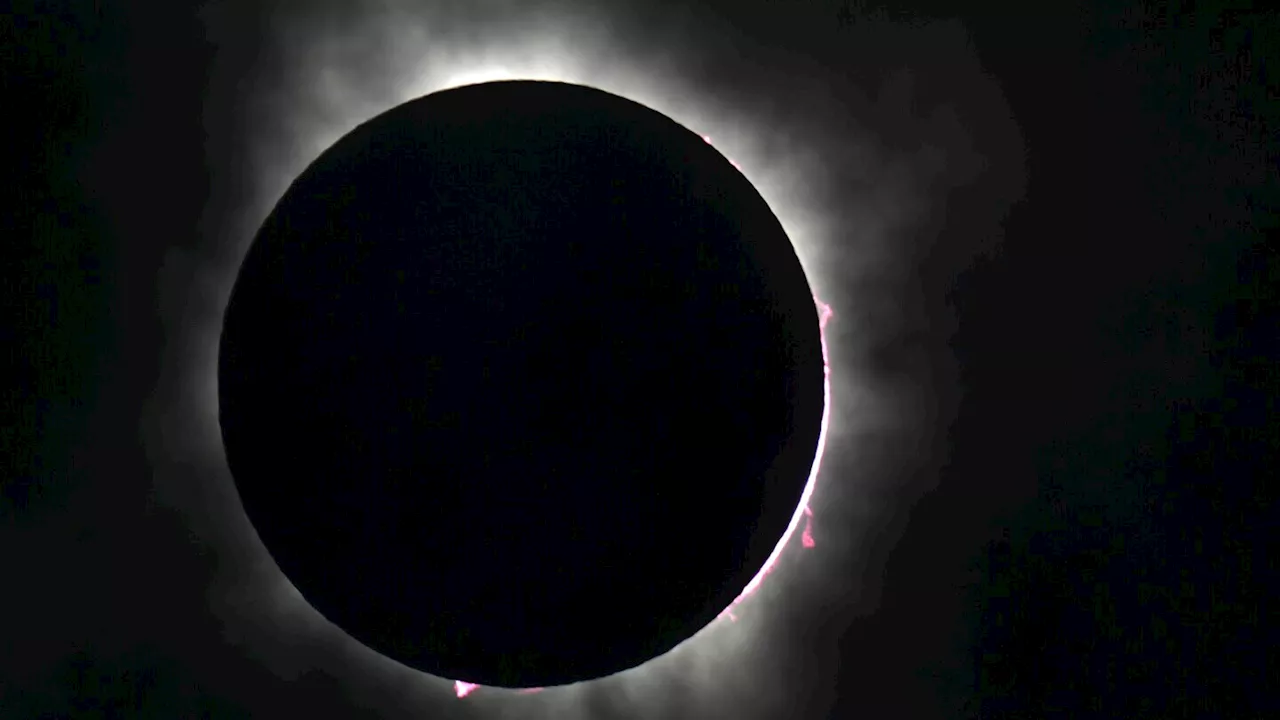 One Extraordinary Photo: An AP photographer explains how he captured the total eclipsePhotographer Mat Otero works for The Associated Press in Dallas, Texas, just inside the path of totality for this week's solar eclipse. He created a solar filter and brought three cameras to the Dallas Zoo for the big event. Clouds rolled in. He thought he’d be skunked. Then, for just a few minutes, they parted during totality.
Read more »
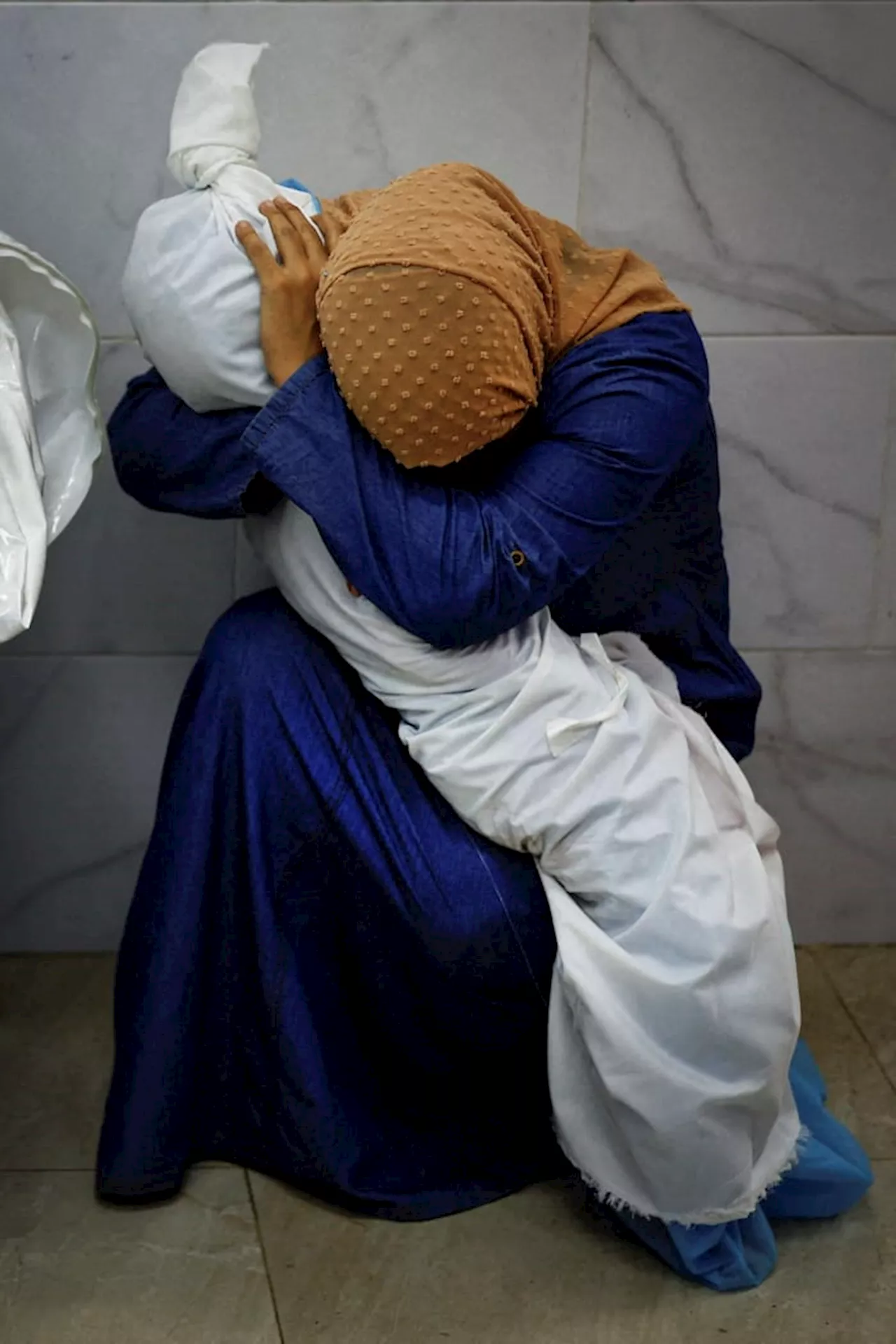 Reuters photographer wins World Press Photo of the Year with poignant shot from GazaReuters photographer Mohammed Salem captured this year’s prestigious World Press Photo of the Year award Thursday with his heartrending image of a Palestinian woman cradling the body of her young niece — a powerful depiction of loss and sorrow in Gaza.
Read more »
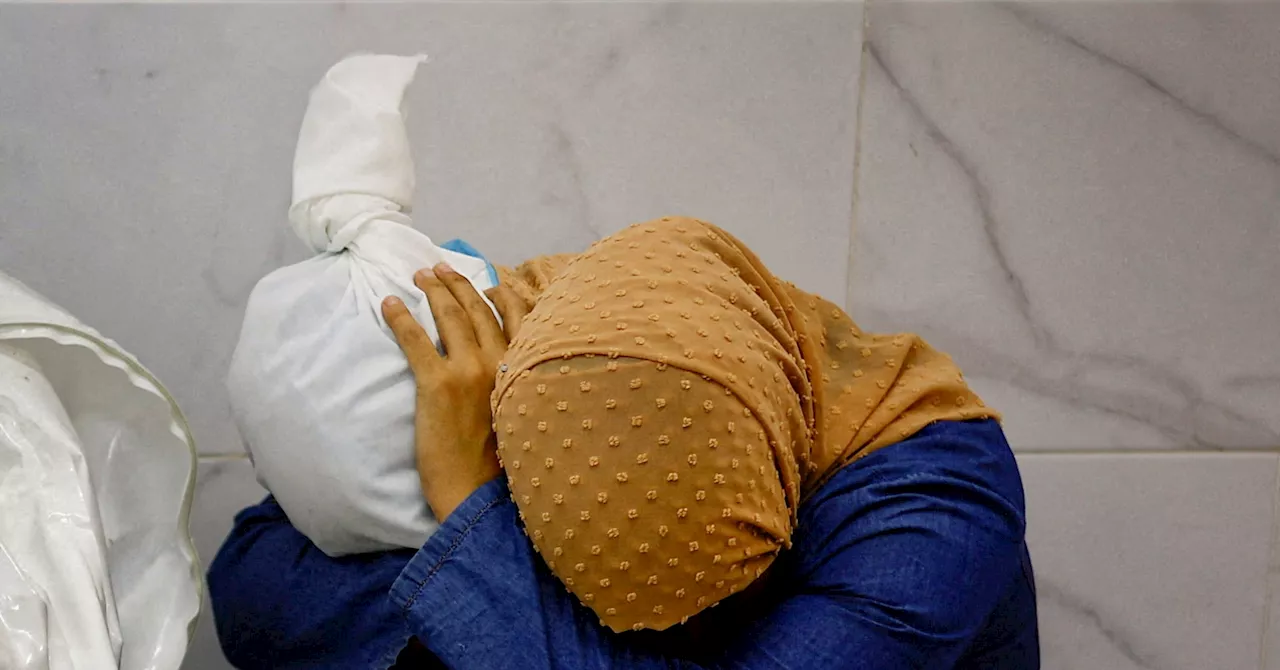 Reuters photographer Mohammed Salem wins 2024 World Press Photo of the Year awardReuters photographer Mohammed Salem won the prestigious 2024 World Press Photo of the Year award on Thursday for his image of a Palestinian woman cradling the body of her five-year-old niece in the Gaza Strip.
Read more »