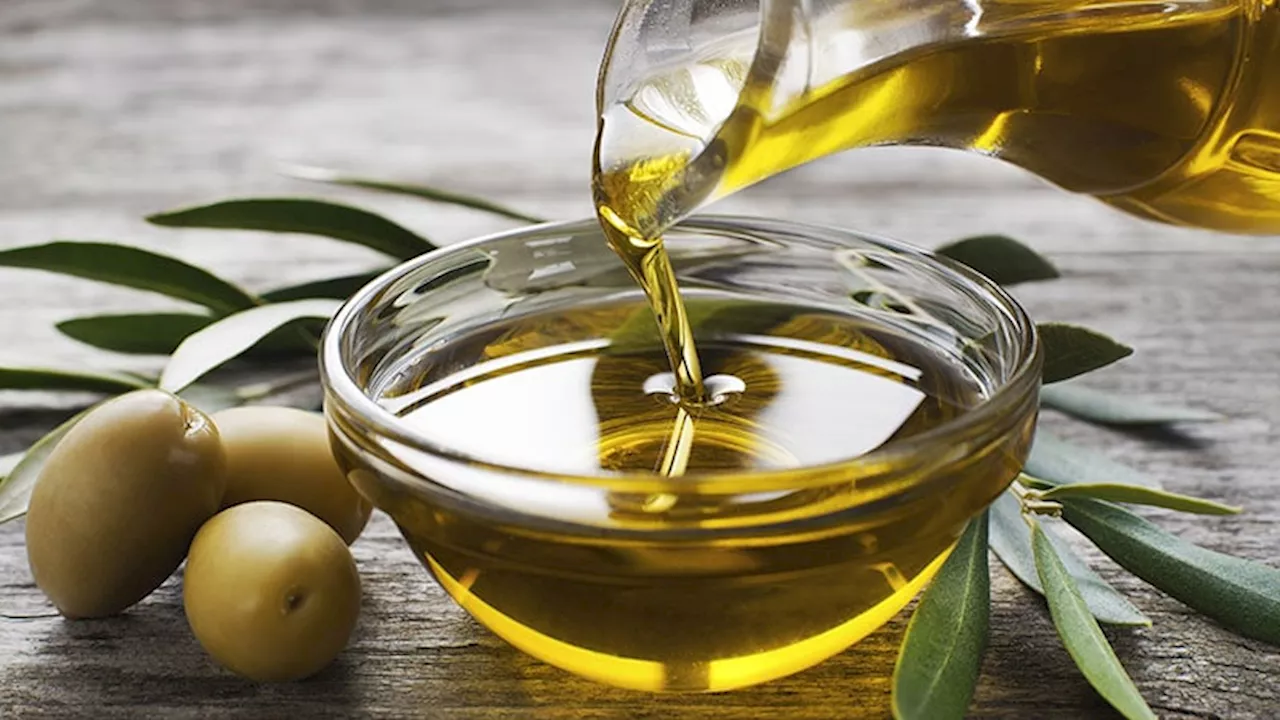
High olive oil intake was associated with a protective effect against dementia-related death.
High olive oil consumption is associated with a significant decreased risk for dementia-related mortality, regardless of overall diet quality, a new study suggested.
"Opting for olive oil, a natural product, instead of more processed fats such as margarine and mayonnaise, is a safe choice and may reduce risk of fatal dementia," lead investigator Anne-Julie Tessier, RD, PhD, research associate, Department of Nutrition, Harvard T.H. Chan School of Public Health, Boston, told
The researchers also evaluated the joint association of diet quality and olive oil consumption with the risk for dementia-related mortality. And they estimated the difference in the risk for dementia-related mortality when other dietary fats were substituted with an equivalent amount of olive oil.Compared with no or rare olive oil intake, consumption of ≥ 7 g of olive oil per day was associated with a 28% lower risk for dementia-related mortality but not in men .
The authors noted several study limitations, including the possibility of reverse causation, due to the observational nature of the study. Moreover, people in the highest olive oil consumption group also had better diet quality, higher alcohol intake, were more physically active, and less likely to smoke, Edelmayer said.
Alzheimer Disease Dementia Diet Blood-Brain Barrier BBB - Blood Brain Barrier Brain Grant CV Risk Cardiovascular Risk CV Risk Factors Cardiovascular Risk Factors Cardiovascular Risk Management Social Determinants Of Health SDOH Social Determinants Of Health (SDOH) Biologic Therapy Biologics Geriatrics Elder Care Geriatric Medicine Older Adults Seniors
United States Latest News, United States Headlines
Similar News:You can also read news stories similar to this one that we have collected from other news sources.
 Mom Mistakes Olive Soap For Olive Oil In Viral TikTokWashington, D.C. native Joseph Lamour is a lover of food: its past, its present and the science behind it. With food, you can bring opposites together to form a truly marvelous combination, and he strives to take that sentiment to heart in all that he does.
Read more »
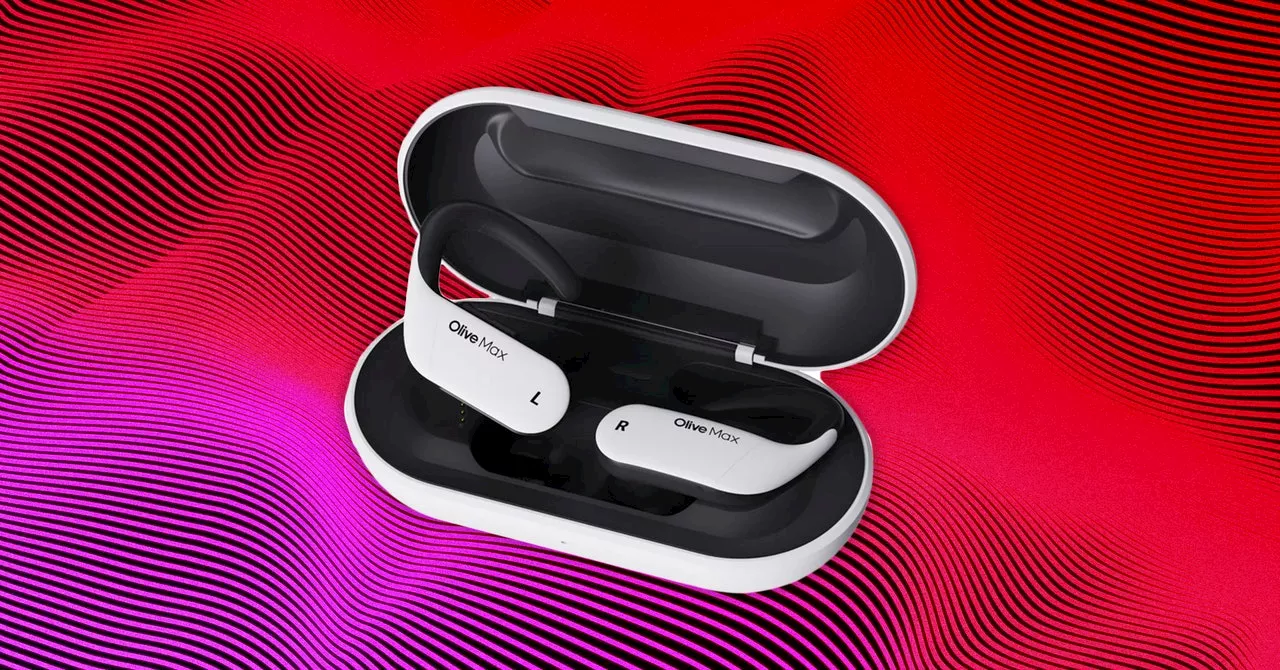 Olive Union Olive Max Hearing Aids: For Mild Hearing LossThey look like a pair of Bluetooth earpieces from the early 2000s, but Olive Union’s over-the-counter hearing aids are a decent option for anyone with mild hearing loss.
Read more »
 Olive oil could lower risk of dementia-related death, study findsChloe Nordquist is a national journalist for the E.W. Scripps Company. She has a passion for telling community stories and giving a voice to the voiceless. Chloe has had the opportunity to report across the world, as far as Milan and Berlin. Previously she worked at news stations in California’s Central Valley and Southwest Florida.
Read more »
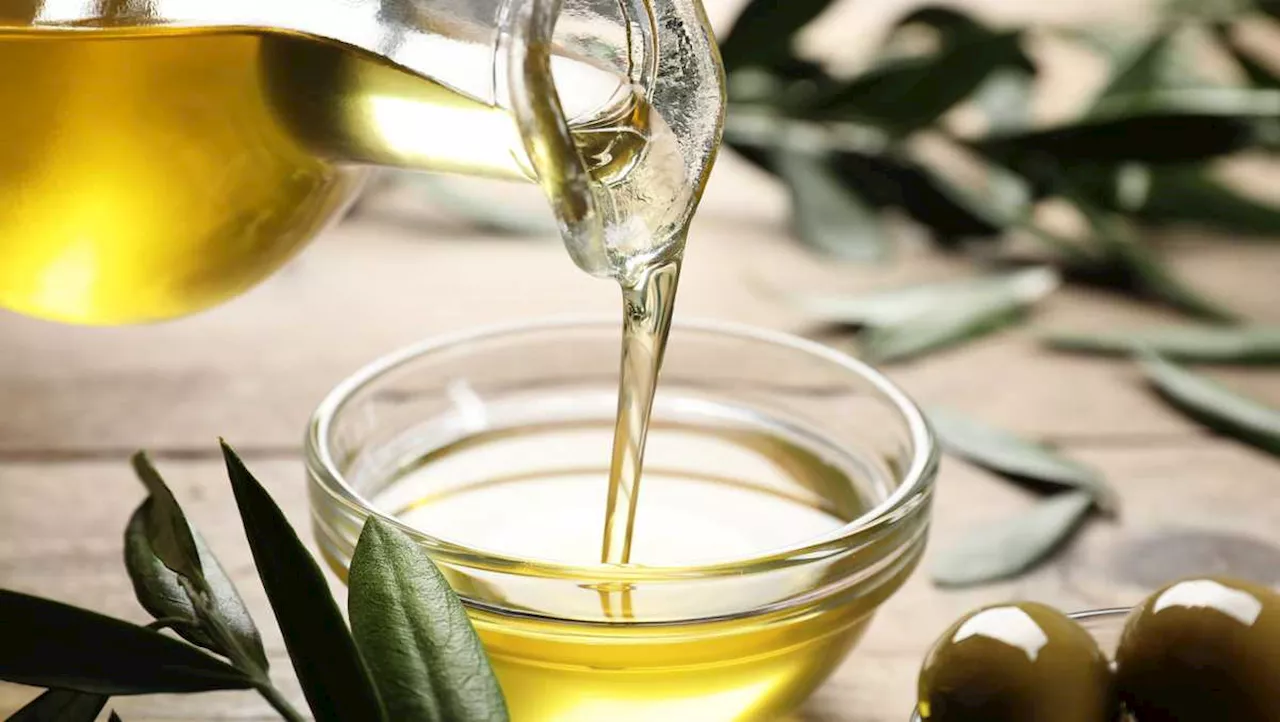 Olive oil may lower your risk of death from dementia, study findsA daily spoonful of olive oil could lower your risk of dying from dementia, according to a new study by Harvard scientists.
Read more »
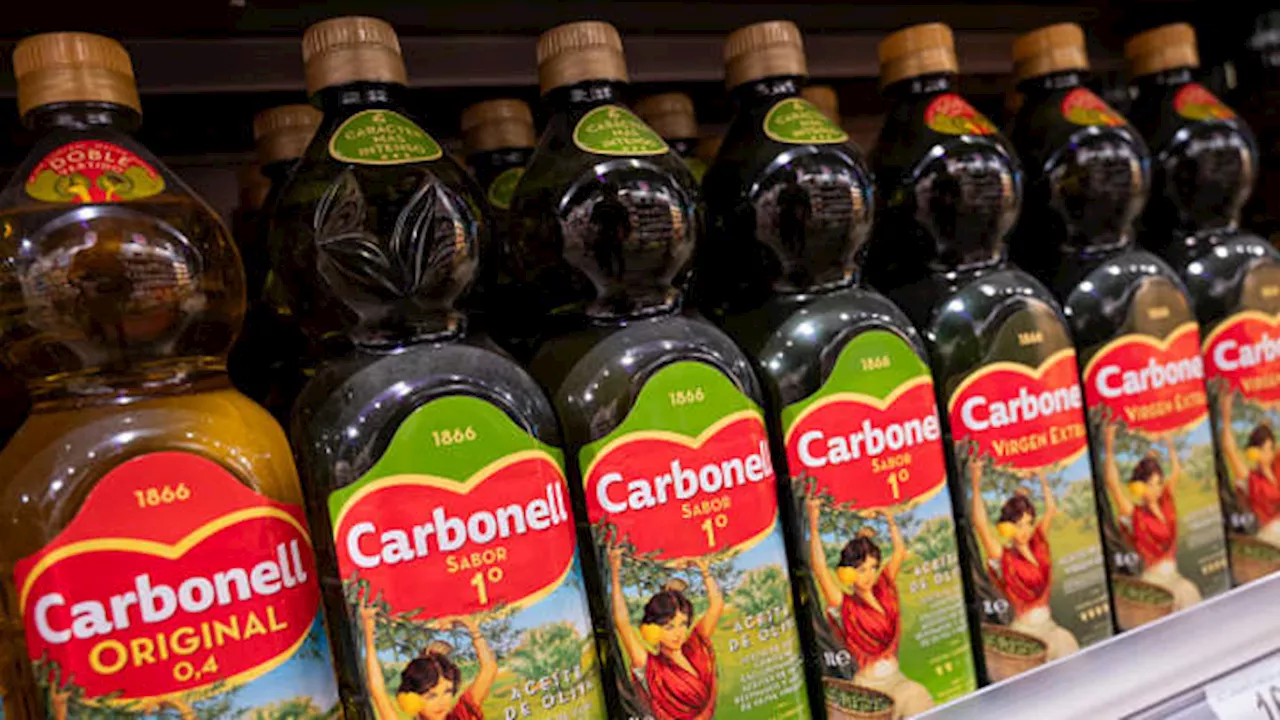 World's largest olive oil producer says the industry faces one of its toughest moments everSpain's Deoleo says the industry must undergo a 'profound transformation' as it grapples with one of the most challenging moments in its history.
Read more »
 World's largest olive oil producer says the industry faces one of its toughest moments everSpain’s Deoleo says the industry must undergo a “profound transformation” as it grapples with one of the most challenging moments in its…
Read more »