
The shark is thought to have been caught out at sea then brought to shore and decapitated, with its head still remaining missing.
Authorities are looking for answers after a great white shark was found headless on a beach in New Zealand.The decapitated shark was found by a member of the public on Mahia beach to the east of the country's North Island on March 15, with its separated head nowhere to be seen.
The grisly find was reported to the local authorities, namely the Department of Conservation , who are now appealing for information on the shark's death—and the whereabouts of its head—from the public.'The shark's body was discovered at the boat ramp and reported to DOC by a member of the public,' Matt Tong, DOC Operations Manager for Tairawhiti, said in a DOC statement. 'We believe the shark was caught on Friday morning, then brought ashore to Mahia beach where it was decapitated.'Great white sharks are protected in New Zealand under the Wildlife Act 1953, with the killing or hunting of a great white being punishable by up to 2 years in prison, or a fine as high as $250,000 NZD . The possession of a part of a great white and other protected species comes with the same punishment. Anyone who sees the death of protected species like a great white—accidental or otherwise—and doesn't report it could be punished with a fine of up to $10,000 NZD .'It's not illegal to accidentally catch a great white shark, but it must be released without causing it further harm, and it is a legal requirement to report all captures to DOC,' Tong said.Basking sharks, oceanic whitetips, the small-tooth sandtigers , and whale sharks are also protected in New Zealand.Great white sharks are among the largest predatory fish in the ocean, with adult individuals reaching up to 20 feet long. They are found in coastal waters around the world, including off the U.S. coast, and prefer areas with abundant prey, such as seals, sea lions, and other marine mammals. Great white sharks off New Zealand may exhibit migratory behavior, with individuals moving between feeding and breeding grounds. Some sharks may travel long distances, including across ocean basins, in search of food.Great white sharks off New Zealand face similar threats as populations elsewhere, including overfishing, habitat degradation, and death by accidental bycatch. They are listed as a 'vulnerable' species worldwide on the IUCN Red List.Great whites are more commonly seen in New Zealand waters during the spring and summer months, when the animals they prey on are out in large numbers, mating and feeding.New Zealand has recently seen several marine mammal stranding incidents in the same area where the shark was found. This may result in higher numbers of sharks in the region, the DOC says, as they will be attracted to the dead whales and dolphins as an easy meal.The DOC warns that swimming and surfing in the region near a whale death should be avoided as a result of this potentially increased shark population.'If you spot a great white, exit the water quickly and calmly, and report the sighting to DOC,' Tong said.Do you have a tip on a science story that Newsweek should be covering? Do you have a question about great white sharks? Let us know via science@newsweek.com.
United States Latest News, United States Headlines
Similar News:You can also read news stories similar to this one that we have collected from other news sources.
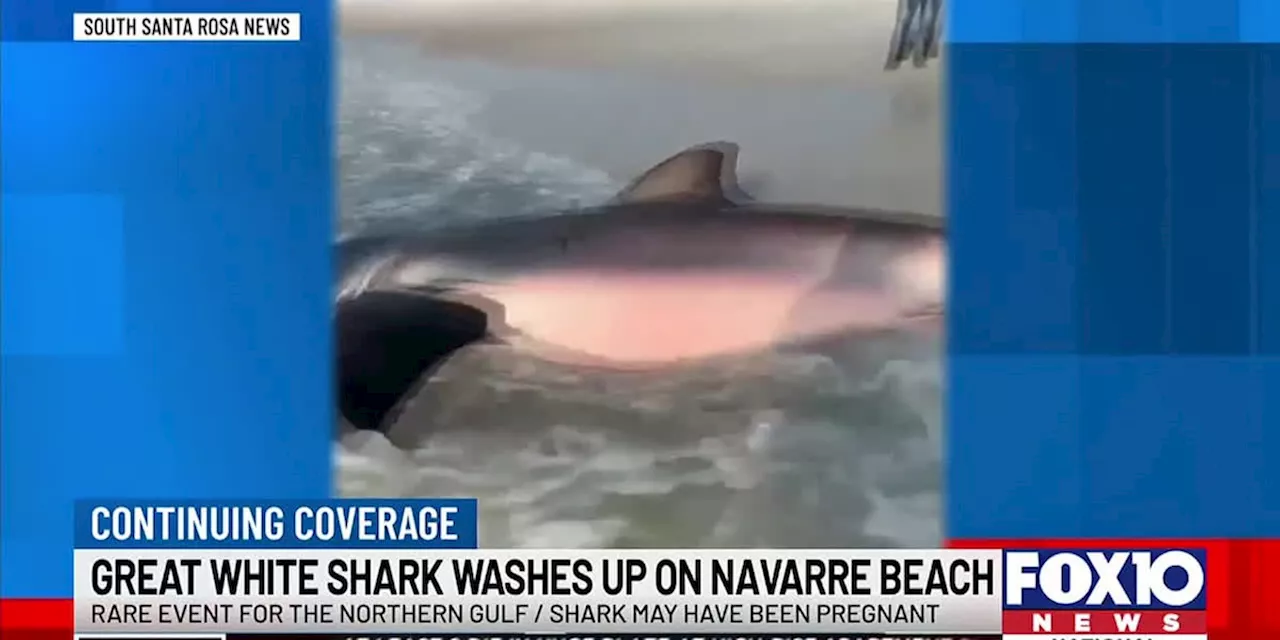 Possibly pregnant great white shark washes up on Navarre BeachMany people wondered how it died.
Read more »
 Single orca seen killing great white shark for first time everA South African killer whale already famous for surgically extracting shark livers has a new trick up its sleeve—but it could harm shark populations.
Read more »
 Orca observed hunting and killing a great white shark by itself for the first timeLaura is a science news writer, covering a wide variety of subjects, but she is particularly fascinated by all things aquatic, paleontology, nanotechnology, and exploring how science influences daily life. Laura is a proud former resident of the New Jersey shore, a competitive swimmer, and a fierce defender of the Oxford comma.
Read more »
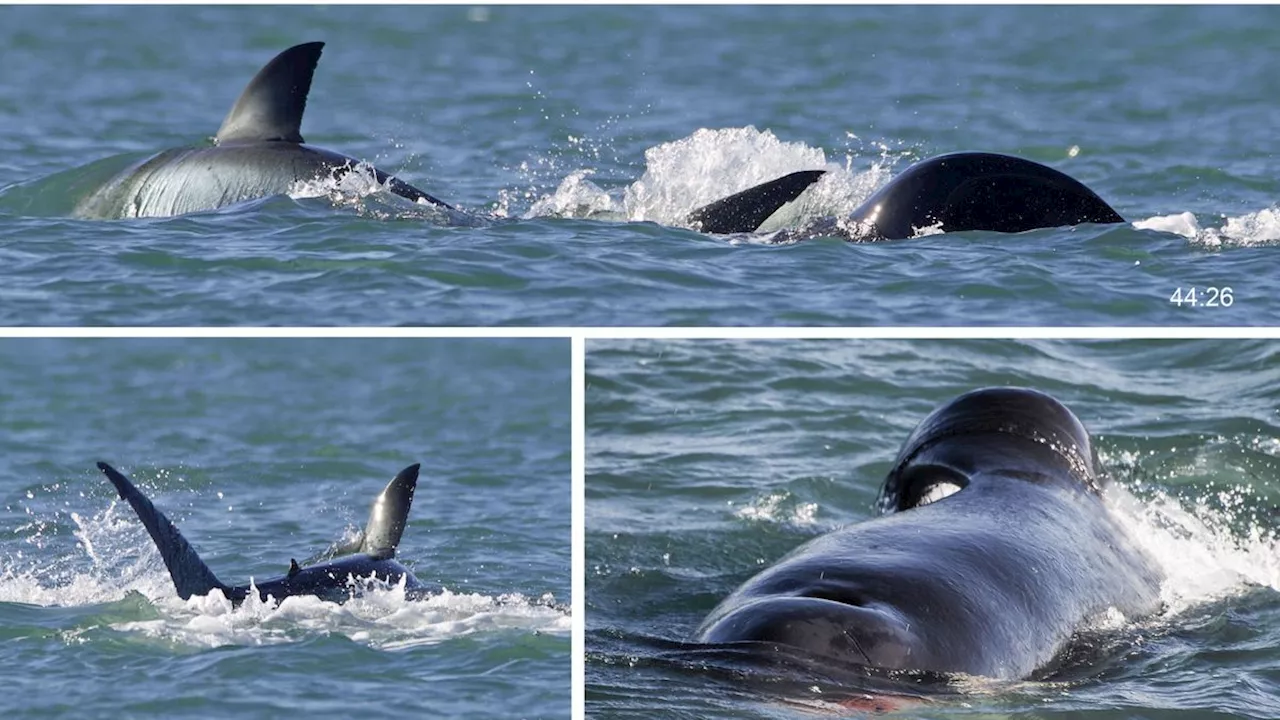 Lone orca kills great white shark in less than 2 minutes by ripping out its liverMelissa Hobson is a freelance writer who specializes in marine science, conservation and sustainability, and particularly loves writing about the bizarre behaviors of marine creatures. Melissa has worked for several marine conservation organizations where she soaked up their knowledge and passion for protecting the ocean.
Read more »
 Video captures stunning moment of orca killing great white sharkIt's the jaw-dropping image of jaws - a great white shark - going from predator to prey
Read more »
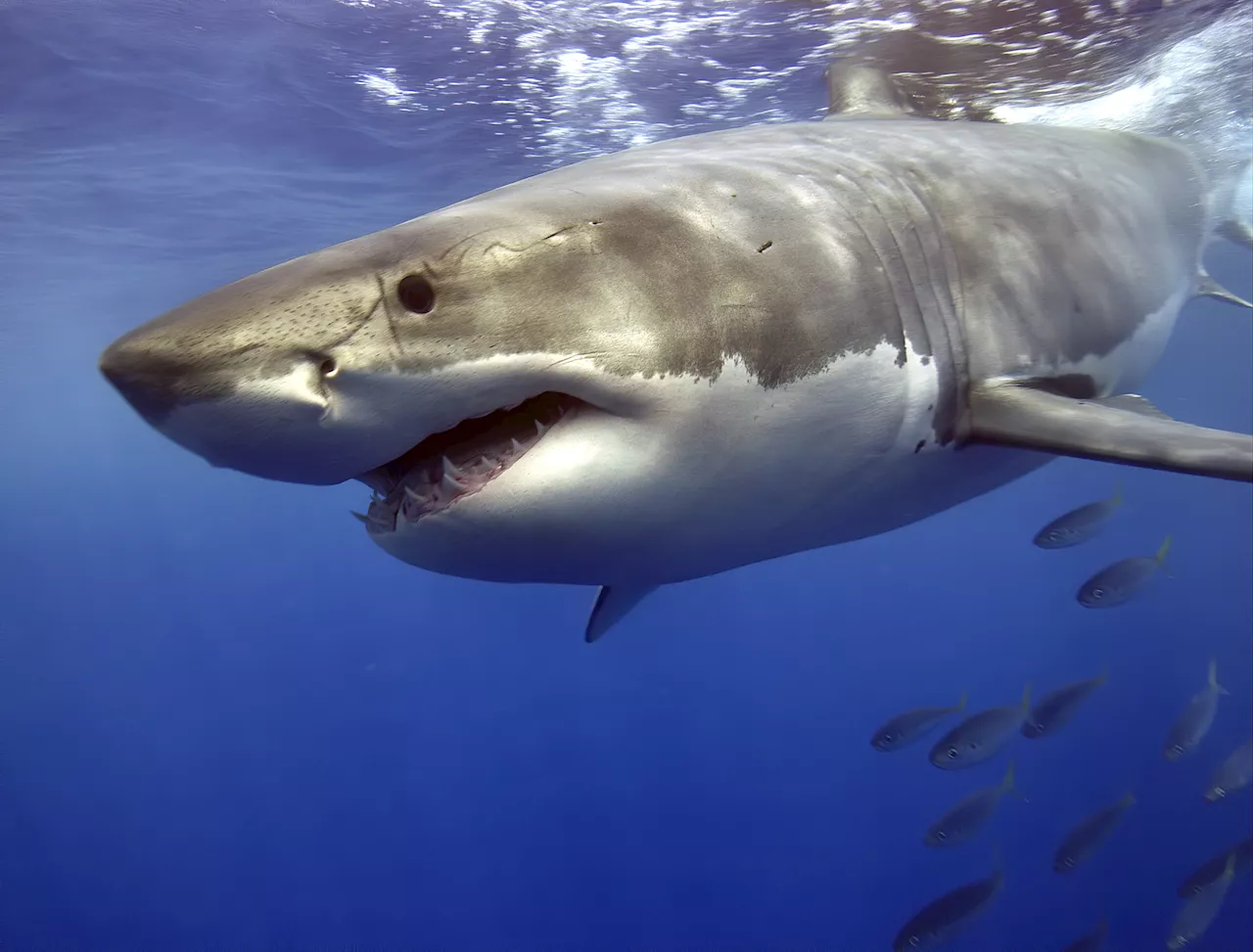 10-Foot Great White Shark 'Penny' Detected Near Florida's Fort Myers BeachThe shark, known as Penny, who measures 10 foot 3 inches, was tracked off the coast of Fort Myers Beach at about 11 a.m. on Sunday.
Read more »