
What is this update — and why you need it.
There’s a battle now taking place between Google and Apple on one side, and the forensic software industry on the other. Many of the recentForensic attacks are physical — they are not the remote access compromises you will also have seen targeting devices, and which exploit vulnerabilities in apps and operating systems to tunnel into a device over the air.
Instead, a cable is plugged into a phone and connected to a computer or appliance running software to attack the device.This is why Apple and now Google have both introduced OS updates that restore phones to their “before first unlock” state if left inactive for 72-hours. If investigators leave phones on shelves or in evidence lockers before working on them, the phones will reboot to disable USB access until unlocked, stopping such attacks. This caused a flurry of headlines when the Whisper it quietly, but investigators now know this and can work around it. Acting on phones sooner after capture or ensuring that no device is allowed to remain dormant long enough to reboot. In games of cat and mouse, new traps have a limited shelf life.This is why Google is upping the ante with Advanced Protection Mode in Android 16. When enabled — and it’s off by default — this adds stronger defenses to phones, such as disabling sideloading, 2G cellular and insecure WiFi connections. It also blocks USB connections to phones when they are locked. Toggle this on, and you can connect to any airport or hotel charge point you want, and not worry about so-called juice jacking.uncovered the detail behind this new defense in a recent APK teardown, “that suggests enabling Advanced Protection Mode will also disable USB data signaling when Android is locked… They also explicitly mention how new USB devices can’t be used when Android is locked. When a new USB device is plugged in, a notification will appear that warns the user of ‘suspicious USB activity’. To use the device, you have to ‘unlock Android first and then reinsert is also enhancing the Maximum Restrictions on its phones by letting users “choose to block USB connections to prevent any other access through the USB port while the device is locked, except for battery charging.” Again, this setting comes as part of a package that blocks risky wireless connections as well as sideloading. The reality is these measures are needed given the succession of exploits emanating from the forensic industry. But to enable this new protection, Android users will likely need to opt into the cell phone version of its Advanced Protection Program, which will be a step too far for many. The USB block on locked devices should be a standalone option on Androids and iPhones, and it should be enabled by default.
Samsung Upgrade Android 15 Android 16 Beta Android 16 Leak Samsung Android 15 Samsung Android 16 Samsung Vs Iphone Samsung Vs Pixel
United States Latest News, United States Headlines
Similar News:You can also read news stories similar to this one that we have collected from other news sources.
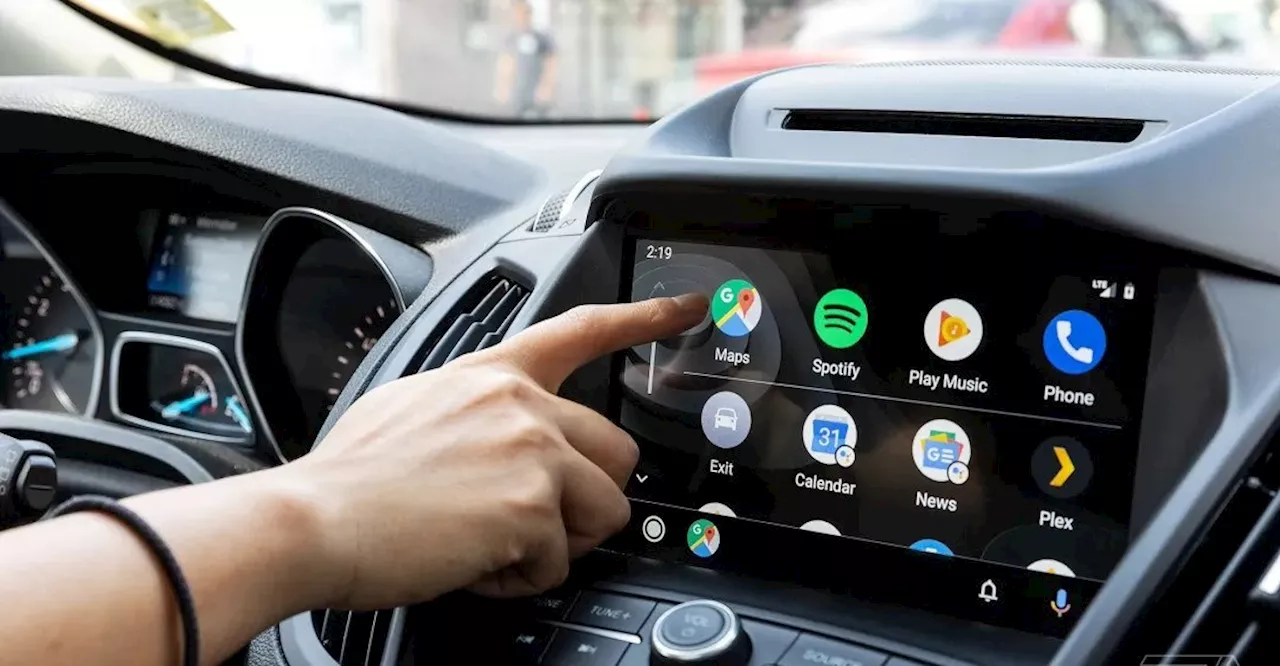 Android Auto’s latest beta brings full Android game supportAndroid Auto 14.1 is rolling out in beta form, bringing support for Android games including Angry Birds 2 and Candy Crush, along with a new fullscreen mode.
Read more »
 Google Is Closing Up Android Development, but It’s Not What You ThinkThe company is streamlining development on the platform to help free up resources for artificial intelligence.
Read more »
 Google’s Android Lockdown—Stop Installing These Apps NowGoogle confirms shocking app warning—you must now act.
Read more »
 This powerful anti-theft feature is finally coming to more Android phones with Android 16Aleksandar is a tech enthusiast with a broad range of interests, from smartphones to space exploration. His curiosity extends to hands-on DIY experiments with his gadgets, and he enjoys switching between different brands to experience the latest innovations.
Read more »
 Japan Orders Google to Stop Prioritizing Its Own Services on Android DevicesJapan's Fair Trade Commission (JFTC) has ordered Google to stop requiring Android device manufacturers to prioritize its own search apps and services. The ruling stems from investigations into Google's licensing agreements with manufacturers, alleging they used these agreements to force the pre-installation and prominent placement of Google Search and Chrome, excluding rival search services. The JFTC's action aligns with similar investigations in the U.S. and UK.
Read more »
 Latest Android distribution numbers once again show us the problem with AndroidAlan, an ardent smartphone enthusiast and a veteran writer at PhoneArena since 2009, has witnessed and chronicled the transformative years of mobile technology. Owning iconic phones from the original iPhone to the iPhone 15 Pro Max, he has seen smartphones evolve into a global phenomenon.
Read more »