
Twenty years after its IPO, Google is worth more than $2 trillion. Michael Grimes recalls the milestone occasion in 2004.
Twenty years after its 2004 IPO, Google is worth more than $2 trillion, a technology company so expansive that the Department of Justice may be looking to split it up.
Sergey Brin, Google's cofounder, chimed in. Grimes remembers Brin telling him, "Oh no, you don't want that. Gmail is going to be big. You'll be spammed forever." Grimes said Brin and Larry Page wanted a level playing field for their IPO: "Their point of view was: Wait, if a young engineer sold some of her vested stock from Cisco or wherever and she wants to put $10,000 into Google, why should she get told she only gets $500 worth or none? Especially if she's willing to pay one dollar more than the institution."
Winning the coveted "left lead" on the IPO was and still is a competitive race. His team embraced the format, built a prototype and tested for a billion bids.
Uber Technologies Inc Airbnb Inc Spotify Technology SA Meta Platforms Inc Alphabet Inc Technology Breaking News: Technology Business News
United States Latest News, United States Headlines
Similar News:You can also read news stories similar to this one that we have collected from other news sources.
 Google’s Antitrust Loss Could Have Big Implications for Apple, Microsoft, Other Silicon Valley TitansSource of breaking news and analysis, insightful commentary and original reporting, curated and written specifically for the new generation of independent and conservative thinkers.
Read more »
 Silicon Valley home prices top $2 million as California has 8 of 11 costliest US metrosIt’s the first time a US metro area has exceeded that threshold, by National Association of Realtors math.
Read more »
 Silicon Valley entrepreneur explains why business leaders are having 'wait a second' realization with Harris8VC managing partner Joe Lonsdale reacts to billionaire Mark Cuban calling out Silicon Valley for its growing support of former President Donald Trump.
Read more »
 Why Biden antitrust effort good for Silicon ValleyWith investors complaining about Biden’s antitrust efforts, a lawyer with decades of experience explains why they’re so important
Read more »
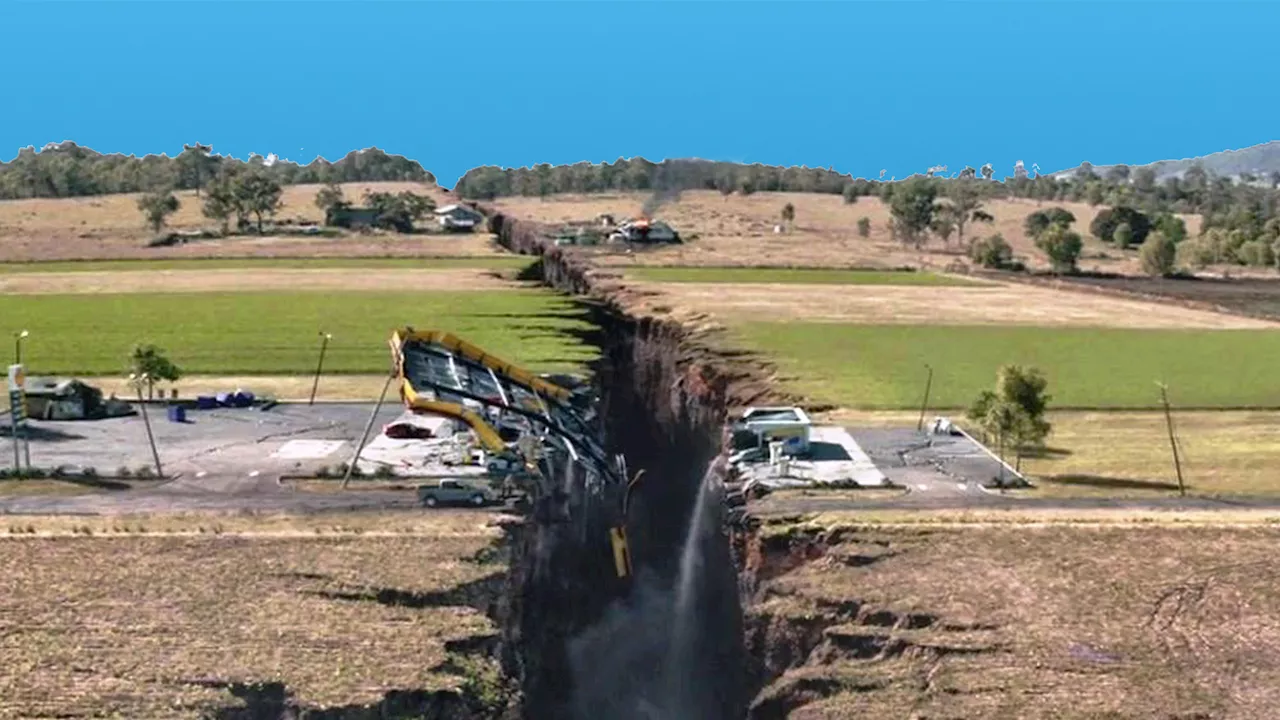 Is Silicon Valley ready for the big one?Watch Is Silicon Valley Ready For The Big One? on Interesting Engineering. Explore the latest in technology!
Read more »
 Hollywood moguls clash with Trump's Silicon Valley supportersHollywood's Democratic donor class is hitting back at the emerging group of Silicon Valley Trump supporters with a surge of donations after President Biden dropped out of the race.
Read more »