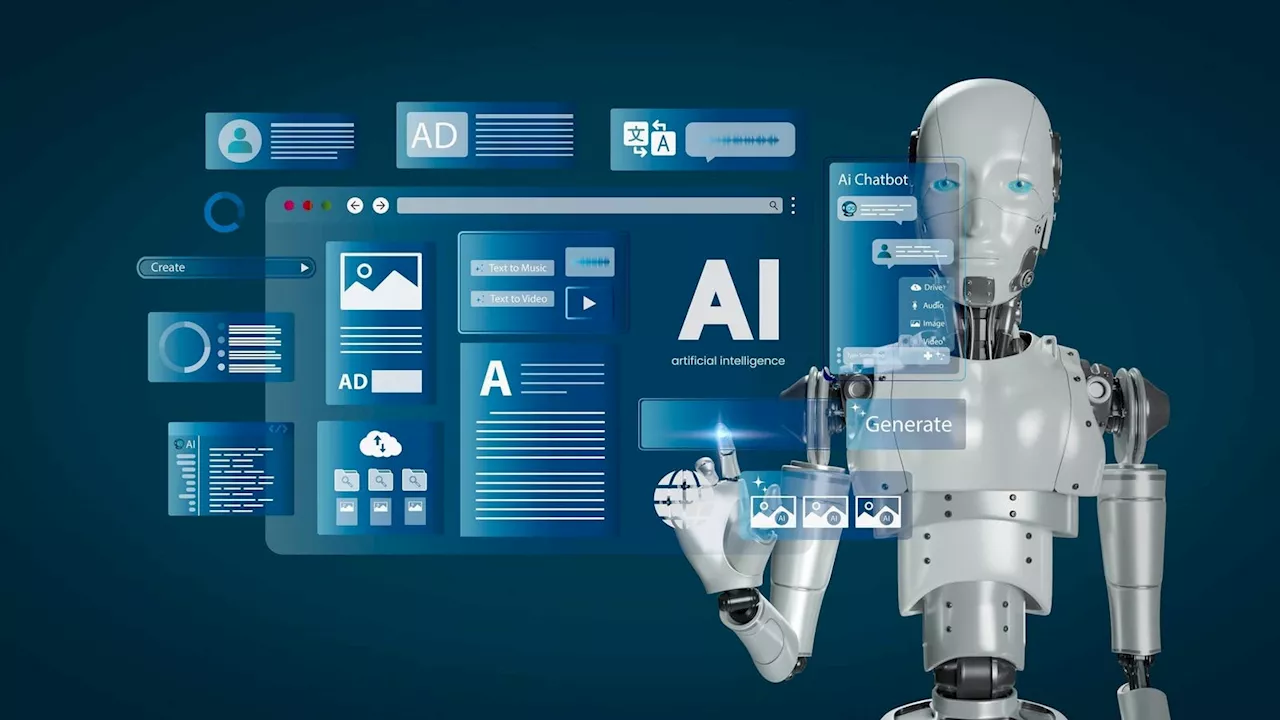
This article breaks down these two types of artificial intelligence in simple terms, exploring their unique roles, capabilities, and potential.
Artificial intelligence has become the buzzword of our time. It’s a term that often conjures images of robots and self-learning machines, but in reality, AI is a broad umbrella with many distinct subfields.
Two of the most talked-about developments today are generative AI and agentic AI. The crucial thing to grasp is that they function in distinctly different ways. Understanding these differences is essential if we want to grasp how AI is reshaping our world—and how it will continue to do so.Generative AI is all about creation. Think of it as the imaginative side of artificial intelligence. These systems are designed to produce content—text, images, music, code, and even video. At its core, generative AI learns from existing data and uses that knowledge to generate new, original outputs that mimic human creativity. The rise of tools like ChatGPT, DALL•E, and MidJourney has catapulted generative AI into the mainstream. These systems rely on advanced machine learning models, particularly neural networks, to analyze and replicate patterns in the data they are trained on. But generative AI isn’t perfect. Its outputs are only as good as the data it’s trained on. Feed it biased or incomplete data, and it will reflect those flaws. Moreover, it doesn’t truly “understand” the content it creates. It’s simply predicting what might come next based on patterns it has seen before. Despite this limitation, generative AI is already revolutionizing industries, from marketing to entertainment.While generative AI focuses on creating, agentic AI is all about doing. This type of AI is designed to act autonomously to achieve specific goals. Agentic AI systems don’t just generate outputs; they make decisions, take actions, and adapt to changing environments.Rock At The 67th Grammys: St. Vincent, The Beatles And Rolling Stones Win Big Think of agentic AI as the brains behind autonomous vehicles, robotic process automation, or smart assistants that can schedule your meetings and order your groceries. These systems are equipped with sensors, algorithms, and actuators that enable them to perceive their environment, process information, and execute actions. What sets agentic AI apart is its ability to act with purpose. It’s not just reacting to input but considering objectives and making choices to achieve them. For instance, an autonomous drone delivering packages must navigate obstacles, optimize its route, and adapt to unforeseen circumstances—all without human intervention. However, the autonomy of agentic AI also raises critical questions about ethics and accountability. Who’s responsible when an autonomous system makes a mistake? How do we ensure these systems act in ways aligned with human values? These are some of the challenges that need addressing as agentic AI becomes more prevalent.The easiest way to differentiate generative AI from agentic AI is to think of their primary functions. Generative AI is about producing something new, while agentic AI is about achieving something specific. One creates, and the other acts. Generative AI is largely static. It produces outputs based on the data it has learned but doesn’t adapt in real-time or interact dynamically with the world. It operates within predefined boundaries. In contrast, agentic AI is dynamic. It’s constantly processing new information, learning from its environment, and adjusting its actions accordingly. Another key distinction lies in the complexity of their objectives. Generative AI typically works on tasks that are narrow and well-defined, such as generating a paragraph of text or a digital painting. Agentic AI, on the other hand, often tackles broader, multi-step goals that require continuous decision-making and adaptation.Despite their differences, generative AI and agentic AI aren’t mutually exclusive. In fact, they often work together in powerful ways. For instance, an agentic AI system could use generative AI to help it communicate more effectively or create custom content on the fly. Consider a virtual customer service agent. The agentic AI handles the real-time interaction, making decisions based on user input and guiding the conversation. Meanwhile, a generative AI component could craft nuanced and personalized responses to specific questions. This synergy is also evident in areas like robotics. Imagine a robot chef equipped with both generative and agentic AI. The generative AI could devise new recipes based on user preferences and available ingredients, while the agentic AI handles the actual cooking process, ensuring everything is prepared to perfection.As AI becomes more integrated into our lives, understanding its various forms is crucial. Generative AI and agentic AI serve different purposes and come with distinct benefits and challenges. Recognizing these nuances can help businesses and individuals make informed decisions about how to leverage AI effectively. For businesses, this knowledge is invaluable for strategic planning. Do you need AI to create compelling marketing content? Generative AI is your go-to. Do you need AI to automate complex processes or manage tasks? Agentic AI is the answer. Knowing which type of AI fits your needs can save time, money, and resources. Understanding these differences can help society navigate the ethical, social, and economic implications of AI. From job displacement to data privacy, the rise of AI presents challenges that require thoughtful consideration and action. Autonomy boundaries and goal alignment are particularly critical when designing and deploying AI systems. By clearly defining the limits of autonomy and ensuring AI objectives are aligned with human values, we can address these challenges responsibly and effectively.The lines between generative and agentic AI will blur further as these two types of AIs evolve and improve. Advances in technology could lead to systems that seamlessly integrate creation and action, combining the best of both worlds. Imagine an AI that not only generates innovative ideas but also implements them autonomously—a game-changer for industries ranging from healthcare to manufacturing. But with this potential comes responsibility. We must ensure that these technologies are developed and deployed ethically, with transparency and accountability. By understanding the differences between generative and agentic AI, we can better appreciate their unique strengths and work towards a future where AI serves humanity in meaningful and transformative ways.Our community is about connecting people through open and thoughtful conversations. We want our readers to share their views and exchange ideas and facts in a safe space.Insults, profanity, incoherent, obscene or inflammatory language or threats of any kindContinuous attempts to re-post comments that have been previously moderated/rejectedAttempts or tactics that put the site security at riskProtect your community.
Generative AI Gen AI AI AI Agents Future Of AI
Trending
 A gorgeous April afternoon in store across the Denver metro area
  ‘Artemis Mission Cannot Lead To Interplanetary Wild West,’ Astronomer Warns
  Trump says US forces will ‘finish the job’ soon in first prime-time speech since starting Iran war
  Former Wisconsin football player, who left the sport amid mental health struggles, dead at 24
  Drew McIntyre Gives Honest Take About His Recent WWE Title Reign
  U.S. Sen. Bernie Sanders introduces bill that could keep the Padres in San Diego
 United States Latest News, United States Headlines
Similar News:You can also read news stories similar to this one that we have collected from other news sources.
 Agentic AI: A Transformative Future with Risks and RewardsAgentic AI is poised to revolutionize human-machine collaboration, offering immense potential for productivity, innovation, and insights. However, it also presents risks such as bias, errors, and misuse. Proactive measures by businesses and governments are crucial to ensure its responsible development and deployment.
Read more »
 CARV Launches CARV SVM Chain: A Secure and Scalable Agentic Infrastructure for AI AgentsCARV introduces CARV SVM Chain, an AI agentic infrastructure built on zk-technology and Trusted Execution Environments (TEE) that empowers data sovereignty for AI agents. Seamlessly bridging Ethereum and Solana, the chain ensures unparalleled data privacy, scalability, and liquidity. This development marks progress towards secure, scalable, and decentralized ecosystems for AI agents.
Read more »
 Key Ways That Generative AI Can Spur You To Be Frugal On An Enduring Lifelong BasisGenerative AI and LLMs can aid people in becoming frugal. This is useful in both near-term and long-terms ways. I explain how AI can aid a quest for frugality.
Read more »
 OpenAI's ChatGPT Operator: The Dawn of Agentic AIOpenAI has unveiled ChatGPT Operator, a significant update to its AI chatbot that introduces agentic capabilities. This new feature allows ChatGPT to autonomously carry out complex tasks by interacting with web services and tools, marking a major leap forward in AI evolution.
Read more »
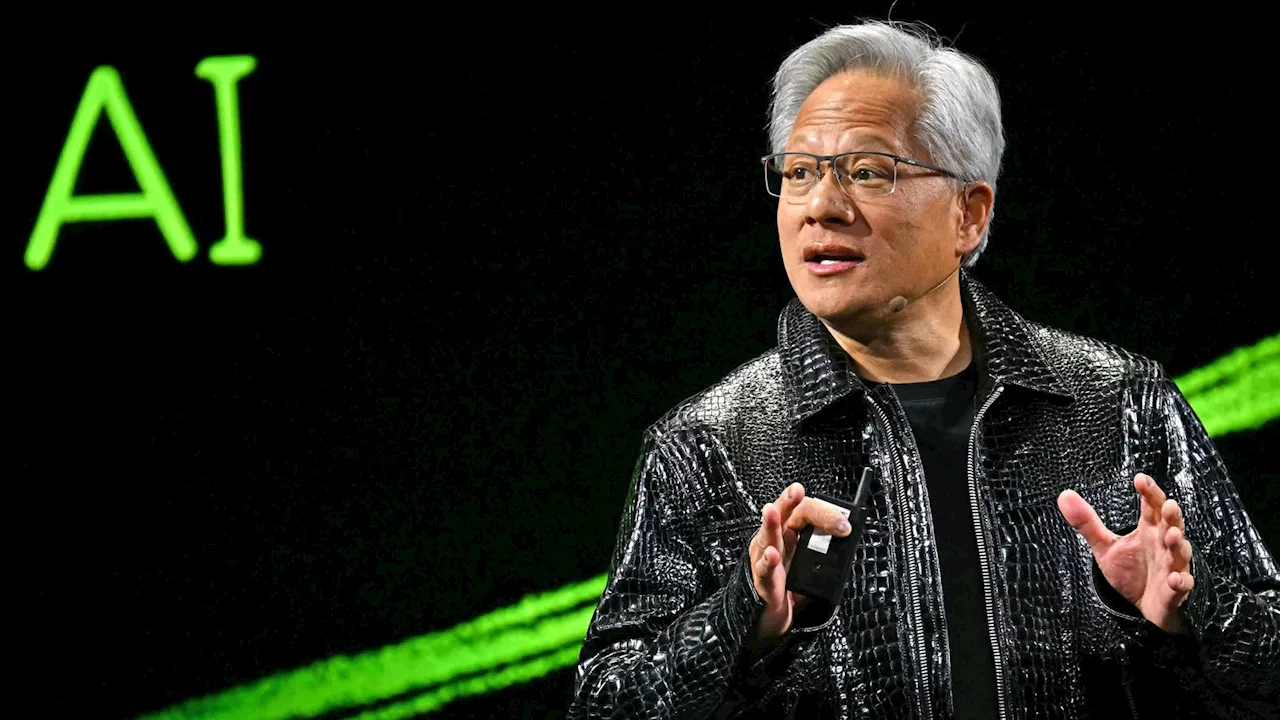 Nvidia's Agentic AI Approach: Visionary, Tactical, and Room for GrowthNvidia's agentic announcements at CES 2025 impressed with their balance between visionary concepts and practical blueprints. While the company's approach is well-executed and highlights the potential of agentic AI for enterprise, there's room for further optimization and strategic clarity.
Read more »
 Apple Releases iOS 18 and More, Bringing Generative AI and Other Key UpdatesApple has rolled out iOS 18, alongside iPadOS 18, macOS Sequoia, watchOS 11, and other software updates, introducing significant changes to device functionality and paving the way for generative AI capabilities. The highlight of iOS 18 is the Apple Intelligence suite, which includes features like image generation in Image Playground, customizable 'Genmoji' emoji, and ChatGPT integration, starting with the iOS 18.2 update on December 11th. Other Apple Intelligence features, such as text rewriting tools, were gradually released to users in October. Alongside these AI-powered advancements, major non-AI updates include the ability to change default apps and test hearing with AirPods. iPadOS 18 gains a calculator app and math equation solving in notes, watchOS monitors for sleep apnea, and iPhones now support messaging Androids via RCS.
Read more »