
I am a scientist, businessman, author, and philanthropist. For nearly two decades, I was a professor at Harvard Medical School and Harvard School of Public Health where I founded two academic research departments, the Division of Biochemical Pharmacology and the Division of Human Retrovirology.
It's like having a molecular mechanic that can fix or replace faulty genes, potentially curing diseases previously thought to be incurable. One area where gene therapy is making significant progress is in treating blood disorders.
. It offers hope to people with sickle cell disease or hemophilia.gene editing. It's like performing microsurgery on your DNA while it's still inside you. This approach could open doors to treating many diseases with a single procedure. One study recognized and explored the potential of this in vivo therapy for blood disorders and diseases."In vivo Hematopoietic Stem Cell Modification by mRNA Delivery" discusses a groundbreaking approach to altering hematopoietic stem cells within the body. These stem cells are mainly found in the bone marrow and are essential for continuously producing the full complement of blood cells throughout a person's life. They are responsible for creating all of our red and white blood cells. When these crucial stem cells become diseased, they can lead to a wide range of blood-related disorders, making them candidates for gene therapy. The study aims to investigate the potential of using mRNA delivery to modify these stem cells, opening up possibilities for innovative treatments in gene therapy for various blood disorders. The team has developed a lipid nanoparticle system that houses messenger RNA and explicitly targets the stem cell factor receptor on hematopoietic stem cells. This method delivers mRNA straight to the bone marrow, enabling gene editing without the need for donor cells or harsh treatments like chemotherapy or radiation. In their research, the team took a comprehensive approach to confirm the efficacy of their new system. They used lipid nanoparticles decorated with antibodies to target hematopoietic stem cells accurately. The results were promising, indicating almost total correction of sickle cell disease using the anti-human lipid nanoparticle editing system. This approach demonstrated exceptional rates of therapeutic base editing in human cells, representing a significant advance in gene therapy. The lipid nanoparticle system symbolizes an important step forward in overcoming the technical and financial challenges linked to stem cell modifications.Here’s Why Biden Says He Dropped Out—In First Speech Since Leaving 2024 RaceGene therapy for blood stem cells has historically been challenging, expensive, and intrusive. Traditionally, it involved harvesting stem cells from a patient or donor, modifying them in a lab, subjecting the patient's body to harsh conditioning through chemotherapy or radiation, and reintroducing the altered cells. This method presented numerous challenges, such as high costs from specialized lab procedures, limited accessibility requiring advanced medical facilities, significant risks and side effects from conditioning, and extended hospital stays with prolonged recovery periods. This new system simplifies the process by enabling direct injections to modify stem cells in the body, eliminating the need for cell harvesting and lab manipulation. By bypassing the need for specialized facilities for cell modification, this method significantly boosts the availability of gene therapy. Avoiding intensive conditioning methods such as chemotherapy or radiation substantially reduces the risks and side effects of treatment. The streamlined procedure is likely more cost-effective, potentially reaching a wider demographic. The therapy could be done outpatient, reducing hospital stays and recovery times. This approach allows gene therapy to address a broader spectrum of genetic blood disorders. By facilitating affordable, accessible gene therapy for blood stem cells, this technology can transform the treatment landscape for genetic blood disorders, extending its benefits to a larger population in need.The findings of this study have significant implications for the future of gene therapy. Performing gene editing directly within the body could reduce the risks and costs associated with current treatments. This could open up new possibilities for treating a wide range of genetic disorders, including cystic fibrosis, metabolic disorders, and myopathies, beyond hematologic diseases. The potential applications of this technology are vast. By achieving cell-type-specific state changes with minimal risk, advances in various fields of medicine could be observed. Controlled gene editing could enable previously unimaginable manipulations of human physiology, leading to new treatments and cures. The study on in vivo gene editing for blood diseases represents a significant step forward in gene therapy. The innovative approach using mRNA delivery and lipid nanoparticles shows great promise in providing less invasive and more accessible treatment options for genetic blood disorders. The implications of this research extend beyond hematologic diseases, offering potential applications in treating a wide range of genetic disorders. While challenges and refinements lie ahead, the progress made so far is undeniably encouraging, pointing towards a future where gene editing can revolutionize medical science and provide new hope for patients with genetic diseases.This story is part of a series on the current progression in Regenerative Medicine. In 1999, I defined regenerative medicine as the collection of interventions that restore tissues and organs damaged by disease, injured by trauma, or worn by time to normal function. I include a full spectrum of chemical, gene, and protein-based medicines, cell-based therapies, and biomechanical interventions that achieve that goal. In this subseries, we focus specifically on gene therapies. We explore the current treatments and examine the advances poised to transform healthcare. Each article in this collection delves into a different aspect of gene therapy's role within the larger narrative of Regenerative Medicine.Our community is about connecting people through open and thoughtful conversations. We want our readers to share their views and exchange ideas and facts in a safe space.Insults, profanity, incoherent, obscene or inflammatory language or threats of any kindContinuous attempts to re-post comments that have been previously moderated/rejectedAttempts or tactics that put the site security at riskProtect your community.
Gene Therapy For Blood Diseases Blood Diseases Gene Therapies Gene Therapies For Blood Diseases
United States Latest News, United States Headlines
Similar News:You can also read news stories similar to this one that we have collected from other news sources.
 Adenoviruses In Gene Therapy & Gene EditingI am a scientist, businessman, author, and philanthropist. For nearly two decades, I was a professor at Harvard Medical School and Harvard School of Public Health where I founded two academic research departments, the Division of Biochemical Pharmacology and the Division of Human Retrovirology.
Read more »
 A Breakthrough In Osteoporosis TreatmentI am a scientist, businessman, author, and philanthropist. For nearly two decades, I was a professor at Harvard Medical School and Harvard School of Public Health where I founded two academic research departments, the Division of Biochemical Pharmacology and the Division of Human Retrovirology.
Read more »
 Become a Harvard Radcliffe Institute Fellow - Cambridge, Massachusetts job with Harvard Radcliffe InstituteApplications for the 2025-2026 Fellowship | Harvard Radcliffe Institute Harvard Radcliffe Institute fellows are exceptional scientists, writers, scholars, public intellectuals, and artists whose work is making a difference in their professional fields and in the wider world.
Read more »
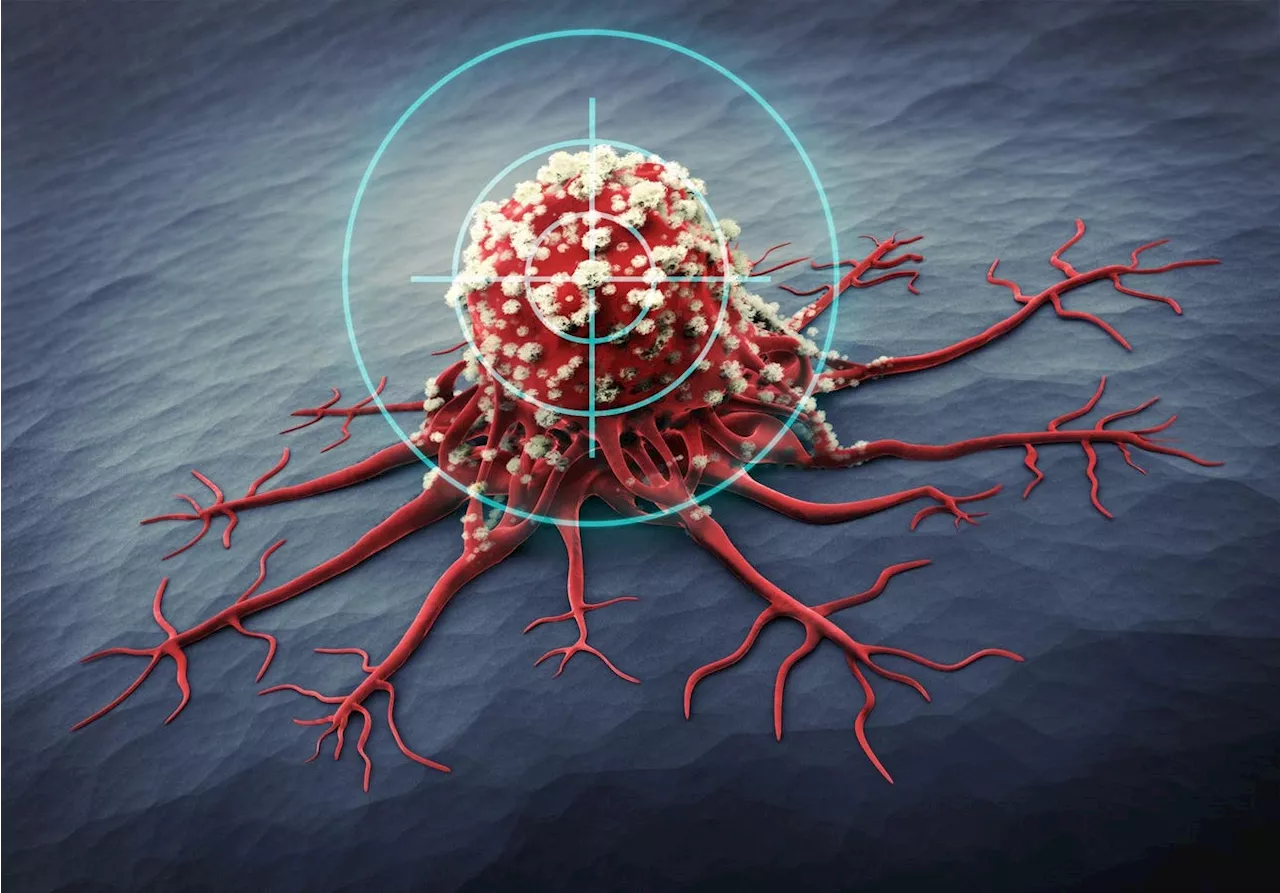 How Cancer Immunotherapy Checkpoint Inhibitors WorkI am a scientist, businessman, author, and philanthropist. For nearly two decades, I was a professor at Harvard Medical School and Harvard School of Public Health where I founded two academic research departments, the Division of Biochemical Pharmacology and the Division of Human Retrovirology.
Read more »
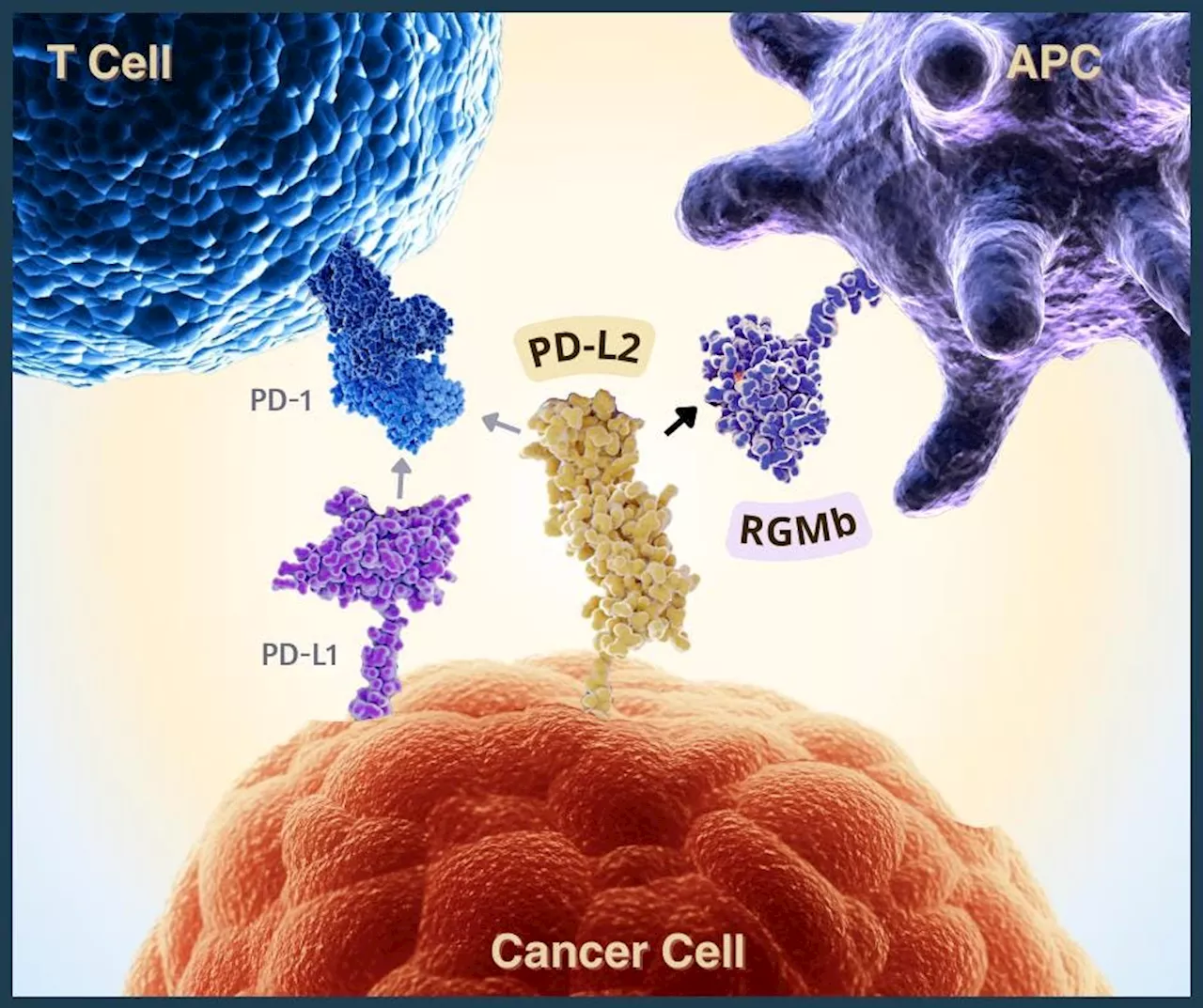 Cancer Therapy and The Intestinal MicrobiomeI am a scientist, businessman, author, and philanthropist. For nearly two decades, I was a professor at Harvard Medical School and Harvard School of Public Health where I founded two academic research departments, the Division of Biochemical Pharmacology and the Division of Human Retrovirology.
Read more »
 A New Target To Boost Cancer Immunotherapy: LAG-3I am a scientist, businessman, author, and philanthropist. For nearly two decades, I was a professor at Harvard Medical School and Harvard School of Public Health where I founded two academic research departments, the Division of Biochemical Pharmacology and the Division of Human Retrovirology.
Read more »