
Space and astronomy news
Illustration of an array of membrane mirror telescopes. Credit: Sebastian Rabien, Max Planck Institute for Extraterrestrial Physics Space-based telescopes are remarkable. Their view isn’t obscured by the weather in our atmosphere, and so they can capture incredibly detailed images of the heavens.
Unfortunately, they are quite limited in mirror size. As amazing as the James Webb Space Telescope is, its primary mirror is only 6.5 meters in diameter. Even then, the mirror had to have foldable components to fit into the launch rocket. In contrast, the Extremely Large Telescope currently under construction in northern Chile will have a mirror more than 39 meters across. If only we could launch such a large mirror into space! A new study looks at how that might be done. As the study points out, when it comes to telescope mirrors, all you really need is a reflective surface. It doesn’t need to be coated onto a thick piece of glass, nor does it need a big, rigid support structure. All that is just needed to hold the shape of the mirror against its own weight. As far as starlight is concerned, the shiny surface is all that matters. So why not just use a thin sheet of reflective material? You could just roll it up and put it in your launch vehicle. We could, for example, easily launch a 40-meter roll of aluminum foil into space. Of course, things aren’t quite that simple. You would still need to unroll your membrane telescope back into its proper shape. You would also need a detector to focus the image upon, and you’d need a way to keep that detector in the correct alignment with the broadsheet mirror. In principle, you could do that with a thin support structure, which wouldn’t add an excessive bulk to your telescope. But even if we assume all of those engineering problems could be solved, you’d still have a problem. Even in the vacuum of space, the shape of such a thin mirror would deform over time. Solving this problem is the main focus of this new paper. Once launched into space and unfurled, the membrane mirror wouldn’t deform significantly. But to capture sharp images, the mirror would have to maintain focus on the order of visible light. When the Hubble was launched, its mirror shape was off by less than the thickness of a human hair, and it took correcting lenses and an entire shuttle mission to fix. Any shifts on that scale would render our membrane telescope useless. So the authors look to a well-used trick of astronomers known asAdaptive optics is used on large ground-based telescopes as a way to correct for atmospheric distortion. Actuators behind the mirror distort the mirror’s shape in real time to counteract the twinkles of the atmosphere. Essentially, it makes the shape of the mirror imperfect to account for our imperfect view of the sky. A similar trick could be used for a membrane telescope, but if we had to launch a complex actuator system for the mirror, we might as well go back to launching rigid telescopes. But what if we simply use laser projection instead? By shining a laser projection onto the mirror, we could alter its shape through radiative recoil. Since it is simply a thin membrane, the shape would be significant enough to create optical corrections, and it could be modified in real time to maintain the mirror’s focus. The authors call this technique radiative adaptive optics, and through a series of lab experiments have demonstrated that it could work. Doing this in deep space is much more complicated than doing it in the lab, but the work shows the approach is worth exploring. Perhaps in the coming decades we might build an entire array of such telescopes, which would allow us to see details in the distant heavens we can now only imagine.
United States Latest News, United States Headlines
Similar News:You can also read news stories similar to this one that we have collected from other news sources.
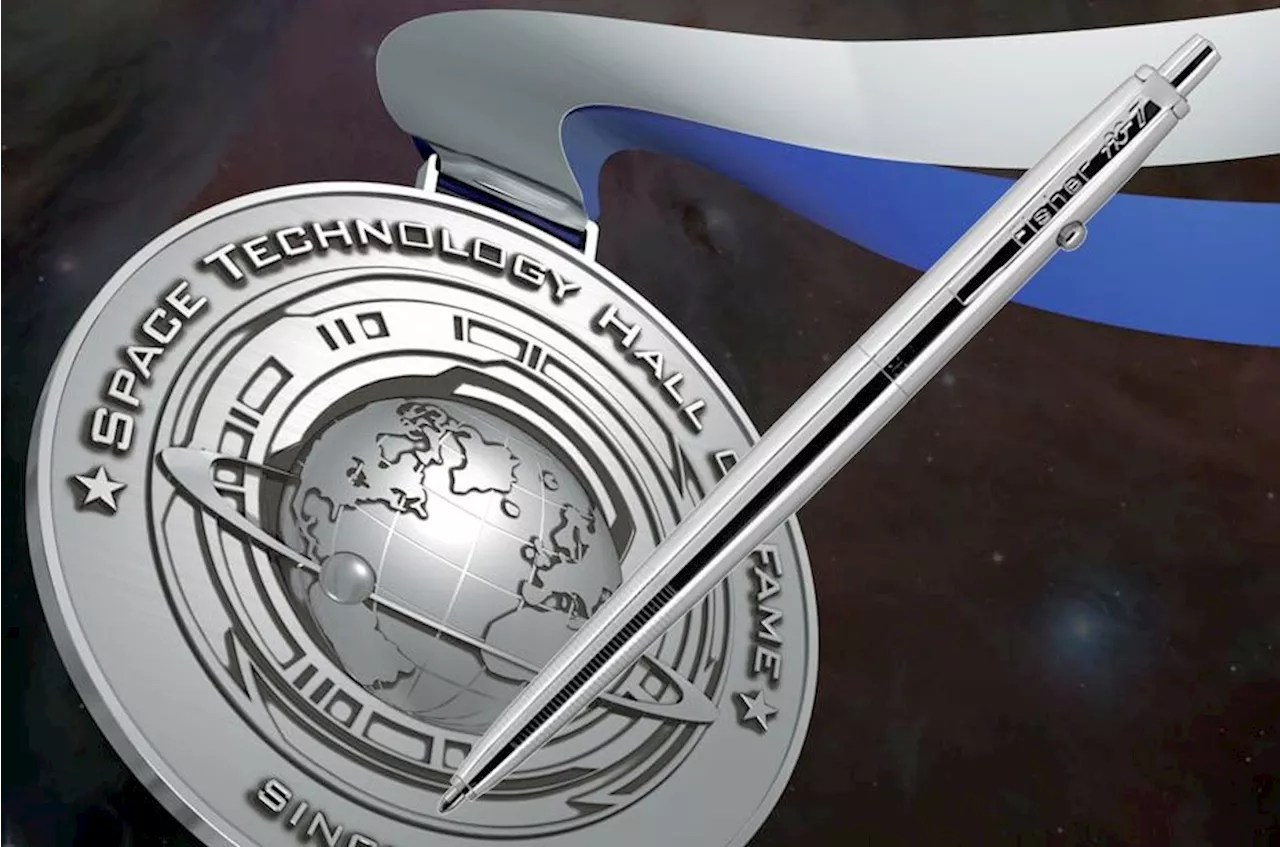 Space Foundation adds Fisher Space Pen to Space Tech Hall of FameRobert Pearlman is a space historian, journalist and the founder and editor of collectSPACE.com, an online publication and community devoted to space history with a particular focus on how and where space exploration intersects with pop culture. Pearlman is also a contributing writer for Space.
Read more »
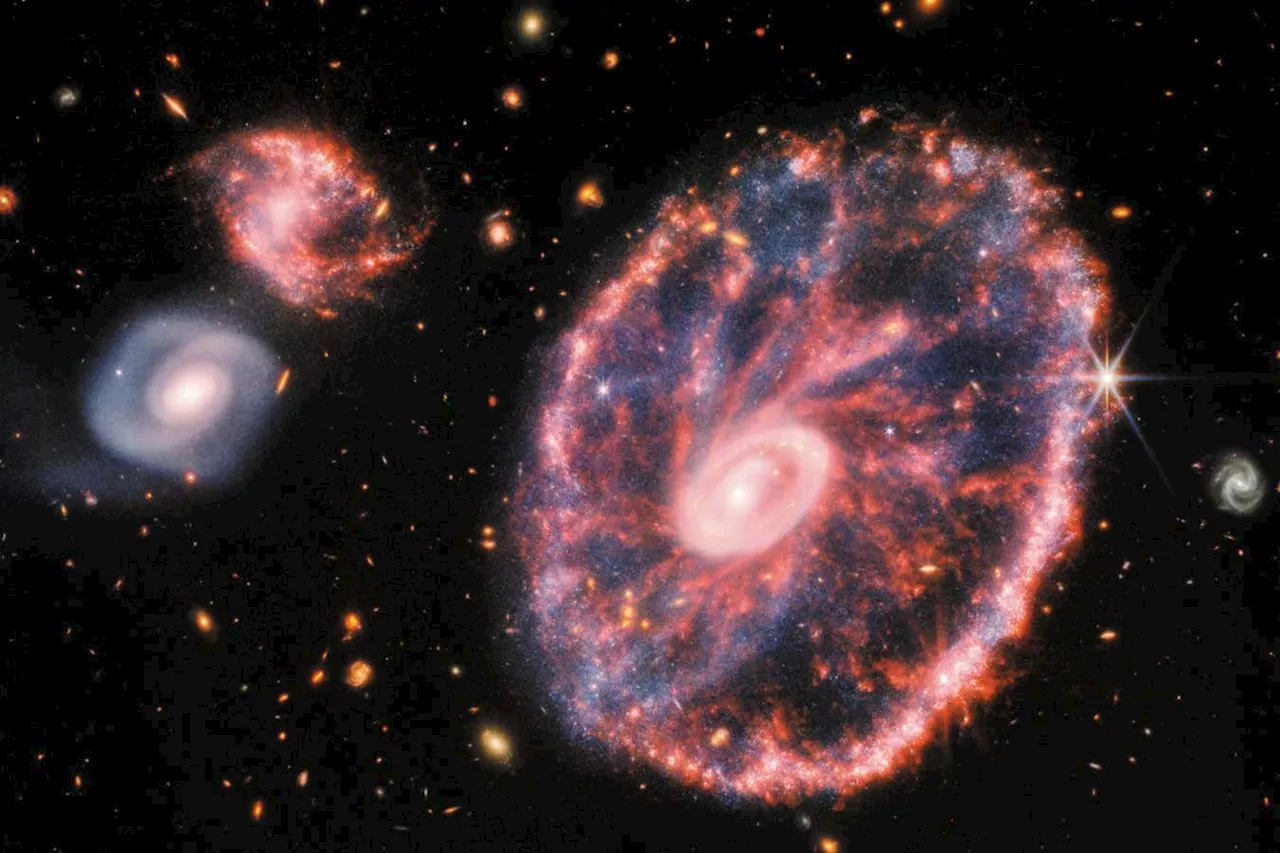 10 stunning James Webb Space Telescope images show the beauty of spaceMaggie Aderin-Pocock, who has worked on the JWST, catalogues the science behind its most stunning images in her new book, Webb's Universe. Here's her pick of the telescope’s best shots
Read more »
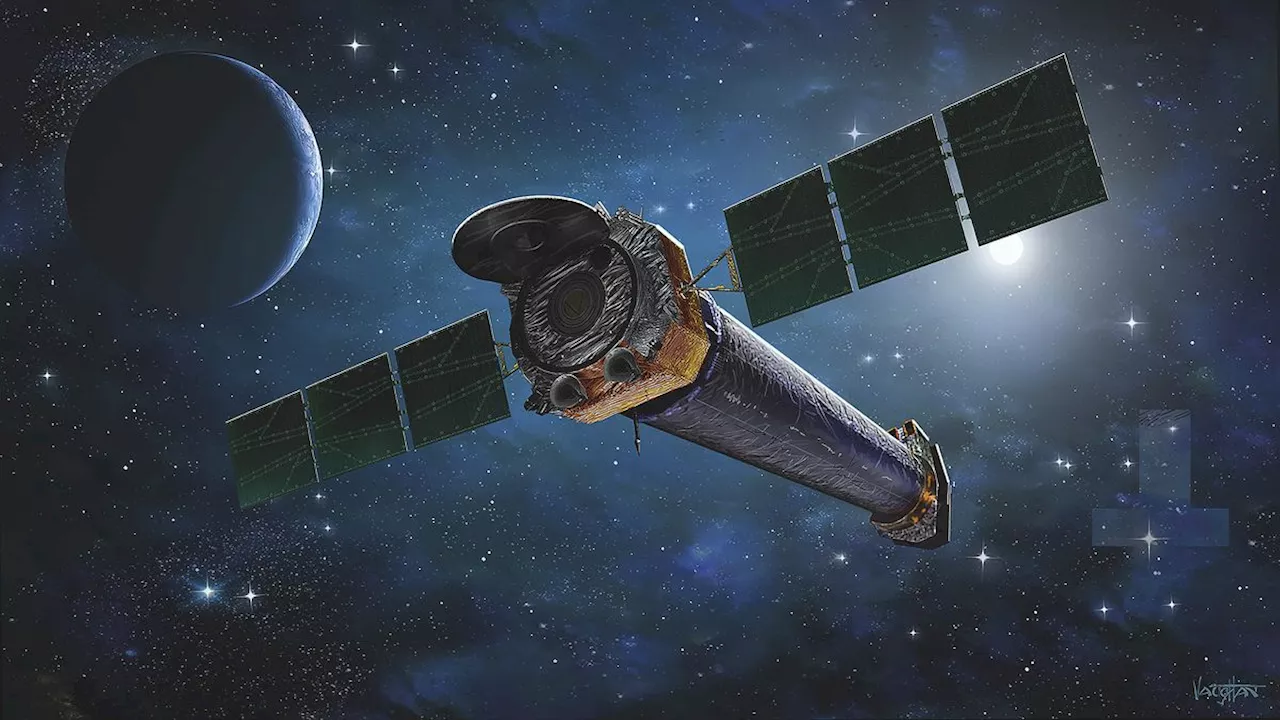 NASA delays budget-cut decision about Hubble and Chandra space telescopesKeith Cooper is a freelance science journalist and editor in the United Kingdom, and has a degree in physics and astrophysics from the University of Manchester.
Read more »
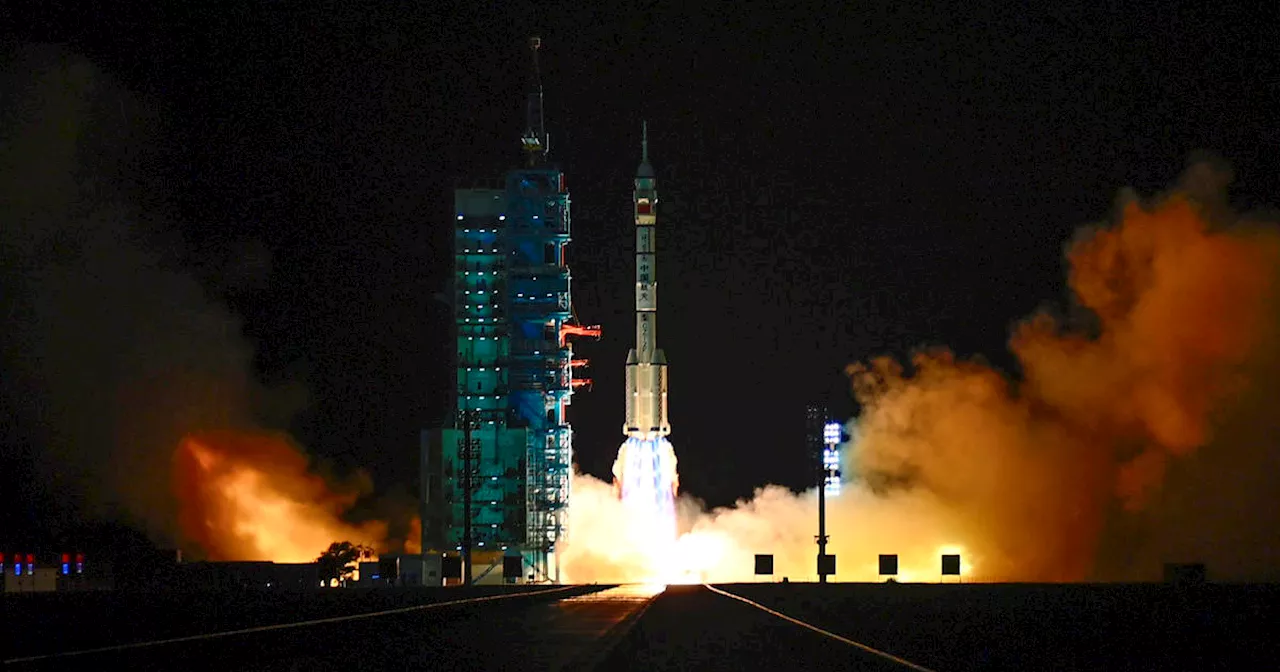 China's space station gets new crew as Beijing advances President Xi's 'space dream'A new crew of three Chinese astronauts including the country's only woman spaceflight engineer entered the Tiangong space station following an early morning launch into orbit.
Read more »
 China’s new crew arrives at space station in sign of growing influence in space fieldThe Shenzhou-19 spaceship carrying a trio of astronauts blasted off from the Jiuquan Satellite Launch Center in northwest China atop a Long March-2F rocket. The team of two men and one woman will replace the astronauts who have lived on the Tiangong space station for the last six months.
Read more »
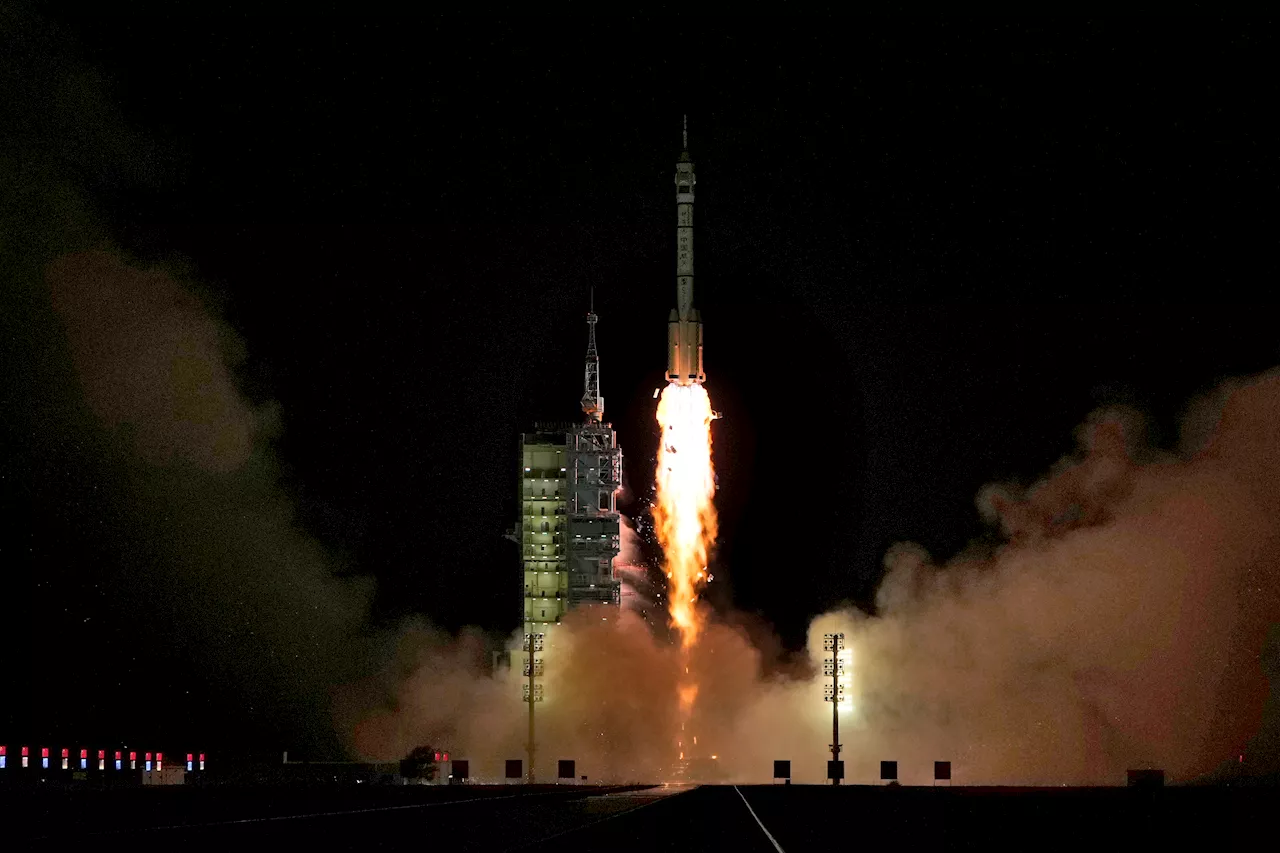 China's new crew arrives at space station in sign of growing influence in space fieldA Chinese space ship carrying a three-person crew docked with its orbiting space station Tuesday.
Read more »