
The article discusses the urgency of addressing the wildfire crisis in the US, highlighting the devastating personal impact of wildfires. It argues that declining forest health is a primary cause, emphasizing the effectiveness of proactive forest restoration measures like mechanical thinning and prescribed burns. However, the article criticizes bureaucratic hurdles and litigation that delay these crucial projects, pointing to the Fix Our Forests Act as a potential solution.
It's impossible to know the devastation of a wildfire until you've lived it. Headlines and news clips provide a glimpse, but they cannot replicate the feeling of smoke in your lungs, seeing flames race towards you, or feeling the char and ash of destruction left in its wake.
This year is already off to a grim start with devastating fires in Los Angeles. These recurring wildfire tragedies, however, have gripped the attention of the new Congress, with policymakers making critical forest reform their top priority. This week, the U.S. House of Representatives overwhelmingly passed the bipartisan Fix Our Forests Act to help overcome the legal and political hurdles that stand in the way of addressing the wildfire crisis.As a child, my first experience with wildfire came on a family backpacking trip in the mountains of Montana. The majestic views changed instantly after rounding a bend revealed an out-of-control fire bounding up the canyon. We immediately evacuated, making an arduous hike over the mountains while constantly looking over our shoulders to make sure the fire wasn't gaining too much ground on us. Since then, I married a wildland firefighter and prayed for him and his crew as they battled blazes around the United States. I watched fires burn from my front porch and saw homes torched. I live with the sobering realization that my community's water supply would be exhausted in just three days if a fire burns in the nearby watershed. Wildfire is personal for me, which is why I'm frustrated officials continue to ignore how we got here and how to mitigate the impact of today's devastating megafires.Although several factors such as drought, climate change, and landscape topography contribute to the wildfire crisis, the declining health of our nation's forests is the primary cause. Forests have become tinderboxes overgrown with trees, shrubs, and other fuels due to lack of maintenance and decades of fire suppression—to the point where 80 million acres are in need of restoration. Due to the backlog, unhealthy forests provide lower-quality wildlife habitat, are more vulnerable to insects and disease, jeopardize watersheds, and are less resilient to climate change and drought.The good news is that proactive efforts to reduce fuel buildup work. Tools, including scientifically managed mechanical thinning and prescribed 'good' fire are very effective in restoring forest ecosystems. A meta-analysis published in the journal Forest Ecology and Management found that combining mechanical thinning with prescribed burns reduces the severity of subsequent wildfires in an area by 62 to 72 percent. Importantly, the efficacy of these treatments did not vary among forest types assessed in the study and was high across a range of fire weather conditions. The effectiveness of these tools was demonstrated in 2021 during Oregon's Bootleg Fire, which ultimately burned more than 400,000 acres. Firefighters reported that where both treatments had been applied, fire intensity was reduced, the crowns of trees were left intact, and the blaze became a more manageable ground fire.But implementing this critical work on the ground is easier said than done. Red tape and unnecessary litigation hold up forest restoration projects for years, consuming time and money that should instead be spent on the ground. Research from my group—the Property and Environment Research Center—found that federal permitting and litigation can delay needed projects anywhere from five to nine years.One forest project designed to protect our watershed in Montana took more than 15 years to get off the ground due to seemingly endless litigation and permitting hurdles—and even after all of that controversy, the project that was finally approved was the exact same as when it was originally proposed all of those years before.The initial litigation that stymied the watershed project set a harmful new precedent known as the Cottonwood decision. The controversial decision allows litigants to block restoration projects by requiring duplicative analysis at both the project level and the forest plan level any time new information emerges about an endangered or threatened species in that forest. Sen. Angus King has compared this to redoing a city's entire zoning plan over a neighborhood-level problem, regardless of whether or not the problem had been dealt with at the neighborhood level, and the Obama administration urged the Supreme Court to overturn the decision because it 'has the potential to cripple the Forest Service.'Policy changes are needed to increase the pace and scale of forest work, but hope is on the horizon. The Fix Our Forests Act already passed the House in one of the first moves of the 119th Congress, a major step toward fostering healthier forests and reducing the risk of catastrophic wildfires. The act would slash red tape that holds up forest restoration projects; promote collaboration and partnerships to conduct restoration work; and deter frivolous lawsuits that delay essential projects. Co-sponsored by Rep. Scott Peters and Rep. Bruce Westerman , the legislation received broad bipartisan support. The Senate and President Donald Trump should move quickly to pass the legislation and empower agencies and partners with needed forest restoration tools.Solving the wildfire crisis will certainly not be easy, but we know what we need to do. It's time to take swift action to fix the root of the problem. Like many Westerners, I'm ready to move past the constant threat of wildfires and start enjoying our forests again.Hannah Downey is the policy director at the Property and Environment Research Center , a nonprofit institute based in Bozeman, Montana, that creates innovative conservation solutions through markets and incentives.The views expressed in this article are the writer's own.
WILDFIRES FOREST RESTORATION CLIMATE CHANGE FOREST MANAGEMENT LEGISLATION
United States Latest News, United States Headlines
Similar News:You can also read news stories similar to this one that we have collected from other news sources.
 Climate Change to Fuel Spongy Moth Outbreaks, Damaging North American ForestsNew computer models predict that hotter, drier conditions will limit the growth of a fungus that normally controls the invasive spongy moth, leading to increased outbreaks and further damage to North American forests.
Read more »
 House passes Laken Riley Act in first legislative act of new CongressPolitical News and Conservative Analysis About Congress, the President, and the Federal Government
Read more »
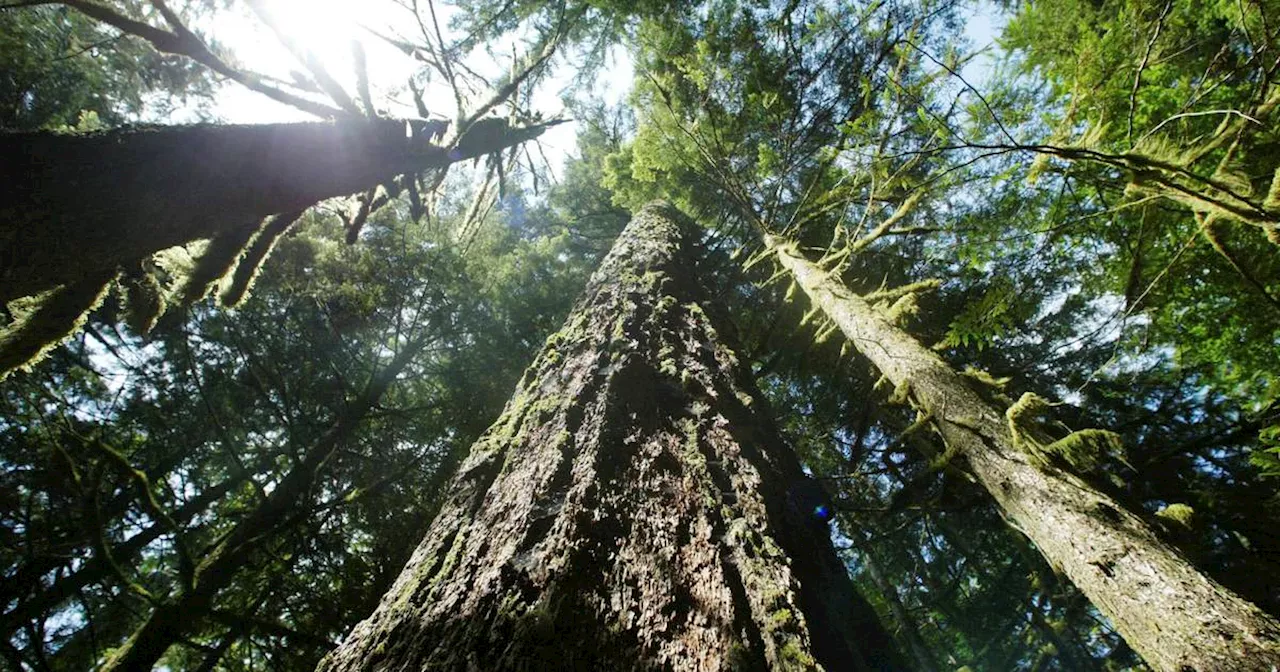 Biden Administration Drops Plan to Protect Old-Growth ForestsThe Biden administration has unexpectedly withdrawn its proposal to protect old-growth forests nationwide, facing strong opposition from Republicans and the timber industry. The plan, which aimed to limit logging in these vital ecosystems increasingly threatened by climate change, had undergone extensive public review and internal analysis. Critics, including timber companies and GOP lawmakers, argued that the proposal was unnecessary and would harm logging businesses reliant on public lands.
Read more »
 Biden Administration Shelves National Plan to Protect Old-Growth ForestsThe Biden administration has abruptly halted its nationwide plan to safeguard old-growth forests, a proposal that faced fierce opposition from the timber industry and Republicans in Congress. The plan, launched in 2022, aimed to limit logging in these vital ecosystems while allowing exceptions for wildfire mitigation. However, critics argued it was unnecessary and would harm logging companies reliant on public lands. Despite extensive public comment periods and internal reviews, the administration ultimately decided to abandon the initiative, citing the need for further study and recognition of regional variations in forest types.
Read more »
 The future of urban forests: AI tool simulates tree growth and behaviorNew research led by scientists from MIT and Purdue University offers a more data-driven approach to urban forest planning.
Read more »
 House Passes Laken Riley Act, Trump's First Legislative ActThe House of Representatives passed the Laken Riley Act on Wednesday, sending it to President Donald Trump for his signature. The bill, named after a nursing student murdered by an illegal immigrant, strengthens immigration enforcement by mandating the detention of illegal aliens charged with serious crimes. It also requires ICE to notify victims' families when encountering such individuals.
Read more »