
Five years after COVID, work has evolved. Flexibility, career security, and AI are reshaping the future of work—what stuck, what faded, and what’s still changing.
Did you think that when it was over, work would just snap back to normal? Did your employer think so too? That we’d all return to our desks, log our nine-to-five, and pretend the biggest workplace disruption in history never happened?Five years later, work hasn’t “returned to normal.
” It has evolved—not into the fully remote, hyper-flexible utopia some predicted, nor into the rigid, office-bound structure companies once controlled. Instead, we’ve landed somewhere in between: a world where employees expect more autonomy, career security is no longer tied to a single employer, and work has permanently integrated into life rather than dictating it. Some changes were temporary. Others rewired how people think about work forever. And some are still evolving, shaping the next era of work. Five years after the first lockdowns, it’s time to take a look back and understand what truly changed, what quietly reversed, and what remains in flux.In 2020, it seemed like remote work had won. Companies abandoned office leases, workers embraced Zoom, and many believed that in-person work would become obsolete. But five years later, that prediction hasn’t fully materialized. Instead, work settled into something in between—not fully remote, butSupreme Court Orders Trump To Pay Out $2 Billion In USAID Funds: Here’s Where Trump’s Winning—And Losing—In CourtOffices still exist, but their purpose has changed. They are no longer the default location where all work happens, but rather one of many places where work occurs. Employees move between home, co-working spaces, company offices, and sometimes even different geographies, integrating work into their lives rather than structuring their lives around work. This is also why the four-day workweek, despite its popularity in discussions, has not become a widespread reality. People don’t want a shorter workweek—they want control over their time. Imposing a rigid four-day structure doesn’t address the deeper desire for autonomy, which has become one of the most significant workforce expectations post-COVID.For decades, job stability meant studying a solid profession, finding a secure employer and staying put. The pandemic shattered that illusion. Entire industries collapsed overnight while others—tech, e-commerce, healthcare, cybersecurity—boomed. Workers who once felt safe in their jobs suddenly found themselves unemployed, while those in rapidly growing fields had more opportunities than ever. This shift rewired how people think about career security. Instead of relying on one employer or even one profession, people now focus on staying relevant through continuous learning, adaptability, and multiple income streams. Skills—not job titles—have become the new currency of career stability.. COVID made alternative income sources a necessity, but many discovered they preferred this model. Even those in full-time roles now think like independents, maintaining side hustles or positioning themselves for future career pivots. The loyalty that once defined the employer-employee relationship has eroded—workers stay where it benefits them, and they move on when it doesn’t.Before COVID, “work-life balance” was a buzzword that rarely translated into reality. For many, work dictated their schedules, their stress levels, and their ability to engage in personal life. The pandemic forced a reckoning: workers demanded workplaces that recognize them as full humans, not just employees.. It’s no longer just about promotions, salary bumps, or job titles—it’s about whether work fits into life in a sustainable way. People are less willing to sacrifice everything for career advancement, especially when they’ve experienced a different way of working. And so they expect their employers to actively care for their life as a whole including their well-being, mental health, and sustainability in work practices. Companies that ignored these concerns saw record levels of burnout, disengagement, and turnover. Those that took them seriously retained talent and gained a competitive edge.Covid transitioned work into the digital realm and forever added the digital space to the range of “places” where work happens. In the early days of COVID, this was about enabling work to happen through video calls. But overuse quickly led to Zoom fatigue, and we all realized that digital transformation couldn’t stop at endless virtual meetings. Today, the workplace continues to evolve digitally—but now, AI is the driving force. From automation tools to generative AI models that assist with content creation, decision-making, and workflow optimization, technology is reshaping how work gets done. The question isn’t whether technology will continue to, but how organizations and employees will adapt to it. As technology reshapes how we work, both people and organizations must adapt to new ways of working—anywhere, anytime.The past five years have shown that work didn’t settle into a new normal—it kept evolving. Some things returned to the way they were, like in-person meetings and business travel. Other shifts became permanent, like flexible work and the emphasis on career adaptability. And some issues, like AI’s role in the workplace, are still unfolding. But one truth is undeniable: you can’t go back into the future. People now expect more autonomy, more control, and more respect for their well-being. Organizations that evolve how they work will thrive. Those that try to force outdated models will lose the best talent to those who understand that work is transforming. Change isn’t coming—it’s already here. The only question is: who will evolve, and who will be left behind?
Future Of Work Work Evolution Work Transformation Remote Work Freelance Independent Work Life Balance Flexible Work Technology At Work
United States Latest News, United States Headlines
Similar News:You can also read news stories similar to this one that we have collected from other news sources.
 Man Alleges Diddy Sexually Abused Him for Five Years, Blackmailed Him With VideosA Las Vegas man, suing under a pseudonym, claims he was sexually assaulted by Sean Combs (Diddy) over five years. He alleges Combs drugged him, coerced him into sex acts, and threatened him with videos. Two other women also filed lawsuits against Combs on Tuesday, alleging similar experiences.
Read more »
 Lori Harvey Steals the Show on Playboy's First Cover in Five YearsModel Lori Harvey graces the cover of Playboy's first issue in five years, showcasing a glamorous and sultry look. The 28-year-old model dons a bedazzled bikini top, a mint green boa, and playful feather accents in the stunning photoshoot. Harvey's makeup and hair are equally flawless, completing her captivating presence.
Read more »
 RBI Expected to Cut Interest Rates for First Time in Five YearsThe Reserve Bank of India (RBI) is anticipated to lower interest rates by 25 basis points to 6.25% at its upcoming policy meeting, marking its first rate reduction in nearly five years. This move comes amidst easing inflation and a desire to stimulate the faltering Indian economy.
Read more »
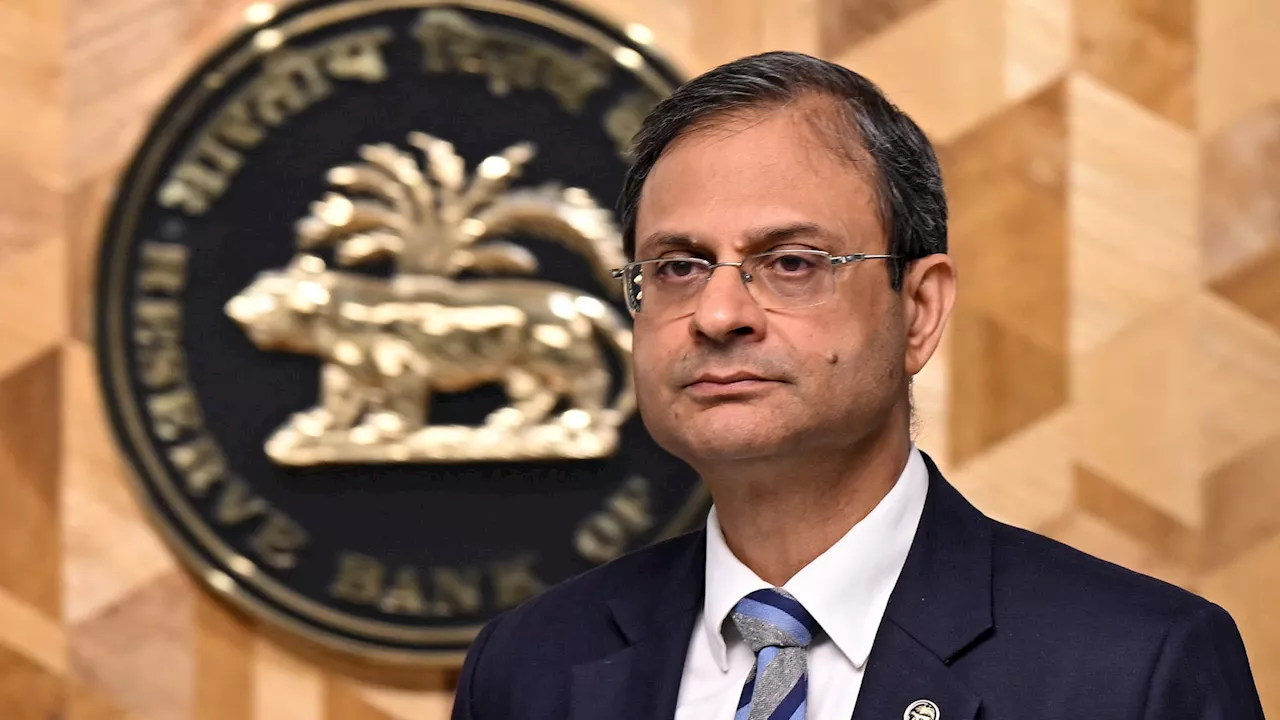 India's Central Bank Expected to Cut Interest Rates for First Time in Five YearsThe Reserve Bank of India (RBI) is anticipated to lower the repo rate by 25 basis points to 6.25% at its policy meeting concluding Friday, marking its first rate cut in nearly five years. This decision comes as easing inflation provides the RBI with room to stimulate a slowing economy. However, the move is being closely watched against the backdrop of the rupee's record lows against the US dollar.
Read more »
 Car thefts decline in Washington state for first time in five yearsFor the first time since 2020, Washington state has seen a decline in auto thefts, with a 31% decrease compared to 2023.However, despiteaccording to a report
Read more »
 Drunk driver sentenced to 4 years in prison, 2 years probation in 2022 crashWRTV Investigates Kara Kenney fights for what's right and holds those in power accountable.
Read more »