
The dramatic decline in crime that President Biden and other federal leaders touted this week has some analysts questioning whether a spotty data collection process is painting a misleadingly upbeat picture of public safety.
and other federal leaders touted this week has some analysts questioning whether a spotty data collection process is painting a misleadingly upbeat picture of public safety.Quarterly Uniform Crime Report from the first three months of the year showed that violent crime fell 15% nationwide. Attorney General Merrick Garland called it a part of a continued “historic decline.
Investing in the manpower to fill out logs for the National Incident-Based Reporting System — the federal recordkeeping system that is usually more granular than what departments require — is not something he sees local police jumping at the chance to do. Mr. Johnson said bigger police forces will hire civilians to be statisticians so officers don’t lose their patrol duties.
Mr. Johnson didn’t want to comment on the agency’s numbers but said statistics such as Baltimore’s sharp decline in homicides last year and so far this year are legitimate.
B Donald Trump B Federal Bureau Of Investigation B White House B Biden
United States Latest News, United States Headlines
Similar News:You can also read news stories similar to this one that we have collected from other news sources.
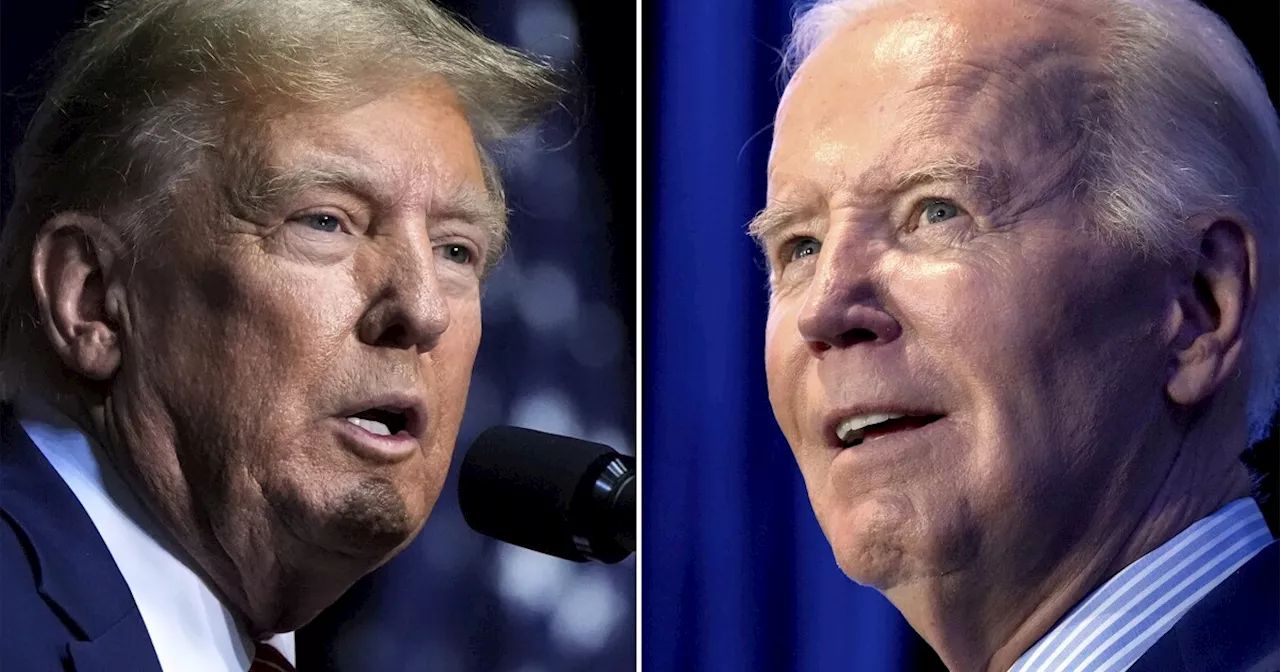 How do President Biden and former President Trump differ on education?Scripps News breaks down the issues that set the candidates apart on curriculum, student loans and education policy.
Read more »
 Social Security Works PAC Endorses President Biden and Vice President Harris for Re-ElectionNewswire Editor is a Common Dreams staff position.
Read more »
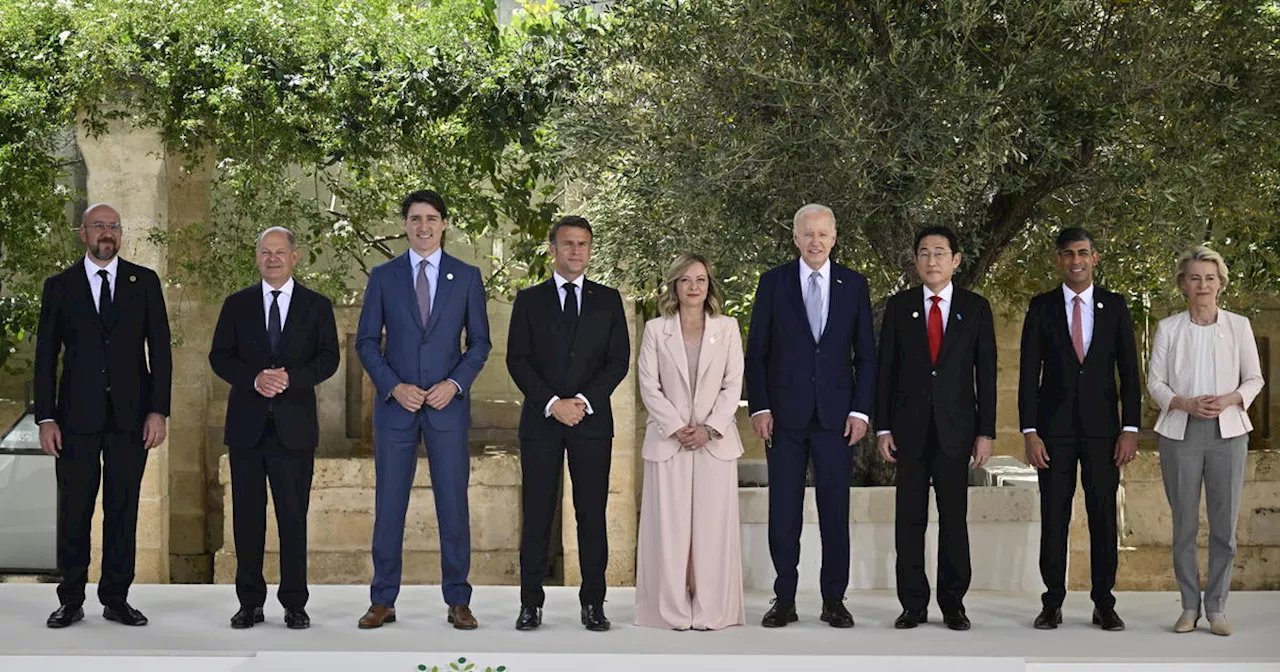 President Biden and Ukrainian President Volodymyr Zelenskyy to hold joint news conference in ItalyThe U.S. and Ukraine are expected to sign a long-term security agreement at the G7 conference in Italy.
Read more »
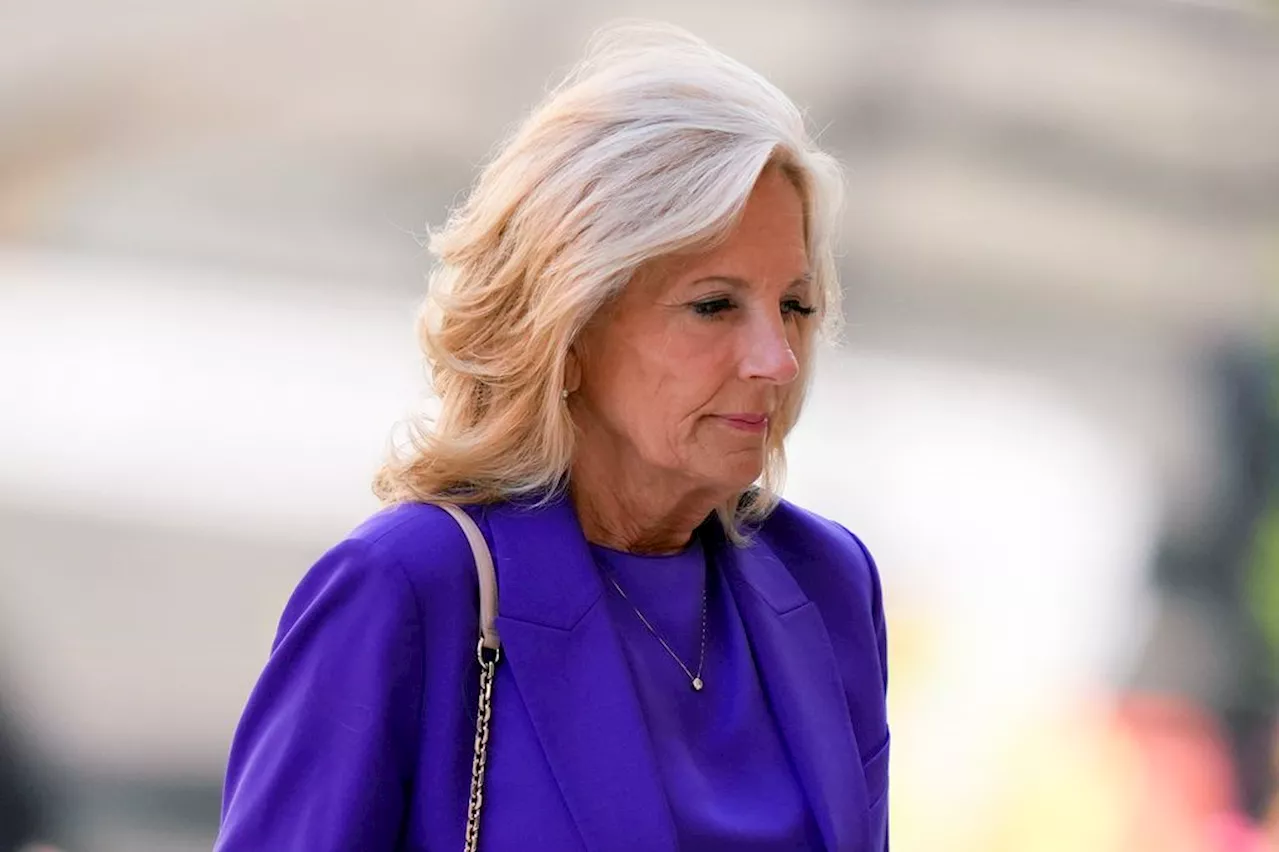 Jill Biden attends Hunter Biden’s gun trial as president keeps his distanceThe trial, concerning a 2018 purchase of a firearm, is the first of two high-profile trials the younger Biden is facing during the final months of the 2024 general election.
Read more »
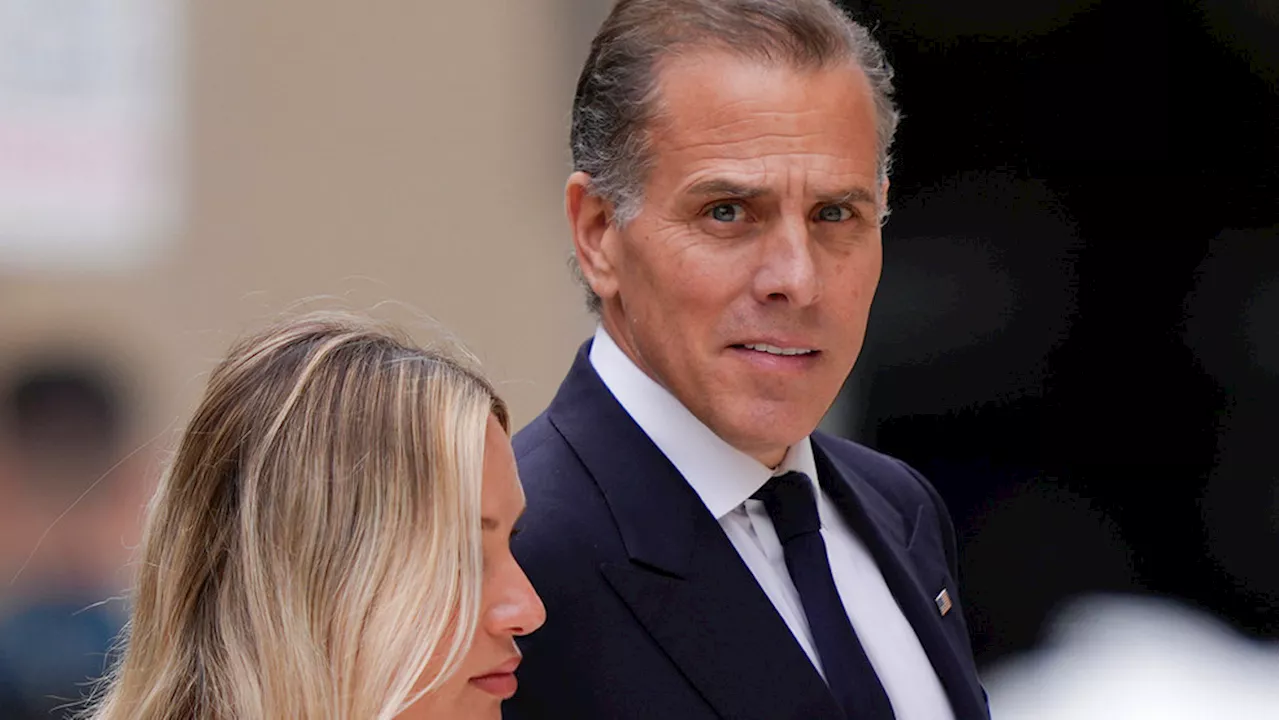 President Biden and Trump respond to Hunter Biden's conviction in federal gun trialHunter Biden's conviction immediately sparked reaction from his father's political opponent, Donald Trump.
Read more »
How Will Hunter Biden's Felony Conviction Impact President Biden's 2024 Chances?See multiple perspectives from BBC News, Daily Beast, and Washington Examiner at AllSides.com.
Read more »