
Struggling with insomnia? A recent study reveals that exercise could be a more effective solution than sleep aids. This article explores the science behind exercise and sleep, highlighting its benefits and offering practical tips for incorporating physical activity into your routine for a better night's rest.
Struggling to sleep? Science says this is better than any sleep aid . For the 12% of Americans who grapple with chronic insomnia, finding relief can be a relentless challenge. Sleep aids might promise a quick fix, but they often fail to replicate the natural stages of sleep, such as REM and deep sleep. A recent meta-analysis, however, suggests a surprisingly simple solution that’s accessible, cost-effective, and great for your overall health: exercise.
Can exercise cure sleepless nights? Researchers pooled data from 19 randomized controlled trials, involving over 1,200 participants with insomnia but no other sleep-related conditions. These studies explored the effects of exercise as a stand-alone treatment over periods ranging from four weeks to 12 months. The results were fascinating. Exercise didn’t necessarily help participants fall asleep faster or increase their total sleep duration. However, it significantly reduced the amount of time spent awake during the night (a measure known as Wake After Sleep Onset) and improved sleep efficiency, which refers to the proportion of time in bed spent actually sleeping. In other words, people slept more soundly—waking up less frequently and feeling more rested. How effective is it? Exercise had a moderate effect on improving objective sleep measures, such as time spent awake during the night and sleep efficiency. But the most impressive findings were on subjective sleep quality. Participants overwhelmingly reported feeling like they slept better and longer, with satisfaction scores showing large improvements. Interestingly, the effects were even more pronounced at higher exercise intensities, among older adults, and in women. The researchers speculated that hormonal changes and lower baseline physical fitness levels in these groups might explain why they benefitted more from exercise interventions. Why does it work? Insomnia is often linked to hyperarousal—a state where the brain and body remain activated even when they should be resting. Physical exercise helps regulate the autonomic nervous system and may reduce this hyperarousal, paving the way for better sleep. Exercise also impacts key hormones that influence sleep, such as cortisol and serotonin. Moreover, regular movement can combat age-related declines in fitness, which are associated with worse sleep outcomes. Intensity matters While any form of physical activity can help, intensity plays a big role. Most studies included light to moderate activity, such as walking or leisurely cycling. Yet higher-intensity sessions seemed to deliver the biggest sleep gains. If you're struggling to sleep, adding even low-intensity physical activity to your routine could make a difference. Aim to gradually increase the intensity as your fitness improves. Think brisk walks, dance classes, or short strength-training sessions. The takeaway Exercise may not be the first thing you want to do after a sleepless night, but it could be the key to breaking the cycle of insomnia. While more research is needed to fine-tune exercise recommendations and explore its interaction with other treatments like cognitive behavioral therapy for insomnia, one thing is clear: moving your body is a powerful tool for better sleep.
Exercise Insomnia Sleep Sleep Quality Sleep Aid
United States Latest News, United States Headlines
Similar News:You can also read news stories similar to this one that we have collected from other news sources.
 The Disengaged Teen: Helping Kids Learn Better, Feel Better, and Live BetterAuthors Jenny Anderson & Rebecca Winthrop Explain Teens’ Four Modes of Engagement — & How They’re ‘States, Not Traits’
Read more »
 Author Lives in Bunker for 10 Days, Discovers Key to Better Sleep and HealthAuthor Lynne Peeples spent 10 days in an underground bunker to study how lack of light and time cues affect her sleep, mood, and overall health.
Read more »
 New Advances in Sleep Health: Caffeine, Diet, Napping, and Sleep Apnea TreatmentsThis article explores recent findings and developments in sleep health, covering topics such as caffeine consumption, diet and insomnia, napping strategies, and new treatments for sleep apnea.
Read more »
 Sleep Tracking Devices: Data Overload or Pathway to Better Rest?This article explores the growing popularity of sleep tracking devices and the potential downsides of focusing too heavily on sleep data. It argues that while tracking sleep can be helpful, an obsessive approach to optimizing sleep, known as orthosomnia, can actually worsen sleep quality. The article emphasizes the importance of considering the bigger picture, including diet and lifestyle factors, for achieving good sleep.
Read more »
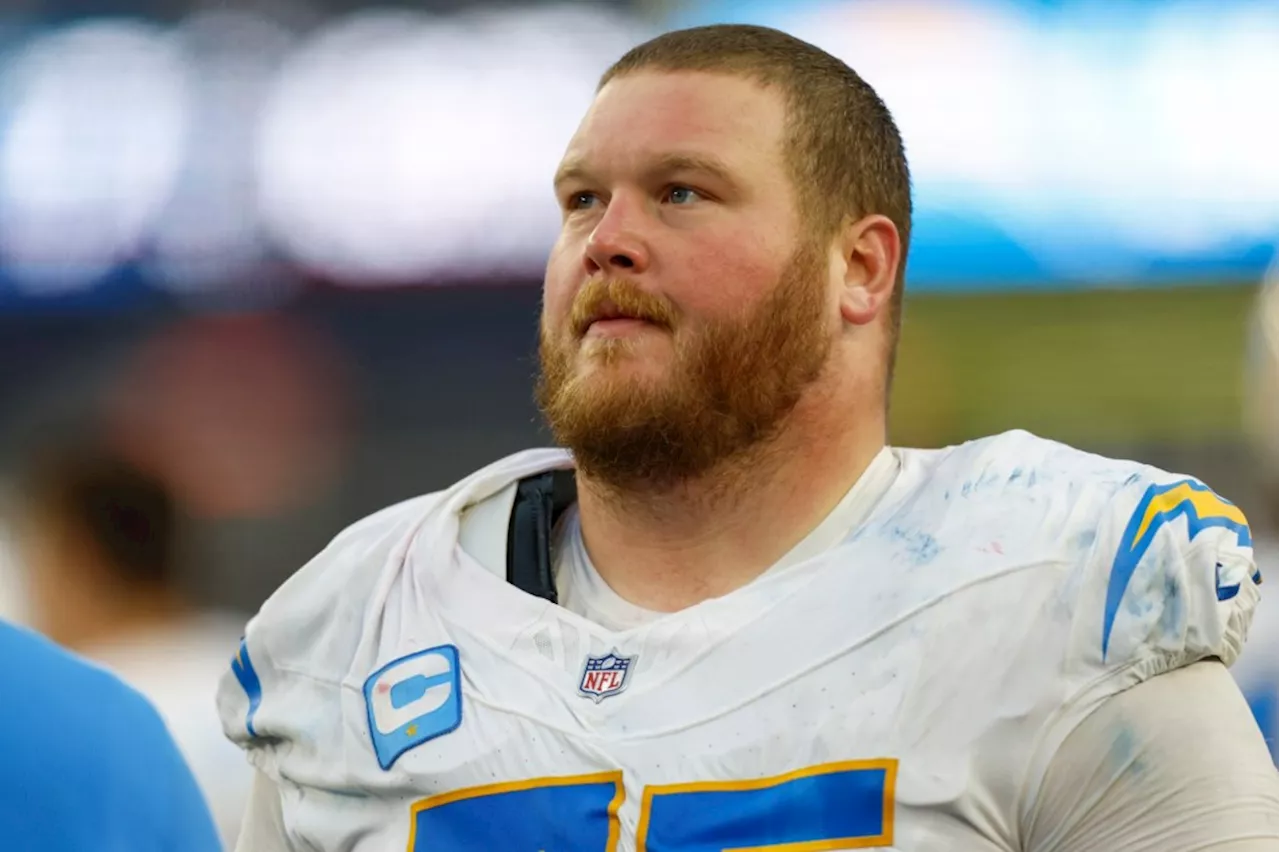 Chargers offseason primer: ‘Build, build, build, better, better, better, version 2.0’A look at the Chargers’ offense, including returning starters, their pending free agents, salary cap issues and upcoming draft picks.
Read more »
 50 Years of Sleep Research Reveals Crucial Link Between Sleep and Mental HealthA comprehensive review of sleep research spanning 50 years highlights the significant impact of sleep on mental health, emphasizing the importance of prioritizing sleep for emotional well-being and overall health.
Read more »