
Researchers developed low-cost K-Na/S batteries using earth-abundant materials, achieving high capacity and energy for long-term storage.
The team created a novel electrolyte, an acetamide and ε-caprolactam solvent, to aid in the battery’s energy storage and release.A team has now developed battery “fuel,” K-Na/S batteries using abundant potassium, sodium, and sulfur to provide a low-cost, high-energy solution for long-duration energy storage .
These batteries achieve near-maximum capacity at 75°C with 1M sulfur. At 4M sulfur, they deliver 830 mAh/g at 2mA/cm² and retain 71 percent capacity after 1000 cycles. Researchers claim that these batteries are promising for long-term energy storage because they only use materials that are found on Earth and provide 150–250 Wh per kg of energy. “It’s important that we be able to extend the length of time these batteries can operate, and that we can manufacture them easily and cheaply,” said Yuan Yang, the team’s leader and an associate professor in the Department of Applied Physics and Mathematics at Columbia Engineering, in a statement.Although renewable energy sources, such as solar and wind power, are essential to maintaining our planet, they have a significant drawback in that they don’t always produce electricity when it’s needed. To fully utilize them, we must find economical and effective ways to store the energy they generate, ensuring that we always have power, even in the absence of the sun or wind.K-Na/S batteries face two main problems: their low capacity stems from the formation of inactive solid K2S2 and K2S, which obstructs the diffusion process; additionally, their operation necessitates very high temperatures , which requires complex thermal management, raising the process’s cost. Optical microscope images show no solid formation at discharge end. Visible coiled carbon fibers and color change of catholyte during discharge. Previous research has struggled with low capacity and solid precipitates, so a novel method to enhance these kinds of batteries has been sought after. To boost battery performance, Professor Yang’s team developed a new amide-based electrolyte that improves the solubility of compounds like K2S2 and K2S, enhancing ionic movement and reaction rates./S batteries, which offer higher voltage than traditional Na/S and K/S batteries, and operate at lower temperatures .The team’s experiments showed that this electrolyte’s ability to dissolve K2S2 and K2S can improve the energy and power density of K/S batteries operating at intermediate Using a mixture of acetamide and ε-caprolactam, which can dissolve K2S up to 1.43M at 75°C, the battery achieves nearly full discharge capacity at 75°C.retains 71 percent of its capacity after 1000 cycles. This system provides specific energies of 150-250 Wh per kg and is low-cost due to the abundance of materials used. a) Schematic shows K-Na/S battery with low impedance and high energy density at 75°C due to efficient K-BASE and solvent effects. b) Energy density vs. concentration for 1-week and 1-day discharge times. “Our approach achieves nearly theoretical discharge capacities and extended cycle life. This is very exciting in the field of intermediate-temperature K/S batteries,” said Zhenghao Yang, the study’s co-first author and a PhD student with Professor Yang. Although the group is concentrating on tiny, coin-sized batteries for the time being, they eventually want to scale up this technology to store significant amounts of energy. Researchers believe that if these new batteries are successful, they may be able to deliver a steady and dependable power supply from renewable sources, even when there isn’t much wind or sun. Right now, the group is focusing on electrolyte composition optimization.“Making renewable energy more reliable will help stabilize our energy grids, reduce our dependence on fossil fuels, and support a more sustainable energy future for all of us,”Jijo is an automotive and business journalist based in India. Armed with a BA in History from St. Stephen's College, Delhi University, and a PG diploma in Journalism from the Indian Institute of Mass Communication, Delhi, he has worked for news agencies, national newspapers, and automotive magazines. In his spare time, he likes to go off-roading, engage in political discourse, travel, and teach languages.
Climate Change Columbia Engineering Energy Storage Global Warming Potassium-Sodium Battery Pottasium-Sodium
United States Latest News, United States Headlines
Similar News:You can also read news stories similar to this one that we have collected from other news sources.
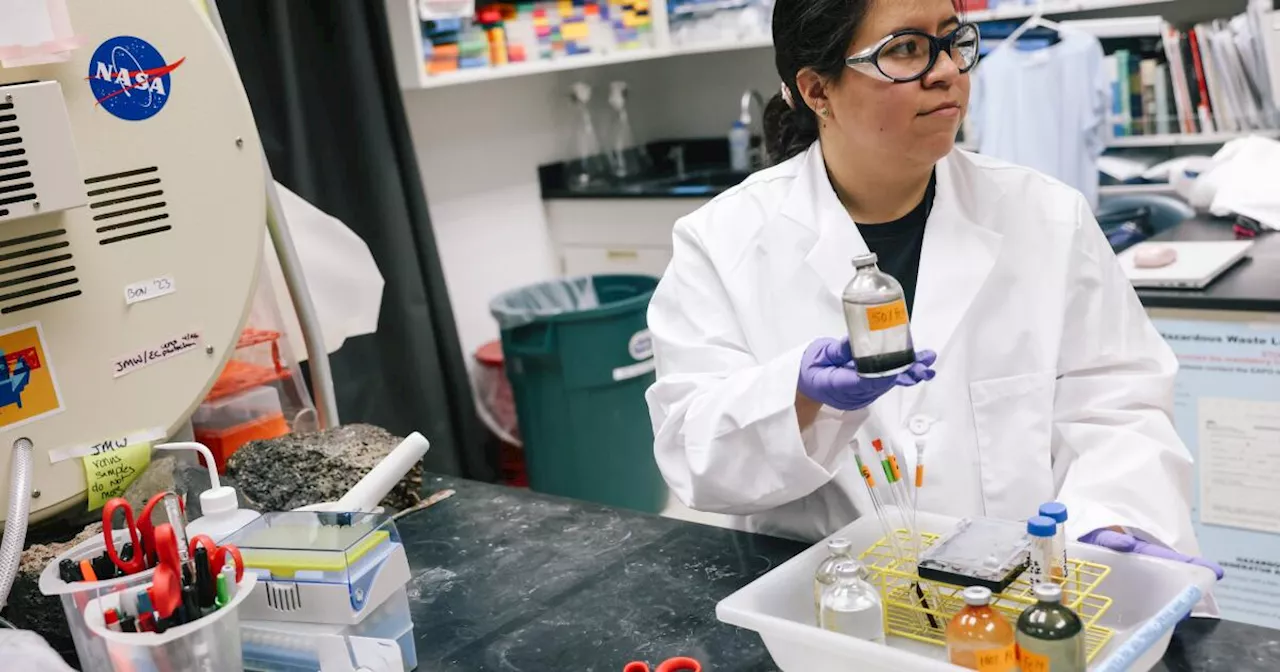 Algae here, alien life out there — Cal State L.A.-JPL partnership connects engineers to astrobiologyJPL hires Cal State Los Angeles civil engineering students with NASA grant. The interns can do research for NASA and learn about connections between astrobiology and science here on Earth.
Read more »
 Amazon software engineers may be forced to find jobs besides coding thanks to AI: Cloud chiefAmazon’s software engineers could stop coding entirely in the near future due to the rise of artificial intelligence, according to the company’s cloud computing chief.
Read more »
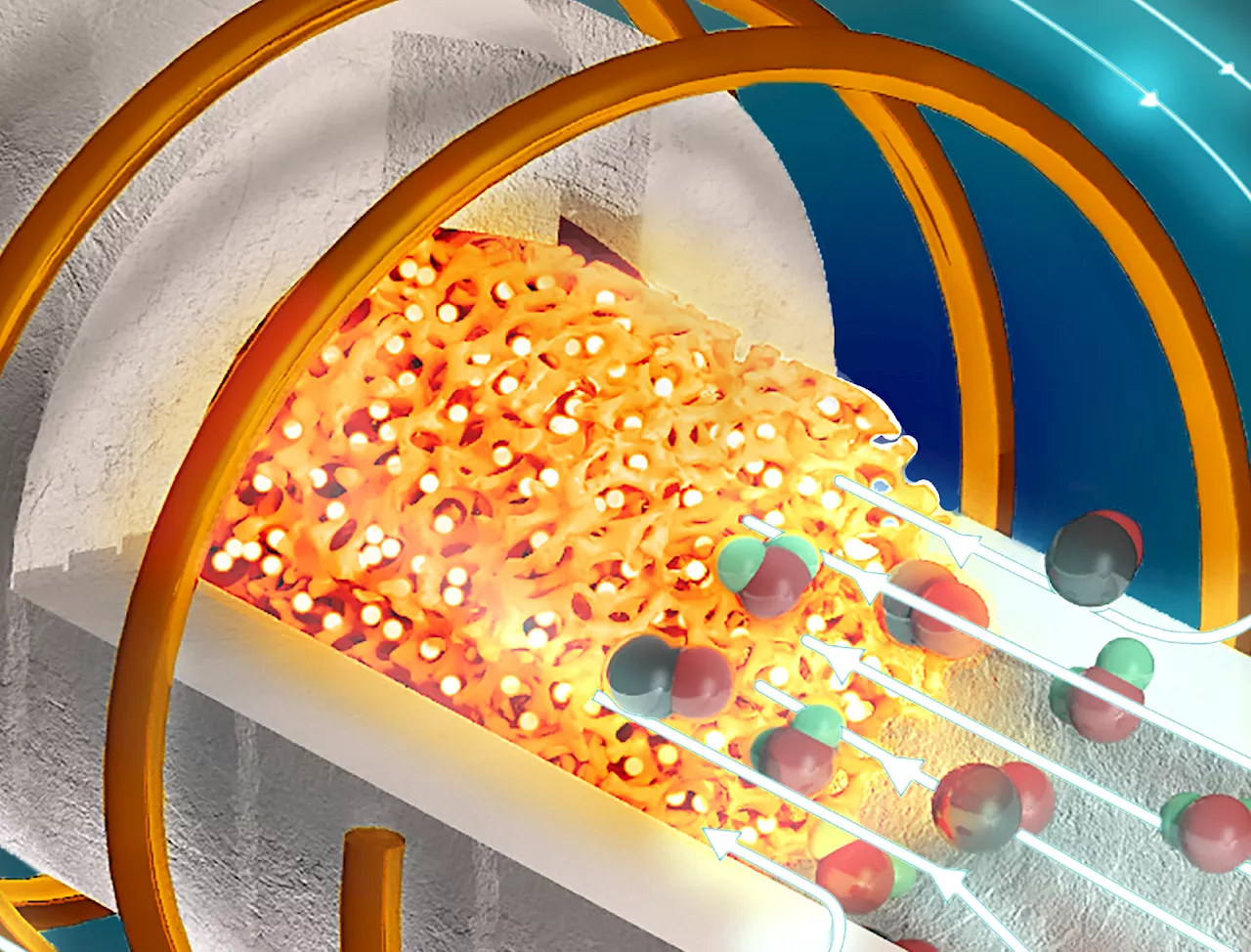 Slashing Carbon Emissions: Stanford Engineers Unveil Game-Changing Electrified ReactorScience, Space and Technology News 2024
Read more »
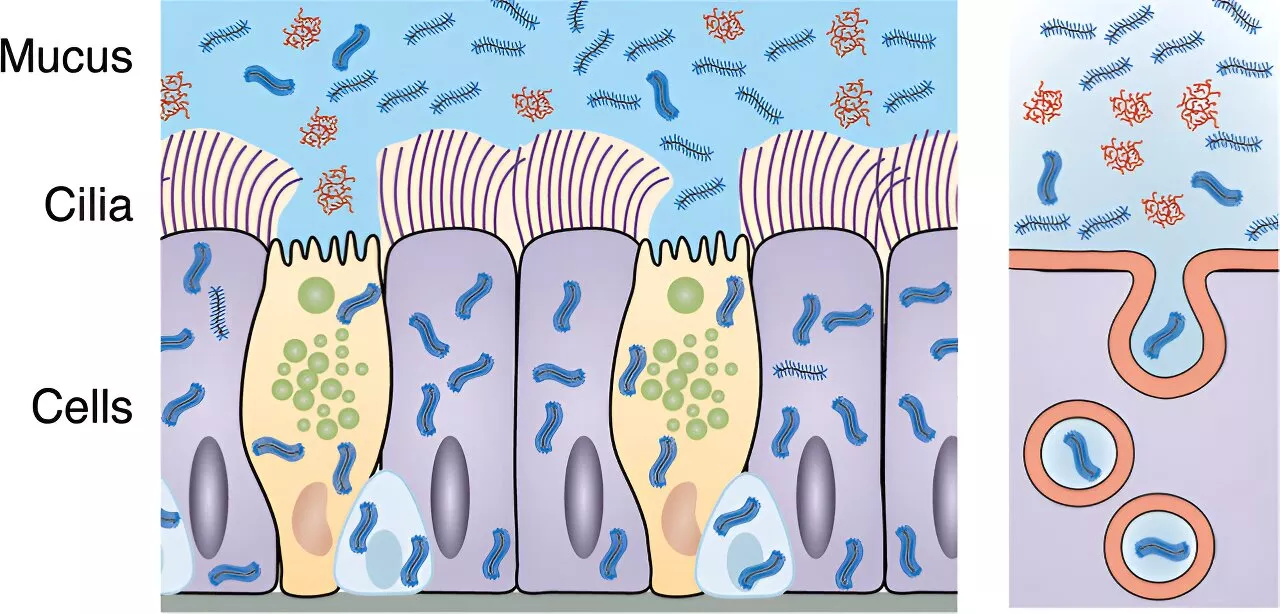 Engineers design lookalike drug nanocarrier to evade lung's lines of defenseA drug-carrying molecule designed to cure disease by slipping past the lung's natural defenses offers new hope for people with chronic or deadly respiratory diseases, say its creators, researchers in assistant professor Liheng Cai's Soft Biomatter Lab at the University of Virginia School of Engineering and Applied Science.
Read more »
 Engineers At OpenAI And Midjourney Are Using This $400 Million Startup’s AI Coding SoftwareRashi Shrivastava is a reporter covering technology with a focus in artificial intelligence. She writes a weekly Forbes newsletter on all things AI called The Prompt. She joined Forbes in January 2022 and is based in Upstate New York.
Read more »
 CO2 turned into fuel: Japan’s scientists convert captured carbon into green fuelResearchers develop a new electrochemical cell that efficiently converts captured carbon dioxide into formate, a clean fuel source.
Read more »