


 +34

NASA's InSight mission is dying a slow death. A recent dust storm hasn't helped.
NASA’s InSight mission is dying a slow death. The lander, which is located in the Elysium Planitia area of Mars, has been gradually collecting more and more dust which has been blocking its solar panels.
As the dust builds up, the amount of power the panels can generate gets lower and lower. This slow slide has been hastened by an enormous recent dust storm which has thrown even more dust up into the air. Not only does this mean more dust on the solar panels, but the amount of dust in the atmosphere also blocks out much of the sunlight, reducing the generating power of the solar panels even further. The gradually dropping power availability and the upcoming end of the mission aren’t a surprise to the mission team, who have been preparing for this throughout this year. Previous creative attempts to keep the mission going such as by having the lander take a dust shower have helped prolong its life, but power levels have now dropped to just 275 watt-hours per Martian day during the dust storm. “We were at about the bottom rung of our ladder when it comes to power. Now we’re on the ground floor,” said InSight’s project manager, Chuck Scott of NASA’s Jet Propulsion Laboratory, in a statement. “If we can ride this out, we can keep operating into winter – but I’d worry about the next storm that comes along.” The InSight lander’s main mission is to use its seismometer to detect marsquakes. Like earthquakes here on Earth, Mars also experiences tremors. Though unlike Earth, Mars doesn’t have tectonic plates, so there’s an ongoing debate about what exactly causes these quakes. But whatever their cause, InSight has been able to record many such events, including a monster quake earlier this year which was the strongest quake ever detected on another planet. The mission also detected the sound of a meteoroid striking the planet and captured the sound of the winds on Mars. InSight’s seismometer instrument has been operating some of the time over the last few months, but power levels are now too low to keep operating even on this reduced schedule for more than a few weeks. So the seismometer will be turned off for two weeks, with the hope it may be able to be turned back on if conditions improve.
Scratch the next story
United States Latest News, United States Headlines
Similar News: You can also read news stories similar to this one that we have collected from other news sources.
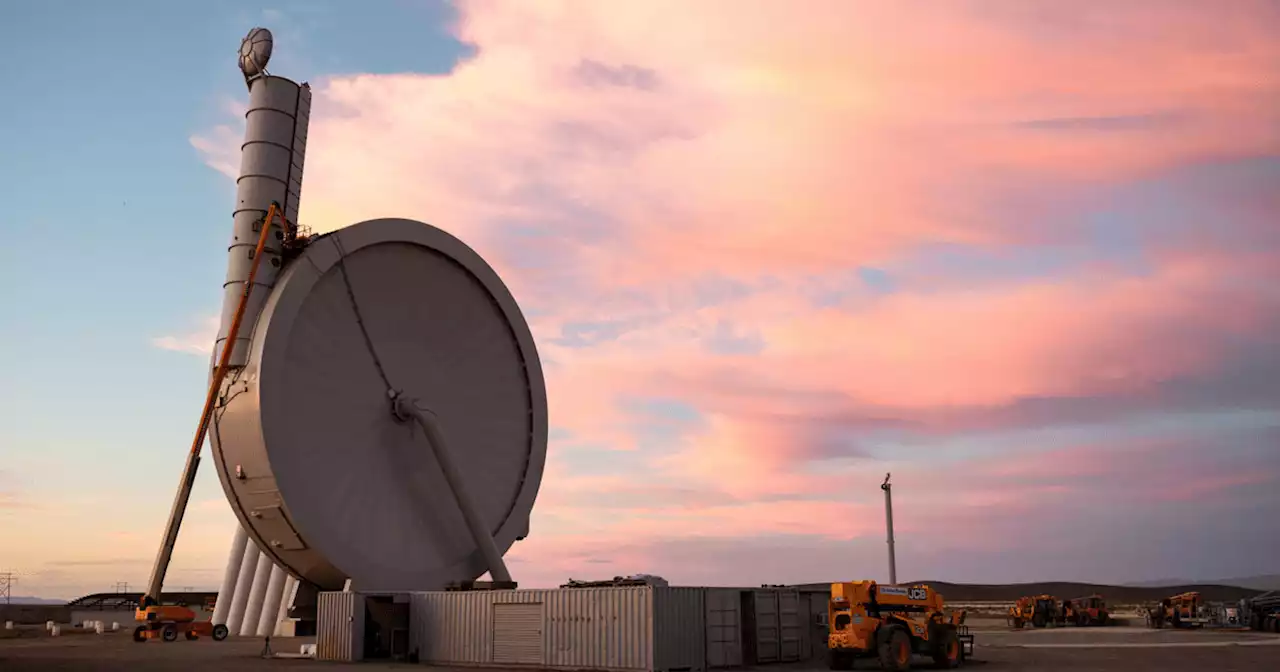 NASA Tests System to Fling Satellites Into Sky Using Huge CentrifugeNASA may soon be slingshotting its satellites into orbit thanks to its partnership with a startup that makes gigantic slingshots for that very purpose.
Read more »
 USGS, NASA to map southwestern United States for critical mineral potentialWith $16 million in funding from the Biden administration, portions of California, Colorado, Nevada, Arizona, New Mexico and Utah will be mapped for critical mineral potential.
Read more »
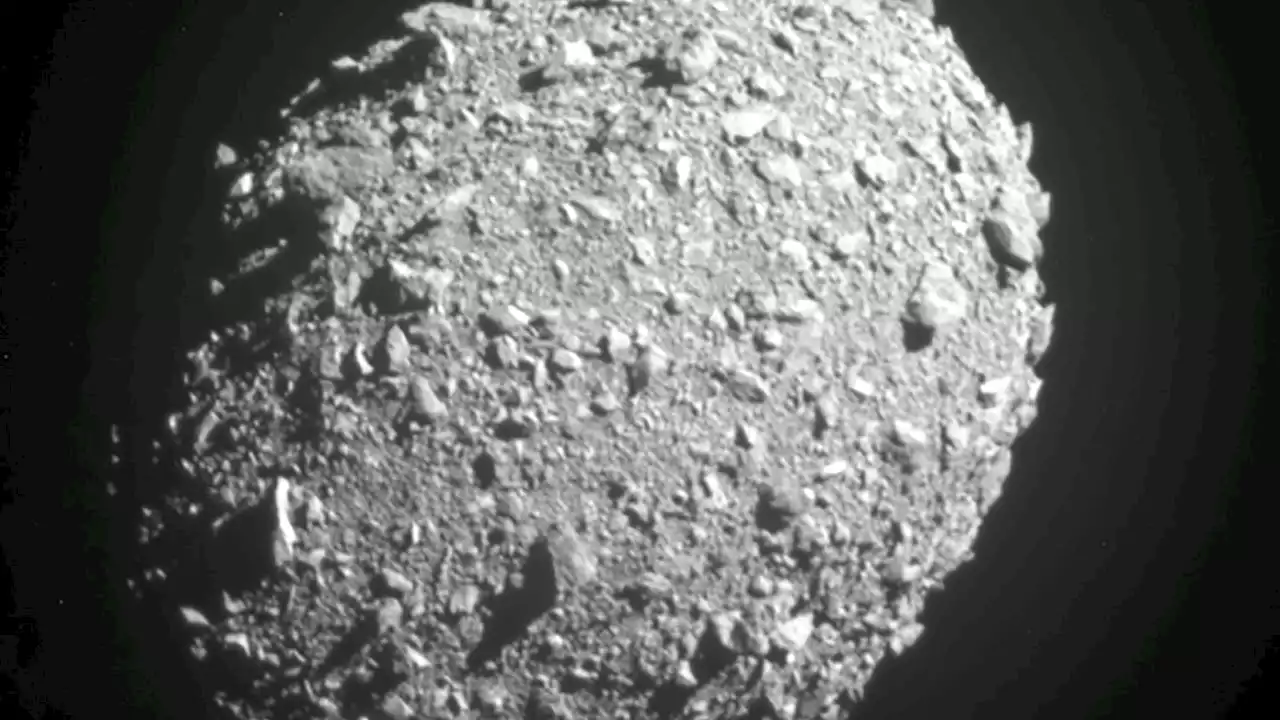 How NASA Launched Its Asteroid KillerOne of NASA’s latest missions, in which a spacecraft knocked an asteroid off course, is a rehearsal for saving the world.
Read more »
 This is how we can get a high-resolution image of an exoplanetNASA hopes to use a quirk of physics to help us find alien life.
Read more »
 Lawsuit Accuses NASA of Widespread Racial DiscriminationNASA is facing a class action lawsuit alleging racial discrimination. 'This dark cloud that hovers over us because of this issue is very profound.'
Read more »