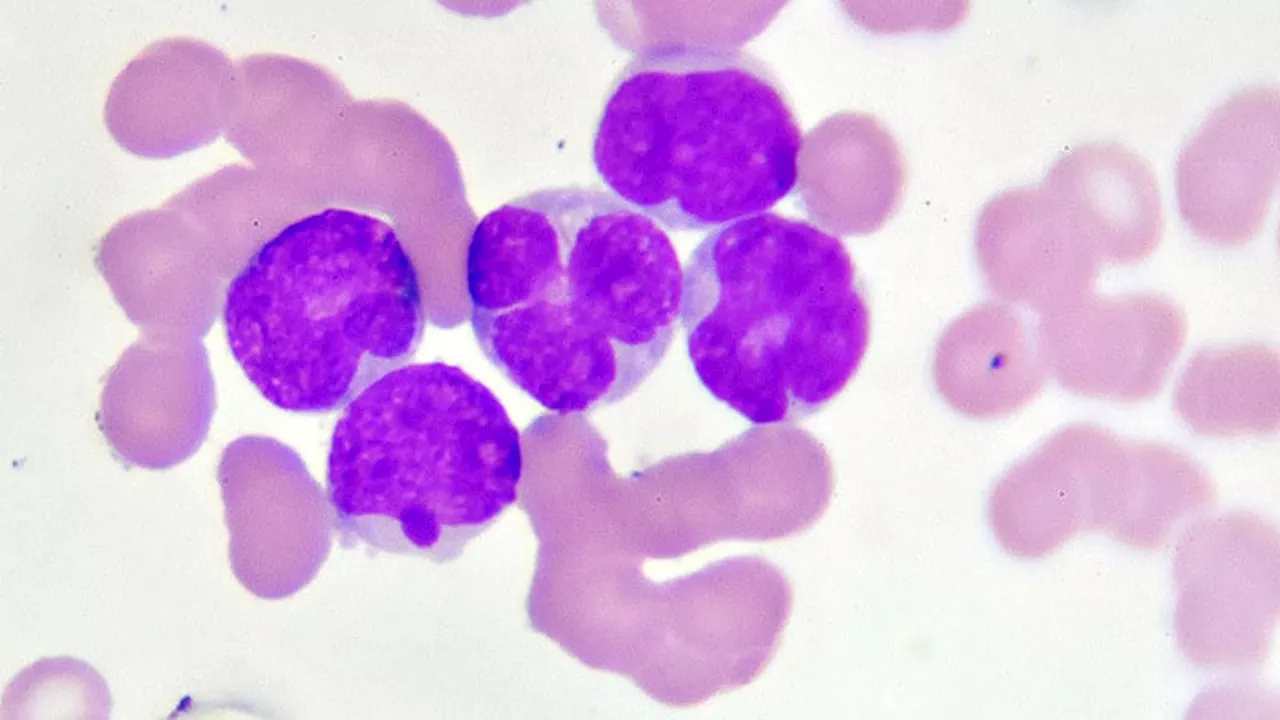
Physicians can raise awareness of the Nuclear Radiation Compensation Program and help affected patients get access to free screening.
When nuclear tests detonated in Nevada during the 1950s and 1960s, a Salt Lake City physician knew danger would blow into town on the wind. So, he set about to protect his family from radiation. He banned milk from the table for months at a time because strontium-90 could settle on cow pastures and contaminate dairy products.
He told his eight children to take iodine pills to protect their thyroid glands from radioactive iodine. And he required them to wear rubber boots when they played on grass after it rained in the days following nuclear tests. Now, five of the physician’s eight children have had cancer, including Brian Moench, MD, who grew up to be an anesthesiologist and is now in his 70s. Two of Moench’s own children have had cancer too, both at unusually young ages. Thanks to a recent decision by Congress to reinstate and expand the Radiation Exposure Compensation Act program, now people who lived in northern Utah during the nuclear test era and later developed specific kinds of cancer linked to radiation exposure can apply for the first time for federal compensation — $100,000 each. Those exposed to radiation from tests and nuclear waste in several other regions of the country are also now eligible for compensation. “Creating this fund was certainly the ethical and moral thing to do,” said Moench, who’s fought to expand RECA but can’t apply for compensation since the forms of cancer he developed — skin and prostate — aren’t covered. Moench, who’s president of Utah Physicians for a Healthy Environment, said the organization’s members will alert patients about the program’s expansion. Other clinicians across the country, even those in areas far from mid-century nuclear testing, can help get the word out too.Congress passed the act in 1990 and later expanded it, allowing compensation to people from several affected areas who developed cancer following exposure to radiation in the 1940s, 1950s, and 1960s. “Downwinders” — those who lived downwind of nuclear testing in certain areas of Utah, Nevada, New Mexico, and Arizona — were eligible for $50,000 payments. Uranium workers in 11 states west of the Mississippi River could get $100,000, and onsite nuclear testing workers such as members of the military were eligible for $75,000. The eligible cancers for downwinders are blood cancers and a long list of solid organ cancers such as thyroid, breast, stomach, brain, lung, colon, and liver cancers. As of July 2025, 27,309 downwinders received $1.4 billion in compensation, along with 5768 onsite nuclear testing workers , 7088 uranium miners , 1982 uranium millers , and 433 ore transporters .While there was bipartisan support to extend and expand RECA upon its expiration in June 2024, Congress failed to act. The program ended, and no further applications could be accepted. Politicians in affected states raised the alarm and pushed to renew RECA. Legislation was tucked into the mammoth “One Big Beautiful Bill Act,” which passed Congress largely upon party lines and was signed by the president in July 2025.Lilly Adams, senior outreach coordinator with the Union of Concerned Scientists, which supports expanding the program, highlighted these changes in the reinstated RECA program in an interview:Eligible downwinders now include those who lived in all of New Mexico, Utah, and Idaho and all of Mohave County in Arizona. There’s also a change regarding coverage of downwinders who developed forms of leukemia other than CLL. Now, downwinders who were exposed to radiation during listed times and developed leukemia — except CLL — are eligible for compensation. Previously, exposure had to occur before 21 years of age. CLL continues to not be one of the eligible types of cancer.People who worked as a uranium miller or miner, ore transporter, or core driller — or were involved in remediation efforts at a uranium mine or mill — are eligible for compensation. Eligibility for core drillers and remediation workers is new. The eligible period has expanded to 1942-1990 from 1947-1971, and the list of eligible diseases has expanded for certain uranium workers.People who live in communities in specific zip codes in Missouri, Tennessee, Kentucky, and Alaska around nuclear waste/production sites are now eligible for compensation. They must have lived in the areas for at least 2 years after January 1, 1949. The eligible diseases, which must have an onset at least 2 years after the date of initial exposure, are multiple myeloma; lymphoma; cancer of the thyroid, breast, esophagus, stomach, pharynx, small intestine, pancreas, bile ducts, gall bladder, salivary gland, bladder, brain, colon, ovary, bone, renal, liver , lung, or leukemia . These people can receive either $50,000 or the total of all out-of-pocket medical expenses related to their qualifying illness, whichever is higher. Survivors may receive $25,000 if the affected person has died.Outside of New Mexico, downwinders now need to prove only 1 year of residence in affected areas from January 21, 1951, to November 6, 1962, or for the entire period from June 30, 1962, to July 31, 1962, which is down from the previous 2-year requirement.For New Mexico only, eligible people must have lived for at least 1 year in the state between September 24, 1944, and November 6, 1962.Downwinders will now receive $100,000 instead of the previous $50,000, while onsite nuclear test participants will see payments increase from $75,000 to $100,000. Uranium miners will continue to receive $100,000, with the program now extended to include core drillers.In an interview, Laura Shaw, MD, an associate professor and principal investigator of Nevada’s radiation exposure screening program at the University of Nevada, Las Vegas, noted that eligible people may have moved to other states since they were exposed to radiation. “Doctors need to encourage patients to apply ASAP,” she said. In addition, “doctors need to specifically document specific diagnosis for any cancers to help prove eligibility and for potential changes to covered cancers in the future.” She also cautioned that “there are disreputable people out there charging to help file claims when there are free programs to assist people file.”in Arizona, Colorado, Nevada, New Mexico, and Utah. Also, health providers can get funding to offer screenings in those states and Idaho, North Dakota, Oregon, South Dakota, Texas, Washington, and Wyoming. The screenings cover cancer and noncancer conditions. “We continue to get contacted by individuals who in these communities who have never heard of this program, even though we’ve been holding clinics since 2005,” Shaw said in an earlier interview. “Despite outreach activities and advertising through newspapers and radio, we find the most successful method of reaching these patients is through word of mouth — either from other patients or their doctors. That is why we feel it is so important to reach other physicians as well.” It’s unclear whether the Radiation Exposure Screening and Education Program will be geographically expanded to reflect the growth in eligibility for the RECA program.Initially, congressional legislation expanded eligibility for downwinder compensation to all of Colorado, Montana, and Guam and new parts of Arizona and Nevada, Adams said. But those provisions were not included in the final One Big Beautiful Bill Act, Shaw said. She noted that earlier legislation included all of Nevada’s Clark County. Clark County, home to Las Vegas, was a prime spot for nuclear testing. This means that only part of the county will continue to be covered. Why were these areas left out? “It’s probably pretty safe to say it was money,” she said, but discussions happened behind the scenes, and “this is all sort of a mystery to us.” In another change from previous legislation, a provision was removed that would have made downwinders with CLL eligible for compensation. The Union of Concerned Scientists will continue advocating for wider compensation for radiation exposure and the extension of the program beyond its scheduled end date, Adams said.that “our cancers are no different than cancers for those in the states. And we just got to continue on and try again.” Shaw, the Nevada associate professor, is disappointed that the new legislation boosts compensation for downwinders, but only for those who apply going forward. “Some patients who filed before the sunset in 2024 are upset that now the reimbursement is higher, and they rushed to get in their claim,” she said. “There should be a retroactive increase in compensation if the individual is still living.”Two of his sisters, who had breast cancer, will be eligible for compensation since the disease is covered. An older brother who had cancer of the small intestine is also eligible. In the big picture, however, “the money that’s been paid out is a fraction of what should have been paid out. It doesn’t compensate for the deaths that have been caused, for the misery and the suffering.” And, he said, the program doesn’t cover much of the US that was exposed to radiation from the nuclear tests of the 1940s, 1950s, and 1960s.suggested that radiation from 94 nuclear weapon tests in the Southwest from 1945 to 1962 reached 46 states along with Canada and Mexico.
Toxicity Poisoning Toxins Revenue And Practice Management Practice Management Revenue Salary Compensation Income Earnings Remuneration Salary Negotiations Breast Cancer Malignant Breast Neoplasm Breast Carcinoma Cancer Malignant Neoplasia Carcinoma Malignant Neoplasm Noncolorectal Gastrointestinal Cancer Noncolorectal GI Cancer Leukemia Leukaemia Blood Cancer
United States Latest News, United States Headlines
Similar News:You can also read news stories similar to this one that we have collected from other news sources.
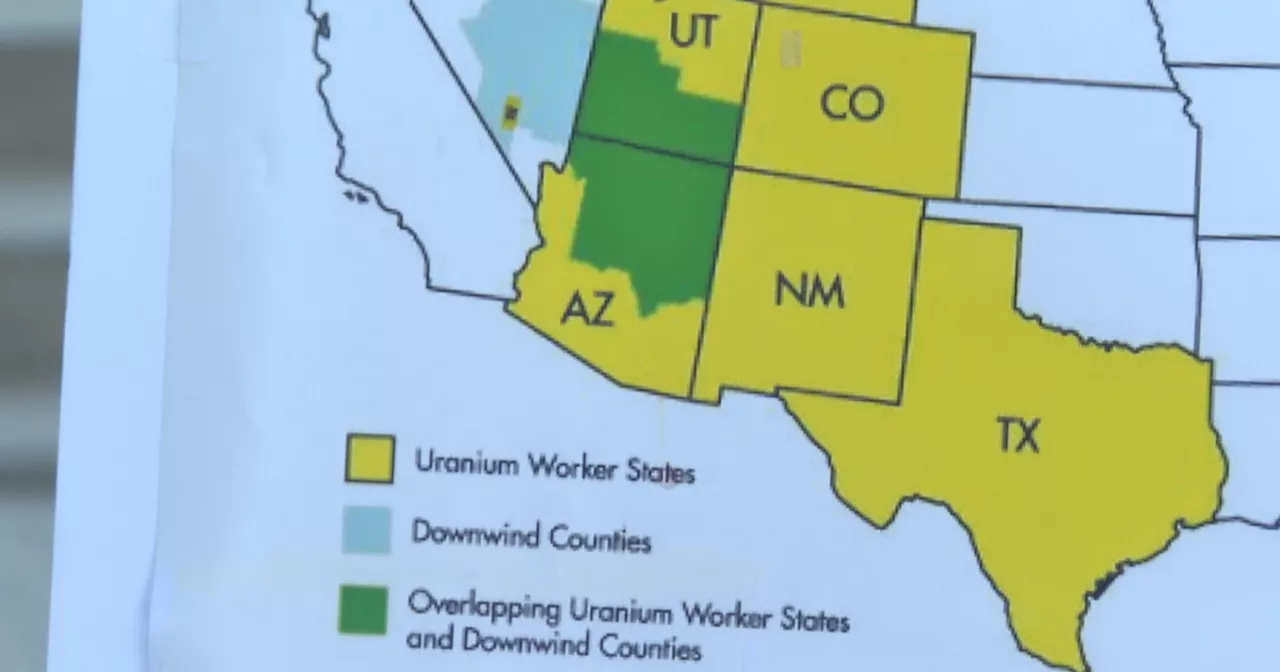 ‘Big Beautiful Bill’ brings back compensation for downwindersCongress has reinstated the Radiation Exposure Compensation Act, providing financial support for those affected by nuclear testing fallout across a now-expanded region.
Read more »
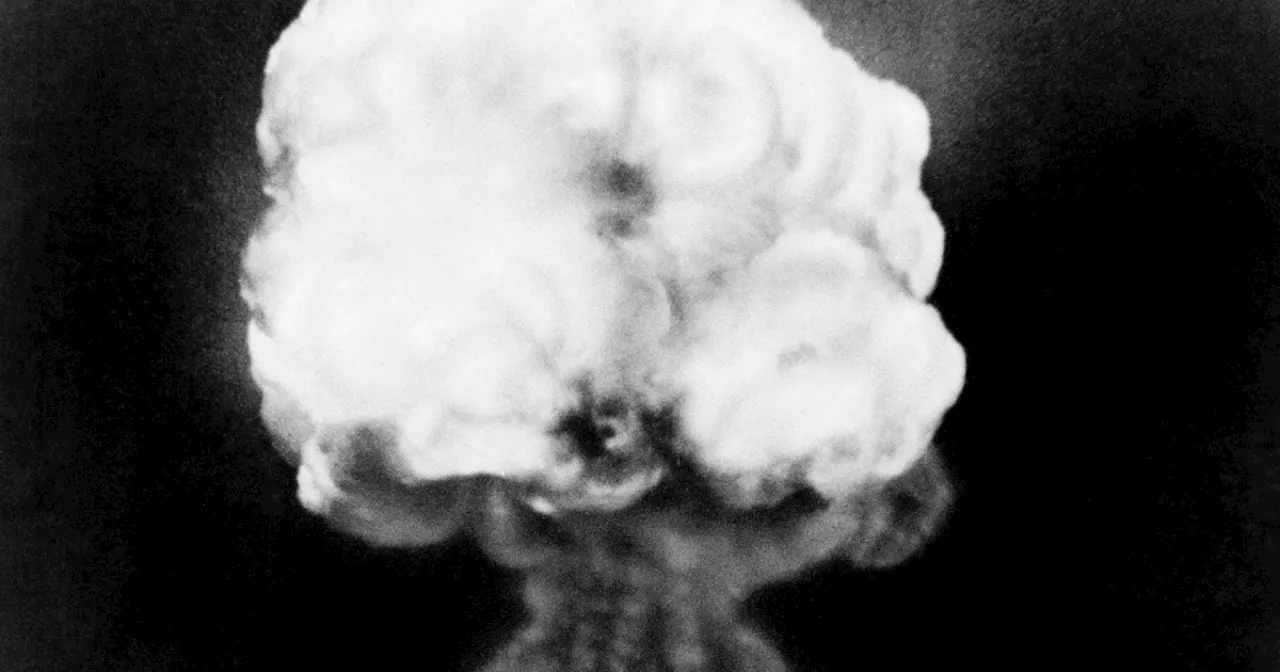 Utah downwinders say they still pay the price of fallout from nuclear testingChris Reed is a multimedia journalist covering St. George.
Read more »
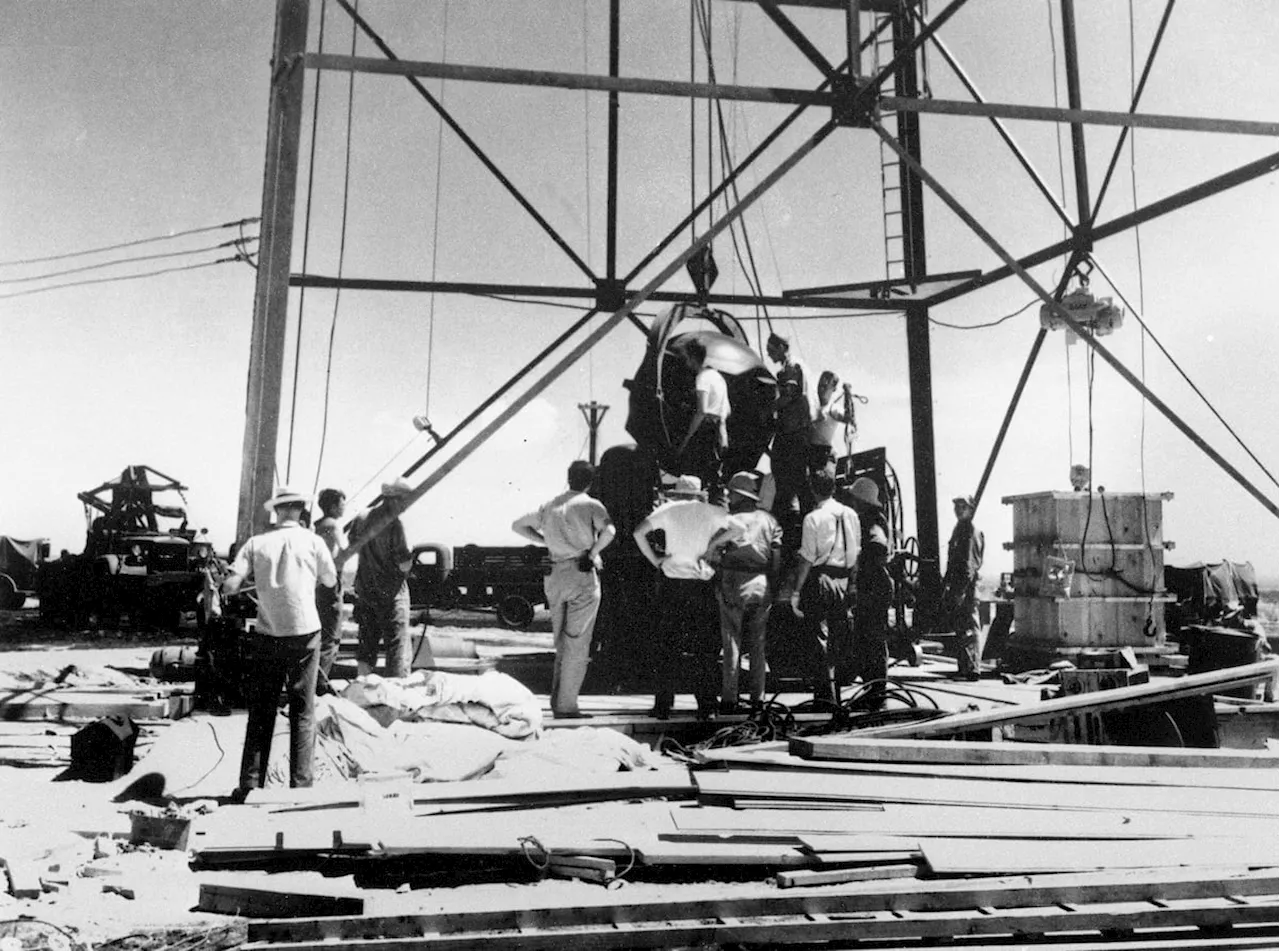 Voices: Trump’s budget bill is a bittersweet victory for Downwinders like me“We can’t undo what’s happened, but my hope is that we do all we can to ensure that ordinary citizens are never again deemed expendable for the sake of nuclear deterrence,” writes Mary Dickson in an op-ed.
Read more »
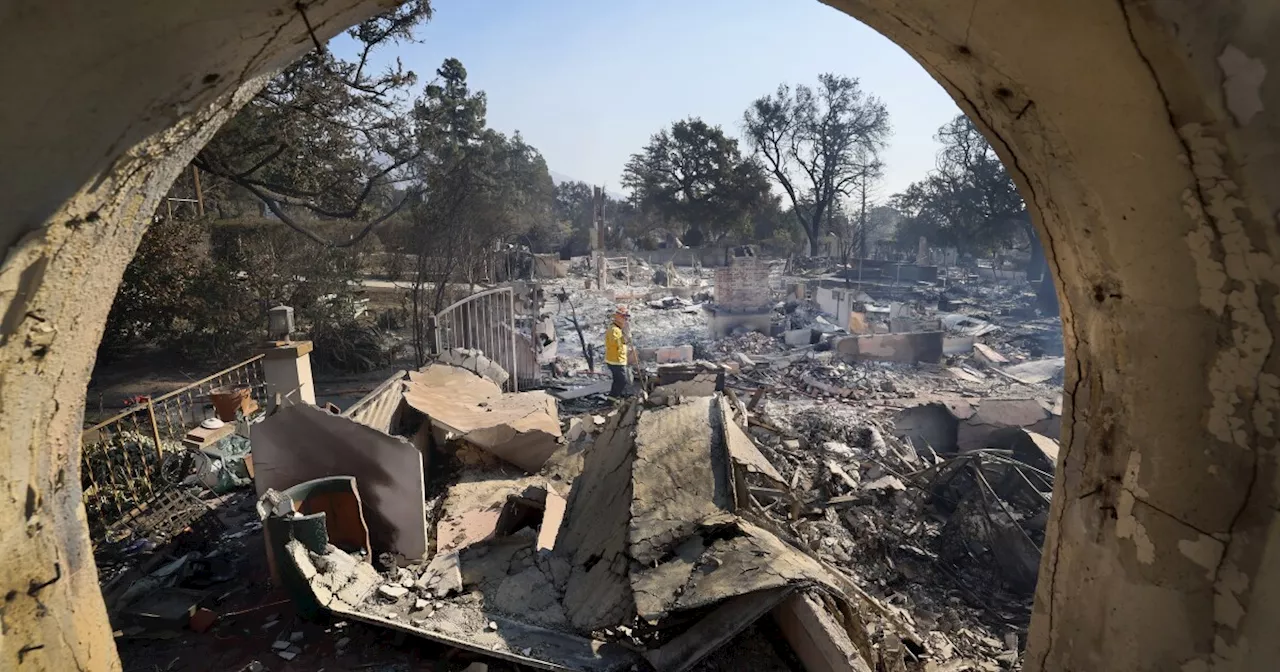 SoCal Edison to launch compensation program for Eaton Fire survivorsBefore coming to LAist in late 2021, I covered topics such as mental health, domestic violence and environmental issues for newspapers in Texas, Arizona and Northern California. I turned my focus to climate coverage after reporting on the devastating impacts of rising sea levels on communities in the remote Sundarbans islands in India.
Read more »
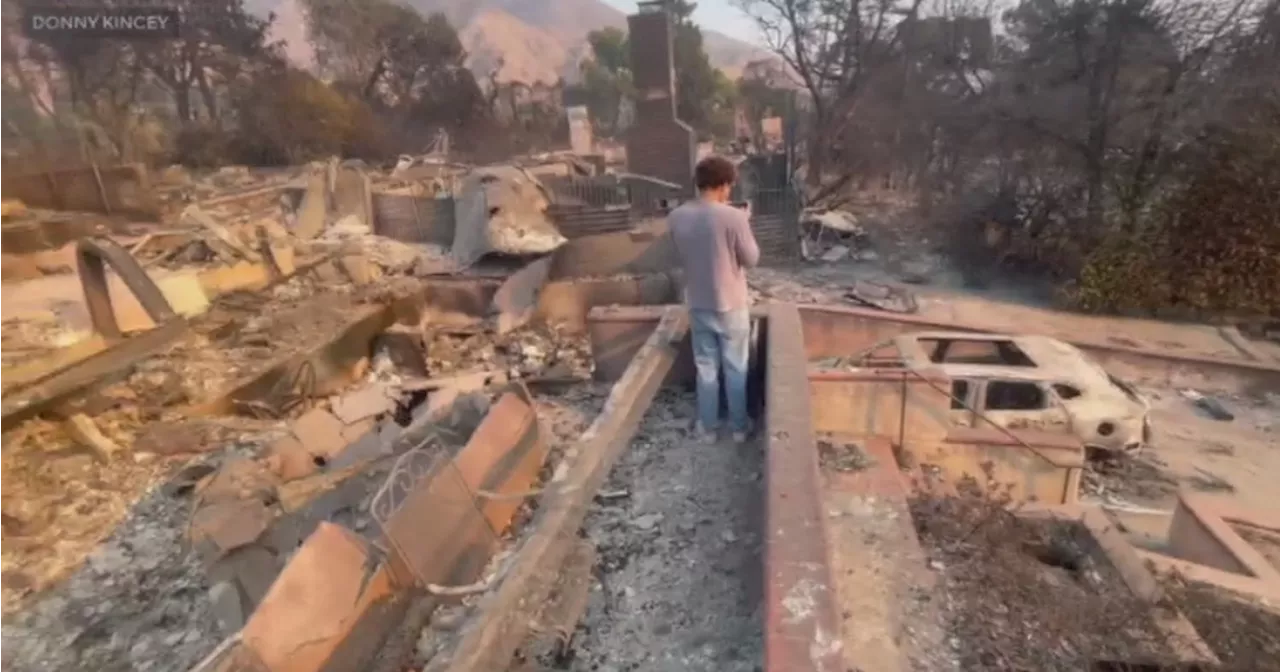 SoCal Edison to create compensation program for Eaton Fire victimsSoCal Edison will launch the voluntary program in the fall. It will cover owner and renter claims related to fire.
Read more »
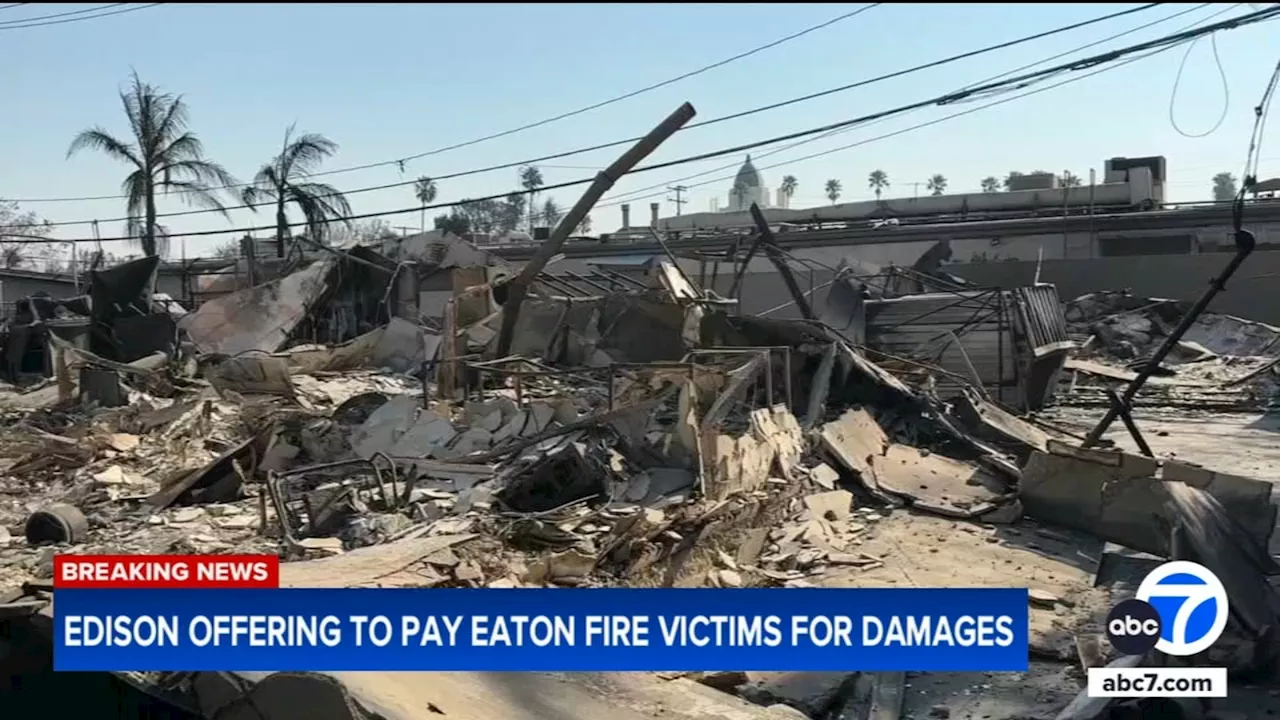 SoCal Edison launching compensation program for Eaton Fire victimsThe utility says it will launch a compensation program that will 'provide direct payments and fast resolutions' to victims of the Eaton Fire.
Read more »