
The Bulletin of the Atomic Scientists moved its Doomsday Clock to 89 seconds to midnight, citing threats including climate change, nuclear weapons proliferation, geopolitical instability, pandemics, and AI in military. This is the closest the clock has ever been.
Earth is moving closer to destruction, a science-oriented advocacy group said Tuesday as it advanced its famous “ Doomsday Clock ” to 89 seconds till midnight, the closest it has ever been. The Bulletin of the Atomic Scientists made the annual announcement — which rates how close humanity is from ending — citing threats that include climate change , proliferation of nuclear weapons , instability in the Middle East, the threat of pandemics and incorporation of artificial intelligence in military operations.
The clock had stood at 90 seconds to midnight for the past two years and “when you are at this precipice, the one thing you don’t want to do is take a step forward,” said Daniel Holz, chair of the group’s science and security board.cooperation between countries such as North Korea, Russia and China “A lot of the rhetoric is very disturbing,” Holz said. “There is this growing sense that … some nation might end up using nuclear weapons, and that’s terrifying.” Starting in 1947, the advocacy group used a clock to symbolize the potential and even likelihood of people doing something to end humanity. After the end of the Cold War, it was as close as 17 minutes to midnight. In the past few years, to address rapid global changes, the group has changed from counting down the minutes until midnight to counting down the seconds. The group said the clock could be turned back if leaders and nations worked together to address existential risks. The Associated Press’ climate and environmental coverage receives financial support from multiple private foundations. AP is solely responsible for all content. Find AP’sLawsuit, interviews offer differing accounts of Sheel Seidler’s past role with PadresTrump’s border plans unfurl in San Diego with immigration arrests, troopsSan Diego selects team to convert 101 Ash St. into low-income housingSan Diego County makes big play for its share of $6 billion state grant program for mental health care3 thoughts: SDSU 69, Nevada 50 … Magoon, work to do and Steve Alford’s frustration
Doomsday Clock Climate Change Nuclear Weapons Artificial Intelligence Global Risks
United States Latest News, United States Headlines
Similar News:You can also read news stories similar to this one that we have collected from other news sources.
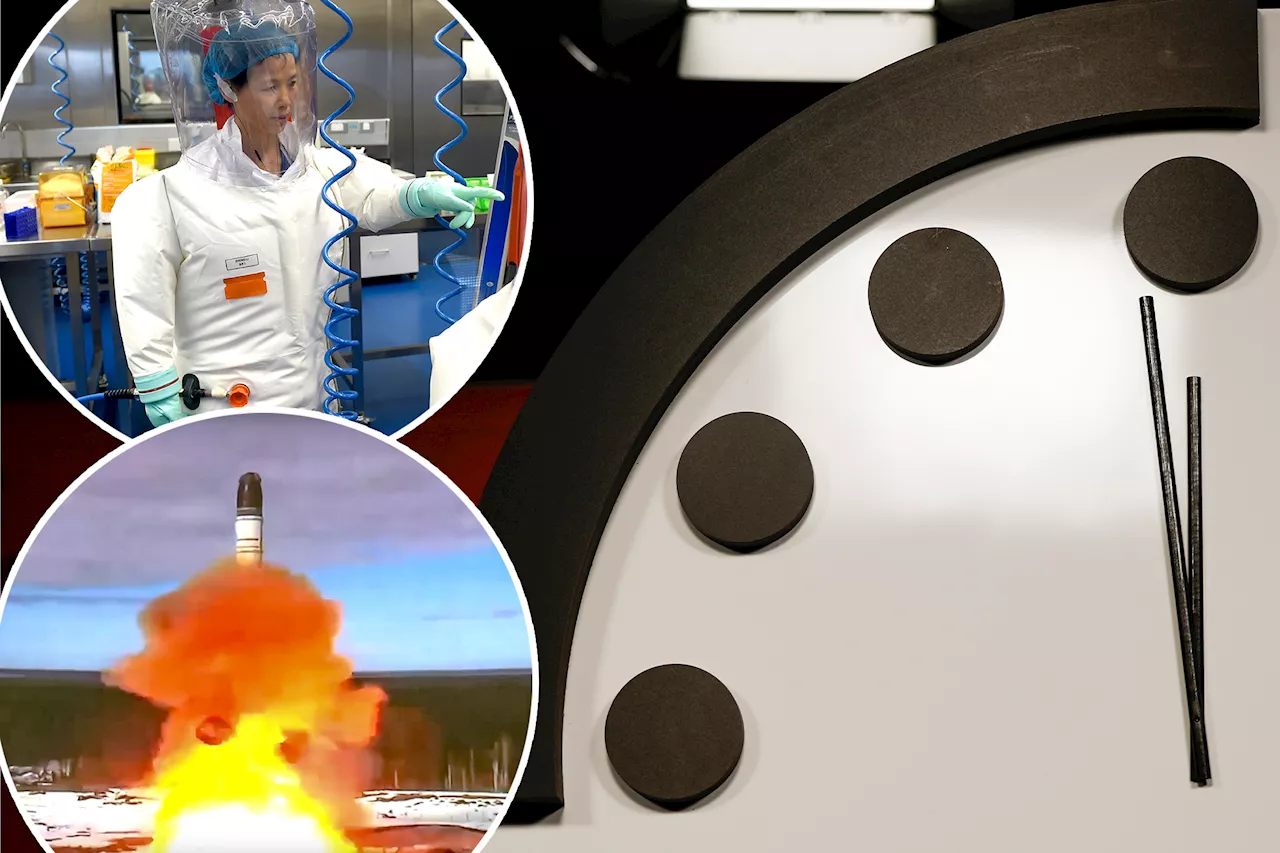 Doomsday Clock Moved to 90 Seconds to Midnight, Closest EverThe Bulletin of the Atomic Scientists has moved the Doomsday Clock forward by one second to 90 seconds to midnight, citing escalating global threats including nuclear proliferation, climate change, and disruptive technologies.
Read more »
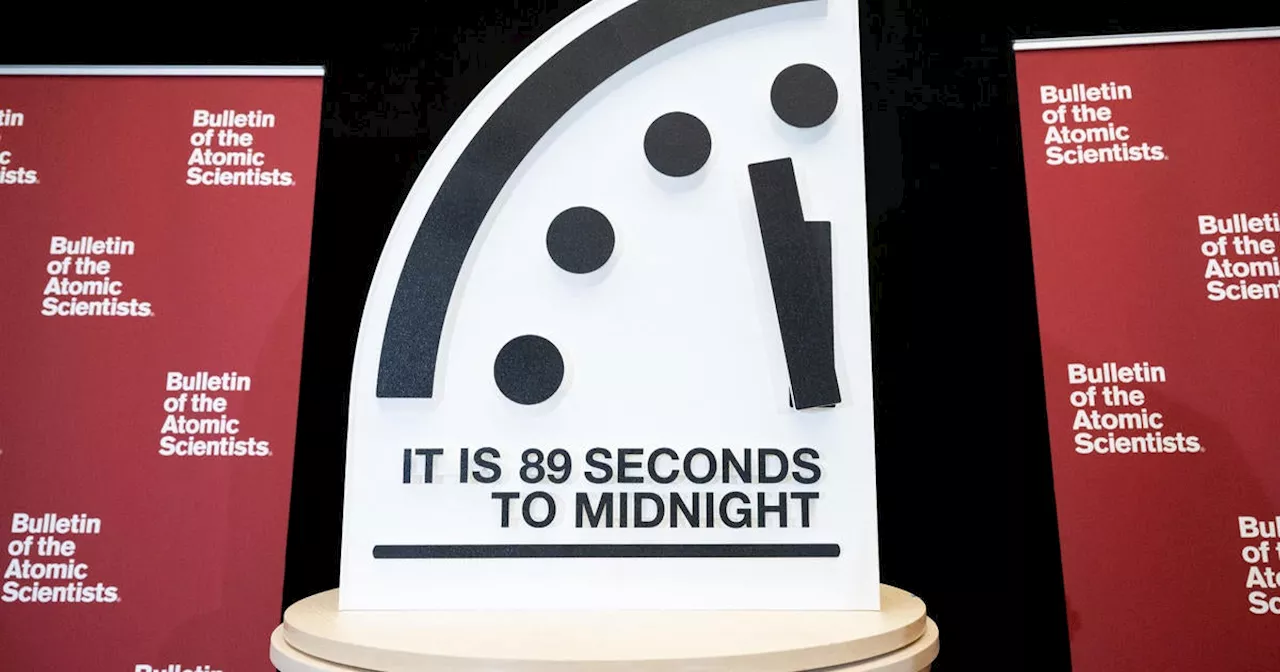 Doomsday Clock Moved to 89 Seconds to Midnight, Closest to Catastrophe EverThe Bulletin of Atomic Scientists has moved the Doomsday Clock to 89 seconds to midnight, the closest it has ever been to signifying global catastrophe. The decision reflects growing concerns about nuclear weapons threats, climate change, biological threats, and disruptive technologies such as artificial intelligence.
Read more »
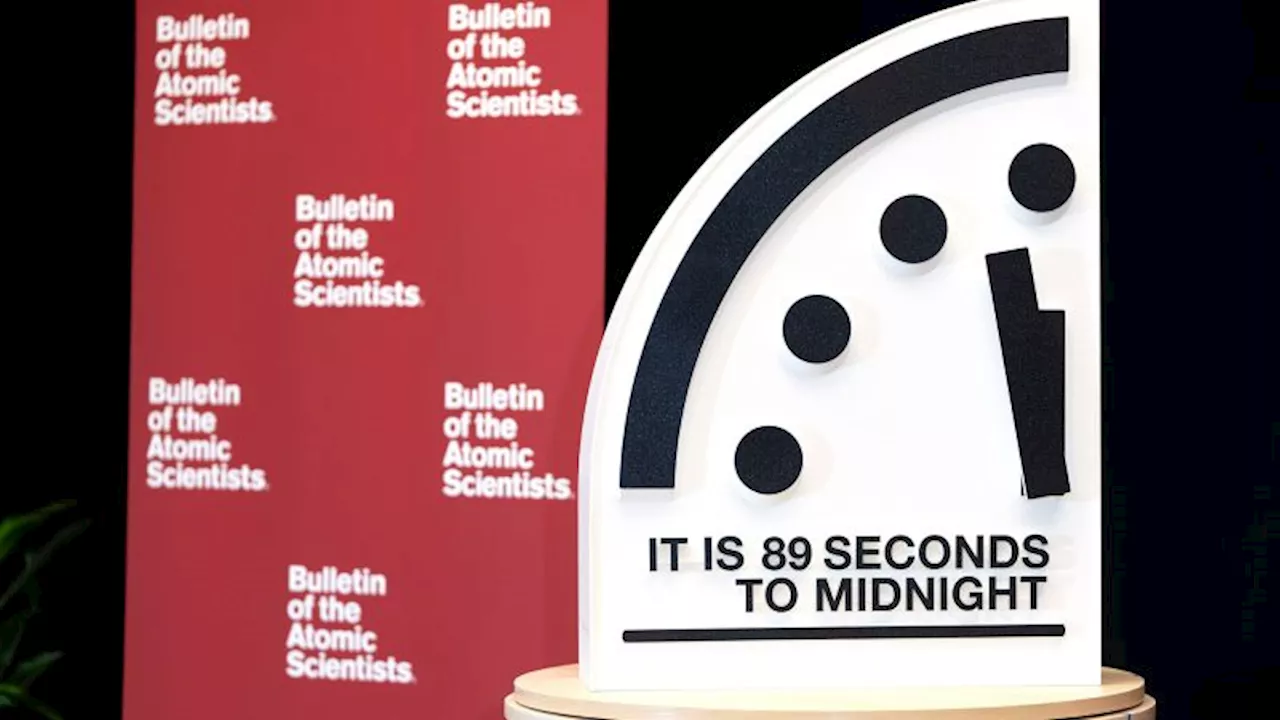 Doomsday Clock Set at 89 Seconds to Midnight, Closest Ever to Global CatastropheThe Doomsday Clock, a symbolic gauge of humanity's proximity to global catastrophe, has been set at 89 seconds to midnight, the closest it has ever been. The Bulletin of the Atomic Scientists, which established the clock in 1947, attributes the alarming shift to escalating nuclear threats, the ongoing war in Ukraine, climate change, and advancements in disruptive technologies. While the clock doesn't definitively measure existential risks, it aims to stimulate discussions about critical scientific issues and encourage global action.
Read more »
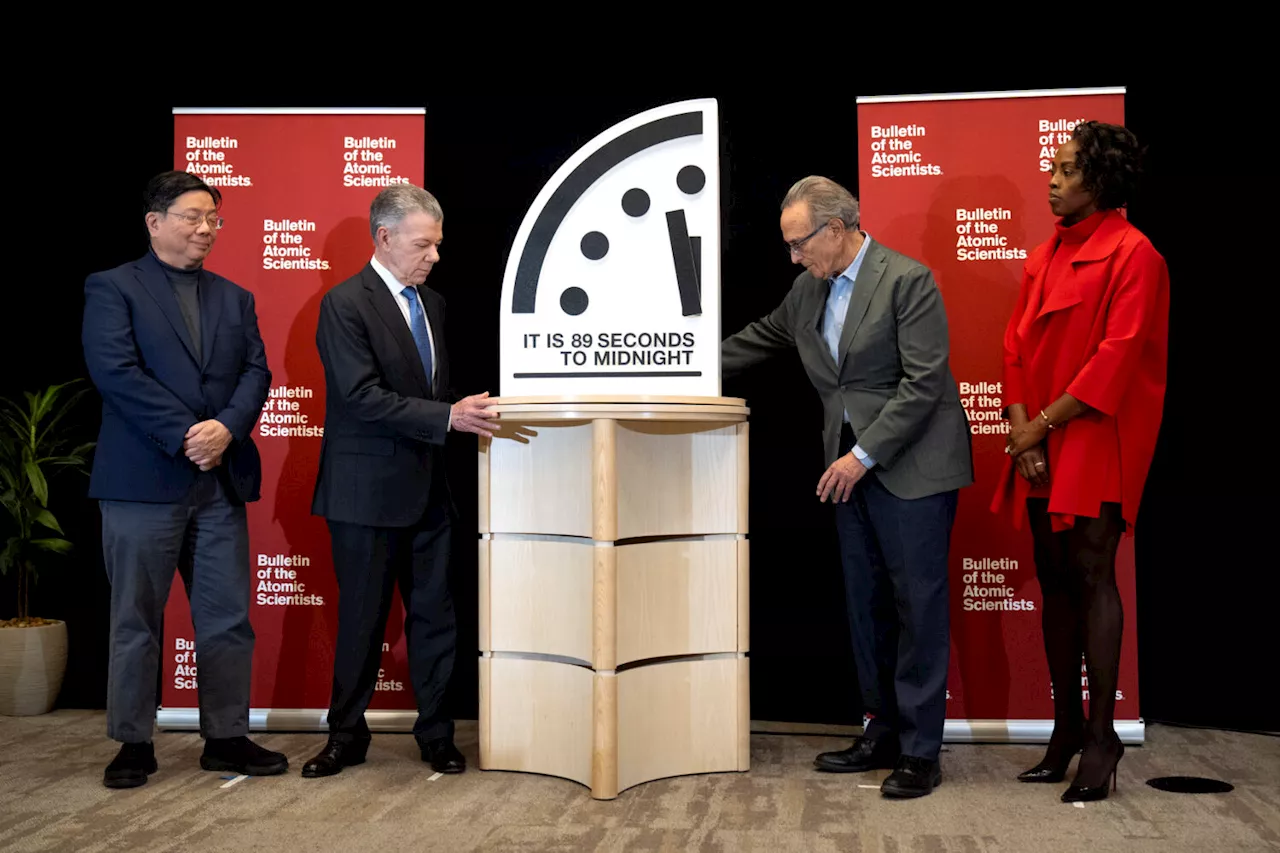 Doomsday Clock Moved to 89 Seconds to Midnight Over Global ThreatsThe Bulletin of the Atomic Scientists has moved its symbolic Doomsday Clock to 89 seconds to midnight, the closest it has ever been, citing threats such as climate change, nuclear proliferation, geopolitical instability, pandemics, and the increasing role of artificial intelligence in military affairs.
Read more »
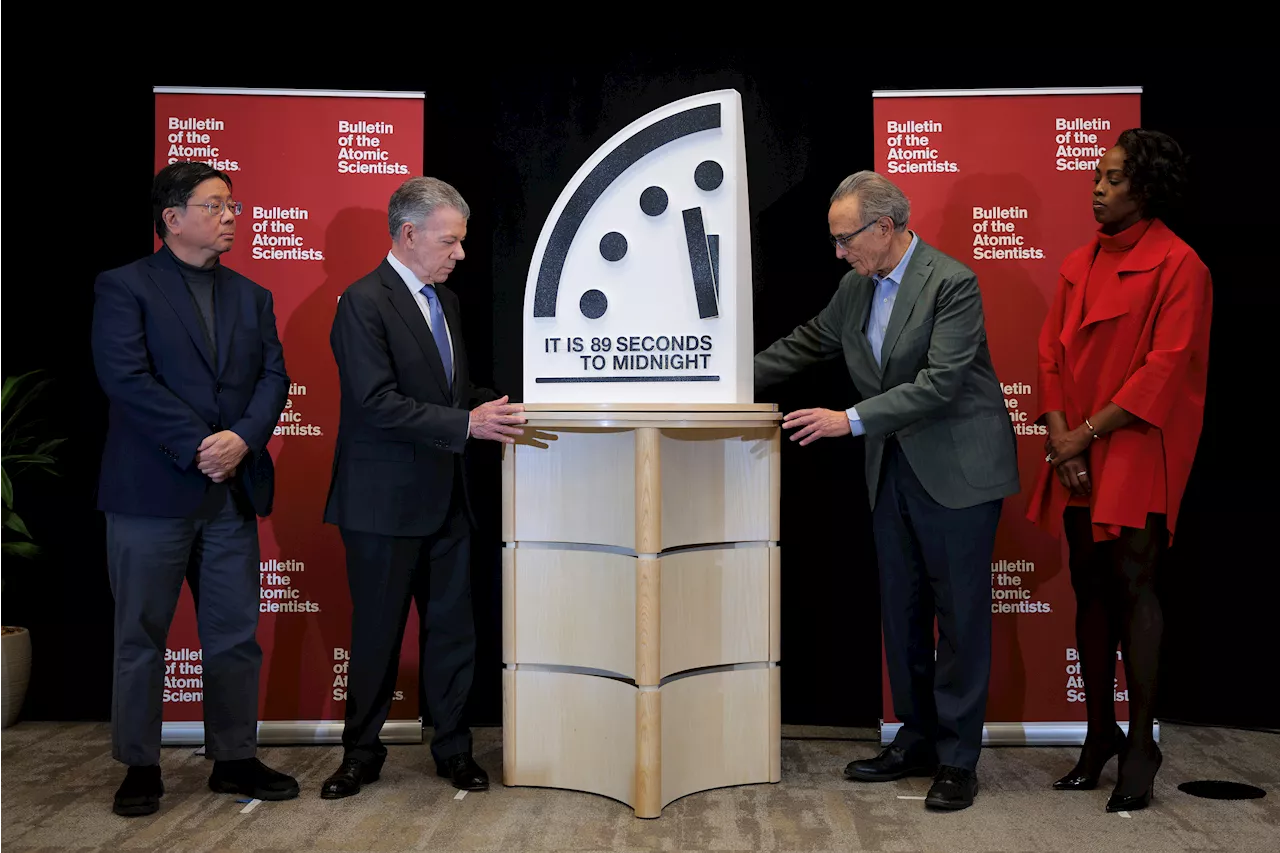 Doomsday Clock Moved to 90 Seconds to Midnight, Reflecting Heightened Global RisksThe Bulletin of the Atomic Scientists has moved the Doomsday Clock forward to 90 seconds to midnight, signaling an increased risk of global catastrophe. The decision was driven by escalating geopolitical tensions, the proliferation of nuclear weapons, and concerning rhetoric from world leaders.
Read more »
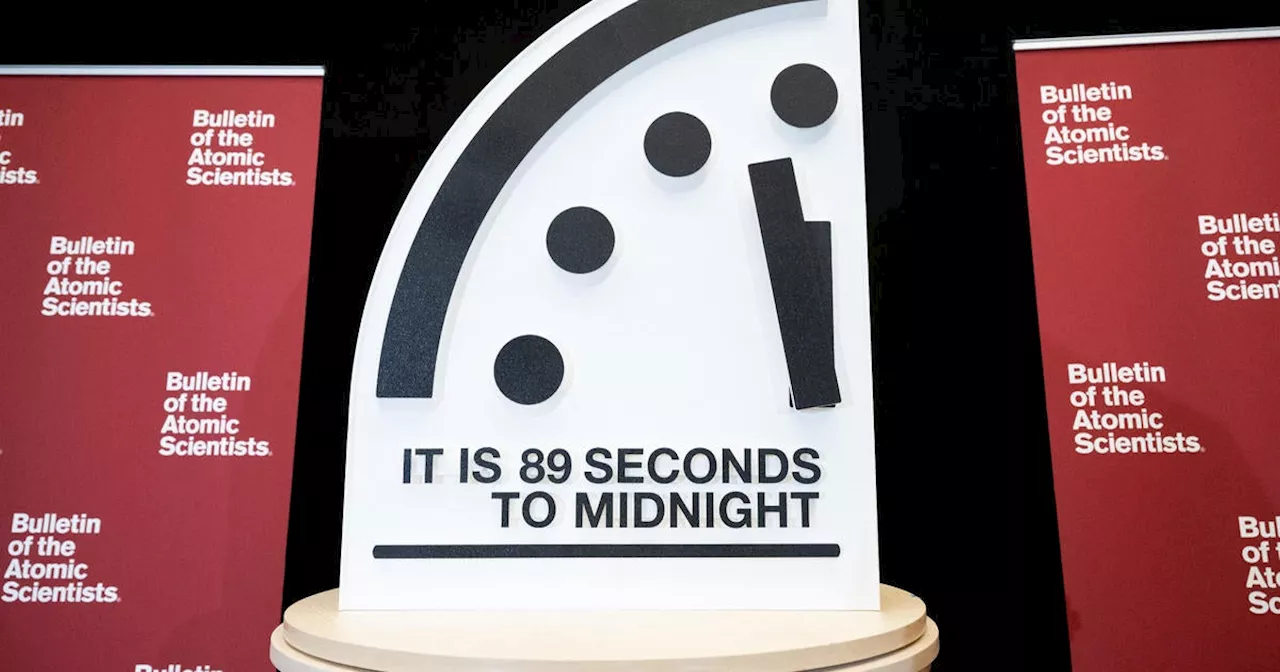 Doomsday Clock Set at 89 Seconds to Midnight, Closest Ever to Global CatastropheThe Doomsday Clock, a symbolic representation of humanity's proximity to global catastrophe, has been moved to 89 seconds to midnight, the closest it has ever been. This signifies a heightened sense of urgency regarding global threats such as nuclear weapons, climate change, biological threats, and disruptive technologies like artificial intelligence.
Read more »