
In patients with systemic sclerosis–associated ILD, interstitial lung disease progression does not predict further progression at the next follow-up but is linked to an increased risk for mortality.
Interstitial lung disease progression in patients with systemic sclerosis –associated ILD did not predict subsequent progression at the next annual follow-up, with only 20% showing further progression.
However, initial ILD progression was associated with an increased risk for mortality.Researchers conducted a multicenter observational study to evaluate whether an observed progression of ILD in patients with SSc-ILD leads to a risk for subsequent progression. They included 231 patients with SSc-ILD in the main cohort from Oslo, Norway, and Zurich, Switzerland, enrolled between January 2001 and December 2019. Pulmonary function tests measuring forced vital capacity and diffusing capacity for carbon monoxide were performed as per the American Thoracic Society–European Respiratory Society guidelines. ILD progression was defined as an absolute FVC decline of ≥ 5% over 12 months, with three alternative definitions of ILD progression — an absolute FVC decline of ≥ 10%, progressive pulmonary fibrosis, and progressive fibrosing ILD — all assessed at annual visits. Findings were validated in an enriched cohort comprising 68 patients with SSc-ILD from the main cohort and 53 patients from Michigan . Furthermore, the effects of ILD progression on mortality were assessed.Among patients with initial ILD progression — an FVC decline of ≥ 5% from visit 1 to visit 2 — only 20% showed further progression at visit 3. However, among those without initial progression between visits 1 and 2, 31% showed progression between visits 2 and 3 . Moreover, no risk was observed for subsequent progression using alternative definitions. Similar results were noted in the enriched cohort, with an FVC decline of ≥ 5% from visit 1 to visit 2 reducing the risk for subsequent progression from visit 2 to visit 3 (aOR, 0.22;FVC decline ≥ 5% was associated with an increased risk for mortality in the main cohort (hazard ratio, 1.66;“These results challenge current treatment practices because, although initiating or escalating treatment should still be done in patients with ILD progression according to guidelines, our data suggest that treatment should be initiated or escalated in patients at risk of progression to prevent poor outcomes, although confirmation is needed to show a benefit of this strategy on improved outcome,” the authors wrote.The study was led by Anna-Maria Hoffmann-Vold, MD, Department of Rheumatology, Oslo University Hospital, Oslo, Norway. It wasOnly patients with consecutive lung function assessments were included, which may have enriched the sample with patients with severe or progressive ILD. Moreover, the findings may not be applicable to other types of ILD. Validation in more diverse populations may be needed as the study predominantly included White patients.The study did not receive any specific funding. Several authors reported receiving speakers bureau and consulting fees, grants, and having other financial relationships with pharmaceutical, biotechnology, and other companies, including Boehringer Ingelheim, Janssen, Medscape, Genentech, Merck Sharp & Dohme, and Roche. This article was created using several editorial tools, including AI, as part of the process. Human editors reviewed this content before publication.
Lung Lung Fibrosis Pulmonary Fibrosis Systemic Sclerosis Diffuse Scleroderma Clinical Guidelines Guidelines Biologic Therapy Biologics Idiopathic Pulmonary Fibrosis IPF Idiopathic Pulmonary Fibrosis (IPF) Artificial Intelligence Deep Learning AI NPL Machine Learning ML Natural Language Processing Artificial Neural Networks Biomedical Technology
United States Latest News, United States Headlines
Similar News:You can also read news stories similar to this one that we have collected from other news sources.
 Early Osteoarthritis Needs Better Definition(s) to Aid Development of Drugs, Interventions to Prevent Progression‘The only way that we can really clarify which definition, or maybe definitions, are the most useful is for us to really systematically evaluate many of them,’ said Grace Hsiao-Wei Lo, MD, MS.
Read more »
 Sex-Specific Effects of Polypharmacy on Alzheimer's Disease Progression in MiceA mouse study suggests that certain drug combinations might have a positive impact on memory and Alzheimer's disease symptoms, but the effects vary depending on the sex of the animal.
Read more »
 Vitamin supplements slow down the progression of glaucomaA vitamin supplement that improves metabolism in the eye appears to slow down damage to the optic nerve in glaucoma. The researchers behind the study have now started a clinical trial on patients.
Read more »
 New Model Predicts Risk for Progression of RA-ILDA novel model incorporating clinical factors and levels of several biomarkers, including those indicating pulmonary damage, successfully identifies patients with RA-ILD at a high risk for progression.
Read more »
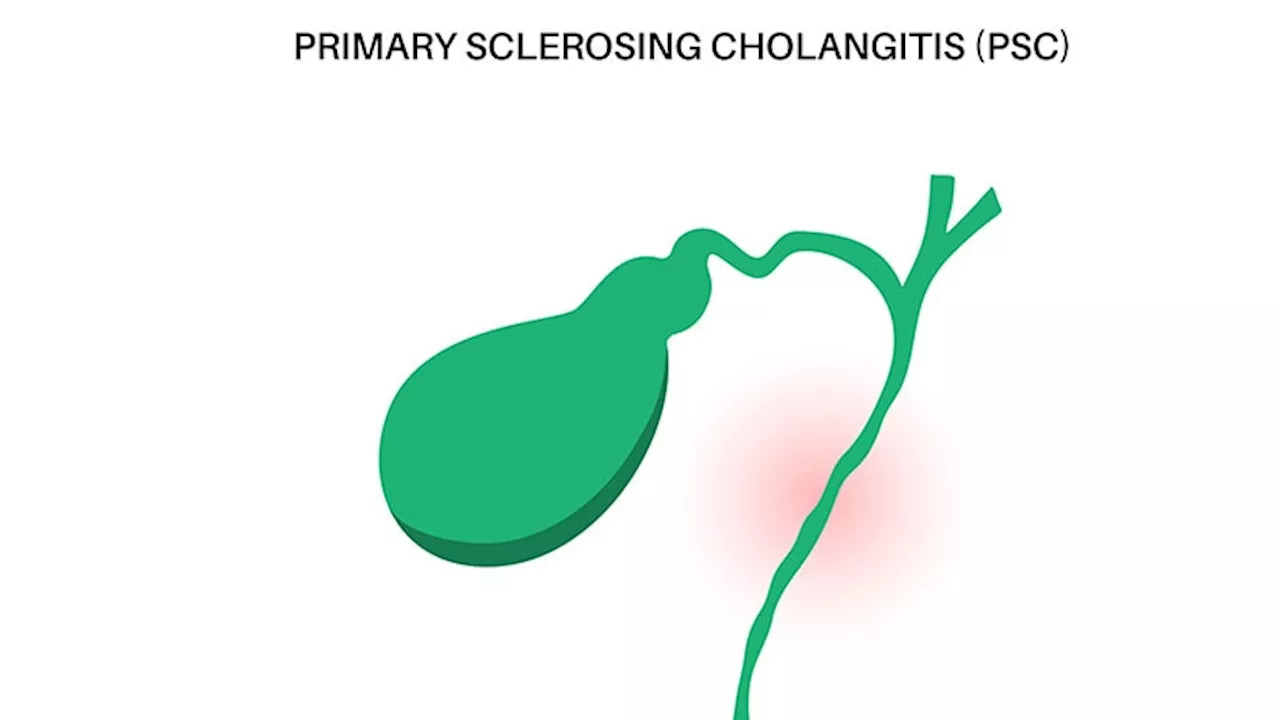 Drug Slows Progression of Primary Sclerosing CholangitisPhase 3 results show the investigational drug norucholic acid is superior to placebo in halting disease progression.
Read more »
 Imlunestrant Benefit in Breast Cancer Holds After Progression on CDK4/6 TherapyWomen with advanced breast cancer who progress on prior CDK4/6 inhibition can still benefit from second-line treatment with a CDK4/6 inhibitor as part of combination therapy.
Read more »