The Japanese government is pushing ahead with its plan to release 1.3 million tons of radioactive water from the defunct Fukushima Daiichi Nuclear Power Plant into the Pacific Ocean.
The release could begin as early as this spring or summer, according to materials distributed at a 13 January ministerial meeting. But it has stirred broad opposition—from Japan’s fishing industry and consumers, countries throughout the Asia-Pacific region, and some marine scientists.
Ever since the 2011 Tohoku earthquake and tsunami devastated the Fukushima power plant, crews have continuously pumped water through the wrecked reactors to cool the nuclear fuel, much of which melted. The cooling water picks up radio- A level safe for drinking sounds reassuring, but is still thousands of times higher than the natural level in seawater, Richmond says. And the water will be discharged at a single point for decades, so tritium, which can be bound into animal and plant tissue, and other radioactive isotopes may still accumulate in marine organisms and work their way up the food chain to fish and humans.
United States Latest News, United States Headlines
Similar News:You can also read news stories similar to this one that we have collected from other news sources.
 22-year-old woman killed in suspected DUI crash in Pacific BeachA driver in a Toyota Tacoma went onto the sidewalk around 1:30 a.m. Sunday, striking the woman and a 24-year-old man who was with her, police said
Read more »
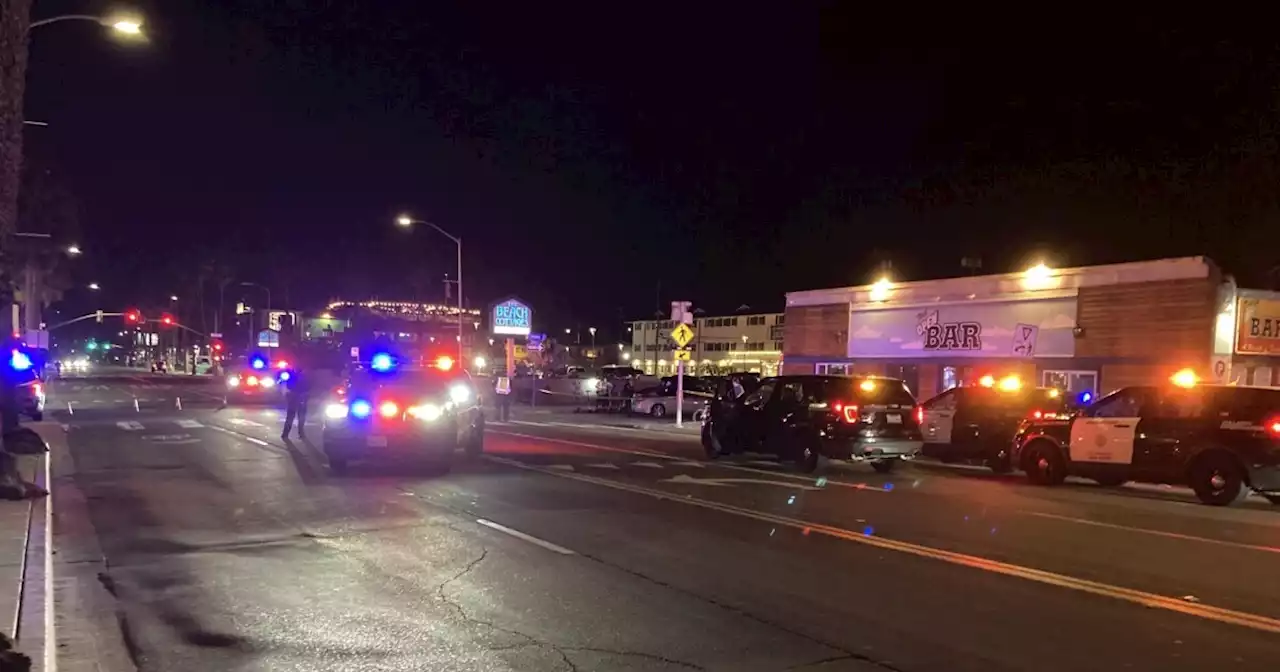 Drunk driver hits pedestrian in Pacific Beach, SDPD saysA 30-year-old man was crossing the street in the marked crosswalk at the intersection of Mission Boulevard and Thomas Avenue when the car hit him, according to San Diego police.
Read more »
 Woman, 22, Killed by Suspected Drunk Driver in Pacific BeachA 22-year-old woman was killed and a 24-year-old man was hospitalized when a 22-year-old man in a Toyota Tacoma, suspected of driving drunk, struck them Sunday on a Crown Point sidewalk.
Read more »
 Pedestrian hit by suspected DUI driver in Pacific Beach, suffers neck, back fracturesThe 30-year-old man was hit by the sedan shortly after 6:30 p.m. on Mission Boulevard at Thomas Avenue, police said
Read more »
 22-Year-Old Woman Killed By Suspected DUI Driver in Pacific Beach Is ID'dThe 22-year-old driver of the Toyota, who was not immediately named, was arrested on suspicion of murder and vehicular manslaughter while intoxicated, police said.
Read more »
 Pacific Surfliner to resume weekend service between San Diego, Los AngelesWeekend Pacific Surfliner service between San Diego and Los Angeles will resume in February following a months-long closure due to emergency construction work.
Read more »