
Cichlid fishes exhibit differing degrees of curiosity. The cause for this lies in their genes, as reported by researchers. This trait influences the cichlids' ability to adapt to new habitats.
Cichlid fishes exhibit differing degrees of curiosity. The cause for this lies in their genes, as reported by researchers. This trait influences the cichlids' ability to adapt to new habitats. Exploratory behavior is one of the fundamental personality traits of animals -- and these traits influence their probability of survival, among other things.
For example, curious individuals can inhabit different areas in their habitats compared to more cautious conspecifics. At the same time, however, they expose themselves to a greater risk of being discovered and eaten.The cichlids of Africa's Lake Tanganyika exhibit extraordinary diversity in terms of shape, diet, habitat and coloration. This allows them to inhabit various ecological niches and therefore to engage in less competition with one another. Researchers have long suspected that also curiosity acts as a driver in the formation of new species and therefore biodiversity. Now, a research team led by Professor Walter Salzburger from the University of Basel has used the example of the extremely diverse cichlid fishes of Lake Tanganyika to investigate the role of behavioral differences in adaptation to different ecological niches. For a total of nine months, first author Dr. Carolin Sommer-Trembo recorded the"exploratory behavior" of 57 different cichlid species at the Southern shore of Lake Tanganyika in Zambia. To this end, the zoologist made video recordings of how the approximately 700 cichlids caught in the lake behaved in a new environment in form of large experimental ponds. She then released the animals back into the wild. Back in Basel, Sommer-Trembo used these videos to determine which areas of the experimental pond each fish explored within a 15-minute period."On the whole, large differences in exploratory behavior were observed between the cichlid species, and these differences were also confirmed under laboratory conditions," says the evolutionary biologist. Detailed analyses of the data revealed a strong correlation between exploratory behavior and the habitat -- and body shape -- of the respective cichlid species. For example, species that live near the shores, with a bulkybody shape, are more curious than elongated species living in open water."This puts the focus back on animal behavior as driving force behind key evolutionary processes," says Sommer-Trembo.In order to investigate the genetic basis of the observed behavioral differences in cichlids, the research team worked together with Dr. Milan Malinsky from the University of Bern to develop a new method for analyzing the existing genomes that allowed them to compare data across different species. Using their new method, the researchers identified a genetic variant in the genome of cichlids that showed a near perfect correlation with exploratory behavior: species with a"T" at this specific position in the DNA are curious, whereas species with a"C" are less exploratory. When the researchers used the"genetic scissors" CRISPR-Cas9 to induce targeted mutations in the corresponding region of the genome, the exploratory behavior of the fish changed -- they became more curious. Moreover, the team was able to use artificial intelligence and information about the genetic variant, body structure and habitat to predict the exploratory behavior of cichlid species that, initially, had not been examined for their exploratory behavior., which shows activity in the brain. This is the"fishy" version of a gene that is also found in other vertebrates. For example, the human variant is associated with psychiatric diseases such as schizophrenia and bipolar disorders, which may in turn be correlated with personality disorders. "We're interested in how personality traits can affect mechanisms of biodiversity in the animal kingdom," says Sommer-Trembo."But who knows: ultimately, we might also learn something about the foundations of our own personality."Carolin Sommer-Trembo, M. Emília Santos, Bethan Clark, Marco Werner, Antoine Fages, Michael Matschiner, Simon Hornung, Fabrizia Ronco, Chantal Oliver, Cody Garcia, Patrick Tschopp, Milan Malinsky, Walter Salzburger. A family of fishes, called the cichlids, in Africa's Lake Malawi is helping researchers refine our understanding of how evolution ... Parallel evolution is common, but do different animal populations evolve in similar ways and alter the same genes to adapt to similar environmental conditions? Researchers tested this in two U.S. ... Lake Tanganyika in Africa is a true hotspot of organismal diversity. Approximately 240 species of cichlid fishes have evolved in this lake in less than 10 million years. A research team has ... Biologists compared museum collections of cichlid fishes collected before a dam was closed in 1984 on the Tocantins River in the Amazon and contemporary specimens taken from the Tucuruí Reservoir by ...Lemur's Lament: When One Vulnerable Species Stalks Another
New Species Nature Evolutionary Biology Ecology Exotic Species Rainforests Biodiversity
United States Latest News, United States Headlines
Similar News:You can also read news stories similar to this one that we have collected from other news sources.
 Making diamonds at ambient pressure | ScienceDailyResearchers have grown diamonds under conditions of 1 atmosphere pressure and at 1025 degrees Celsius using a liquid metal alloy composed of gallium, iron, nickel, and silicon, thus breaking the existing paradigm.
Read more »
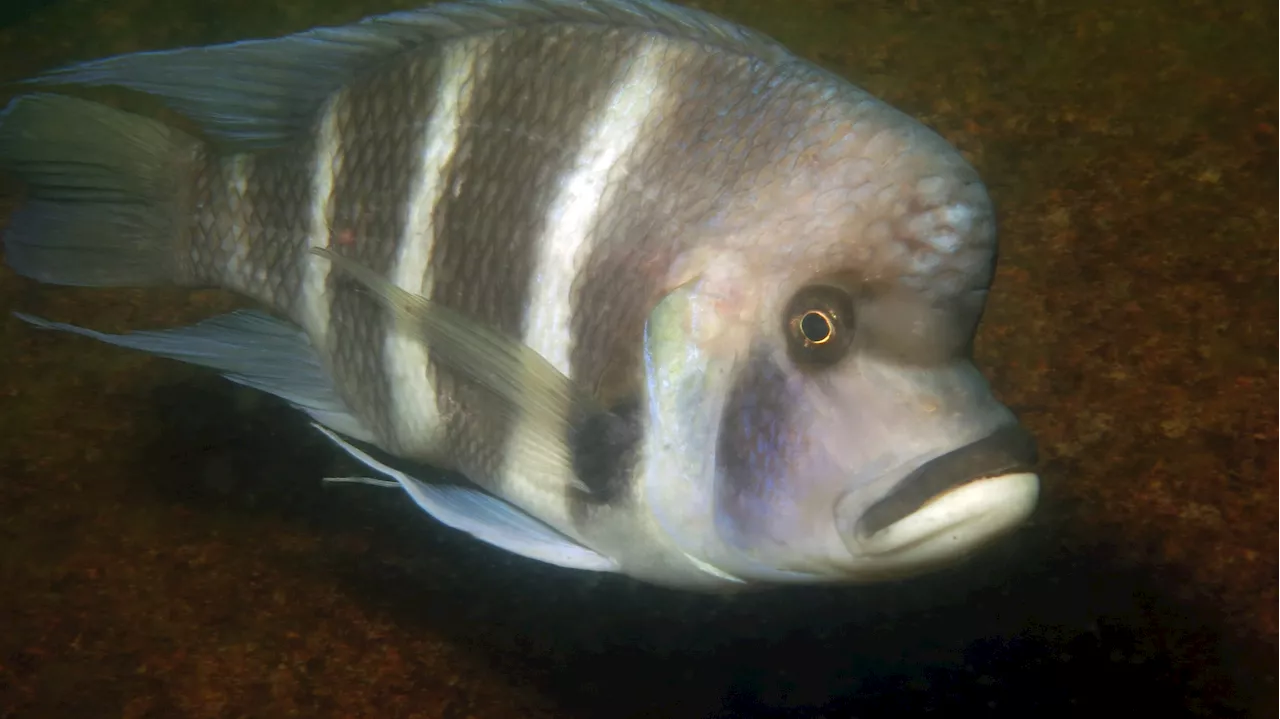 Cichlid fishes' curiosity promotes biodiversity: How exploratory behavior aids in ecological adaptationCichlid fishes exhibit differing degrees of curiosity. The cause for this lies in their genes, as reported by researchers from the University of Basel in the journal Science. This trait influences the cichlids' ability to adapt to new habitats.
Read more »
 Squids' birthday influences mating | ScienceDailyThe day a male spear squid hatches determines which mating tactic he will use throughout his life, according to new research. Spear squid (Heterololigo bleekeri) that hatch earlier in the season become 'consorts' which fight for mating opportunities. Those which hatch later become 'sneakers,' which use more clandestine mating tactics.
Read more »
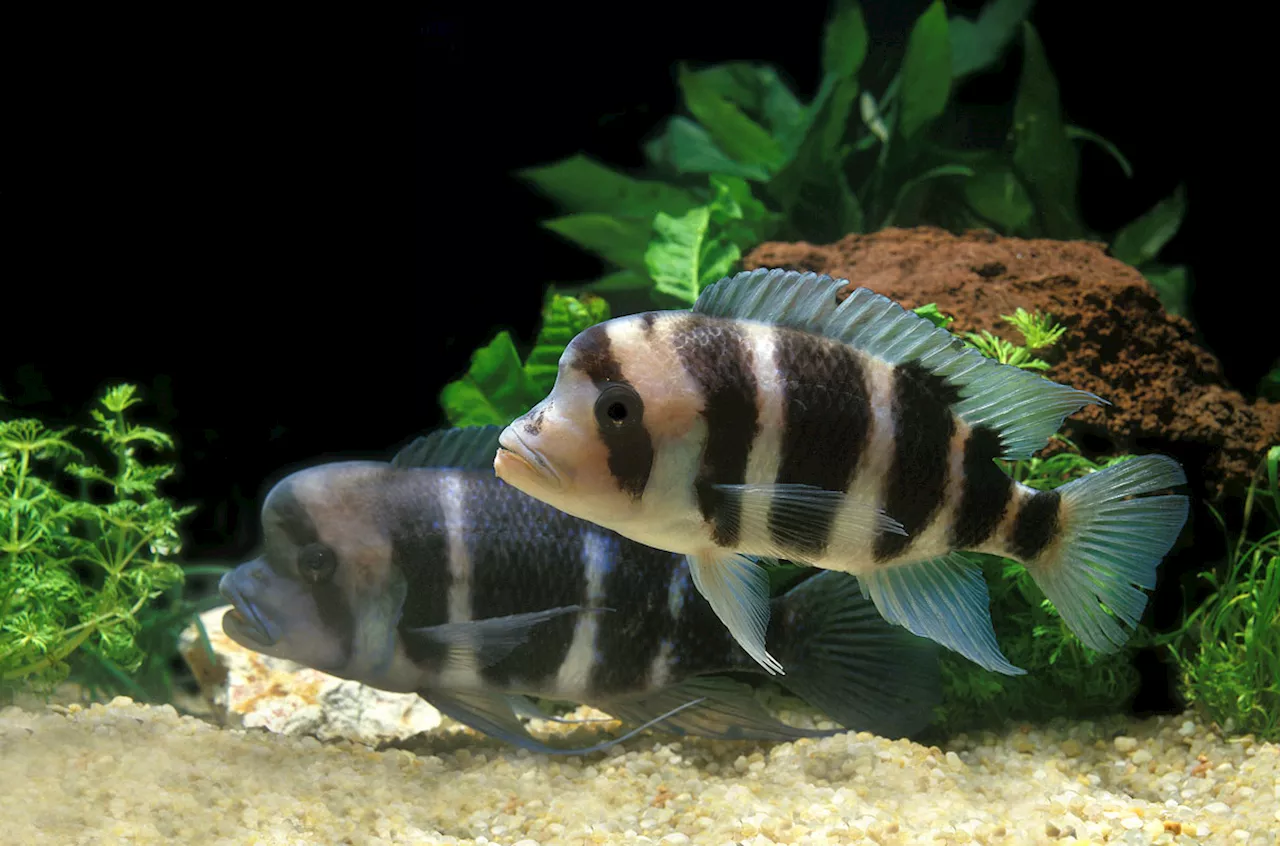 A gene mutation turned these fish into intrepid explorersThat behavioral change could explain the remarkable diversity of cichlid fish in Africa’s Lake Tanganyika
Read more »
 Decoding Avar society | ScienceDailyA multidisciplinary research team has combined ancient DNA data with a clear archaeological, anthropological and historical context to reconstruct the social dynamics of Avar-period steppe descent populations that settled in Europe's Carpathian Basin in the 6th century.
Read more »
 Why can't robots outrun animals? | ScienceDailyRobotics engineers have worked for decades and invested many millions of research dollars in attempts to create a robot that can walk or run as well as an animal. And yet, it remains the case that many animals are capable of feats that would be impossible for robots that exist today.
Read more »