
A new study from the University of Washington reveals that the COVID-19 pandemic caused accelerated brain aging in teenagers, with a significantly greater impact on girls. Researchers found that lockdowns and stay-at-home orders induced stress that sped up brain maturation, particularly in females.
A startling study released by researchers at the University of Washington found that the brains of many teens aged more rapidly during the COVID pandemic, with an especially devastating impact on teen girls.
📺 24/7 Chicago news stream: Watch NBC 5 free wherever you are The study found that COVID lockdowns and stay-at-home orders caused stress that aged teenage brains prematurely, with an especially outsized impact on girls. According to researchers, the maturation acceleration occurred three times as quickly in girls, with a mean acceleration of 4.2 years, according to researchers. “We think of the COVID-19 pandemic as a health crisis, but we know that it produced other profound changes in our lives, especially for teenagers,” Patricia Kuhl, senior author and co-director of UW’s Institute for Learning and Brain Sciences, said. According to the study, brain maturation is measured by the thickness of the cerebral cortex, which is the outer level of tissue in the brain. The cerebral cortex thins with age, but chronic stress and adversity can accelerate the process, leading to an increased risk for a variety of behavioral disorders. The study found such thinning accelerated in teens during the pandemic, with stresses related to COVID contributing to the impacts.According to researchers, the thinning of the cerebral cortex occurred all over the brain in scans of girls, but were only found near the occipital cortex in boys. “If you look at the figures showing which brain areas are involved, in girl teens it’s all over the brain, both hemispheres, all lobes,” Kuhl told NBC Chicago’s Health and Wellness Reporter Lauren Petty. “In boys, it’s only occipital cortex, meaning a visual cortex, and two little areas.” Feeling out of the loop? We'll catch you up on the Chicago news you need to know. Sign up for the weekly As for whether or not the aging could be reversed, Kuhl said it was highly unlikely, but that processes could slow with a reduction in stress. “We don’t expect that the brains would get thicker again, because the biological process over time is it’s always going to thin,” she said. “Recovery might look like a slowdown in the rate of thinning, so that particularly for girls, with their social worlds coming back, the pandemic recedes, and we really feel that life is more back to normal, then you might expect to see that yes, there’s thinning, but it’s not quite as fast.”
Brain Aging COVID-19 Teenagers Girls Stress
United States Latest News, United States Headlines
Similar News:You can also read news stories similar to this one that we have collected from other news sources.
 Low cortisol, hair-trigger stress response in the brain may underlie Long COVIDA new animal study shows that exposure to immune-stimulating proteins left behind by COVID-19 leads to lower cortisol, brain inflammation and a heightened reaction to subsequent stressors.
Read more »
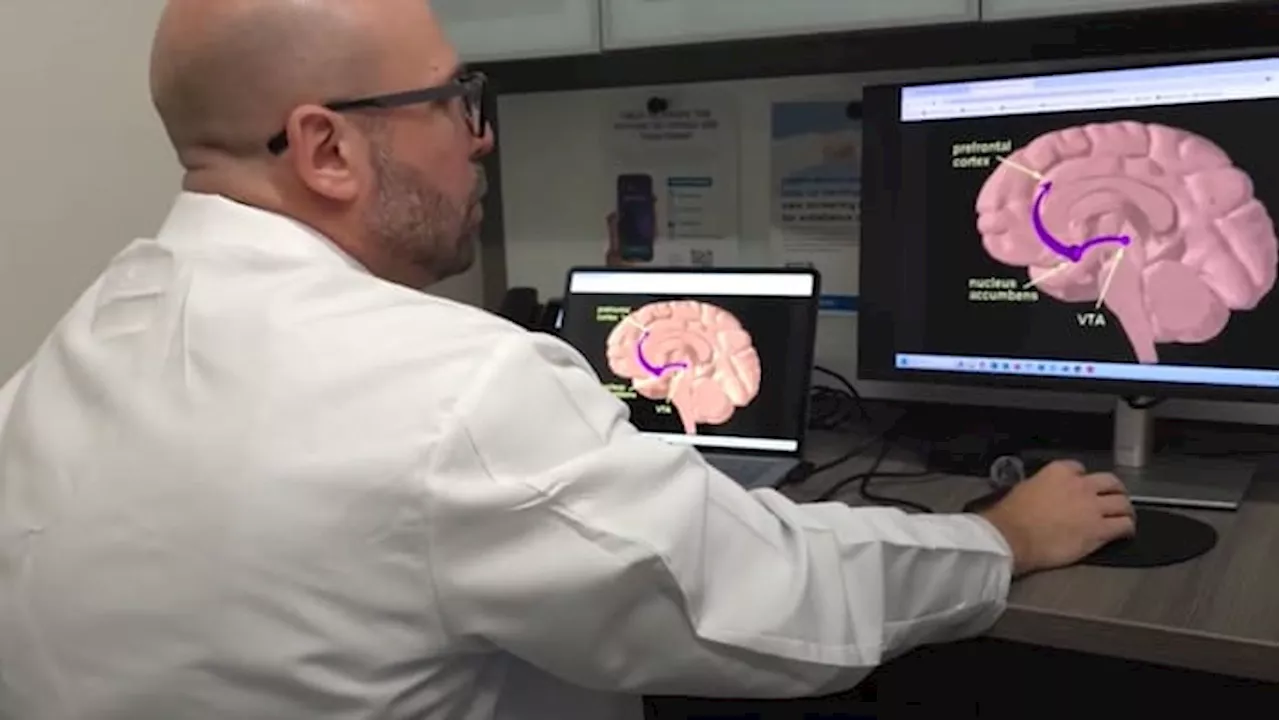 Meth can damage brain like traumatic brain injuries, one treatment is helping with bothUsing meth for a long time or in high quantities physically damages the brain so much, researchers have equated it to a traumatic brain injury. A simple behavioral therapy technique that's been around for decades is now being used to treat both issues.
Read more »
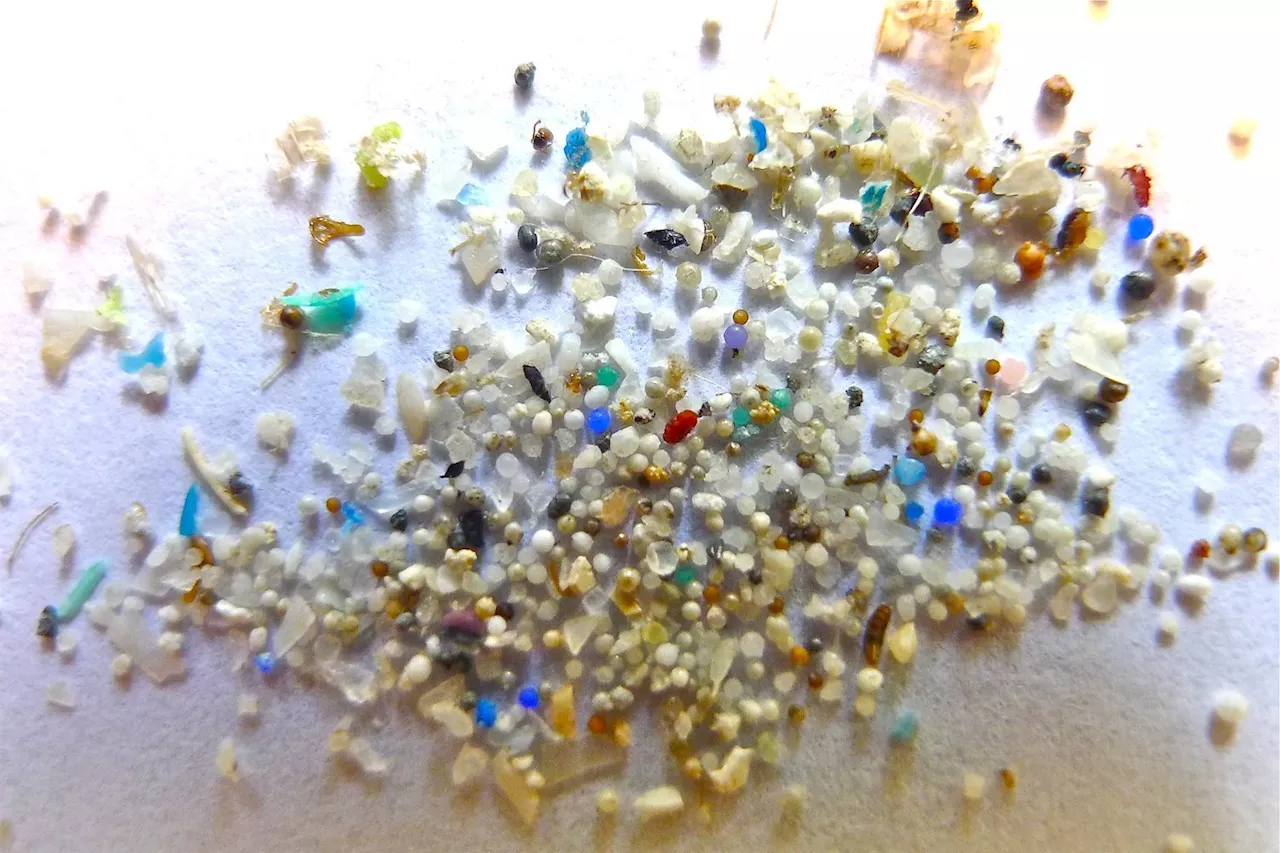 Nearly .05% of Your Brain Is Likely Microplastic, Brain Samples RevealThe tiny, omnipresent pieces of plastic are linked to a wide array of health problems in humans and animals.
Read more »
 Brain research: Study shows what your favorite film genres reveal about your brainCrime films, action films, comedies, or documentaries? A person's favorite film genre reveals a lot about how their brain works. Fans of action films and comedies reacted very strongly to negative emotional stimuli, while participants who favored documentaries or crime films and thrillers had a significantly weaker reaction.
Read more »
 The Covid-19 pandemic may have prematurely aged teens’ brains, study findsThe social and emotional effects of the Covid-19 pandemic on teenagers may have resulted in accelerated brain aging in adolescents, according to a new study.
Read more »
 The pandemic caused teens' brains to age at an accelerated rate, study findsBrain maturation in older adults is linked to levels of cognitive functions, but more studies are necessary to determine its impact on younger brains, the researchers said.
Read more »