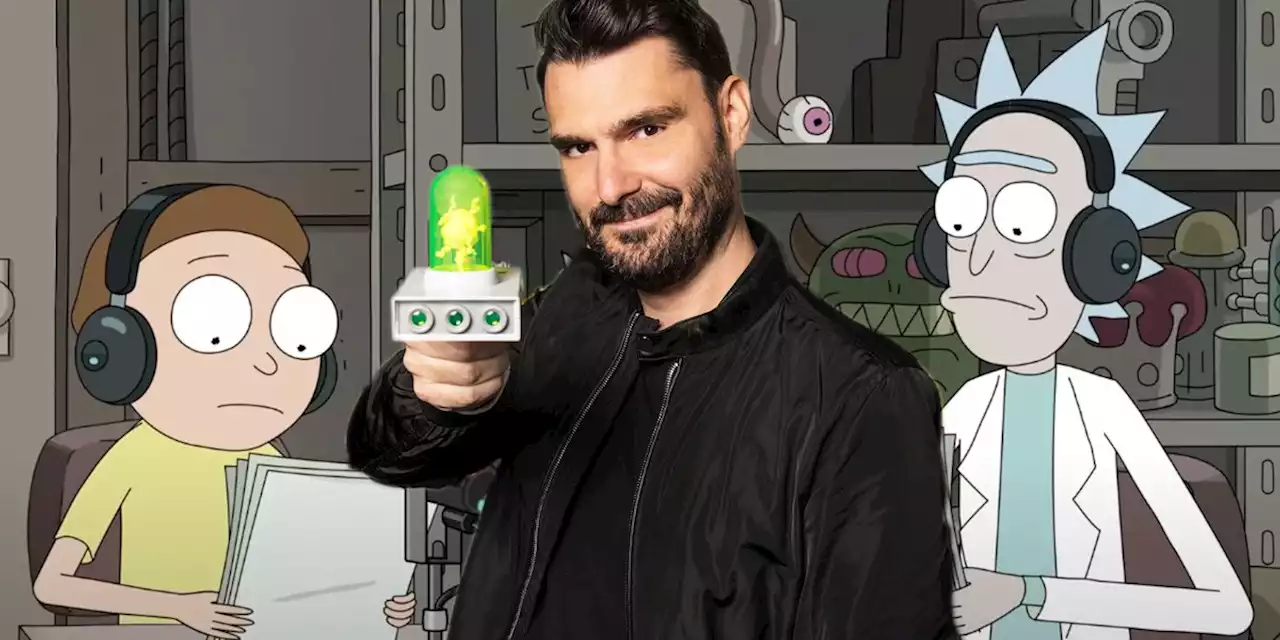
We chat with RickAndMorty composer RyanElderMusic about his work on the beloved animated series, the pace and process of his work, and what the future of the show may bring:
Rick and Morty season 6 is underway, after a premiere episode that spoofed Avengers: Endgame with great success. Created by Justin Roiland and Community's Dan Harmon, Rick and Morty has been one of Adult Swim's most popular programs since it first debuted in 2013, and is notable for having maintained its high quality over a number of seasons.
Rick and Morty season 6 sees the return of all the principal voice actors including Roiland himself , Chris Parnell , Spencer Grammer , and Sarah Chalke . SCREENRANT VIDEO OF THE DAY Another major returning player in Rick and Morty season 6 is the series' longtime composer, Ryan Elder. Though Elder may be best known for his work on Rick and Morty, the prolific composer has also contributed music to a number of projects including The Boys Presents: Diabolical, Inside Job, and The Boss Baby: Back in the Crib. Elder has worked on Rick and Morty since its inception and has contributed to a number of the show's best-loved musical moments, including the song "Don't Look Back", which was featured in the season 4 finale. Ryan Elder spoke with Screen Rant about his time on the animated show, the pace and process of his work, and what the future of the show may bring. Screen Rant: As someone who has been on the show for as long as you have, how has your collaboration evolved over the years? Do you feel like you're getting fewer notes as you go along? Ryan Elder: It's interesting, because I've never really gotten a lot of notes at all. The pilot probably had the most notes, because we were still kind of trying to figure out the sound. But I would say a lot of the time, it's not so much of a notes process like it is on other shows, where I submit my first pass, they send me back a bunch of notes, and I do them. Now, it's a little more collaborative. If there's anything glaring they'll send it to me ahead of time. But often times we'll get into the mix, and they'll go "What if we try this? What if we try this?" And because we're on Zoom now, we mix over Zoom, I'm in my studio and can make changes on the fly during the mix. So oftentimes, it's more collaborative in the moment than it was in the beginning. That might be a byproduct of the pandemic, it might be a byproduct of the fact that Scott Marder is the showrunner now and maybe he has a different process. Every episode, there's so much chaos and yet there's still something totally relatable and emotional to latch on to. Is that something you feel you need to straddle in the music as well? To go to all these crazy places and also ground it at the same time? Ryan Elder: Absolutely, yeah. Those grounded scenes, oftentimes I do have to do some... I wouldn't call it heavy lifting at all; more like light lifting, if anything. I sort of subconsciously cue the viewer into going, "Okay, this is actually a serious moment. I should pay attention here." The moment that comes to mind in particular is the famous one where Morty is explaining to Summer, in the first Interdimensional Cable one, "My body's out in the backyard. Maybe none of this matters, we should just go watch TV." There's a cue that I wrote there that's emotional; it's subtle and kind of sits in the background a little bit, but I've gone back to that well several times to use that same tone for other scenes like that. To answer your question shortly, the idea is that I shouldn't be doing it so obvious that you notice, but I want you to feel like there's a difference in those moments. And does that tend to be an instrumentation thing? Are you using weirder instruments for the lighter moments, and then more traditional stuff for the more emotional ones? Ryan Elder: I can touch on this generally, actually. I try not to be a source of comedy myself unless the scene specifically calls for it. Like an alien band is performing, where you see on screen the weird alien instruments. Then, maybe, I want my music to be funny, right? But I tend to see myself as kind of the straight man of the comedic setup, where the music needs to be earnest no matter what, because that heightens the comedy. And if there's a moment where the music gets too comedic, I know personally that Dan Harmon will throw those out. So, I try not to even do that anymore. I don't get cartoony, where I'm doing pizzicatos to convey, "This is going to be funny here." I save the music for moments where I want to heighten the drama or heighten the emotion, where I'm playing it more down the middle and less comedic. You're on what I imagine are some pretty tight deadlines, so when you're doing that, how do you balance writing something that's purely functional versus maybe doing something that's more of a stretch, creatively? Are you ever tempted to do something like that? Ryan Elder: Oh, definitely. I'm always trying to evolve the sound or the tone, especially if the story asks for it. I would say one fo the things that I'm pursuing more in season 6 now that we're kind of, as the first episode sort of suggested, going in a different direction a little bit with this new character that seems important in Rick Prime. I want the music to reflect that, and so I'm using more sort of synthwave elements like I did at the end of season 5, where I'm pulling more from sort of the 80s idiomatic film scoring thing as opposed to my original approach for the first four and a half, five seasons, was more 70s or 60s sci-fi. A little more retro - well, 80s are retro too. So for me, I want to evolve creatively as well along with the show. But in terms of the question of like, "Do I ever want to go totally nuts, and I just don't have enough time to go totally nuts?" I'll try to make time to do what I want. If I feel like, "This needs something crazy." I'll just make it happen. Pull an all-nighter, whatever it takes. One of my favorite musical moments in the whole show is the Season 4 finale when the song "Don't Look Back" comes on. I know you can't say if you're going to have any moments like that in this season, but what does it take for something like that to happen in the show? Ryan Elder: It takes a lot of trust from the show creators and the people who are on production to go, "Hey, we trust you to come up with a song that sounds like we could have licensed it from a band." Because in those moments, it's always an option to license a song that hits those emotional beats, and is cool or whatever. But I saw this as an opportunity, like "Hey, I've been wanting to work with my friend Lauren, otherwise known as Kotomi, for a while. We've been friends for a long time, we've never had a chance to actually collaborate to this extent." And it was like, "Let's see if we can write a song that's so good that they don't even worry about trying to license something." And it did come out really good, I'm very proud of it, people seem to really respond to it, and Kotomi absolutely crushed it for her part. Just to get to the other part of your question. I won't say anything specific about what's coming up, but that turn in an episode where it gets emotional... "Don't Look Back" was not the first time we'd done that, and it will not be the last time we do that. We did it with "Tennis" in season 5, the tennis song at the end of 509, and we did it with "Chaos Chaos" in the Unity episode. It is a thing. We did it in season 1 with a Mazzy Star song, so it has definitely become sort of a regular beat of the show that we will definitely be doing again. Hopefully I get the opportunity to write it, but if not, if there's a perfect song out there for it, then we'll do that too. This is a techier question, but I've seen the video where you're walking through the creation of a cue, talking about Kontakt and Omnisphere and stuff. Especially with the deadlines that you're on, how much are you creating your own patches and sounds, or are you just pulling something up and tweaking it a little bit? Do you have a bank of presets that you use? Ryan Elder: Oh, I almost always start with a preset and then tweak it. I think that's a byproduct of working on television in particular, just with schedule. And you know, Rick and Morty is not the only show that I work on. I work on all sorts of stuff, and there is time crunch, and you want to drill down right into something that's going to kind of work, and then make it work for you. So I use presets all the time. One thing that's cool is that with the popularity of the show, I've met people who will create sounds for me, and it's cool to use those. My friend Matthew Wong created a Kontakt library that's made of samples of Rick and Morty that sometimes I can filter in here and there if I feel like it. And they're crazy sounds, they're really out there. Ryan Elder: He took vocals and effected them with pitch - they're not even recognizable as Rick and Morty's voices, but he tells me they are, so I believe him. They're pretty cool. SO yeah, in that sense, I tend to use presets just out of necessity, and I'm not even too proud to use loops sometimes too. If I'm under pressure, I'll do whatever it takes to make a great product. At the end of the day, I just want it to sound cool and be something that Dan and Justin are going to love, so I'll do whatever it takes. You've done so much animation work. You haven't only done animation, but is there something about that field, that creative process, that makes you want to keep working in it? Ryan Elder: One of the things I love about animation is that you really get to go big so much more than in other genres. Generally, it's not wrong to go big most of the time in animation. Rick and Morty is slightly different, some other shows - I work on The Boss Baby: Back in Business for Netflix. That's more of a kids show, and in that case it's never wrong to go big, almost. It's children's animation which you can go a little bigger on, but even on Inside Job on Netflix, which I also scored, we go big on that show. It's nice to just go nuts. And sometimes I'll do that on Rick and Morty too, where I'll just go nuts, and then if they want me to bring it back, I'll bring it back. That's definitely happened, where Dan or someone will listen to my first pass and go "Let's pull this back, let's be more reserved here." But knowing that going big is usually never wrong is a great, freeing experience when working on animation as opposed to live action. I saw a tweet of yours talking about how good MUNA's album is. What kinds of musical things are you interested in doing outside of scoring? Would you want to produce a pop record? Ryan Elder: Yeah, I'd love to produce a pop record. I have these ideas about if I ever - if everything in TV all of a sudden went away and I had all the free time in the world, that's what I would try to do. Right now I love doing remixes, because it's a one-off kind of thing where a lot of it is already there for me to start with. Those are really fun for me, where I get to flex my pop production chops but do it in a way that's much more self-contained and much less nebulous. Doing a whole record is so daunting to me because first of all, there's no structure. You can do whatever you want, right? And that's terrifying. I really like, as a composer, to have lines to color inside of. That's one of the reasons that I gravitated towards television. There are so many wrong answers that it makes coming up with the right answer that much easier, and when you're doing something like a record, there are no wrong answers. I need there to be wrong answers, and I need to know what they are! Let's put it that way.
Trending
 A gorgeous April afternoon in store across the Denver metro area
  ‘Artemis Mission Cannot Lead To Interplanetary Wild West,’ Astronomer Warns
  Trump says US forces will ‘finish the job’ soon in first prime-time speech since starting Iran war
  Former Wisconsin football player, who left the sport amid mental health struggles, dead at 24
  Drew McIntyre Gives Honest Take About His Recent WWE Title Reign
  U.S. Sen. Bernie Sanders introduces bill that could keep the Padres in San Diego
 United States Latest News, United States Headlines
Similar News:You can also read news stories similar to this one that we have collected from other news sources.
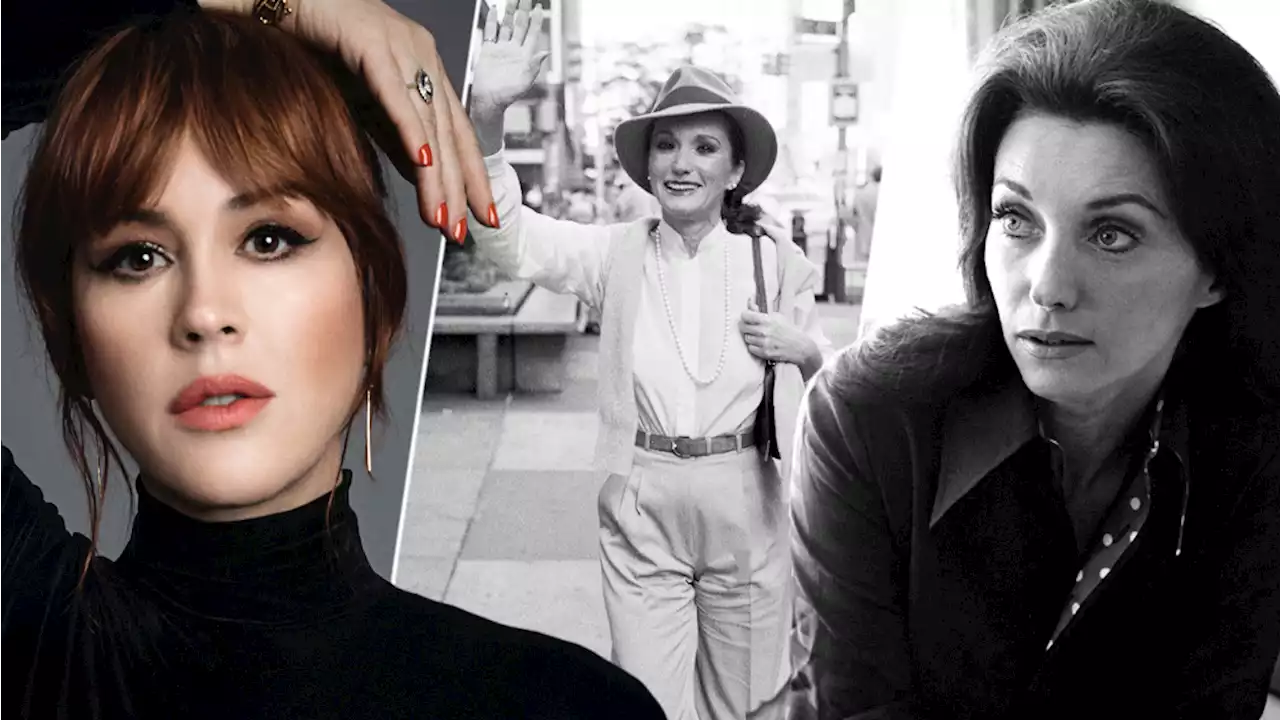 ‘Feud’: Molly Ringwald Joins Season 2 Of Ryan Murphy’s FX SeriesEXCLUSIVE: Feud: Capote’s Women has added another big name to its star-studded core cast. Molly Ringwald has joined the second installment of FX’s anthology series, from Ryan Murphy and Plan B, sou…
Read more »
 Ohio Poll: GOP J.D. Vance Slightly Leads Dem. Tim Ryan in Senate RaceRepublican J.D. Vance slightly leads Rep. Tim Ryan (D-OH) in the race for Ohio’s open United States Senate seat.
Read more »
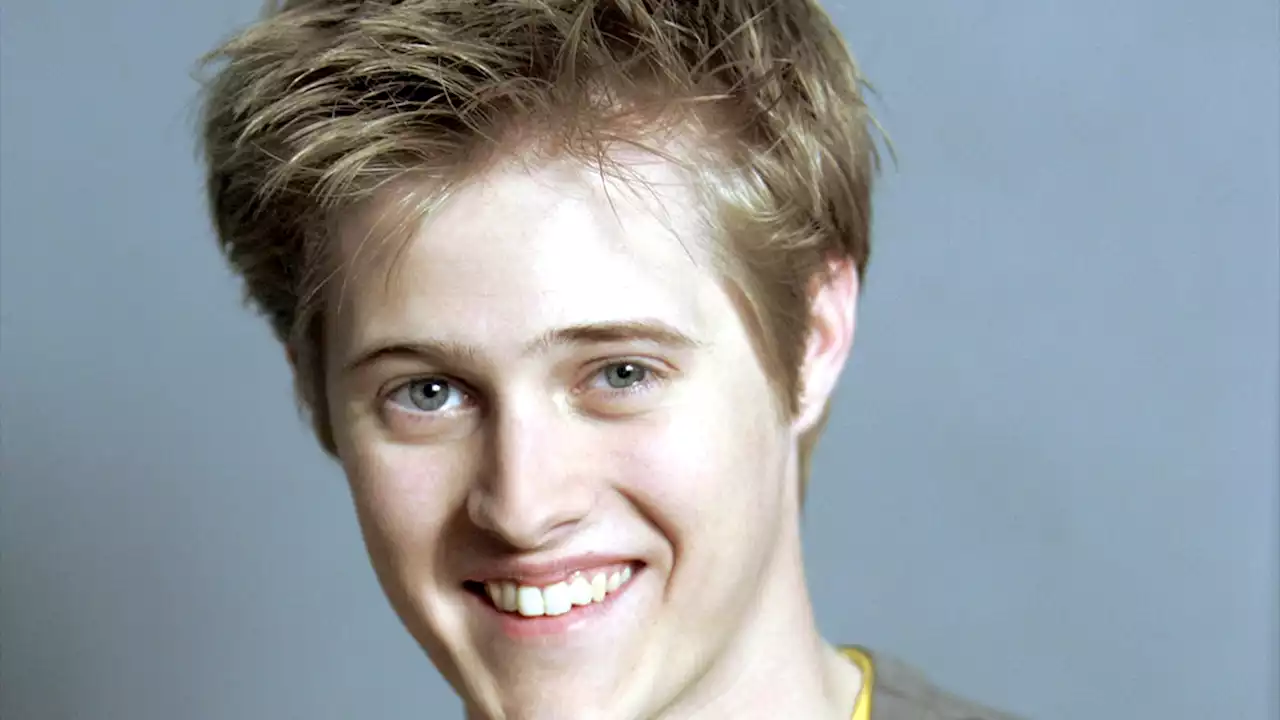 Ryan Evans In 'High School Musical' 'Memba Him?!American actor, singer and songwriter Lucas Grabeel was just 21 years old when he was first cast as Ryan Evans in Disney's 'High School Musical' back in 2006. Guess what he looks like now!
Read more »
 Ryan Breslow’s 'truth seeking' healthcare DAO releases its litepaper: ExclusiveFormer Bolt CEO Ryan Breslow is publishing the litepaper for Love, his 'truth seeking' pharma DAO.
Read more »