
In this week's Current Climate newsletter, killing clean energy incentives may boost electricity prices; pension funds are fed up with Tesla board and Musk; EV charging industry headwinds
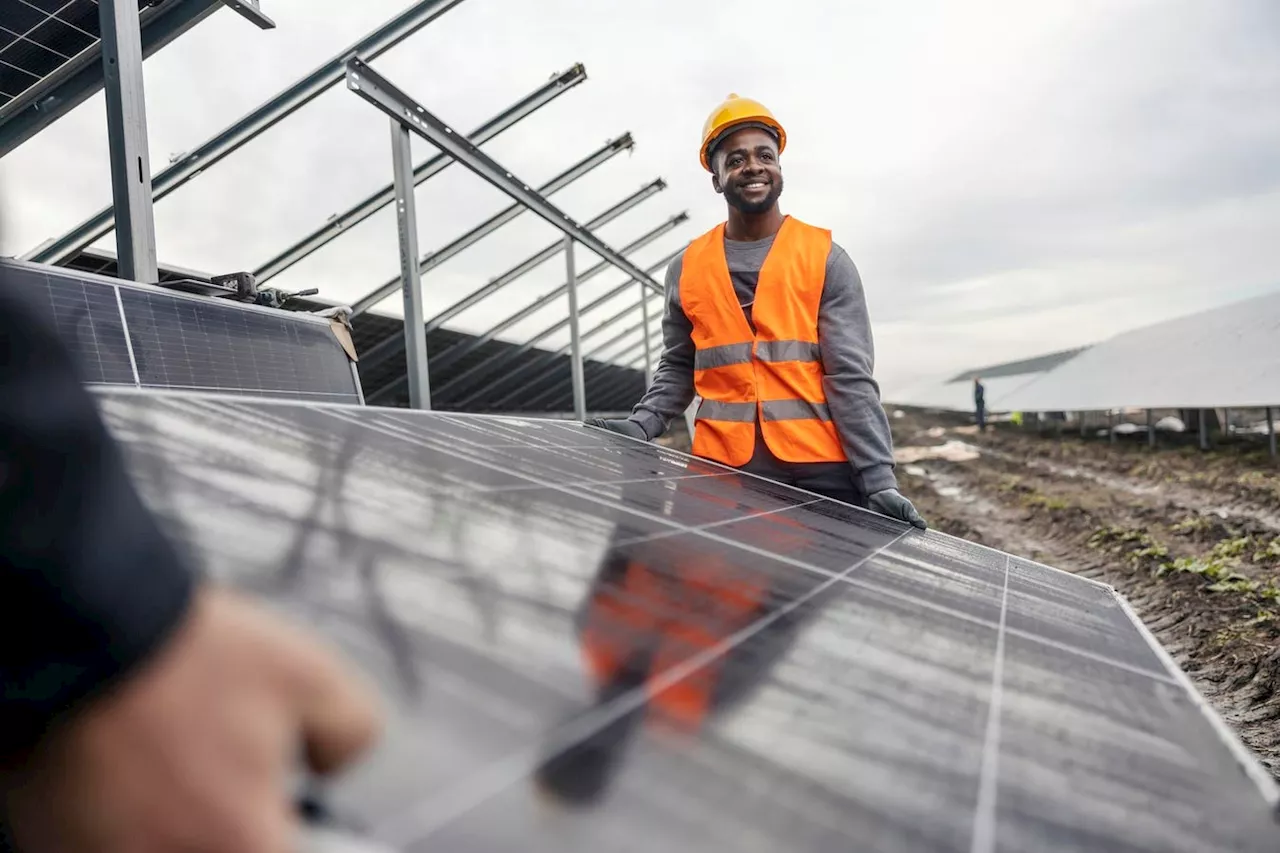
from solar, wind and batteries has been the fastest-growing source of new U.S. electricity generation in recent years, but proposed cuts in federal support for clean energy in the budget bill passed by House Republicans threaten to reduce the amount of renewables added by at least 10% over the next decade, according to Bloomberg New Energy Finance.
The “One Big Beautiful Bill Act” seeks to end clean energy tax credits for all new sources except nuclear power, unless their construction starts within 60 days of the bill’s enactment and their operations begin before 2029. If passed in its current form, the loss of incentives would likely lead to a short-term rush to buy and build renewable power projects, followed by a steep dropoff late this decade, BNEF said. While 10% fewer renewable energy projects over the next decade may not seem dramatic, the impact is magnified because energy demand is expected to grow dramatically over the same period. “Imagine that your income went down 10% just as a bunch of really expensive bills were coming due. That's kind of what’s happening here,” said Derrick Flakoll, a BNEF senior policy associate. “We know there's a lot of load growth that's coming into the U.S.–more heat and hot days, more air conditioning and everybody is a little bit frantic about data centers,” he said. “We're fairly conservative in our estimates for data center growth and we still see that load doubling by 2030 and that being the biggest driver of power demand growth in the next few years.” In the case of solar, the budget bill eliminates the investment and energy production tax credits that have made it a particularly appealing option for large- and medium-scale utility power projects. Wind is likely to take the biggest hit, particularly with the loss of support for large-scale offshore wind projects. Slower growth for both owing to higher costs absent the incentives will hit individuals in the form of higher utility rates. “Even if some of these still get built, with the somewhat less favorable economics, you're also looking at them being more expensive for ratepayers,” Flakoll said. Something else that may boost electricity prices–if utilities opt to build fossil fuel or nuclear plants, a from Boston University finds that those projects are more likely to be over budget and take longer than planned. Solar projects and wind farms, by contrast, are likely to be finished ahead of schedule and under budget.We’re once again seeking nominations from founders, policymakers, investors, organizers, artists, scientists and others driving meaningful impact in climate and sustainability efforts around the world. Is this you or someone you know? Sign up here:Pension Funds Have Had It With Tesla’s Board And Musk When Elon Musk appeared in the White House last week at a ceremony with President Donald Trump marking the end of his controversial role leading the federal job-slashing DOGE initiative, he sported a shiner on his right eye that he claimed came from toddler son X. That literal black eye will heal, but the figurative ones Tesla and Musk’s reputation have received from his political activities are likely to linger. Some of Tesla’s biggest shareholders — including unions like the American Federation of Teachers, whose 1.8 million members participate in pension funds with $4 trillion of assets under management, including $8.8 billion of Tesla shares — see one group as largely to blame: the EV company’s board. “People don't like Elon Musk,” AFT President Randi Weingarten told Forbes. “We've taken the position over the course of the last few months of: ‘Do your job board. Do your job financial industry. Do the job you're supposed to do, which is the governance of Tesla.’” Weingarten and the teacher’s union have been pushing fiduciary officers overseeing major state and city pension funds, as well as investment firms like BlackRock, Fidelity, Vanguard, T. Rowe Price and TIAA, to review their Tesla holdings and pressure the board to change its ways. “We don't want Tesla to fail because if Tesla fails that means a lot of retirees are going to lose a lot of money in terms of their portfolios,” Weingarten said. She added: “If you're going to have Musk there, then make sure he's there. Don't have him do these extracurricular activities. Make sure he’s there or get another CEO.”ChargePoint CEO Rick Wilmer on the outlook for the EV charging industry amid changing federal policies The Trump Administration isn’t supportive of EV incentives and the budget bill eliminates them and funds for charging infrastructure. What does that mean for your business? It's a big stewpot full of headwinds and tailwinds. The current administration's position on clean energy and climate change obviously is a headwind. I think more tactically, the uncertainty around tariffs and the current budget bill and what that means for federal incentives has put a lot of uncertainty in the market, which has people on hold and waiting in some instances to decide how to move forward. Regardless of how that all comes out, I think just some certainty is going to help stabilize things and get people moving forward again. So those are headwinds. I think on the tailwind side, for us at least, we've still got a strong market in Europe without the types of headwinds we're facing here in North America. I'm firmly convinced, as biased as I am, that EVs are just a superior product to gas-powered vehicles: fewer moving parts; way more reliable; very little service required; and a better driving experience. And I think as more and more consumers experience them, the switch is going to happen, in addition to an ever-increasing selection of vehicle types for people to buy.We have manufacturing facilities in a variety of countries, including the U.S. We've got manufacturing operations in Taiwan, Thailand, Malaysia, Romania, and the U.S. So we've got the ability to reconfigure supply chains, to mitigate tariffs, but there's definitely production of chargers overseas. And there's also the sourcing of the parts that go into chargers. Like many other hardware products, many of those come from overseas suppliers. So tariffs have an effect based on where they stand today. They're obviously very dynamic and changing regularly. We see an effect, but it's pretty minimal and we believe we can overcome it through cost reductions and other optimizations. But again, that's based on where things stand today.Think of chargers sitting in front of the meter. If you're at home, your charger sits in front of your meter. Part of your electric bill at home, if you have a home charger, is the electricity used by your charger. Having the front-of-the-meter stuff that we develop, collaborate and cooperate with the behind-the-meter infrastructure that Eaton provides is where we can really unlock a lot of value through innovation. Making sure that the chargers in front of the meter work seamlessly and efficiently, and that they balance the energy and use the energy optimally that's being made available from the equipment behind the meter. This is really key to the innovation that we're going to develop in collaboration with Eaton and bring to market. They have various products like smart breakers and smart panels, where you now can have the charger collaborate with the rest of the home's energy use and energy management to provide solutions like power.as Trump budget seeks to dismantle top US climate lab (
Tesla Trump Budget Bill Renewable Power Solar Wind Batteries Chargepoint BNEF
United States Latest News, United States Headlines
Similar News:You can also read news stories similar to this one that we have collected from other news sources.
 Clean Tech Investments Slow as Republicans Look to Cut Crucial Tax CreditsAnalysis of the Republican bill's cuts to clean energy tax credits predicts a sharp drop in clean energy and EV sales and rising energy costs and emissions.
Read more »
 Michael Smolens: Clean energy politics heat up for GOP, but it’s not about climate changeRepublican senators seek to reverse cuts in renewable energy tax credits that could hurt their states as global warming continues apace.
Read more »
 US firm demos millimetre wave drilling tech to dig world’s deepest hole for powerQuaise Energy's primary goal is to revolutionize the energy landscape by harnessing superdeep geothermal energy.
Read more »
 Energy Department cancels billions in clean energy project grantsEnergy Secretary Chris Wright says he canceled $3.7 billion in project grants in another massive hit to clean energy development in the U.S. under President Donald Trump's administration. The grants were largely awarded during former President Joe Biden’s last few months in the White House.
Read more »
 The Department of Energy axes $3.7 billion in clean energy project grantsThe grants were primarily for programs to capture carbon emissions and store them underground.
Read more »
 Climate: U.S. Clean Energy Investment Boom Is Winding DownIn this week's Current Climate newsletter, the U.S. clean energy investment boom is winding down; Net Zero Leaders; 'beautiful' budget bill’s ugly impact on renewables
Read more »