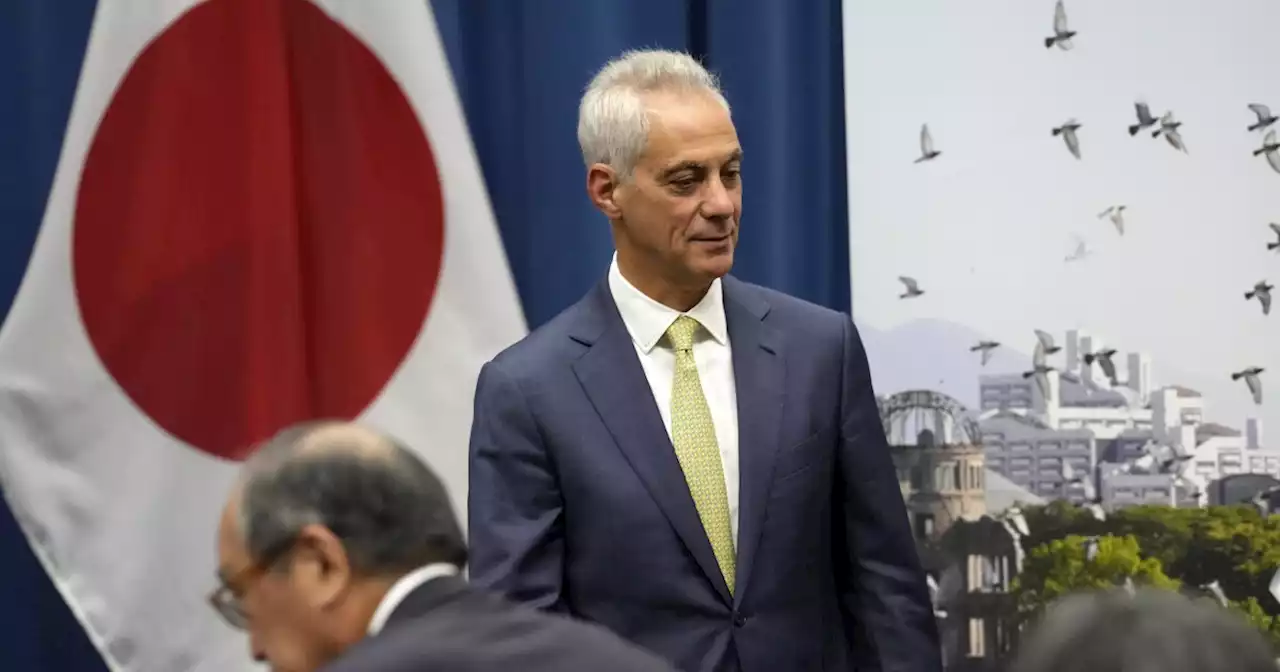
President Joe Biden’s upcoming Camp David summit with the leaders of Japan and South Korea will upend China’s strategy to drive the United States out of the Indo-Pacific, according to U.S. Ambassador Rahm Emanuel.
“China's entire strategy is based on the premise that America's No. 1 and No. 2 ally in the region can't get together and get on the same page,” Emanuel said. “We've created something that is exactly what China was hoping would never happen.”Emanuel, a former White House chief of staff under Barack Obama, has settled in Tokyo as the lead U.S. envoy to one of the most important American allies in the world.
Emanuel’s exultant prognostications reflected widespread delight about the burgeoning interest in cooperation between Tokyo and Seoul, two capitals that have remained largely divided by tensions stemming from the Second World War despite their common bond with the United States. Yet the summit Friday is intended to launch a “trilateral annual summit,” as Biden’s point man for the Indo-Pacific added, in service of integrating the national security postures of the three countries.
Chinese officials have condemned such diplomatic maneuvering as an attempt to forge a kind of “mini-NATO” in the Indo-Pacific. Faced with a journalist’s question about whether the trilateral summit marks “the first important step towards a collective security agreement,” Campbell offered Beijing no assurances.
United States Latest News, United States Headlines
Similar News:You can also read news stories similar to this one that we have collected from other news sources.
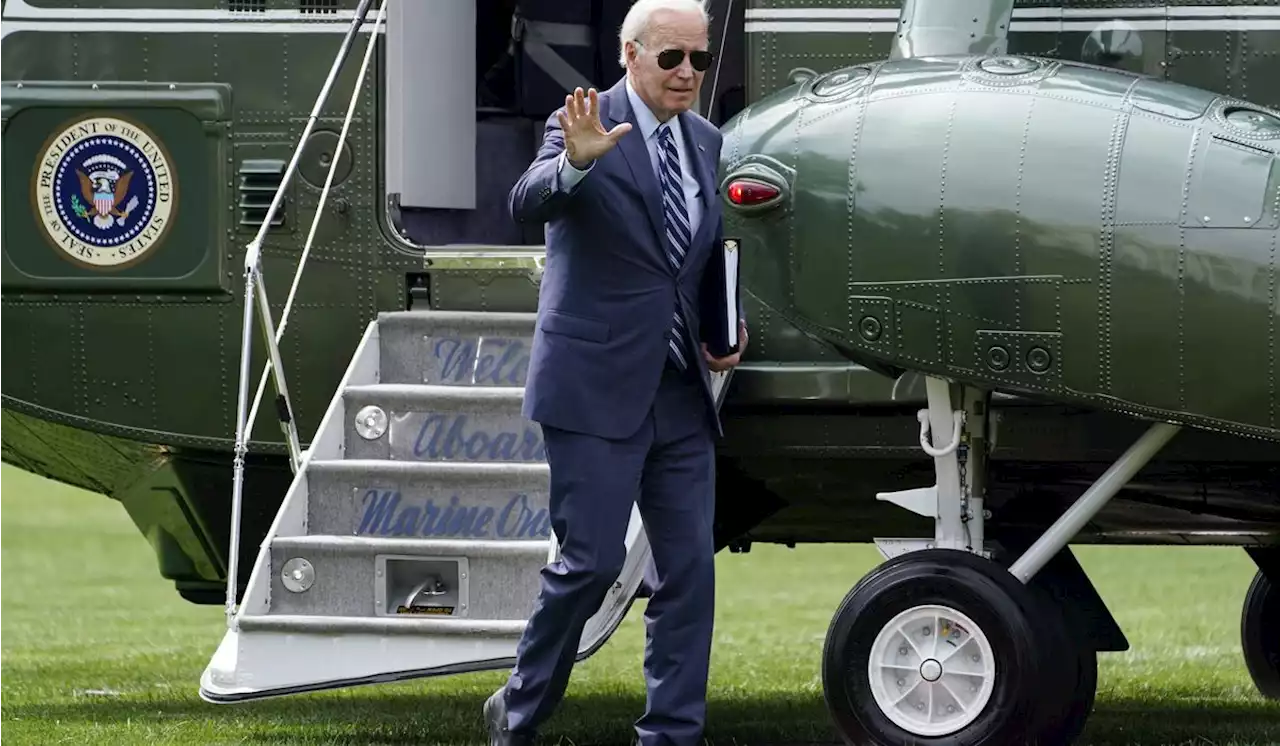 U.S., Japan, South Korea to announce deeper defense cooperation at Camp David summitThe United States, Japan and South Korea are expected to announce plans for expanded military cooperation on ballistic missile defenses and technology development in the face of growing concern about North Korea’s nuclear program when the countries’ leaders gather at Camp David for a summit Friday, according to two senior Biden administration officials.
Read more »
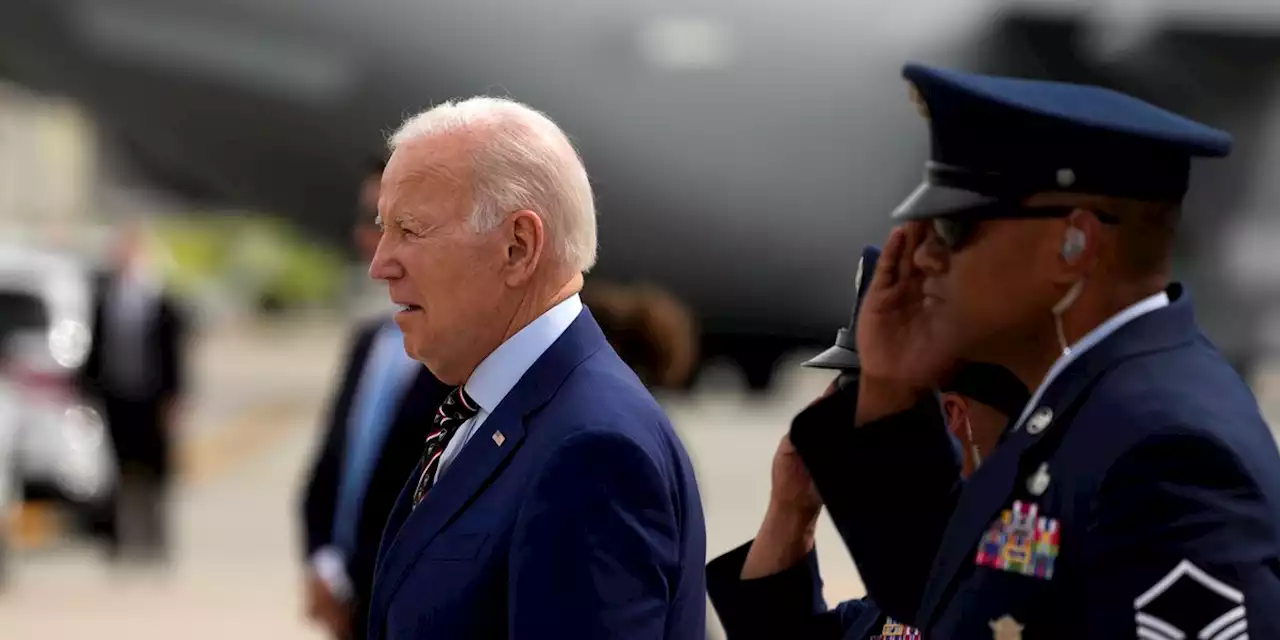 US, Japan, South Korea to announce deeper defense cooperation at Camp David summitThe White House is looking to build on the recent diplomatic momentum and aims to use the summit for “institutionalizing, deepening and thickening the habits of cooperation” between the three countries as they face an increasingly complicated Pacific, one official said.
Read more »
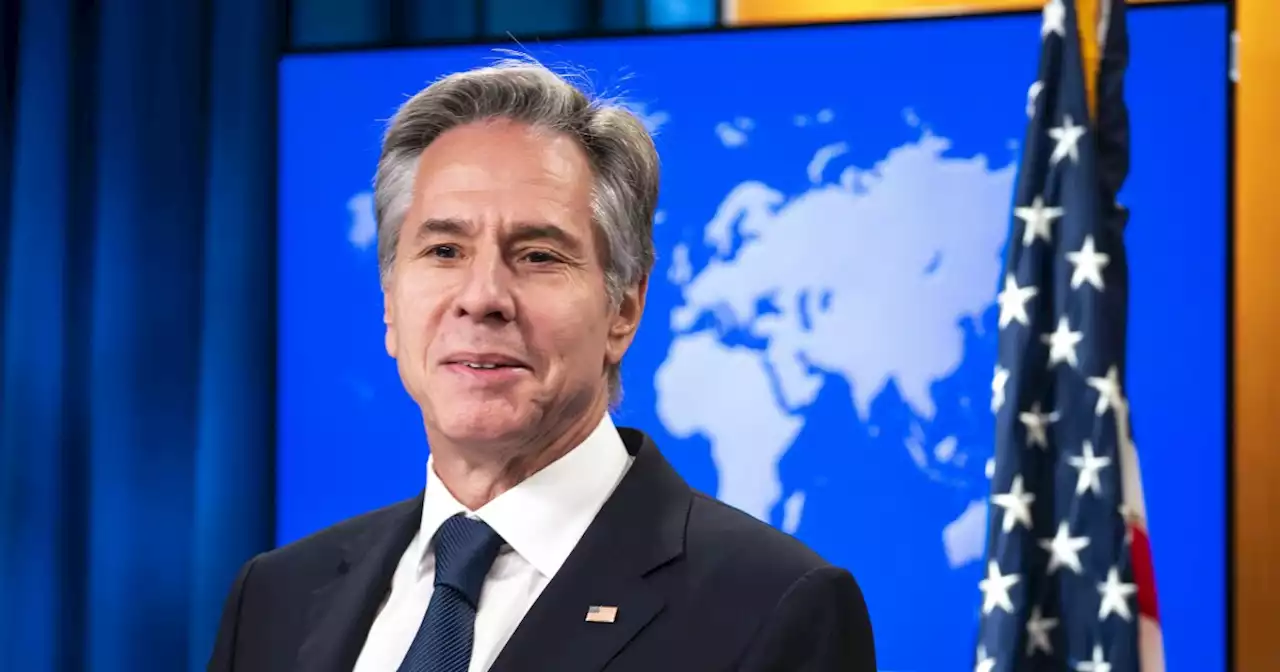 US downplays China tensions ahead of ‘force multiplier’ summit with Japan, South KoreaPresident Joe Biden’s impending summit with the leaders of Japan and South Korea promises to be “an historic meeting” with two American allies moving to put traditional tensions aside in order to link arms with the United States, according to the top U.S. diplomat.
Read more »
 Historic Camp David summit portends closer ties between South Korea, Japan, and the US‘A NEW ERA IN TRILATERAL COOPERATION’: When President Joe Biden hosts Japanese Prime Minister Fumio Kishida and South Korean President Yoon Suk Yeol at Camp David Friday, it will mark the first stand-alone summit ever between the three countries, and what Secretary of State Antony Blinken called “a…
Read more »
 Exclusive: US, S. Korea, Japan to launch new defense steps at Camp David -officialsThe United States, Japan and South Korea will launch a series of joint initiatives on technology and defense when the countries' leaders gather at Camp David this Friday, amid mounting shared concerns about China
Read more »
 North Korea: US soldier who entered North Korea wants refuge from mistreatment, racism in USNorth Korea has concluded that U.S. soldier Travis King wants refuge there or elsewhere because of
Read more »