
Checkpoints enable precision in cells' molecule intake cornell
To visualize exactly what was taking place at the cell membrane, doctoral student Edward Partlow and Gunther Hollopeter, assistant professor in the Department of Molecular Medicine, teamed up with Kevin Cannon and Richard Baker at the University of North Carolina School of Medicine, who specialize in, a technique that uses electrons to capture images of things on a molecular scale.
Previously, the Hollopeter group had unveiled a molecular mechanism for endocytosis: A protein called muniscin binds to and then acts as an on-switch for another called AP2, which then specifies where cargo will be internalized. Switched on, AP2 is drawn into bubble-like compartments, known as vesicles, and brings the cargo into the cell. However, Partlow and Hollopeter realized their hypothesis was incomplete. Muniscins do not follow AP2 into the."That means that AP2 must somehow remain 'on' without the muniscin," Partlow said. Moreover, his initial biochemical experiments suggested that muniscin-bound AP2 was not actually in an"on" state."At this time, we only knew AP2 was in some new state," Partlow said,"but didn't know what that state was." What they found using cryo-EM surprised them all: Muniscins induced a never-seen-before state in AP2—something between off and on—a"primed" state. When Partlow added cargo to the system, the AP2 ditched the muniscin and adopted a full"on" state."This new primed state of AP2 appears to be acting as aPartlow used an analogy of people coming to see a show at theater."The muniscin is like the theater staff, checking if patrons, or AP2, have a 'ticket'—that is, the cargo," he says."The muniscin binds the AP2 that doesn't have a ticket, blocking the AP2 from entering 'theater,' or vesicle, but once AP2 gets a ticket, it's allowed to enter." Once cargo binds AP2, the muniscin separates and is ready to begin again, recruiting new AP2 proteins to prepare for new extra-cellular cargo. This finding upends a long-held assumption that cells only regulate exocytosis, the release of internal cargo, but have endocytosis running on zombie-like autopilot."The discovery of primed AP2 is exciting because it means that endocytosis also has control levers," Hollopeter said. These levers help the cell ensure that high-priority cargos are quickly and efficiently internalized. The researchers hope to delve deeper into the consequences of priming in cells, and how other proteins might interact with primed AP2. As they continue this foundational work, it could lead to new therapies for conditions where"We hope this newfound checkpoint could be exploited in the treatment of these diseases," Partlow said.More information: Edward A. Partlow et al, Structural basis of an endocytic checkpoint that primes the AP2 clathrin adaptor for cargo internalization,
United States Latest News, United States Headlines
Similar News:You can also read news stories similar to this one that we have collected from other news sources.
Your Cells Have Weird 'Tentacles' That Help Them Move Around. Here's How They WorkA cell is not an island. Each one has a host of ways to detect its surroundings, and even physically reach out to neighbors or enemies using strange cellular appendages.
Read more »
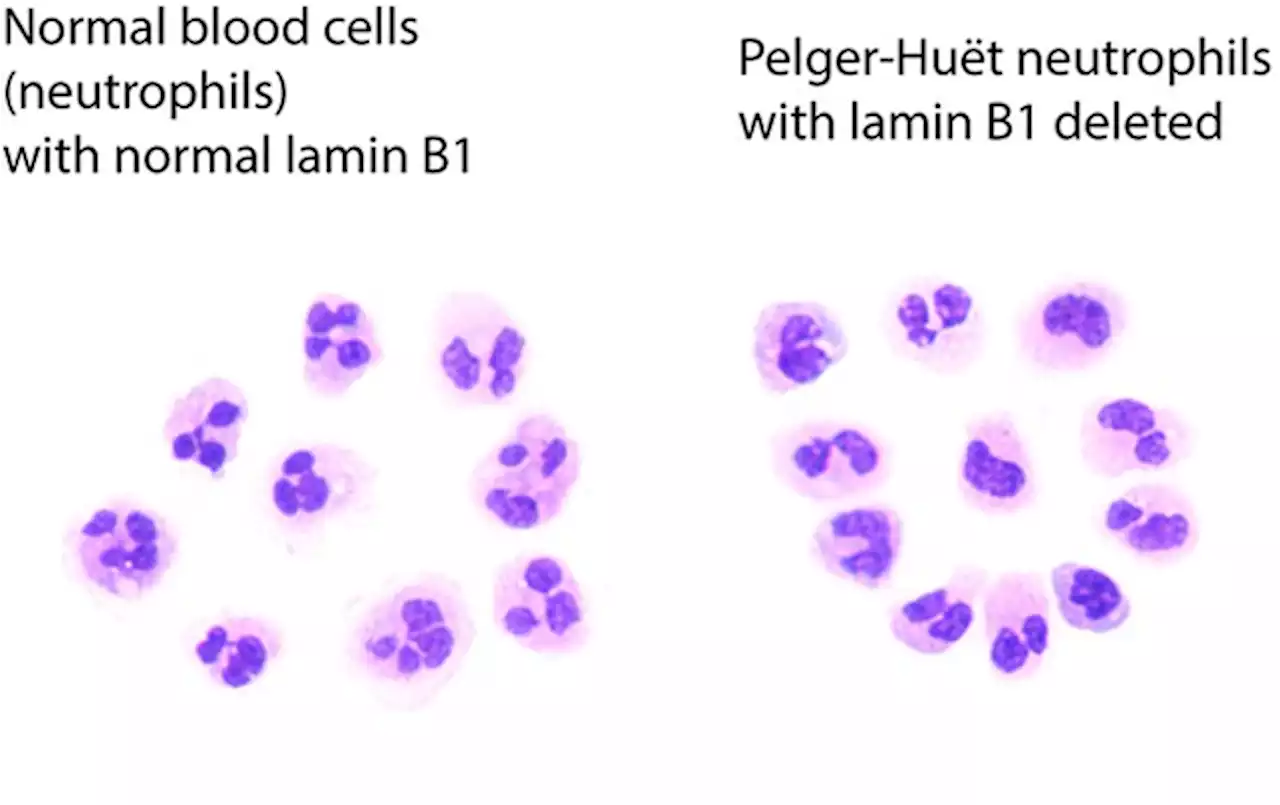 Gene deletion behind anomaly in blood cancer cellsThe mystery is being unraveled of why the control centers, or nuclei, of certain blood cancer cells have a distinctly odd shape.
Read more »
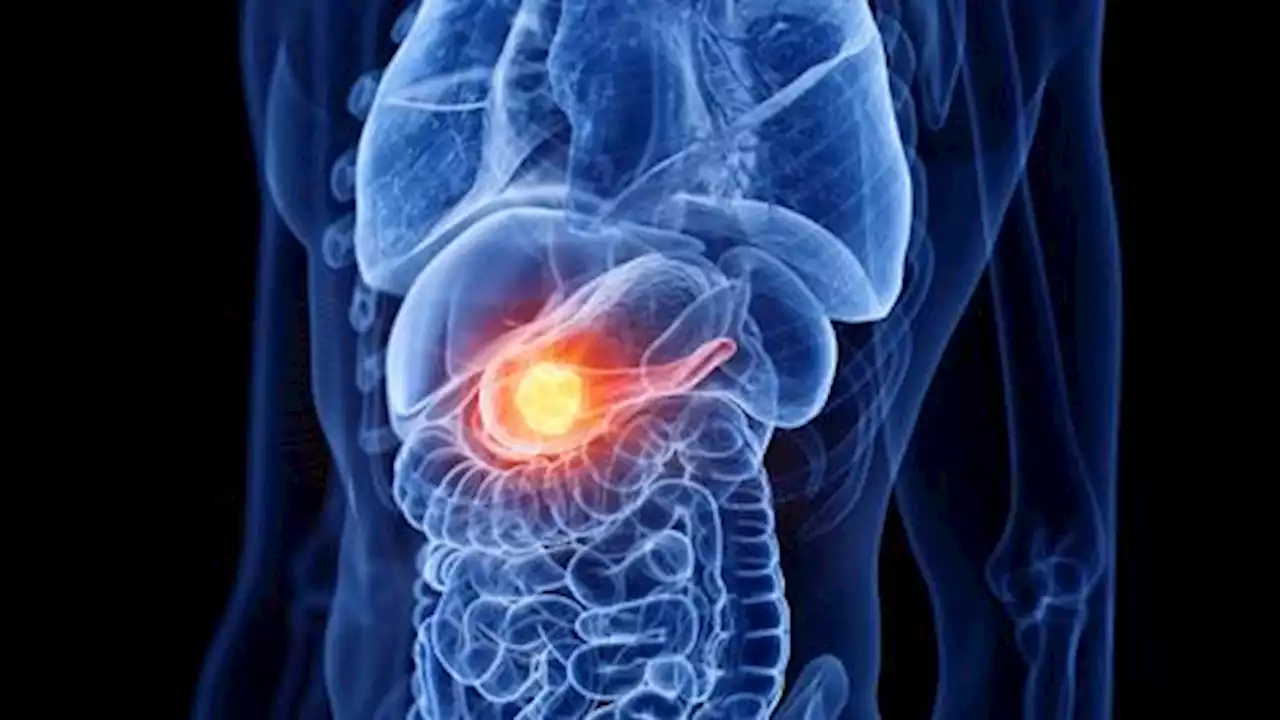 Can tetanus shots play a key role in treating pancreatic cancer?Researchers have successfully triggered mice immune systems against human pancreatic cancer by first immunising them against tetanus, then injecting them with Listeria bacteria enhanced with tetanus.
Read more »
CATL Kirin Battery Has 13% More Energy Density Than 4680 CellsCATL claims its new Kirin cell-to-pack battery has 13% more power than a battery pack that uses 4680 battery cells.
Read more »
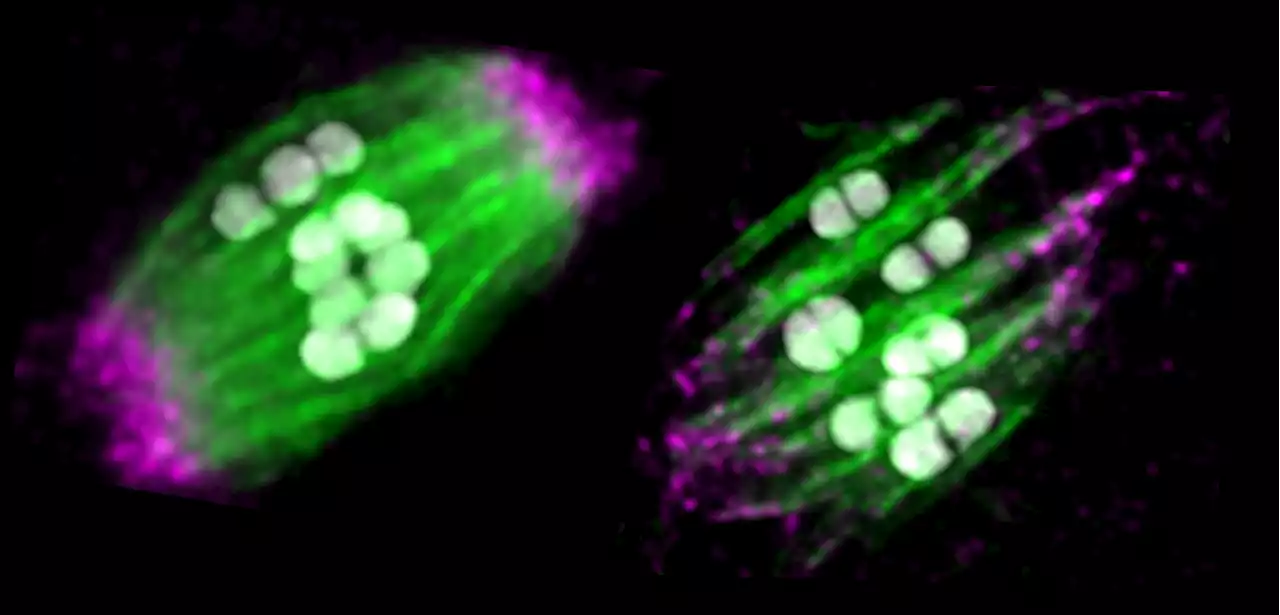 Roundworms' egg cells have a backup plan to protect against division errorsFor reproduction to be successful, an egg cell must divide perfectly. Egg cell divisions are so error-prone, however, that they are the leading cause of miscarriages and birth defects in humans.
Read more »
 Microvast Introduces Two New NMC CellsMicrovast has introduced two new long lasting, fast charging battery cells.
Read more »