
BREAKING: California legislature approves COVID sick leave bill; Gov. Gavin Newsom expected to sign
SACRAMENTO, Calif. -- The California Legislature has approved a bill requiring workers receive up to two weeks of paid time off if they get sick from the coronavirus.The bill applies to companies with 26 employees or more.
The law would impact employees like Crystal Orozco, who got sick with the coronavirus last month. Orozco missed nearly two weeks' worth of her salary as a shift leader at a fast food restaurant and had to ask family members for a loan to help pay her rent.Orozco could soon get backpay from her company for the time she was out sick.
Orozco, a member of the Service Employees International Union, said she was denied paid time off when she got sick. In addition, five other states - Nevada, New Jersey, Oregon, Rhode Island and Washington - have paid sick leave laws that, while not COVID-specific, can be used cover time off from the coronavirus.
That tax cut was scheduled to happen at the end of this year, but lawmakers will now vote on whether to put it into effect a year early. That move helped win support from business groups, who had previously opposed paid sick-leave laws because they said it would cost employers too much money. California's sick leave proposal gives workers up to one week of paid time off if they get the coronavirus or are caring for a sick family member. They can get a second week off only if they or their family members test positive. Employers must pay for and provide the test. The proposal only applies to companies with 26 or more employees and it will expire on Sept. 30.
United States Latest News, United States Headlines
Similar News:You can also read news stories similar to this one that we have collected from other news sources.
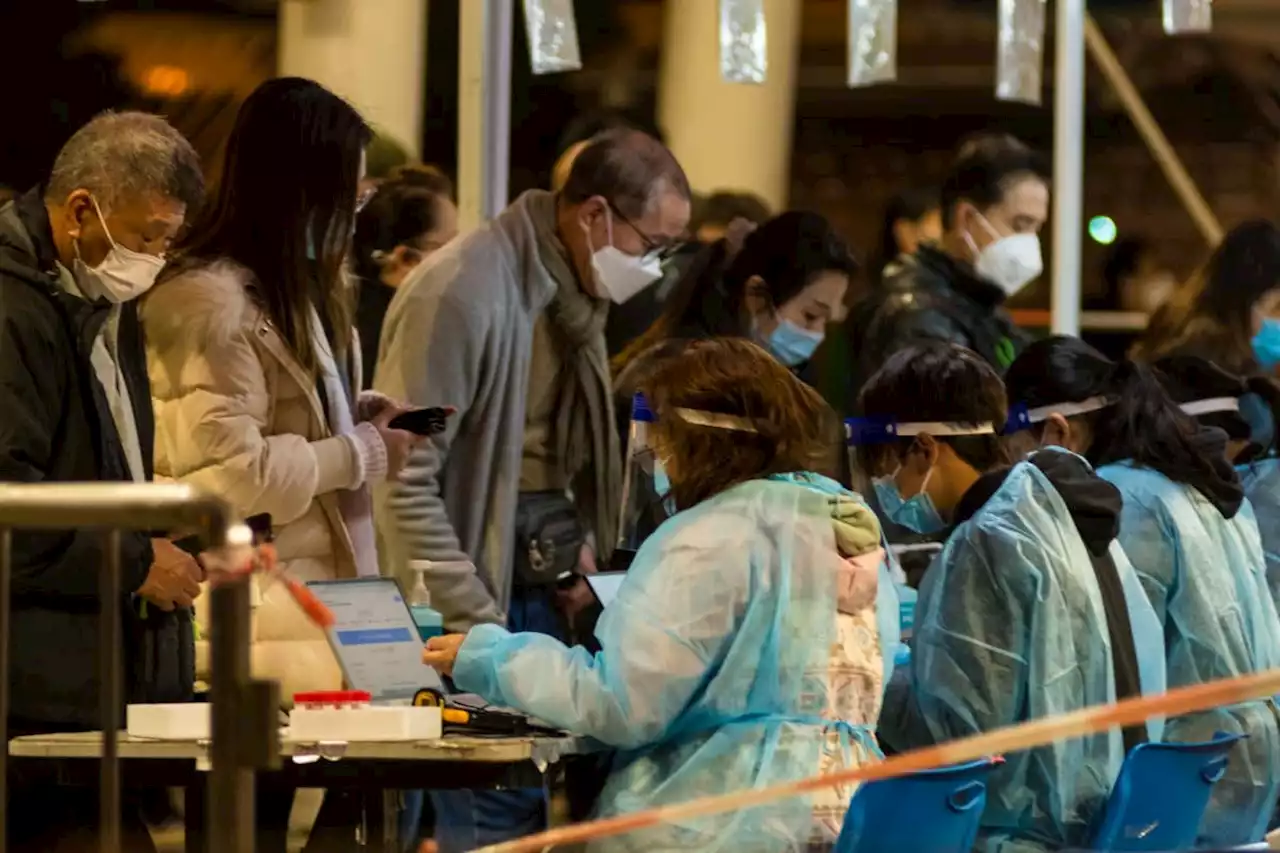 Covid-19 news: Chinese study predicts impact of ending zero covidToday’s covid-19 news: · Chinese researchers predict 2 million deaths if zero covid restrictions lifted · Australia plans to reopen its borders this month · Hong Kong records its highest number of cases
Read more »
 COVID Smell Loss and Long COVID Linked to InflammationHamsters eating Cocoa Krispies reveal inflammation pathways from the olfactory system to the brain.
Read more »
 Covid-19: One Covid-related death and 2,694 more casesThe total number of deaths linked to the virus reported by the Department of Health is 3,128.
Read more »
 California supera las 80 mil muertes por COVID-19; los contagios disminuyenEs la cifra la más alta en Estados Unidos, pero el estado más poblado de la nación tiene una tasa de mortalidad per cápita que se encuentra entre las más bajas
Read more »
 California ending COVID mask mandate and easing other rules – too soon, too slow?Vaccine, booster and test requirements to visit long-term care facilities imposed a month ago amid case surge to end Monday.
Read more »
 New COVID-19 sick pay for California workers approved by lawmakersThe policy allows workers at businesses of 26 or more employees to take paid time off to recover from COVID-19, care for a family member, or get a vaccine.
Read more »