
This article explores the process of bonding between parents and children conceived through donor insemination. It addresses common concerns about bonding, drawing upon psychological frameworks to explain how early responsiveness and consistent care lay the foundation for a strong parent-child connection.
Many people worry about pursuing donor conception to build their families. One of the most common concerns I hear is, 'Will I bond with my child, and will my child bond with me?' Before I answer this, I need to emphasize that donor conception is not right for everyone. In my more than twenty-five years of working in reproductive medicine, I've seen thousands of donors and recipients, and some individuals would rather remain child-free than have a child who is not genetically related to them.
For those who are open to it, some may have a little difficulty accepting the idea, while others may struggle considerably. However, in all my years of practice, I have never encountered anyone who, despite their initial concerns, did not bond with their child once they pursued donor conception. To understand the process of bonding, let's explore some psychological frameworks. Erik Erikson, a renowned developmental theorist, coined the phase of infancy (0-18 months) as a critical period for developing a basic sense of trust in the world. He believed this period is essential for a child to develop a basic sense of trust in the world. Nature plays a role here. Babies are naturally cute, which makes it easy for parents to want to snuggle, enjoy, and respond to them when they cry or need something. It is through this process of responding to their needs that the bond between parent and child is formed. Bonding is not about being perfect or knowing everything about your child before you can care for them. Rather, it’s about learning about your child over time. By consistently tending to their needs, the child learns that their needs will be met, building a sense of security and trust. Challenges can arise in the relationship when the parent is unable or unwilling to consistently meet the child's needs. The parent may miss emotional cues, and eventually, the child may feel responsible for tending to the parent’s emotional needs. This imbalance can impede the child’s ability to develop a healthy bond. In extreme situations, theorist Donald Winnicott described how a child in such circumstances may develop a “false self.” It’s important to remember that bonding doesn’t require perfection. When you bring your baby home, they’ll cry, and at first, you won’t know whether it's due to a dirty diaper, gas, or hunger. But over time, you’ll learn to recognize their cries and respond accordingly. This process of trial and error will naturally foster bonding for both you and your child. What matters most is that you are there for them, consistently meeting their needs as best you can. This means being present, attuned to their needs, and responding with love, even if you don’t always get it exactly right. Over time, this “good enough” care builds trust and emotional security, laying the foundation for a strong bond between parent and child. Whether or not your child is donor-conceived doesn't change this fundamental process. The bonding experience will remain the same, because the core of it is your relationship with your child—your willingness to show up, engage, and nurture them as they grow.During early development, a baby’s brain is developing at lightning speed, with cognitive, linguistic, social, emotional, and motor skills all progressing rapidly. The bonds formed with caregivers during this time lay the foundation for a confident, adaptable, and socially adept individual. Of course, each child is unique, and if a child’s development seems off-track, don’t hesitate to seek professional help. Aside from managing the challenges of being a new parent, there are two things you can do to support your child’s understanding of their donor conception story as they grow: As you practice your story with your partner or family members, you will become more comfortable with it. Rehearsing your narrative helps you refine your approach before your child is old enough to understand. You might feel uncomfortable at first—there may be tears or moments where you stumble over your words—but this is normal. It’s important to rehearse because your child will not interpret your emotions as, “My parent had a hard time and is trying to get this story right.” Instead, they might think, “Why is my parent upset when they talk about this? Maybe there’s something wrong with it.” By practicing, you'll be able to share the story in a calm and reassuring way, giving your child a sense of security about how their family was created. And remember, it’s never too early to start. Your child doesn’t need to hear this for the first time in a formal sit-down conversation. If you haven't yet shared your child’s story, it’s also never too late to begin, and support is available at every stage. If you haven’t already started, now is a great time to create a Lifebook for your child. This book can include notes, mementos, and any information you have about your donor, your journey, and the process of conceiving your child. This is not the same as a traditional baby book—it’s a record that helps your child understand how they came into the world
Donor Conception Bonding Child Development Parenting Family Relationships
United States Latest News, United States Headlines
Similar News:You can also read news stories similar to this one that we have collected from other news sources.
 Northwestern student believes being a blood donor is necessary: 'It's always important to give back'Inspiring others to give back in a powerful way, one college student is proving that age is no barrier to making a big difference.
Read more »
 Alaska's 20-Gallon Blood DonorA story about a woman who donated 20 gallons of blood in Alaska, highlighting her dedication and the impact of her generosity on others.
Read more »
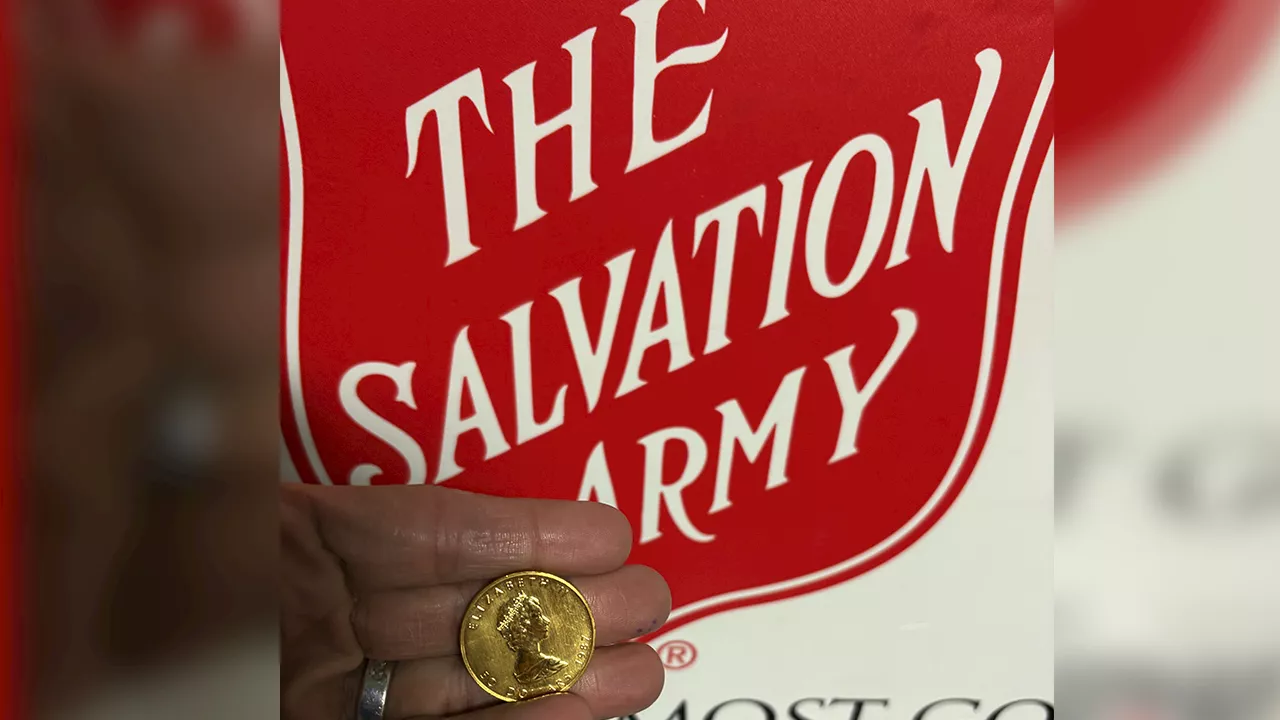 Anonymous Donor Gives Rare Gold Coin to Salvation ArmyA generous donor dropped a valuable gold coin into a Salvation Army donation kettle on Christmas Eve, adding a unique and unexpected boost to the organization's holiday fundraising efforts.
Read more »
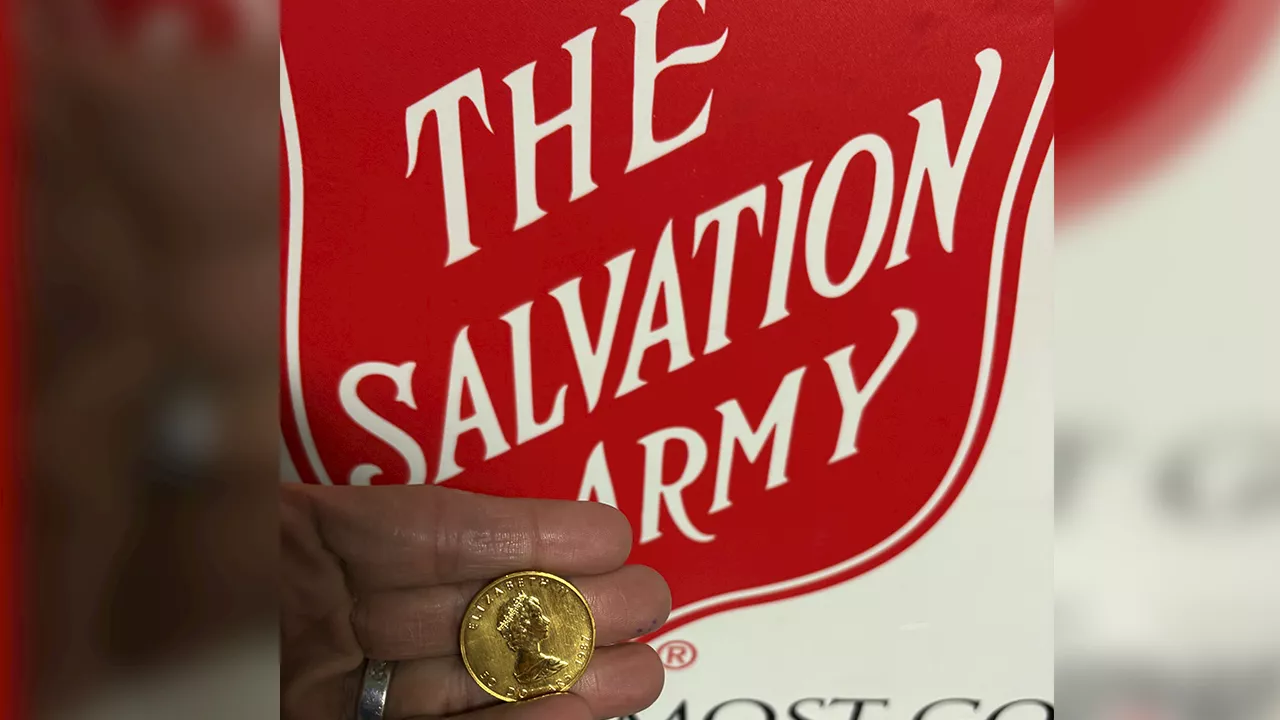 Rare gold coin worth thousands dropped into Salvation Army bucket by anonymous holiday donorA rare gold coin was donated to a Salvation Army Red Kettle in Washington, Pennsylvania, by an anonymous good Samaritan due to holiday foot traffic. Coin expert weighs in.
Read more »
 Lala Kent Drinks Breast Milk and Plans More Babies with Sperm DonorReality star Lala Kent revealed that she drinks her own breast milk to avoid waste and shared her plans to have more children with the same sperm donor.
Read more »
 World's Most Famous Sperm Donor Aims to Have 100 Children by Year's EndKyle Gordy, famous for his sperm donation services, expects to become a father to 100 children worldwide by the end of 2023. He offers his services for free and encourages women to reach out through Instagram or his website. Gordy, who started donating sperm at 20, plans to continue until his services are no longer needed. He aims to travel to Japan, Ireland, and Korea for sperm donations in the future.
Read more »