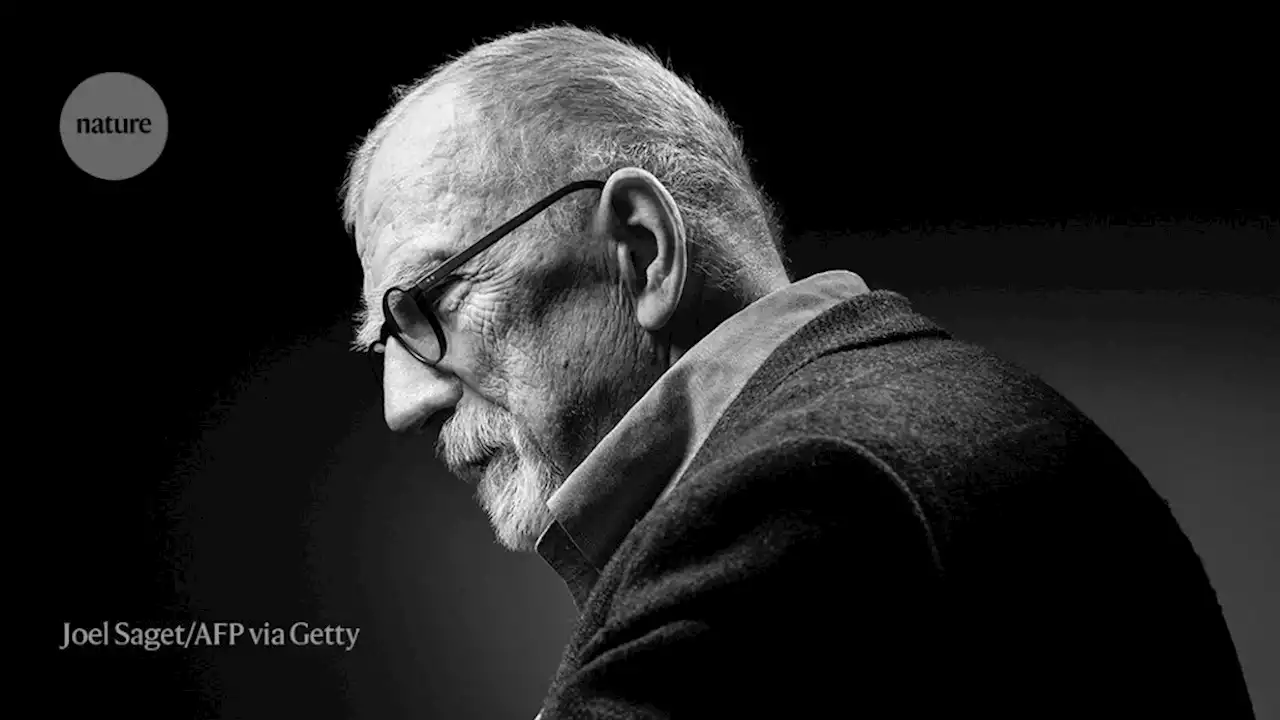
Obituary: Remembering philosopher and anthropologist Bruno Latour, who revolutionized ideas about science in practice
Bruno Latour upended received wisdom on the nature of scientific truth. His proposition that scientific facts are constructed through networks of human and non-human actors initially outraged many. Rather than seeking objective facts, scientists were, he argued, “in the business of being convinced and convincing others”. Applying his thinking to climate change, he argued that nature could not be observed from a distance, because humanity is part of it.
He was the youngest son of a large winemaking family . He took pride in the story of his great-grandfather’s triumph over the vine insect pest phylloxera, and in the consternation of his siblings when he opted to become a philosopher rather than “inherit the vines”. Imagery from winemaking informed his arguments. He asserted that, like fine wine, good ideas suffer when exported across the English Channel.
The network comprises actors as diverse as laboratory equipment, records, paper traces, material samples, citations and research grants, as well as individual scientists. An important consequence is that the strength of a scientific fact is no more than the work needed to unpick the alliances and disassemble the network. ANT transformed social analysis and offered a new way of doing social science.
Bruno largely avoided the absurd ‘science wars’ — the intellectual exchanges of the 1990s in which a few scientific realists mistakenly construed him as a postmodernist. But his radical reworking of accepted positions, his apparently anti-humanist levelling of the distinction between people and things, and his scepticism about the very concept of society made him a controversial figure.
United States Latest News, United States Headlines
Similar News:You can also read news stories similar to this one that we have collected from other news sources.
 Julia Fox Said She's Thinking About Exploring Her 'Gay Bone' And I'm Convinced She's A PhilosopherIf you thought her past antics were wild, this new late-night interview was full of some seriously funny “un-cuh jams.”
Read more »
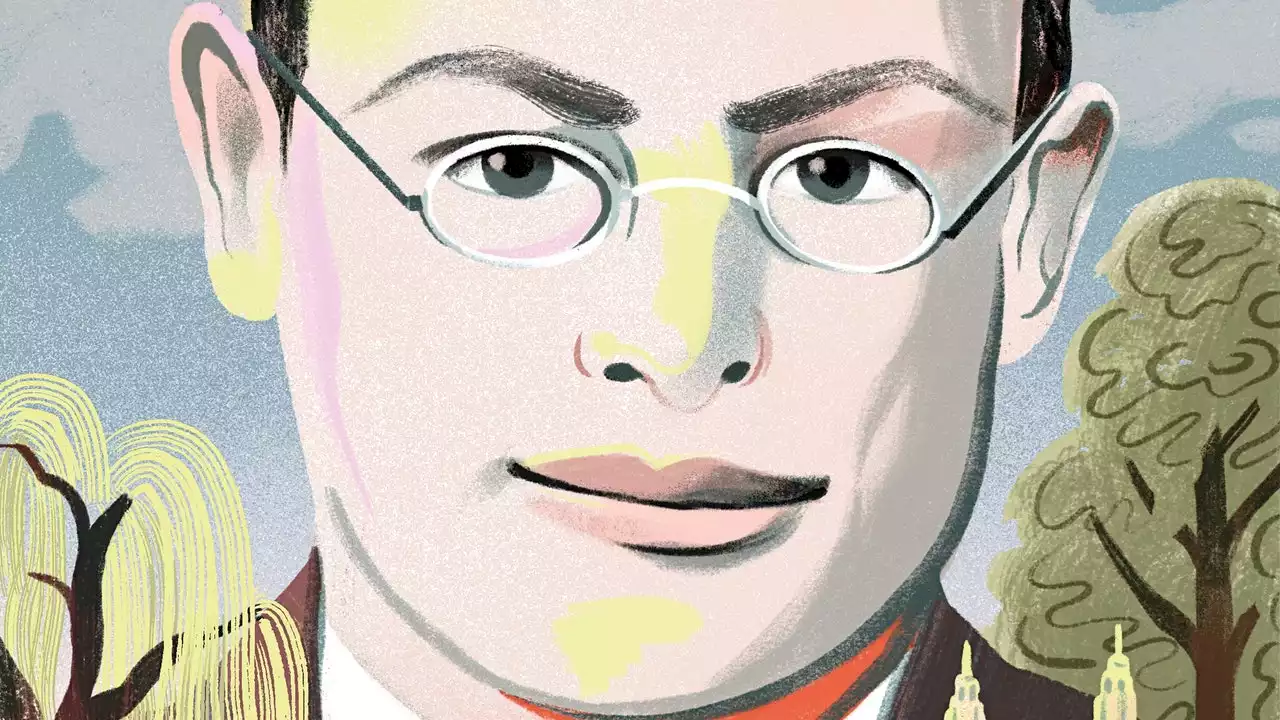 The Man Who Thought Too FastFrank Ramsey—a philosopher, economist, and mathematician—was one of the greatest minds of the last century. Have we caught up with him yet?
Read more »
 Frisco Lawmaker Has Big Ideas for a Proposed 'District of Austin'Texas state Rep. Jared Patterson of Frisco announced last week that he has filed a bill that aims to establish Austin as “the District of Austin,” thereby retiring the roles of Austin’s mayor and city council. The conservative lawmaker, who also is in favor of banning the use of social...
Read more »
 For subscribers: Find the perfect gift at these 20 shops and markets found only in San DiegoNeed Christmas gift ideas, birthday gift ideas for women and men, housewarming gift ideas or a gift for something else? These San Diego shops can help you find what you need.
Read more »
 27 Best Gift Ideas From Black-Owned Beauty BrandsFor your friends that love to be cozied up, this candle set will fill their home with a warm, inviting aroma 🕯️✨
Read more »
 From Wordle to sweets, holiday gift ideas for the grown-upsFrom sweet treats to things with wheels, some ideas for pleasing a child at heart this holiday season.
Read more »