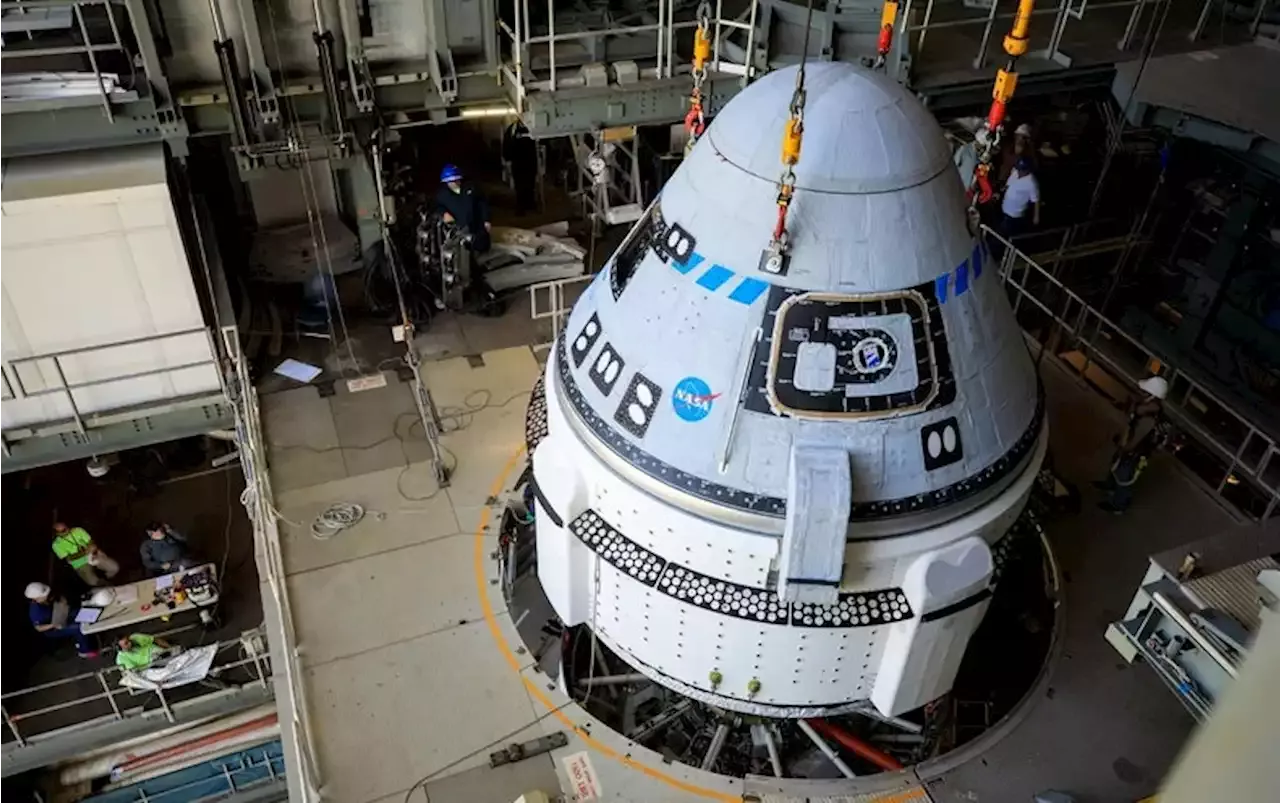
The uncrewed flight includes a payload of food, provisions and a specialized flight-test dummy
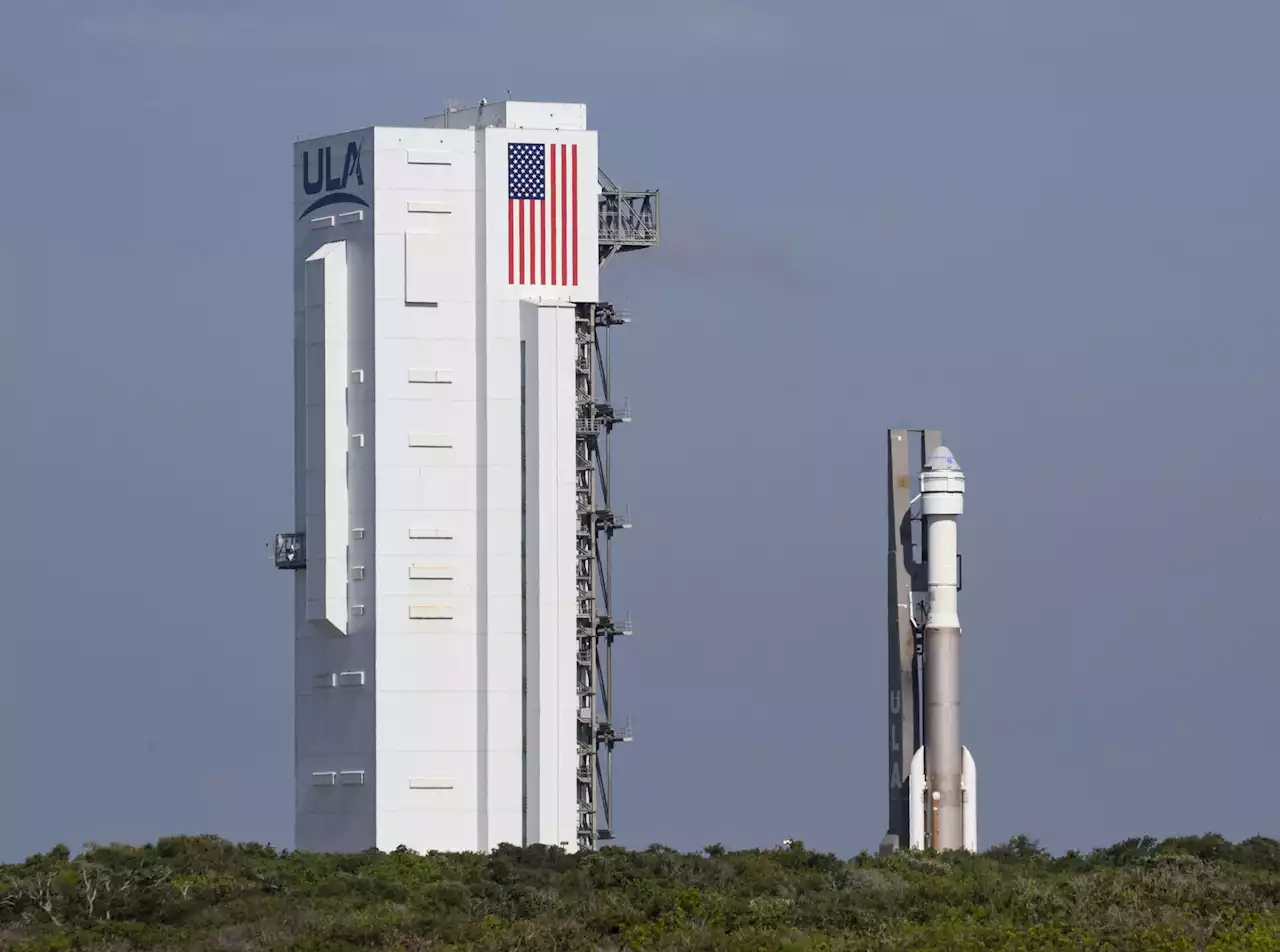
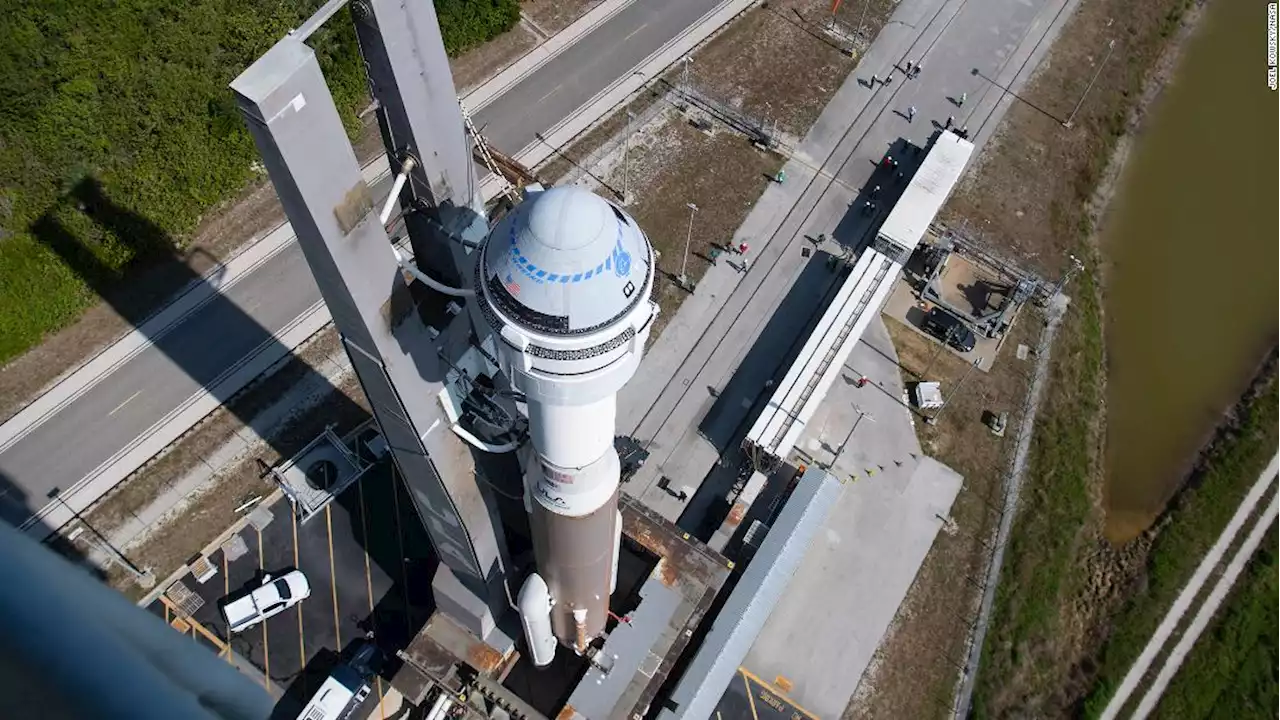
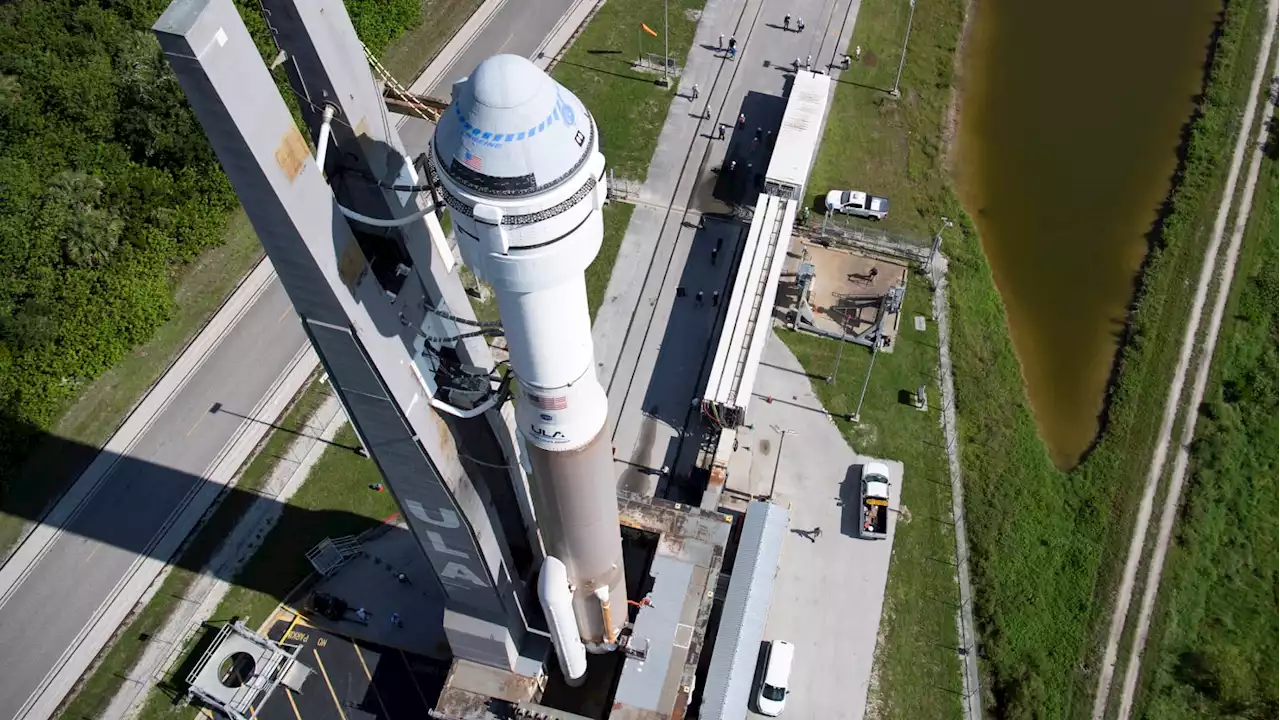
Boeing’s Orbital Flight Test 2 mission to the International Space Station is poised to launch at 6:54 p.m. EDT on Thursday from Cape Canaveral Space Force Station in Florida. This second uncrewed test mission of the company’s Starliner capsule serves as a critical step in NASA’s certification of the spacecraft for human spaceflight, following the incomplete original OFT mission in December 2019 and valve problems that delayed OFT-2’s liftoff from summer 2021 until now.
OFT-2 will carry more than 500 pounds of cargo to the orbital laboratory, at least 440 pounds of which consists of food and supplies for the station’s current crew. The remaining payloads were contributed by Boeing and include, among other flight memorabilia, keepsakes such as flags and pins commemorating the United States’ historically Black colleges and universities . “Closing representation gaps in our company and our industry is a priority for Boeing, and inspiring diverse students to pursue careers in aerospace is an important part of that effort,” Boeing President and CEO David Calhoun said in a statement last year. Taking its second ride aboard Starliner will also be a flight test dummy affectionately named Rosie the Rocketeer. Rosie rode aboard the first OFT and provided engineers data about G-force exertion on the body during launch. For this flight, according to a Boeing statement, the same sensors used for Rosie on OFT-1 will be used to measure the strain on the vehicle’s four seats directly. Robotic cargo launches to the space station are common, occurring every few months with a rotation of Russian Progress vessels and two private American vehicles — Northrop Grumman’s Cygnus spacecraft and SpaceX’s Dragon capsule. These freighters ferry large cargo loads to the ISS, and the reusable Dragon brings gear back down as well. Speaking to the advantages of NASA’s commercial crew program at a briefing in the runup to the first planned OFT-2 launch attempt last year, NASA’s deputy chief scientist for the International Space Station Program, Jennifer Buchli, pointed out the advantages of being able to transport a larger number of astronauts and science gear at a faster rate, something that Starliner could help bring about: “Having more crew on orbit and more cargo back and forth from ISS means we can do more science,” Buchli said. “We really do a wide variety of experiments in everything from human research to fluid physics, to technology demonstrations, life sciences, as well as education.” To date, NASA has completed over 3,000 experiments on the orbital lab, which has hosted rotating astronaut crews continuously since late 2000. These experiments, varying in their size and composition, make up a portion of the cargo regularly transported to, and sometimes back from, the International Space Station. However, it does not appear that Starliner will be transporting much meaningful science gear for the orbiting lab on the coming mission. According to NASA, OFT-2’s cargo includes “food and crew preference items for the current expedition crewmembers on station and provisions, like clothes and sleeping bags, for CFT astronauts.” For OFT-2, the science is primarily the spacecraft itself . Testing whether or not Starliner is ready for astronauts is crucial before strapping them onboard for a crewed flight. OFT-2 aims to demonstrate that Starliner can rendezvous and dock with the space station, a task it failed to accomplish during the original OFT after suffering a number of software glitches. To do this, the vehicle will use an instrument known as the Vision-based Electro-optical Sensor Tracking Assembly, or VESTA. Speaking on NASA’s “Houston, We Have a Podcast,” Amy Comeau, project engineer for the Boeing Starliner chief engineer’s office, highlighted VESTA as the “main focus” of OFT-2’s goal to dock with the station. She described VESTA’s camera suite, which was designed to differentiate visual features of the space station in the same way a human would: “The system uses visual cues on space station … such as the solar panels, stickers, the modules, etc., and it also uses star tracker information so that it can interpret, [in] real time, the precise location of Starliner’s position relative to the International Space Station’s position. And so then this information is actually fed into our flight computers that ultimately drive the spacecraft into the appropriate docking port.” In a May 11 press conference following Starliner’s successful flight readiness review, NASA’s Deputy Chief Flight Director Emily Nelson remarked that VESTA is “one of the most important, and really kind of the coolest, sensors they’ve got on [the] spacecraft.” According to Nelson, once flight operators confirm VESTA is “seeing the space station correctly and identifying where it ought to go,” Starliner will begin a number of demonstration maneuvers. “The spacecraft will stop to demonstrate that if we tell it to stop, it will in fact stop. It’ll automatically retreat some, to demonstrate that we have that retreat capability. And then we’ll press into the final rendezvous and docking,” Nelson said. Starliner will remain docked to the ISS for five to eight days before parachuting back to Earth somewhere in the western U.S., according to NASA. When it returns, it will carry with it nearly 600 pounds of cargo, including three of the station’s dozen or so NORS tanks. NORS tanks provide atmospheric gases to the space station. These tanks are often returned on cargo missions, and most recently one accompanied the crew of the pioneering private Ax-1 mission back to Earth in their SpaceX Dragon capsule last month. However, OFT-2 will be the first mission to return three NORS tanks at one time, Joel Montalbano, manager for NASA’s ISS program, said in the May 11 briefing. During an OFT-2 overview press conference on May 3, Montalbano summed up Starliner’s cargo, saying, “the majority of the cargo going up is going to be food, and so about a little over 450, 460 pounds [204 to 209 kg] … And then, coming back, we’ll be bringing home some of the NORS tanks, the nitrogen oxygen recharge tanks that we have on board. They are used, and so we’ll return them to the ground, refurb them and then fly those again. And so that’s the big highlights. We’re also flying up some small vehicle hardware, some EVA spacewalk supply hardware as well.” The majority of Boeing’s cargo will be returning to Earth with Starliner at the end of OFT-2 as well. In addition to the flags and pins representing the legacy of HBCUs, other space-flown memorabilia on OFT-2 include Rosie the Riveter coins commemorating women in the aerospace industry during World War II, seeds from five different species of trees to echo the “moon tree” effort first taken on by Apollo astronaut Stu Roosa in 1971, and also the original company ID card issued to Boeing founder Bill Boeing, which carries his signature. Copyright 2022 Space.com, a Future company. All rights reserved. This material may not be published, broadcast, rewritten or redistributed.
United States Latest News, United States Headlines
Similar News:You can also read news stories similar to this one that we have collected from other news sources.
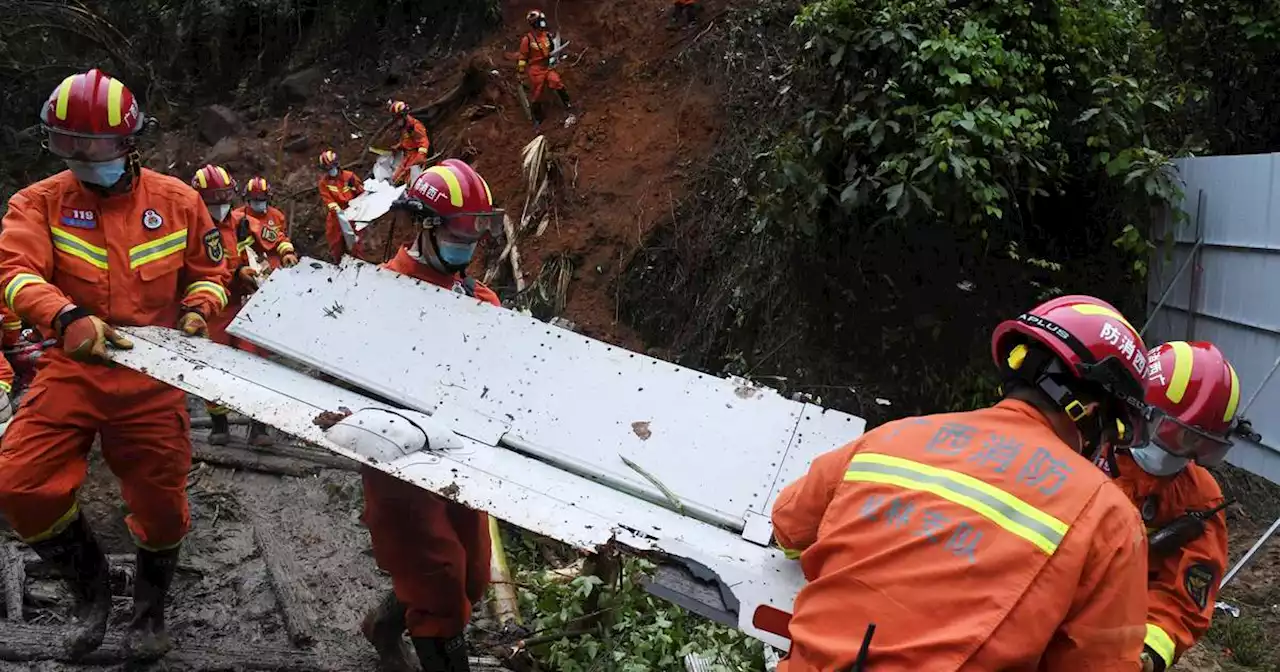
'Boeing management is running around like headless chickens,' Ryanair CEO says in earnings-call tiradeMichael O'Leary, chief executive of Ryanair Holdings Inc., tore into Boeing Co. during an earnings call Monday, blasting the plane-maker's 'very poor...
Read more »
The Stakes for Boeing’s 2nd Space Mission Are AstronomicalThe company desperately needs a win when it tries again on Thursday to send Starliner to the International Space Station. Here’s how it came to this.
Read more »
Recovered black box suggests China Eastern Boeing 737 was intentionally crashedData indicates someone in the cockpit pushed the plane into a nosedive, killing all 132 on board, according to a Wall Street Journal report.
Read more »
Here's when you can watch NASA's exciting Boeing Orbital Flight Test-2NASA is once again planning to complete a Starliner launch to test the capabilities of Boeing's Starliner spacecraft. Here's how to watch.
Read more »
China disputes report that March crash of Boeing 737 was likely intentionalChina said Wednesday that U.S. investigators haven’t released any information about the cause of a China Eastern Airlines jetliner crash after The Wall Street Journal reported its flight data recorder indicated someone pushed the jet into a steep dive.
Read more »
Boeing tries to catch up to SpaceX after plenty of dramaCNN News, delivered. Select from our newsletters below and enter your email to subscribe.
Read more »