
Scientists have developed a new brain-computer interface (BCI) that allows users with spinal cord injuries to feel complex tactile sensations through a bionic limb. The system, tested by volunteers, can translate and relay sensations related to motion, curvature, and orientation, enabling them to perform intricate tasks. This breakthrough represents a significant step forward in restoring the rich sense of touch often lost in prosthetic limbs.
An illustration of the team's technology, which combines a bionic limb with brain implants to reproduce more complex sensations of touch.Scientists are getting closer to something that wouldn’t look out of place in a science fiction film: bionic limbs that can sense and convey touch to their users.
In a new study published this week, researchers debuted a bionic hand system that can reportedly reproduce the most complex tactile sensations seen to date. Scientists at the Cortical Bionics Research Group developed the novel brain-computer interface device, which was tested out by volunteers with spinal cord injuries. Across a series of experiments, the researchers were able to translate and relay sensations tied to motion, curvature, and orientation that allowed the volunteers to perform complicated tasks with their bionic limb. The researchers say their device has now accomplished a new level of artificial touch.in prosthetic and bionic limb technology in recent years, but these limbs are currently still a long way away from fully approximating the complex nature of human touch. Some scientists have begun to use intracortical microstimulation of the brain’s somatosensory cortex to bridge this gap, since experiments have shown that such stimulation can produce vivid tactile sensations on people’s skin. According to study researcher Giacomo Valle, however, early attempts with ICMS have largely focused on reproducing sensation location and intensity. But there’s much more that goes into feeling something than just those two aspects. “While contact location and force are critical feedback components, the sense of touch is far richer than this, also conveying information about the texture, material properties, local contours, and about the motion of objects across the skin. Without these rich sensations, artificial touch will remain highly impoverished,” Valle told Gizmodo. In their new study,“Although many challenges remain, this latest study offers evidence that the path to restoring touch is becoming clearer.” The researchers recruited two people with spinal cord injuries for their experiments. The volunteers were first given brain implants in the sensory and motor regions of the brain that govern the hands and arms. Via these implants, the researchers recorded and then deciphered the different patterns of electric activity produced by the volunteers’ brains as they thought about using their paralyzed limbs. The volunteers were then connected to a BCI device that acted as a bionic limb. With their thoughts alone, the volunteers could control the limb, which was outfitted with sensors that communicated with the brain implants. The researchers were then able to translate and send more complex sensations related to touch through the bionic limb into the volunteers’ brain implants. “In this work, for the first time, the research went beyond anything that has been done before in the field of brain-computer interfaces—we conveyed tactile sensations related to orientation, curvature, motion and 3D shapes for a participant using a brain-controlled bionic limb,” said Valle, a bionics researcher at Chalmers University of Technology. “We found a way to type these ‘tactile messages’ via microstimulation using the tiny electrodes in the brain, and we found a unique way to encode complex sensations. This allowed for more vivid sensory feedback and experience while using a bionic hand.”these sensations felt as if they were coming from their own hands. The added input also appeared to make it easier for the volunteers to perform complex tasks with the bionic limb more accurately, such as moving an object from one place to another. And it’s this richness, Valle said, that “is crucial for achieving the level of dexterity, manipulation, and a highly dimensional tactile experience typical of the human hand.” These are still early days, the researchers note. More complex sensors and robotic technology, such as prosthetic skin, will be needed to truly capture the sensations that researchers can now encode and convey to a user, Valle says, and more advanced brain implants will also be needed to increase the array of sensations that can be stimulated. But Valle and his team are hopeful that such advances can be made, and that a truly human-feeling bionic limb is well within the realm of possibility. “Although many challenges remain, this latest study offers evidence that the path to restoring touch is becoming clearer. With each new set of findings, we come closer to a future in which a prosthetic body part is not just a functional tool, but a way to experience the world,” he said. The immediate next phase of Valle and his team’s research will be to test their BCI systems in more naturalistic settings, such as at patients’ homes. And their ultimate goal is to improve the independence and quality of life of people with disability.Lead Exposure Drove a Hidden Mental Health Crisis in the U.S., Study Reveals New research estimates that lead exposure from gasoline has significantly affected Americans' mental health for the worse during the 20th century.Being a Couch Potato Is Bad for Your Memory, Study WarnsScientists have uncovered autoantibodies that keep vitamin B12 from reaching the brain, which may help to explain some mysterious cases of neurological illness.Woman’s Experimental Bionic Hand Passes Major Test With Flying Colors The Mia Hand prosthetic, fused with bone and connected to the nervous system, has given its owner a new lease on life and much less phantom pain.A Lot of Americans Are Googling ‘What Is Oligarchy?’ After Biden’s Farewell Speech1/16/2025, 4:30 pm
BIONIC LIMBS BRAIN-COMPUTER INTERFACE PROSTHETICS TOUCH SENSATION NEUROTECHNOLOGY
United States Latest News, United States Headlines
Similar News:You can also read news stories similar to this one that we have collected from other news sources.
 Ukrainian Soldiers Embrace Bionic Technology for RecoveryThis news article highlights the innovative use of advanced bionic technology in helping Ukrainian soldiers who have lost limbs during the war. It showcases the resilience of individuals like Serhiy Danilets and Bohdan Kovbasyuk who are utilizing these cutting-edge prosthetics to regain independence and a sense of normalcy.
Read more »
 Severed limbs found after search suspended for 2 missing boaters off Palos Verdes EstatesSome severed limbs were discovered along the shore of the Palos Verdes Estates coast after authorities called off their search for two boaters who went missing while fishing.
Read more »
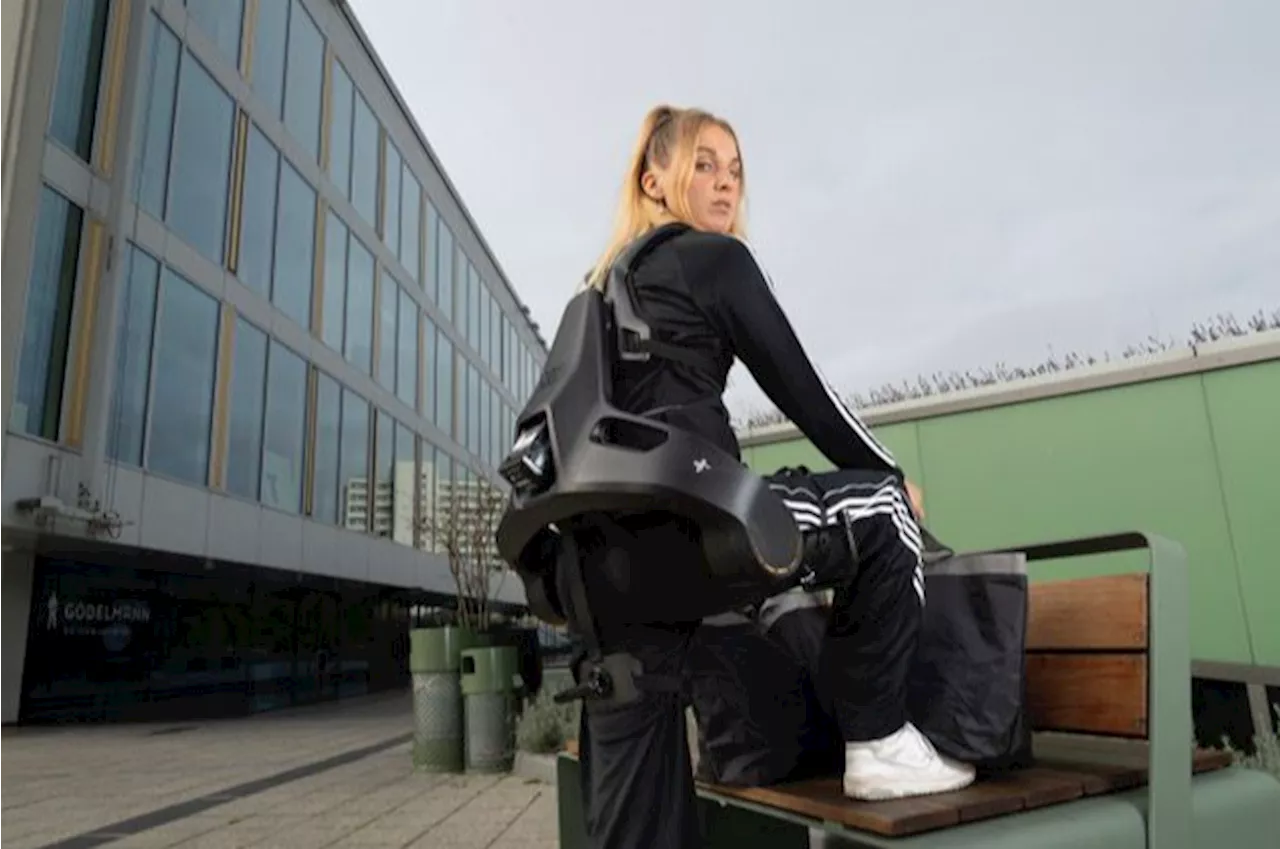 German Bionic's Apogee Ultra Exoskeleton Makes Heavy Lifting Feel EffortlessGerman Bionic unveils the Apogee Ultra, a powered exoskeleton designed to assist with heavy lifting and demanding physical tasks. Featuring dynamic lifting support of up to 80 pounds and walking assist, the Apogee Ultra aims to reduce strain on workers and enhance productivity.
Read more »
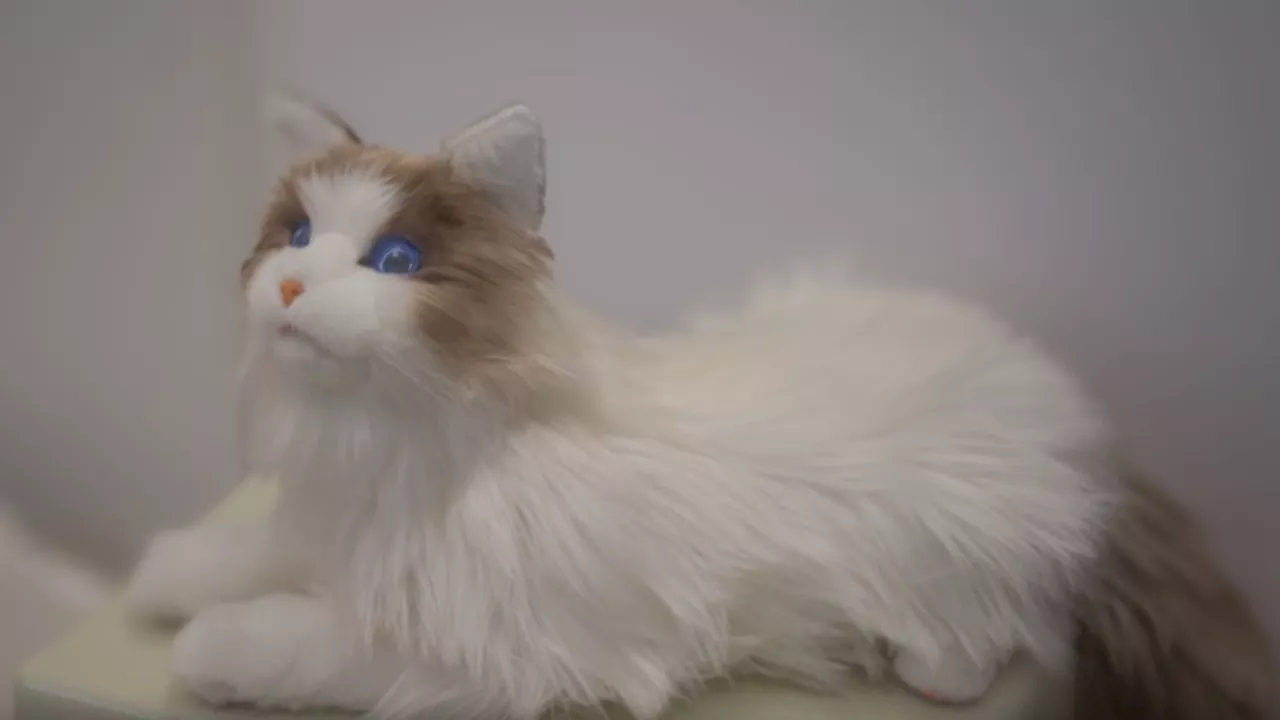 MarsCat: The World's First Bionic Pet CatElephant Robotics introduces MarsCat, a revolutionary bionic pet cat designed for companionship, education, and research. This autonomous robotic cat exhibits lifelike behaviors, adapts to user interactions, and offers an unparalleled level of interaction.
Read more »
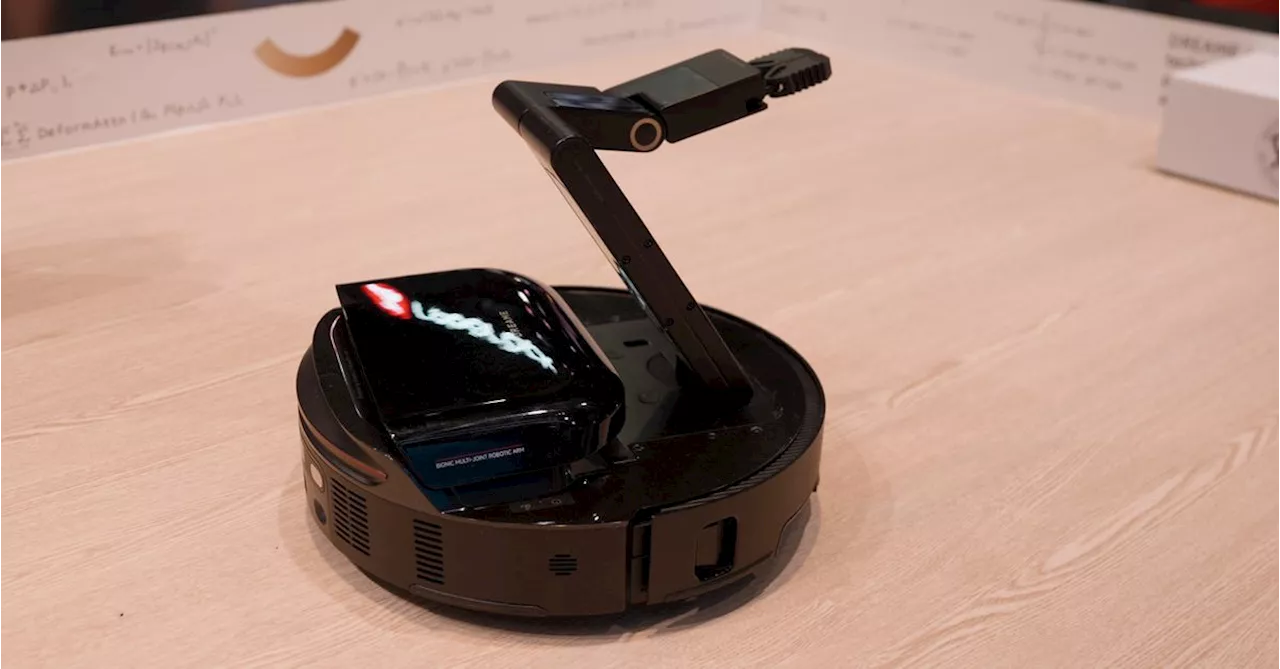 Robot Vacuum Race: Dreame and Roborock Introduce Limbs to RoboVacsAt CES, Dreame and Roborock unveiled robovacs with innovative features like step-climbing legs and robotic arms. Dreame's X50 Ultra boasts legs for navigating steps, while the Roborock Saros Z70 features an arm capable of picking up items. Dreame's upcoming model combines both features, allowing it to lift and carry objects up to 500 grams.
Read more »
 Health insurers limit coverage of prosthetic limbs, questioning their medical necessityPeople who need surgery to replace a joint typically don’t encounter similar coverage roadblocks.
Read more »