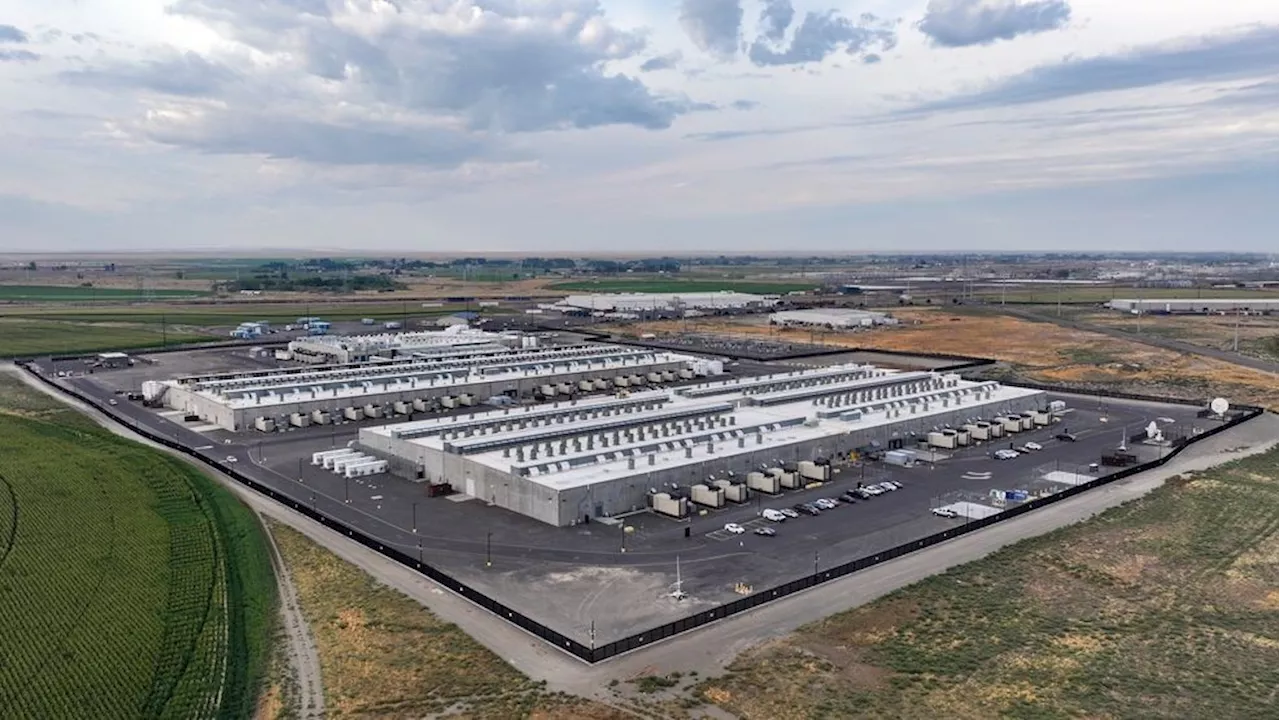
Big tech companies are increasingly turning to nuclear energy to power the massive energy demands of AI training data centers. While this may seem like a solution to the growing energy crisis, experts warn that the industry is rushing into this decision without fully considering the risks involved. The text discusses the potential dangers of nuclear energy, the economic uncertainty surrounding AI's future energy needs, and the challenges of upgrading the electric grid to handle the increased load.
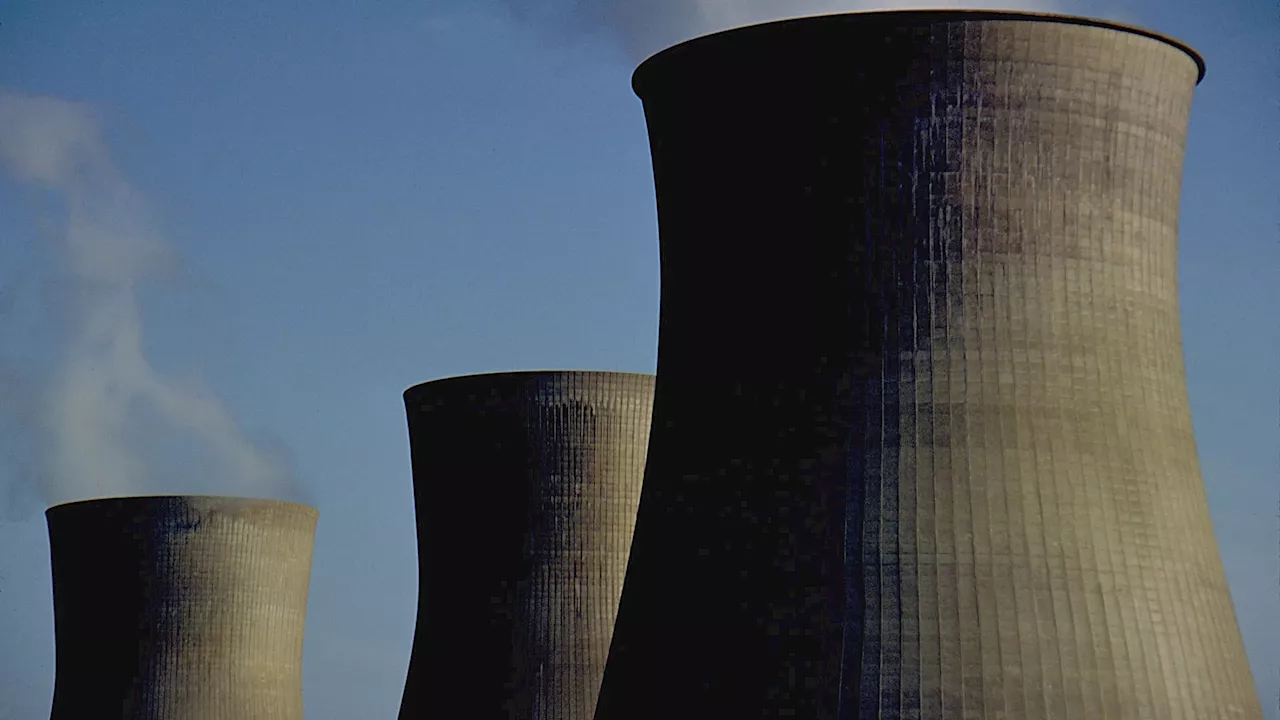
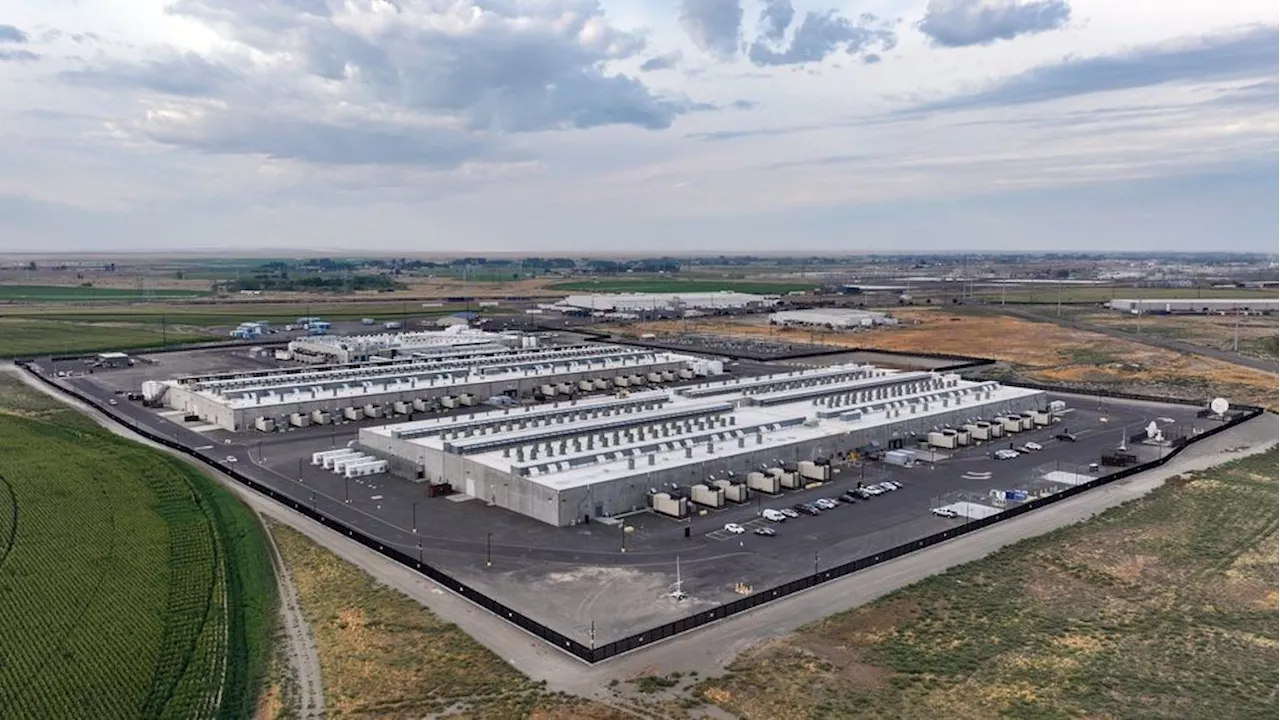
Big technology companies are turning their focus toward nuclear energy to power data centers required to train artificial intelligence tools, but experts are warning the industry might be moving too quickly on that front given the risks involved.
recent reports show . While Google plans on purchasing power from small modular reactor developer Kairos Power, Microsoft inked a deal last year with energy firm Constellation to resurrect a defunct reactor at the Three Mile Island plant in Pennsylvania. The most serious nuclear meltdown and radiation leak in U.S. history occurred at the Three Mile Island plant back in 1979.with Dominion Energy to build out a small modular nuclear reactor near one of the company's nuclear power stations. All three companies are trying to satisfy the demand for generative AI applications, which results in huge spikes in the amount of energy required. Electricity consumption from data centers, AI and the cryptocurrency sector are expected to double from an estimated 460 terawatt-hours in 2022 by 2026, according to data from the International Energy Agency. Global electricity consumption from data centers, artificial intelligence and the cryptocurrency sector is expected to double from an estimated 460 terawatt-hours in 2022 to more than 1,000 TWh in 2026,The U.S.' roughly 2,700 centers sucked up more than 4% of the country's electricity just two years ago, according to the IEA. That number will jump to 6% in less than two years.Worldwide Bitcoin mining used 121.13 terawatt-hours of electricity in 2023, according to the University of Cambridge's Bitcoin Electricity Consumption Index. That is comparable to the Netherlands, which consumed 121.6 terawatt-hours in 2022, the IEA reports. Using nuclear energy to power these demands is not without its controversy, especially from climate activists who cite concerns regarding their hazardous environmental and safety risks. “It is often referred to as ‘clean’ energy because it doesn’t produce carbon dioxide or other greenhouse gases when electricity is generated," climate group Greenpeace states on its website, noting nuclear waste is harmful to the environment. But there are other problems as well, in particular costs of nuclear plants relative to long-term investments in AI, according to Henry Sokolski, executive director at the Nonproliferation Policy Education Center, a nonprofit promoting a better understanding of strategic weapons. "We don't know if our cars will plug into our houses, or our houses will plug into our cars," Sokolski told The National Desk, referring to where the industry is in terms of determining the end game of AI and the Internet of things. If the economy slows down or the gains turn out to be smaller than the industry anticipates or their algorithms become more efficient over time, then less energy will be needed, he said. And because most benefits from nuclear energy come over several decades rather than a few years, there could be sunk costs. The cost of constructing nuclear power plants can run in the billions. Two reactors being built in Georgia areto cost twice their initial estimates, and a pair of reactors in South Carolina were canceled after costs exploded from $9.8 billion to $25 billion. Much of the reason for the balloon in costs comes from regulatory burdens as well as the time it takes to build. The longer construction takes, the more costs go up,Another problem involves the country's electric grid and whether it is capable of holding up to the capacity loads required to keep data centers running. Some areas of the country are experiencing what is called distorting electricity flows, a recentBloomberg's report refers to distortions as "bad harmonics," which can lead to damaged appliances, electricity arcing and home fires. More than three-quarters of highly distorted power readings across the country occur within 50 miles of significant data center activity,"You need to fix that. Which has to do with the grid. Who's going to pay for that? Regulatory headache." Sokolski said, referring to the challenges to determine the costs of updating the electric grid. The speed with which industry and policymakers are going on nuclear energy is also a problem, according to Victor Gilinsky, a physicist and former commissioner on the U.S. Nuclear Regulatory Commission. He helped clean up the mess left in the wake of the Three Mile Island accident. Gilinsky is a critic of the ADVANCE Act, which Congress passed last year meant to accelerate licensing of advanced reactors. The law directs the Nuclear Regulatory Commission to modify its approach to safety reviews by adding a provision in its mission statement stating reviews will "not unnecessarily limit the benefits of nuclear energy to society," Gilinsky"This sort of pressure spells trouble. The safety of complex systems with inherent dangers is a subtle trade and requires unbiased attention to avoid serious errors," Gilinsky wrote, arguing that the phrase forces regulators into Sophie's choice: choosing safety over speed."Congress has already told the nuclear regulatory commission: back off; we want you to be more efficient, which is pretty close to saying we want you to speed up the process and not get in the way," he told The National Desk. "How's that work? We'll find out."
Energy Business NUCLEAR ENERGY AI DATA CENTERS ENERGY CONSUMPTION ELECTRIC GRID
United States Latest News, United States Headlines
Similar News:You can also read news stories similar to this one that we have collected from other news sources.
 Big Tech Bets on Nuclear Power to Fuel AI and Data CentersThe surge in demand for energy by AI and cloud computing is driving major tech companies to explore nuclear power as a sustainable solution. Companies like Google are investing in nuclear projects, citing its carbon-free nature, reliability, and economic benefits. This shift marks a potential turning point for the nuclear industry, overcoming past fears and public perception issues.
Read more »
 Why tech giants such as Microsoft, Amazon, Google and Meta are betting big on nuclear powerTech’s biggest companies are turning to nuclear power for their efficiency and sustainability goals and to meet massive energy demands.
Read more »
 Big Tech's Bet on Nuclear PowerMajor tech companies are investing in nuclear power to fuel the energy demands of their data centers and AI models, signaling a potential shift in the industry's energy strategy.
Read more »
 Big Tech's Nuclear Power AmbitionsMajor tech companies are increasingly turning to nuclear power to meet the energy demands of their data centers and AI models, marking a potential shift in the industry's energy landscape.
Read more »
 Tech Giants' Nuclear Push for AI Raises Safety and Cost ConcernsBig tech companies are turning to nuclear energy to power their data centers, driving AI development. However, experts warn about the risks and costs associated with this rapid shift.
Read more »
 Big Tech's Nuclear Power Push for AI Sparks ConcernsTech giants like Google and Microsoft are turning to nuclear energy to power their data centers, driven by the immense energy demands of artificial intelligence. However, experts warn about the risks associated with this rapid transition, citing safety concerns, environmental impact, and potential cost overruns.
Read more »