
A recent study demonstrates the potential of AI to significantly improve breast cancer detection accuracy and efficiency. Radiologists using AI identified 17.6% more cancers compared to those relying solely on human expertise, with increased accuracy in biopsies as well. This breakthrough could potentially save countless lives by enabling faster and more precise detection of the disease.
Technology could soon do more than assist doctors. Thanks to advancements in cancer-identifying AI, it could actively save lives. A new study recently showcased how AI can revolutionize breast cancer detection , improving accuracy and easing radiologists’ workload.
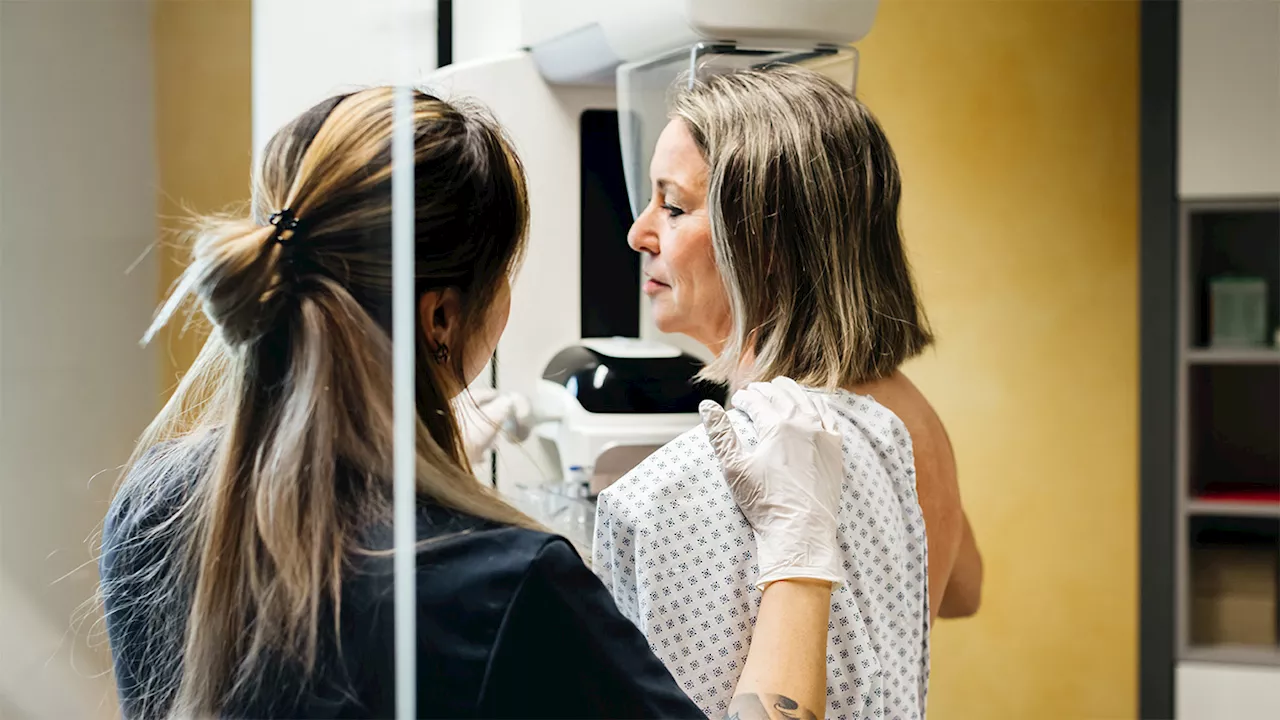
Between 2021 and 2023, nearly half a million women participated in what scientists have called the largest study of its kind. Radiologists at 12 breast cancer screening centers had the option to use AI while examining mammograms. Over 260,000 cases included AI assistance, while the rest relied solely on human expertise. The results were especially promising, with radiologists who used AI identifying 6.7 cancer cases per 1000 scans, compared to 5.7 cases without AI—a 17.6 percent improvement. This isn’t just a numbers game, though. The accuracy of biopsies also improved with AI. When the AI identified potential cancers, 64.5 percent of biopsies confirmed the diagnosis, versus 59.2 percent in cases identified without AI. For patients and doctors alike, these gains are life-changing. The cancer-identifying AI didn’t just improve detection—it sped up the process entirely. Radiologists spent less time on cancer scans identified as “normal” by AI, reviewing them in 16 seconds on average compared to 30 seconds for uncertain cases. This small increase in efficiency means radiologists can focus their expertise where it’s needed most without compromising patient care. However, concerns about over-reliance on AI remain. What if technology misses subtle signs of disease? What if access to human diagnosis becomes a luxury? These questions highlight the need for careful integration of AI into healthcare, especially with so much doom and gloom surrounding the AI revolution. This study could be a turning point for cancer-identifying AI, though. Ben Glocker, an AI specialist at Imperial College London, sees it as a call to action. “The technology is ready,” he told New Scientist. “We now need policies to follow.” Real-world testing, like this study, is essential for understanding AI’s full potential and addressing its limitations. Cancer-identifying AI is no longer just a concept. By blending human expertise with cutting-edge technology, we can hopefully come up with even better ways to detect cancer, and perhaps even find new ways to cure cancer effectively.
AI Artificial Intelligence Cancer Detection Breast Cancer Healthcare
United States Latest News, United States Headlines
Similar News:You can also read news stories similar to this one that we have collected from other news sources.
 Alabama Breast Cancer Research Foundation Funds UAB Cancer CenterThe Breast Cancer Research Foundation of Alabama awarded $440,000 to 10 researchers at the UAB’s O’Neal Comprehensive Cancer Center. The funding will support a diverse range of projects focused on understanding the mechanisms of breast cancer, treatment resistance, population health risks, and improving cancer care delivery.
Read more »
 NOAA’s DART Buoy System Revolutionizes Tsunami DetectionNOAA's DART buoy system is revolutionizing tsunami detection and forecasting, providing crucial early warnings and improving prediction accuracy.
Read more »
 Breast Self-Exams No Longer Recommended, But Breast Awareness Still KeyAlthough formal breast self-exams are no longer recommended by most professional organizations, breast awareness remains important. The article explains the reasoning behind this change, citing studies that found no significant reduction in breast cancer mortality rates among those who performed routine self-exams. However, it emphasizes the continued value of being attuned to changes in breast health and consulting healthcare providers for any concerns.
Read more »
 Approaches against metastatic breast cancer: mini-tumors from circulating cancer cellsTumor cells circulating in the blood are the 'germ cells' of breast cancer metastases. They are very rare and could not be propagated in the culture dish until now, which made research into therapy resistance difficult.
Read more »
 AI Boosts Breast Cancer Detection in Major German StudyA new study in Germany suggests that AI-powered software can significantly improve breast cancer detection rates without increasing false alarms. The study, involving nearly 500,000 women, found that AI-assisted screenings led to a 17.6% higher detection rate compared to traditional methods.
Read more »
 AI Improves Breast Cancer Detection in Large German StudyA new study involving over 461,000 women in Germany found that using AI in breast cancer screening significantly increased detection rates compared to traditional methods alone. The research, published in [Journal Name], highlights the potential of AI to improve early diagnosis and reduce the workload on radiologists.
Read more »