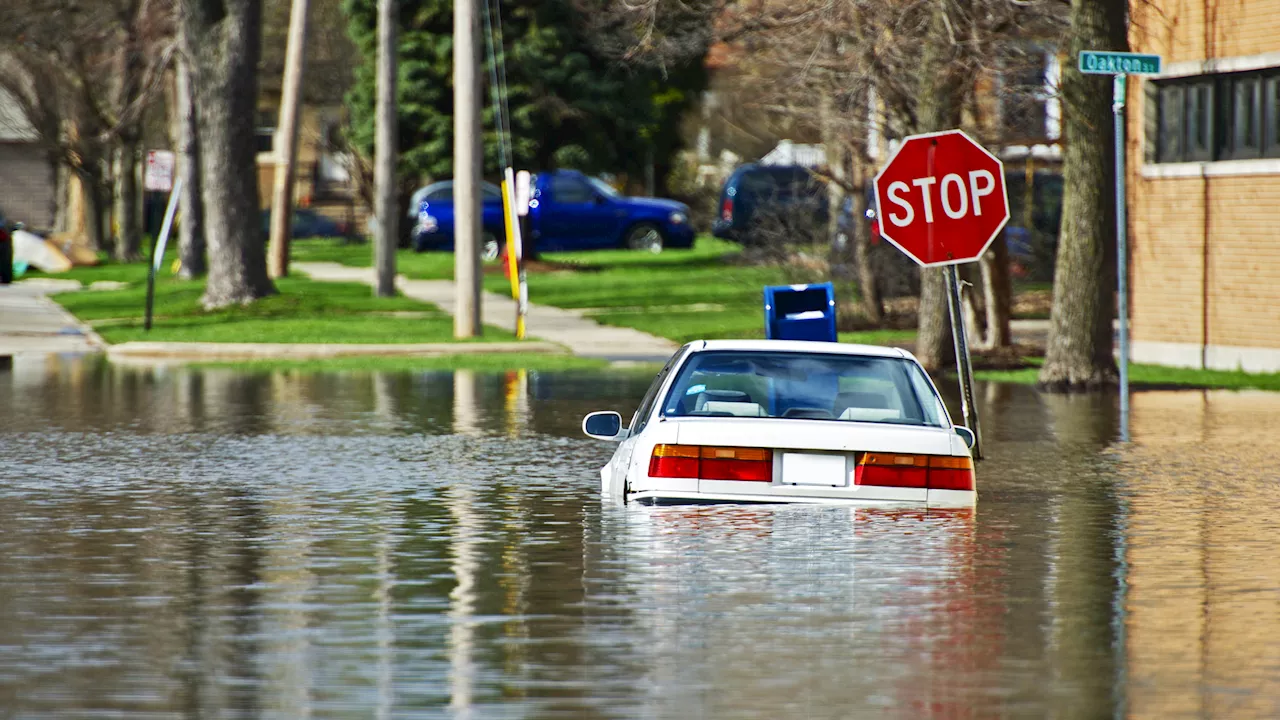
As climate change intensifies extreme weather events, the need for faster and more precise weather predictions is crucial. Traditional forecasting methods, relying on complex physics-based models, are time-consuming and expensive. AI-driven tools offer a promising alternative, enabling quicker and potentially more accurate forecasts even on standard laptops. This is especially beneficial for developing nations with limited access to high-powered supercomputers, empowering them to better prepare for and mitigate the impacts of climate-related disasters.
ArticleBody:This story was originally published by Grist. Sign up for Grist’s weekly newsletter here. Every day, meteorologist Hannah Wangari takes the free graphs and maps produced by the five forecasting models she subscribes to and interprets what she sees.
“What’s the likelihood of rain in different parts of the country?” she might wonder. “How much of it is likely to fall within the next 24 hours?” Answering such questions quickly and accurately is essential to the potentially life-saving work she and others do at the Kenya Meteorological Department. As climate change drives ever more frequent and intense extreme weather, the need for faster, more precise predictions will only grow. Heavy rain and floods wreaked havoc this year, killing hundreds and displacing countless more in the United States, Spain, central Europe, and a great swath of Africa, where over 7.2 million people have been affected. An estimated 267 people died in Kenya alone and another 278,000 were displaced as floods impacted 42 of the nation’s 47 counties last year. With torrential storms projected to intensify by 7 percent for each 1.8 degree Fahrenheit of warming, predicting precisely when and where such events will happen is key to saving lives and livelihoods. Yet that can be a time-consuming and expensive endeavor. Traditional forecasting relies upon a method called numerical weather prediction. This physics-based technique, developed in the 1950s, requires multimillion–dollar supercomputers capable of solving complex equations that mimic atmospheric processes. The intensive number-crunching can take hours to produce a single forecast and is out of reach for many forecasters, particularly in the developing world, leaving them to rely upon data produced by others. Tools driven by artificial intelligence are becoming a faster, and in many cases more accurate, alternative easily produced on a laptop. They use machine learning that draws from 40 years of open-source weather data to spot patterns and identify trends that can help predict what’s coming. “They’re using the past to train the model to basically learn the physics,” said computer scientist Amy McGovern, who leads the NSF AI Institute for Research on Trustworthy AI in Weather, Climate, and Coastal Oceanography at the University of Oklahoma. AI-powered methods developed by the likes of Google, Oxford University, and NVIDIA can provide accurate forecasts within minutes, giving governments more time to prepare and respond. “More frequent updates help agencies monitor rapidly evolving conditions like storm paths,” Dion Harris, who leads the Accelerated Data Center at NVIDIA, told Grist. “This improves decision-making for evacuation planning, infrastructure protection, and resource allocation.' Users like the government meteorologists in Nairobi can augment these models with local data on things like ground temperature and humidity and free satellite data to tailor forecasts to specific geographic areas. The Kenyan Meteorological Department is working with Oxford, the European Center for Medium-Range Weather Forecasts, Google, and the World Food Programme on an AI model that improves the accuracy of rainfall forecasts. Of the five traditional models the Kenya Meteorological Department uses, four provide only the free charts and maps Wangari studies so closely. Accessing forecast data requires paying a licensing fee or owning a supercomputer with which to run models. Instead, she and her colleagues analyze the open-source data they receive to ascertain what’s coming. The machine-learning model developed with Oxford allows them to assess actual forecasting data to determine the likelihood of extreme weather. “For the first time, we’re able to produce what you call probabilistic forecasts,” she said. “People are more likely to take action if you give them the probability of something happening.” “Now we can say things like, ‘This region is going to experience 2 inches of rain in the next 24 hours, and there’s a 75 percent probability that this threshold will be exceeded,’” she said. AI models only take minutes to produce a forecast, providing the ability to run many more of them and survey a wider range of possible outcomes. That allows authorities to play what McGovern calls “the what-if game” and say, “If this happens, we need to evacuate this area,” or “If that happens, we might want to take this action.” They can anticipate the most likely scenario or prepare for the worst case by, say, preemptively evacuating people with disabilities. The machine-learning method that Oxford developed and Wangari uses has proven more effective than other methods of forecasting rainfall. That is not unusual. Google’s GenCast, unveiled last month, outperformed traditional forecasting models on 97 percent of 1,320 metrics. Its predecessor, GraphCast, proved more accurate than the world’s premier conventional tool, run by the European Center for Medium-Range Weather Forecasts. “AI produces much better results than the physics-based models,” said Florian Pappenberger, deputy director general of the European Center, which plans to launch its own AI model this year. It does so more quickly, too. GenCast produced 15-day forecasts within eight minutes, and NVIDIA claims its FourCastNet is 45,000 times faster than numerical weather prediction. AI has also proven more accurate in predicting hurricane tracks. GraphCast correctly predicted where Hurricane Lee, which raced through the North Atlantic in September 2023, would make landfall nine days before it hit Nova Scotia — and three days before traditional forecasting methods, a Google scientist told Financial Times. Two machine-learning models closely predicted Hurricane Milton’s track across the Gulf of Mexico, although they underestimated the storm’s wind gusts and barometric pressure, said Shruti Nath, a climate researcher on the Oxford project. However, these tools are expected to improve as errors are corrected and the models are fine-tuned. Of course, forecasts are only as useful as the anticipatory actions they lead to. Researchers developing them must work with local meteorologists and others with regional expertise to understand what they mean for communities and respond accordingly, Nath said. Questions remain about how well machine learning can predict edge cases like once-in-a-century floods that lie beyond the datasets used to train them. However, “they’re actually representing the extremes much better than many of us predicted initially,” Pappenberger said. “Maybe they have learned more physics than we assumed they would.” These tools also do not yet produce all the outputs that a forecaster typically uses, including cloudiness, fog, and snowfall, but Pappenberger is confident that will come in time. Users may also benefit from hybrid models, like Google’s NeuralGCM, which combine machine learning with physics, an approach that offers the benefits of AI, like speed, with the long-term forecasting ability and other strengths of numerical weather prediction. While the improved forecasts are meant to help respond to climate change, they also risk contributing to it. The data centers required to run AI consume so much energy that companies like Google and Microsoft are resorting to nuclear power plants to provide it. Still, the supercomputers needed to run numerical weather prediction are energy intensive as well, and GraphCast could be 1,000 times cheaper in terms of energy consumption. To realize the AI models’ potential to democratize forecasting, McGovern thinks cross-sector collaborations will be key. The computing power needed to train the models lies primarily with the industry, whereas academia — which writes a lot of the code and offers it on the public software platform GitHub — has the luxury of not having to provide quarterly reports, and the government, as the ultimate end user, knows what’s needed to save lives, she explained. For now, researchers and the private sector are working together closely to refine the technology. “There’s a lot of collaboration, a lot of copying from each other, and trying to improve based on what other people have produced,” said Pappenberger. Many of these tools are freely available to researchers, but their accessibility to others varies from no-cost to low-cost to a price dependent upon the features used or the purchase of specific hardware. Still, the models are cheaper than a supercomputer, and would allow entities like the Kenya Meteorological Department to quickly and easily create forecasts tailored to their local needs at a fraction of the cost of physics-based models. Crafting a forecast relevant to people in, say, Nairobi or Mombasa using conventional tools requires zooming in on the global maps to obtain more detail, then manually analyzing a lot of data. “With machine learning, you can produce a forecast for a specific point as long as you have the exact coordinates,” she said. That will make it a whole lot easier for her, and others doing similar work, to see what the weather has in store and, ultimately, save lives. This article originally appeared in Grist at https://grist.org/extreme-weather/how-ai-could-help-predict-climate-fueled-extreme-weather/. Grist is a nonprofit, independent media organization dedicated to telling stories of climate solutions and a just future. Learn more at Grist.org
AI Weather Forecasting Climate Change Disaster Preparedness Developing Nations
United States Latest News, United States Headlines
Similar News:You can also read news stories similar to this one that we have collected from other news sources.
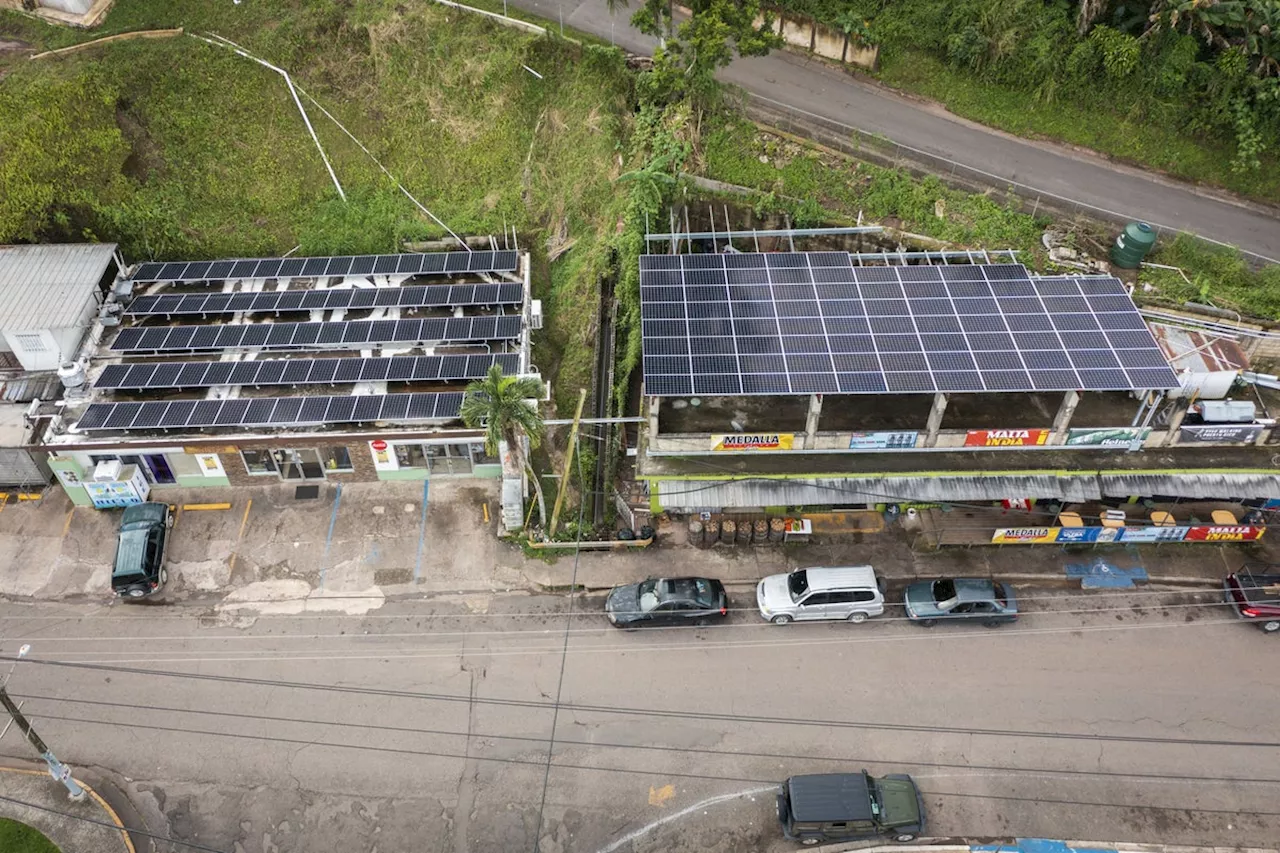 How Renewable-Powered Microgrids Help Towns Weather Hurricanes, Wildfires, and MoreCommunities are thinking big and relying on smaller energy systems called microgrids to gain reliable energy autonomy
Read more »
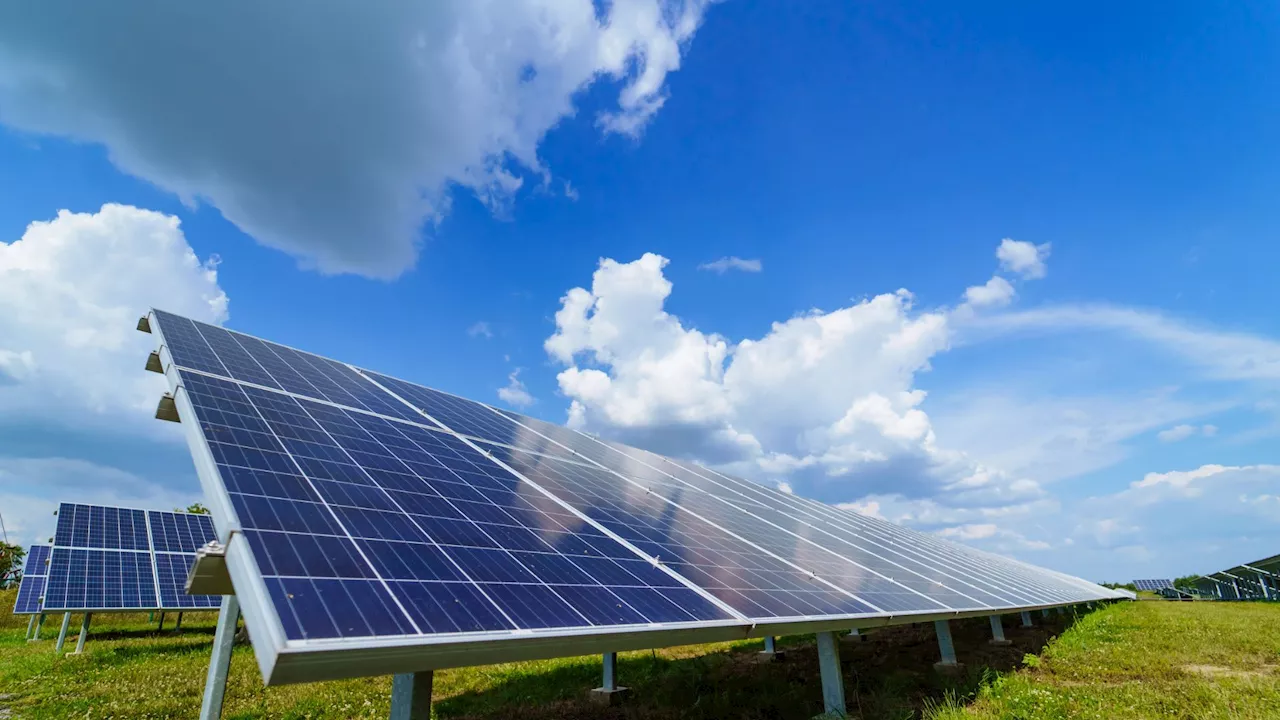 AI-Powered Solar Panels Brace for Extreme WeatherResearchers in France develop AI and machine learning technology to protect solar panels from damage caused by extreme winds, ensuring the reliability of renewable energy sources in the face of climate change.
Read more »
 AI-Powered Framework Protects Solar Panels From Extreme WeatherResearchers develop a novel framework combining wind simulations and machine learning to optimize solar panel angles and enhance their resilience against strong winds.
Read more »
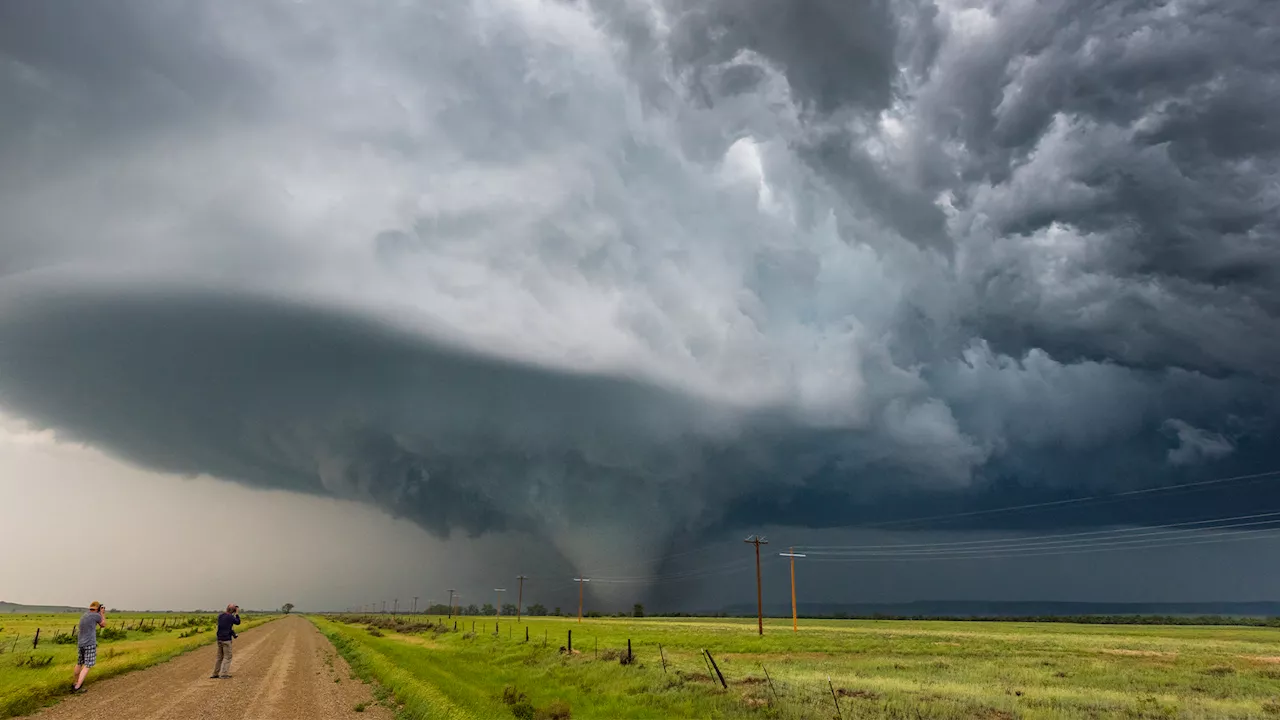 Chasing storms: The science behind research aircraft and extreme weather forecastingResearch aircraft refine models, while satellites and ground stations provide real-time data for predictions.
Read more »
Start a Cloud Diary for Fun Weather ForecastingLearn about weather prediction by keeping a cloud diary. This activity involves observing cloud formations, wind patterns, temperature changes, and precipitation levels to understand their relationship with weather conditions. It's a fun way to increase your weather awareness and impress friends with your forecasting skills.
Read more »
 Samsung Teases AI-Powered Galaxy S25 with Pre-order OffersSamsung Electronics is leveraging AI to enhance its Galaxy S25 smartphones, aiming to compete with Apple's iPhone. The company will launch the Galaxy S25 on January 22nd and is offering pre-order incentives, including a £50 ($62) voucher for registered users who answer a smartphone usage questionnaire and a $50 credit towards additional products for those who reserve the device. Samsung also promises $1,250 in combined savings through enhanced trade-in values and various promotions.
Read more »