
Scientists create AI replicas of individuals based on interviews, aiming to understand public behavior and policy responses.
Research ers have created AI agents based on real people by interviewing them and feeding the data into a large language model (LLM). These AI agents can reportedly replicate the participants' behavior with 85% accuracy. The project, a collaboration between Stanford and Google DeepMind, aims to provide policymakers and businesses with a better understanding of public opinion .
Instead of relying on traditional methods like focus groups or polls, the researchers believe they can capture individual and collective behavior by creating AI replicas based on a single two-hour interview. These AI agents can then be used to simulate responses to various scenarios, such as public health policies, product launches, or major events. The study involved interviewing 1,000 participants from a diverse cross-section of the U.S. population. The participants created 2D avatars and interacted with an AI interviewer within a specialized interface
AI Behavior Simulation Large Language Models Public Opinion Research
United States Latest News, United States Headlines
Similar News:You can also read news stories similar to this one that we have collected from other news sources.
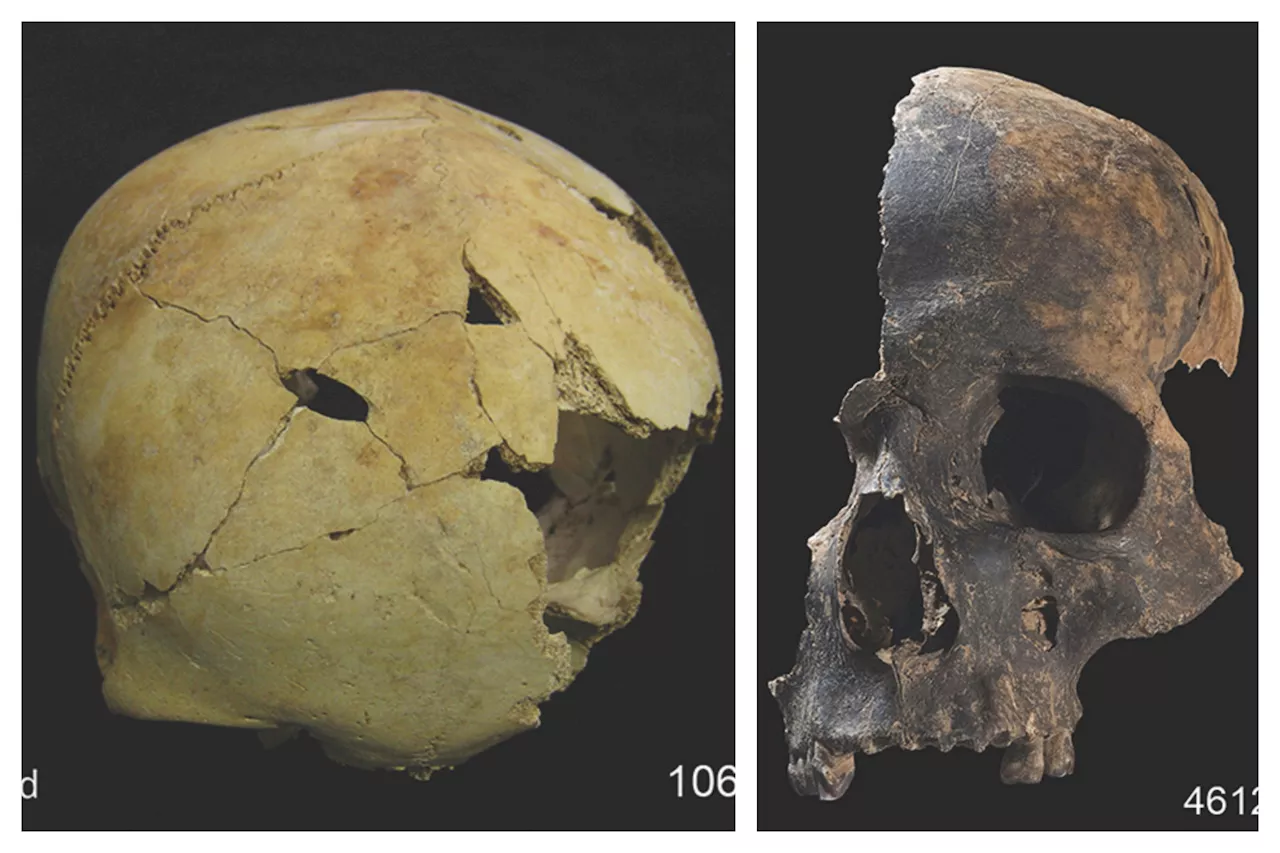 Bronze Age Cannibalism 'Shines a Light on a Dark Side of Human Behavior'Researchers have revealed details of an extremely violent event that took place more than 4,000 years ago.
Read more »
Can John Calipari's short roster replicate shat Richardson's Hogs did years ago?North Carolina AT&T Aggies walked into epic blood bath in Bud Walton against '90s Arkansas Razorbacks
Read more »
 Kansas State Dylan Edwards Hopes To Replicate Avery Johnson's Pop Tart Bowl PerformanDylan Edwards looks for the opportunity to shine against the Rutgers Scarlet Knights next week.
Read more »
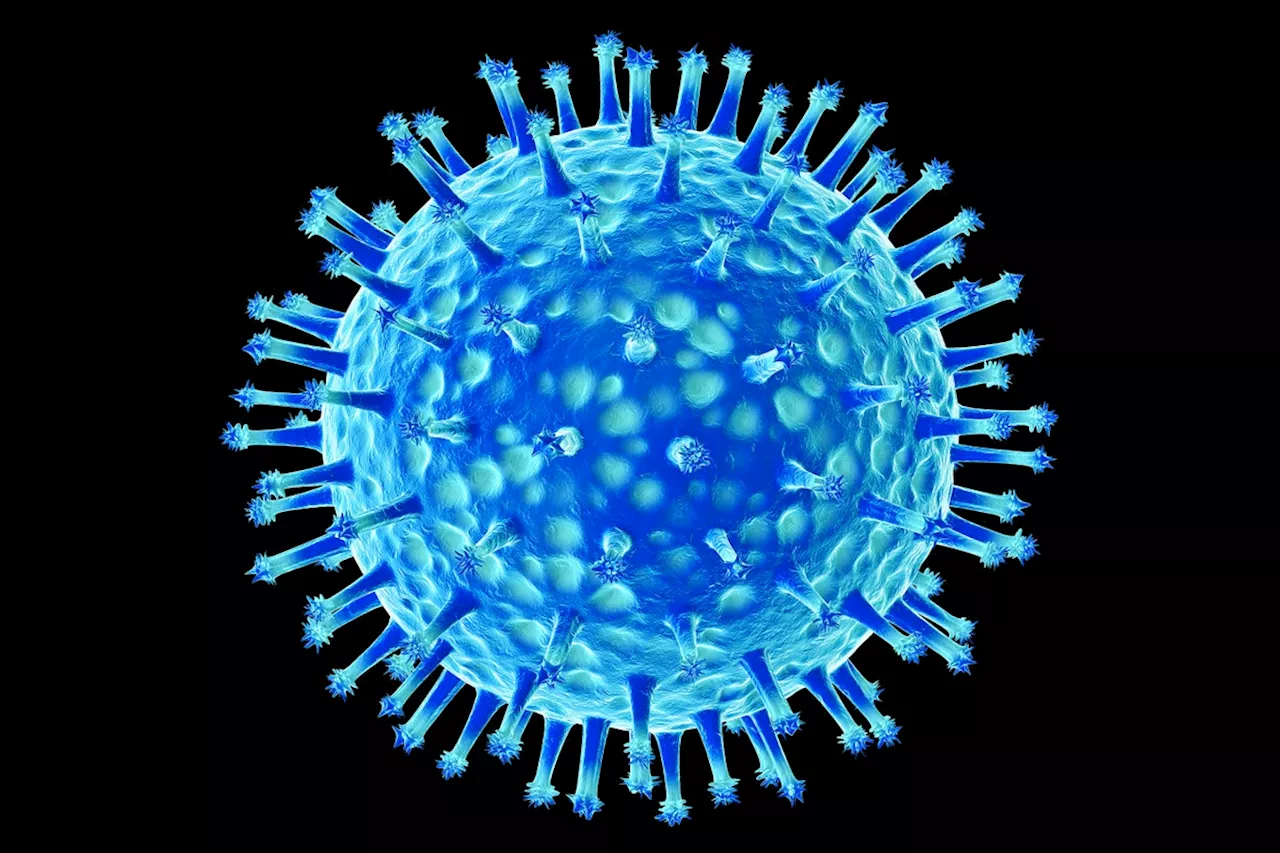 Louisiana Patient's H5N1 Virus Shows Potential for Human-to-Human SpreadThe Centers for Disease Control and Prevention (CDC) announced that viral samples from a hospitalized patient in Louisiana with severe H5N1 avian influenza show genetic mutations that could make the virus spread more easily among humans. The mutations were found in the patient's samples but not in those from backyard poultry, suggesting they occurred within the patient. While the CDC maintains the risk to the general public is low, this development highlights the virus's ability to adapt to human airways.
Read more »
 Bird Flu Mutations Raise Concerns, But No Human-to-Human Spread ReportedA concerning development in the ongoing bird flu outbreak: A patient in Louisiana, with underlying health conditions, tested positive for the virus with mutations that could potentially make it more transmissible between humans. However, the CDC reports that there is no evidence of the virus spreading from this patient to others.
Read more »
 Postdoc Position at Human Technopole: Modeling Human Neurodiversity with OrganoidsThe Neurogenomics Research Centre at Human Technopole is seeking a highly motivated Postdoctoral Researcher to work on organoid-based projects. The position focuses on modeling human neurodiversity and overcoming categorical distinctions in neuropsychiatric diagnosis using high resolution molecular and clinical phenotyping. Candidates should be passionate about understanding human neuropsychiatric conditions and have experience with single cell technologies, stem cell-based approaches, and bioengineered models.
Read more »